India · State of Jhārkhand
Where to Stay in Deoghar, State of Jhārkhand
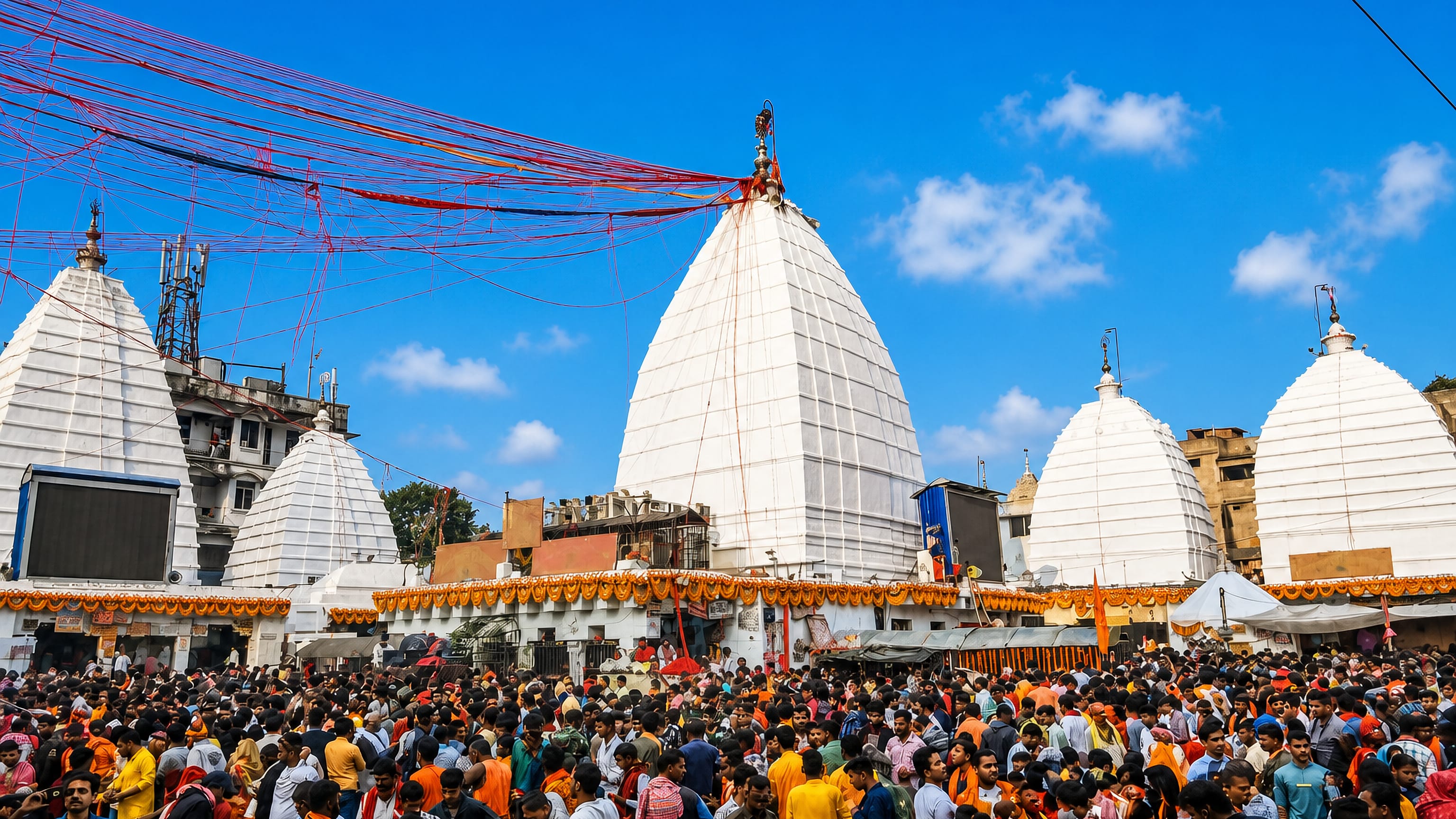
Deoghar is a pilgrimage town in Jhārkhand. Also called Baidyanath Dham, it is built around the Baidyanath Temple, one of the twelve Jyotirlingas.
Hotel links are affiliate links: booking through them may earn us a commission, at no extra cost to you. It never affects how places are ranked. How this works


Where to stay in Deoghar
Where the beds are, and what that means for the visit.
Proximity to the temple decides everything. Rooms nearest the Baidyanath Temple are the ones pilgrims want, which makes them the first to go and the noisiest to occupy, since the approaches carry foot traffic long before the rest of Deoghar wakes. Quieter ground exists.
The outer streets of Baidyanath Dham stand back far enough to escape the worst of that, and the walk in is short enough that the trade-off costs a visitor very little. Hinduism organises the calendar of this town more thoroughly than any tourist season does, and that is the single fact a visitor booking a bed should hold on to. Timing matters more than location.
Deoghar district fills at the great pilgrimage seasons and empties between them, so the same room can be scarce one month and freely available the next, and booking ahead is the only reliable defence. Expect simple lodging. Most of what Jhārkhand offers here is built for pilgrims rather than for holidaymakers, so a traveller should judge a place by how easily it reaches the shrine and how quietly it sleeps rather than by anything else.
Find hotels in Deoghar
Direct booking searches for these neighbourhoods.
Baidyanath Temple approaches
The lanes running up to the Baidyanath Temple hold most of Deoghar's beds, which is ideal for an early start at the shrine and hardest of all to book when pilgrim traffic swells.Find hotels in Baidyanath Temple approachesQuieter nights within walking reach of Baidyanath DhamOuter Baidyanath Dham
Beds on the outer streets of Baidyanath Dham stand back from the temple approaches, so the pilgrim timetable governs the walk in rather than the night's sleep.Find hotels in Outer Baidyanath DhamHotel links are affiliate links: booking through them may earn us a commission, at no extra cost to you. It never affects how places are ranked. How this works
About Deoghar
Pilgrims come for one temple.
What is Deoghar known for?
The Baidyanath Temple counts among the twelve Jyotirlingas, a set of Shiva shrines, and that status draws worshippers to Deoghar from far beyond Jhārkhand, in numbers no other feature of the town could produce. Sect makes little difference here. The place is held sacred across Hinduism generally, which is why the alternative name Baidyanath Dham travels further among devotees than the administrative one.
What are the main landmarks in Deoghar?
One shrine defines Deoghar. The Baidyanath Temple, counted among the twelve Jyotirlingas that honour Shiva, is the reason the town carries the second name Baidyanath Dham and the reason its lanes fill with pilgrims. Other buildings exist.
St. Mary's Church, Deoghar is the town's recorded Christian landmark, a small counterweight in a place otherwise organised around Hinduism.
What is the history of Deoghar?
The temple came first. Deoghar's whole existence as a named place rests on the Baidyanath Temple, and the count of Jyotirlingas that includes it places the town inside a network of shrines recognised across Hinduism rather than in a single region. Two names record that history.
Baidyanath Dham is the devotional name and Deoghar the administrative one, and the two have coexisted long enough that pilgrims and clerks can describe the same streets without ever using the same word for them. Administration arrived over the shrine, not before it. Deoghar became the headquarters of Deoghar district and a municipal corporation in its own right, formalising what pilgrim traffic had already made necessary in the way of offices and civic authority.
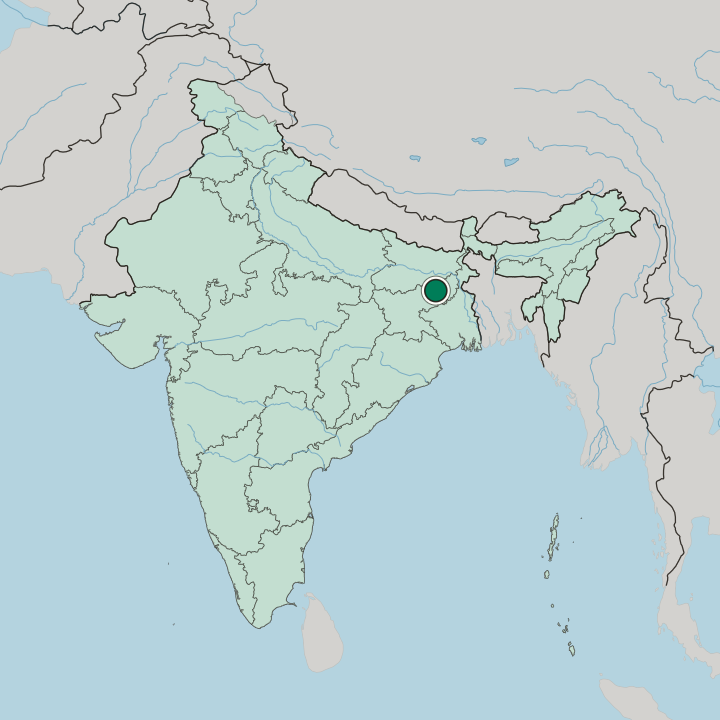
The Indian state of Jhārkhand holds Deoghar within its administrative frame, but nothing in that frame explains why people come, which remains the temple and the tradition that recognises it. Shiva is the constant. Every layer of Deoghar's past, devotional or administrative, arranges itself around the shrine that the twelve Jyotirlingas tradition set at the town's centre, and no later institution has displaced it.
Where is Deoghar?
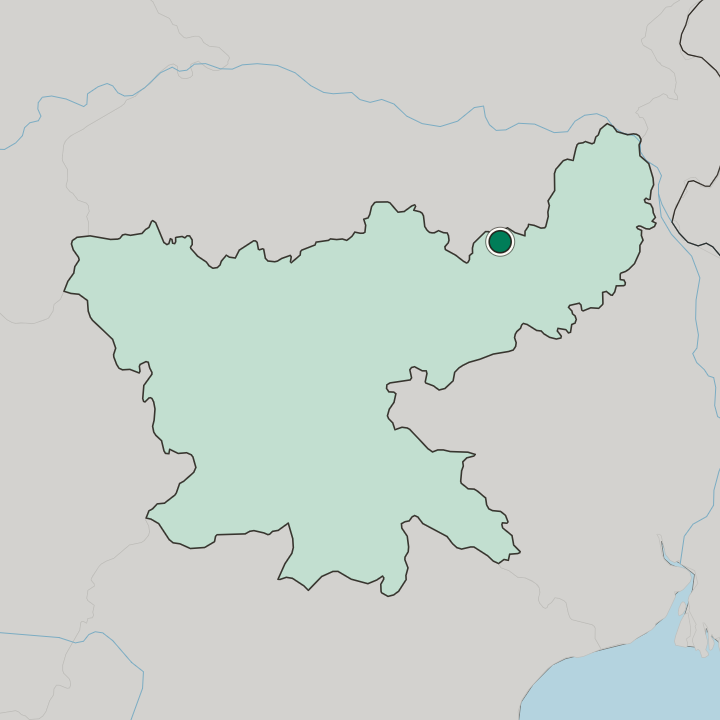
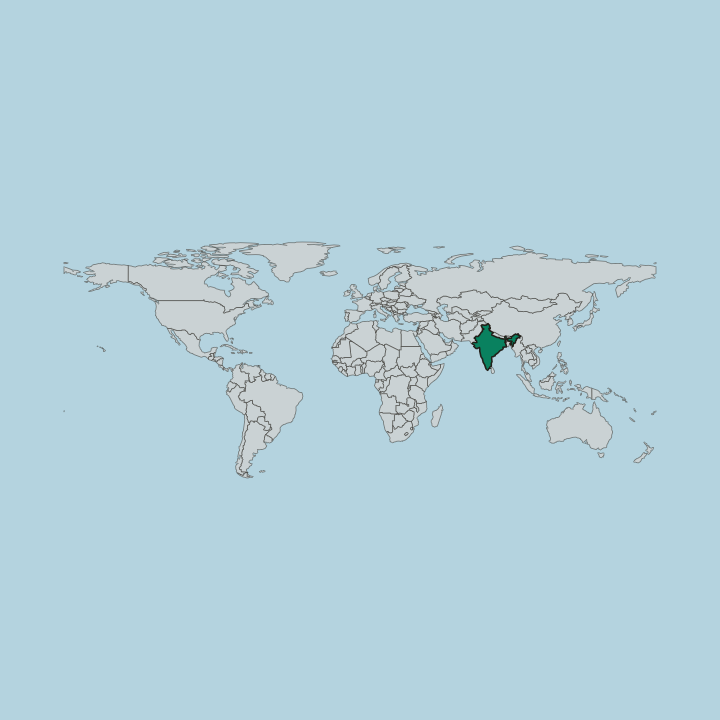
Deoghar spreads wide for a temple town. Roughly 337 square kilometres fall within the municipal area, a spread that takes in far more than the temple quarter and gives Deoghar district a densely used core surrounded by open country. Its climate sits in the subtropical band.
That places Jhārkhand's pilgrimage town outside the true tropics, with a sharper seasonal swing than places closer to the equator experience, and it shows in how the year is structured around the shrine.
What is the climate of Deoghar?
Seasons here have edges. The subtropical setting gives Deoghar a hot stretch, a wet stretch and a cool one that a genuinely tropical town would not get, and pilgrims plan around all three rather than around a single dry window. Rain complicates the walk to the shrine.
Jhārkhand's wet months turn the approaches to the Baidyanath Temple slow and crowded at once, while the cooler part of the year is when most travellers find Deoghar district comfortable to move around in.
How do you get to Deoghar?
Pilgrim routes shape the approach. Deoghar draws visitors from well outside Jhārkhand, and the ways into the town were developed to carry that devotional traffic rather than any commercial flow, which is unusual for a place of this size. Deoghar district is the destination in practice.
Anyone travelling under the name Baidyanath Dham is heading for the same municipal corporation, and travellers who know only one of the two names sometimes miss that they refer to a single place.
Common questions
What is the best area to stay in Deoghar?
Baidyanath Temple approaches: Pilgrims wanting the Jyotirlinga shrine a few minutes from the door. Outer Baidyanath Dham: Quieter nights within walking reach of Baidyanath Dham.
Good for
More cities in State of Jhārkhand
Updated September 2026