India · State of Jhārkhand
Where to Stay in Jamshedpur, State of Jhārkhand
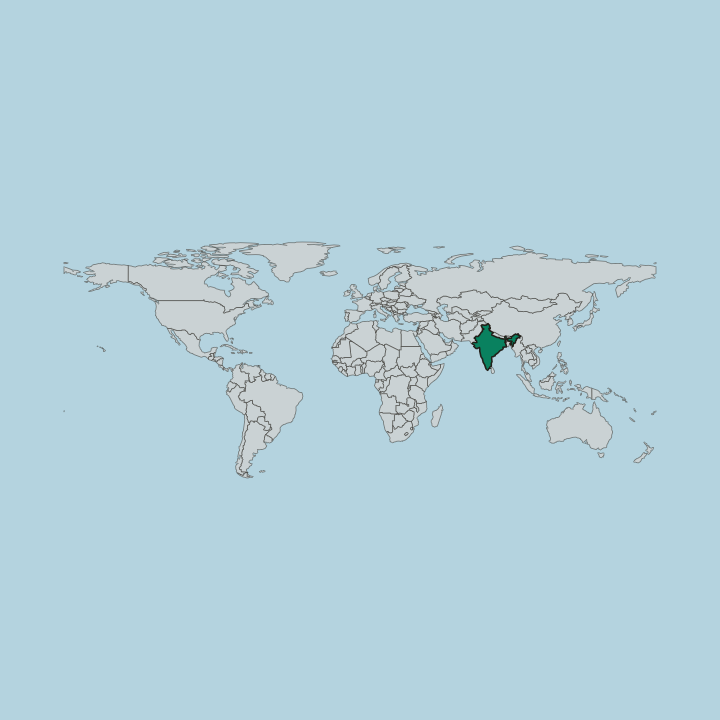
Jamshedpur, also called Tatanagar, is India's first planned steel city, laid out in 1919 between the Swarnarekha and Kharkai rivers.
Hotel links are affiliate links: booking through them may earn us a commission, at no extra cost to you. It never affects how places are ranked. How this works


Where to stay in Jamshedpur
One neighbourhood here has its own guide — here's what it is best for.
 JamshedpurIndia
Jugsālai
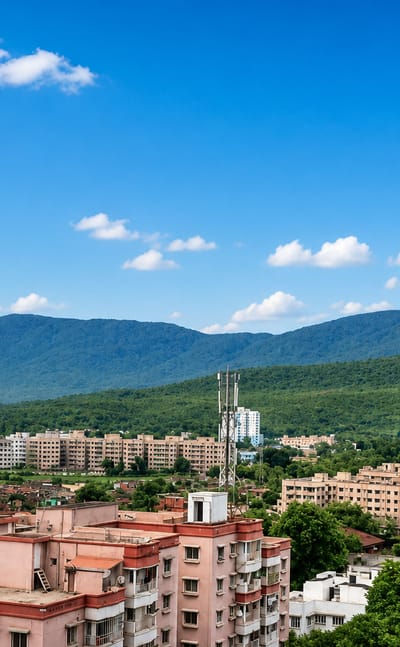
Jugsālai is a township and wholesale business centre beside Tatanagar Railway Station, part of Jamshedpur in Jharkhand, India.Where to stay →Hotel links are affiliate links: booking through them may earn us a commission, at no extra cost to you. It never affects how places are ranked. How this works
Find hotels in Jamshedpur
Direct booking searches for these neighbourhoods.
Bistupur
Tata's showpiece quarter of tree-lined avenues, walkable to the JRD Tata Sports Complex.Find hotels in Bistupurbudget stays near the marketsSakchi
The older market quarter, a short hop from the Tata Steel Zoological Park and its lake.Find hotels in Sakchiquieter riverside nights near the airportSonari
Greener ground along the Swarnarekha under the Dalma Hills, out by the small airfield.Find hotels in SonariHotel links are affiliate links: booking through them may earn us a commission, at no extra cost to you. It never affects how places are ranked. How this works
About Jamshedpur
Steel built this city.
What is Jamshedpur known for?
Tata Steel raised its great works here after 1919, and the company town that grew around the mills became the first planned industrial city in India, drawing workers from across the country. Sport and green space came with the plan. The JRD Tata Sports Complex hosts athletics and football, while the Tata Steel Zoological Park pulls families to its enclosures.
Culture keeps a place too, at the Tribal Culture Centre.
What are the main landmarks in Jamshedpur?
Few monuments, much sport. Jamshedpur's set-piece sites come from the company that built it: the JRD Tata Sports Complex with its track and stadium, and the Tata Steel Zoological Park spread beside a lake. Both draw weekend crowds.
The Tribal Culture Centre gathers the crafts, dance, and instruments of the region's Adivasi communities under one roof, a quieter counterpoint to the stadiums and cages.
What is the history of Jamshedpur?
Jamshedpur began life as a blueprint. Tata Steel chose this spot in 1919 for its ironworks, drawn by the ore of the hills and the water where the Swarnarekha meets the Kharkai, and the firm laid out a whole city before the first furnaces lit. The place still carries its founder's given name.
Workers arrived from every corner of India, and the mills pulled a settlement of tens of thousands of people out of farmland within a single generation. Order was designed into the plan from the very start. The company once ran nearly everything.
Housing, water, parks, and schools all came from Tata rather than a municipality, and for decades Jamshedpur worked less like an ordinary Indian city than like one very large industrial estate. Locals have always called it Tatanagar. Sport grew into a civic religion here, backed by the company, which is why a steel town holds grounds like the JRD Tata Sports Complex.
The plant still sets the city's rhythm, its shifts and sirens marking out each day much as they have since the beginning.
Where is Jamshedpur?
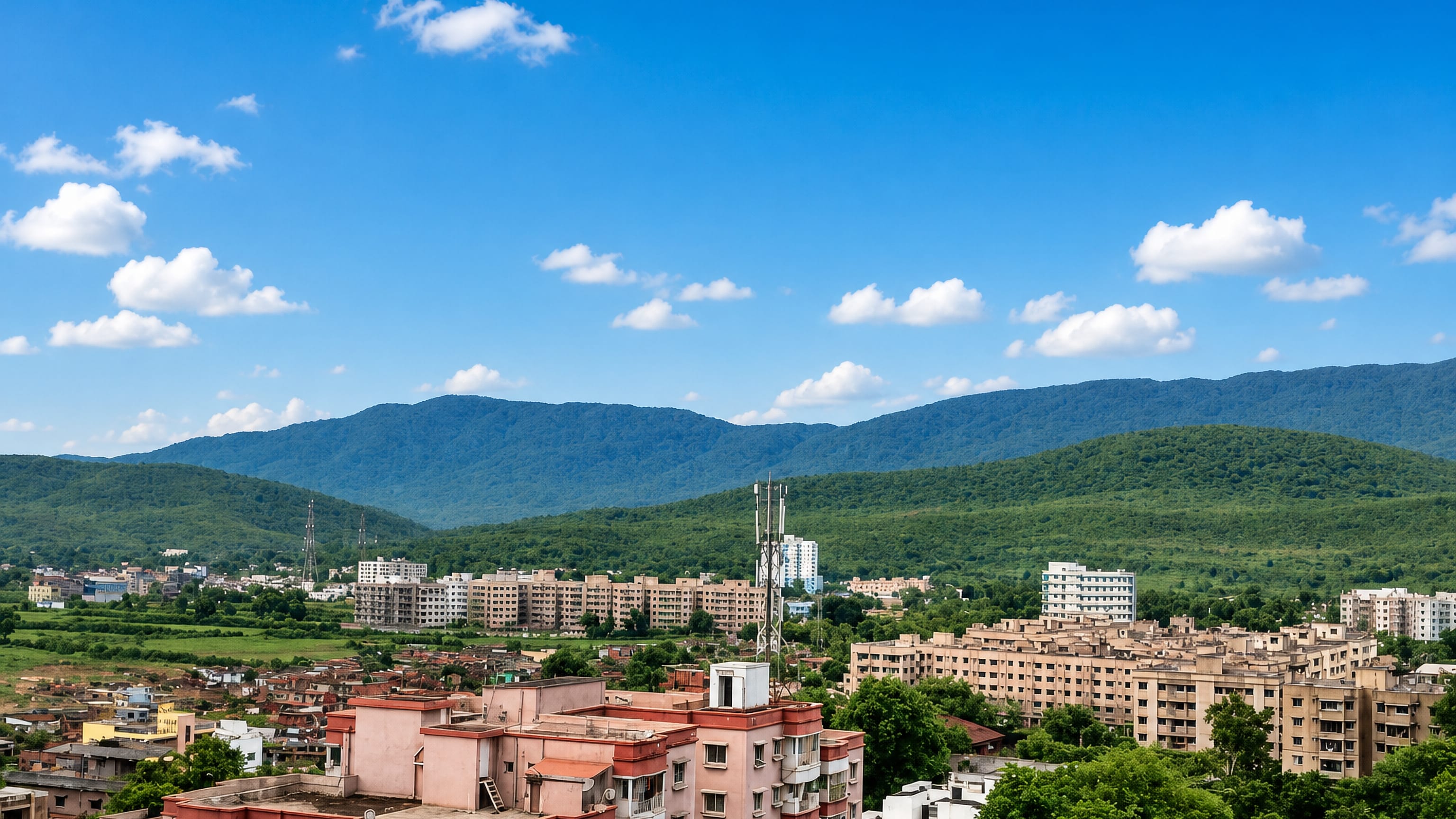
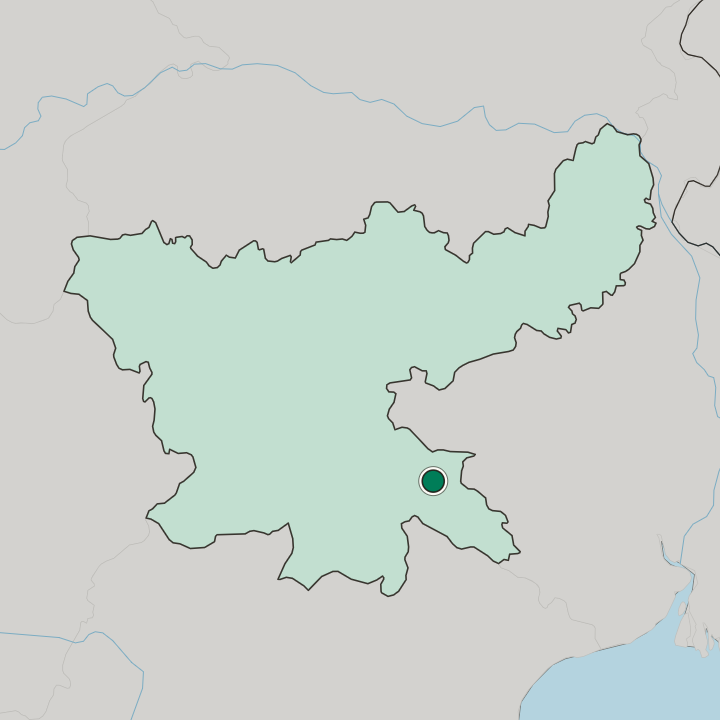
Jamshedpur sits where two rivers meet. The Swarnarekha and the Kharkai join at the city's edge, and their valleys give it flatter ground than the country around. Hills close the view.
The Dalma Hills rise green to the north, wooded and steep, a hard line against the industrial sprawl below. Water and forest hem the plant on almost every side.
What is the climate of Jamshedpur?
Heat and monsoon set the year. Long summers turn fierce before the rains, with the air over the Swarnarekha valley heavy and still, and dust hangs above the streets until the clouds break. The monsoon then soaks everything.
Rivers swell, the Dalma Hills green over, and downpours cool the city for weeks. The short winters stay cool and dry.
How do you get to Jamshedpur?
Rail carries the name. Trains reach Tatanagar Junction from cities across the east, one of the busier stops on the line, and the station name is the city's older one. Steel moves the same way.
Freight and passengers share the tracks that Tata laid to serve the works, while buses grind in from Jharkhand's district towns over slower roads. A small airport sits out at Sonari for the few daily flights.
Common questions
What is the best area to stay in Jamshedpur?
Bistupur: first-timers wanting the planned core and better hotels. Sakchi: budget stays near the markets. Sonari: quieter riverside nights near the airport.
Good for
More cities in State of Jhārkhand
Updated September 2026