India · State of Jhārkhand
Where to Stay in Ranchi, State of Jhārkhand
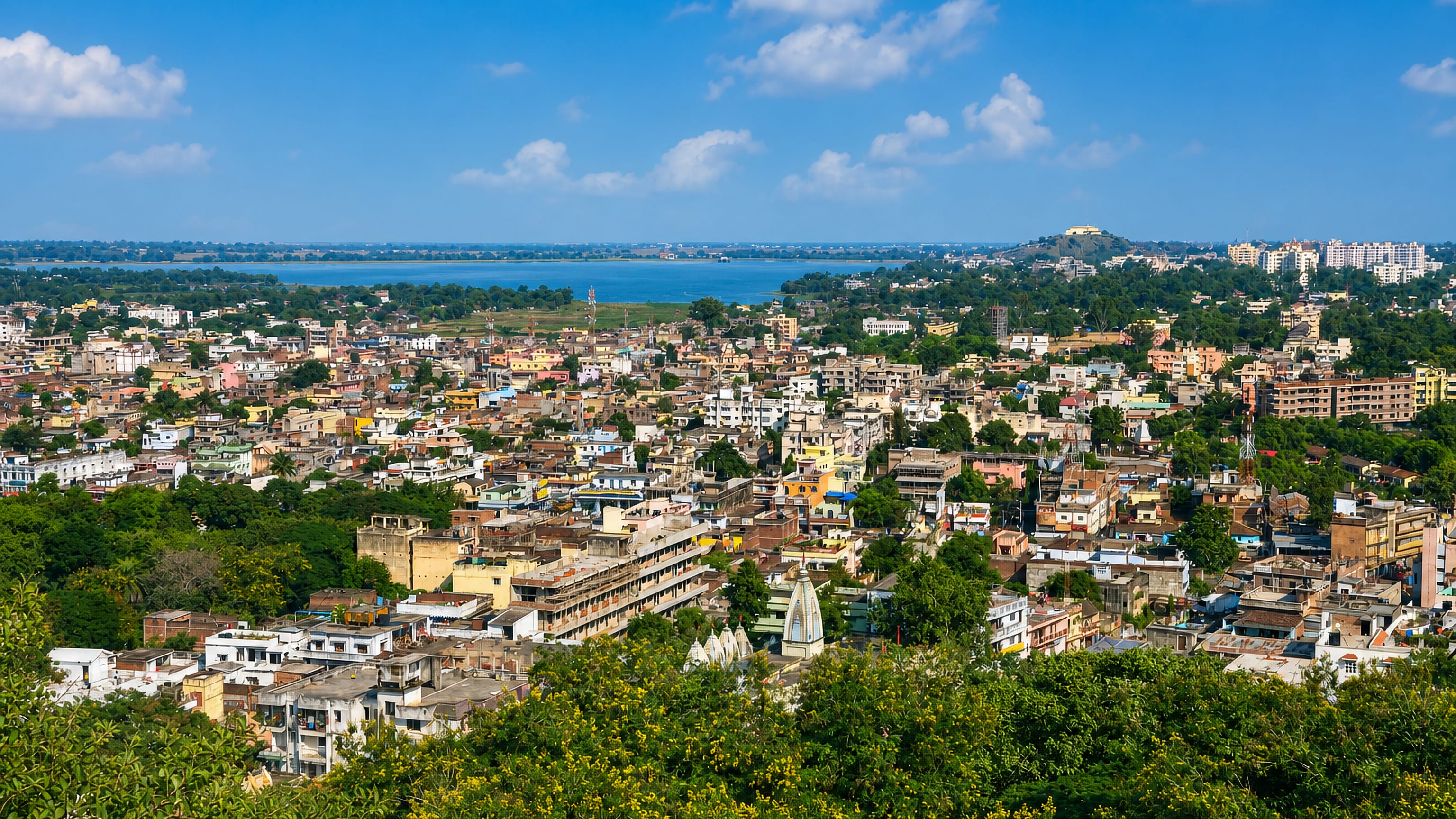
Church spires and museum halls stand across Ranchi, the capital of Jhārkhand in India, known for its tribal museums and the Jhārkhand movement.
Hotel links are affiliate links: booking through them may earn us a commission, at no extra cost to you. It never affects how places are ranked. How this works


Where to stay in Ranchi
How the choice of base plays out on the ground.
Ranchi keeps most of its lodging in and around the city centre, close to the museums and the churches that mark the capital of Jhārkhand. The centre is the natural first base. From here the Ranchi Science Centre and the Tribal Research Institute and Museum are an easy ride, and the markets and offices of a state capital sit within reach, which makes this the simplest place to start for anyone visiting Ranchi for the first time.
Rooms in the central streets fill quickest of all. Quieter ground lies toward the edges. The streets around St Xavier's Church and Christ Church keep a calmer, older character a short remove from the busy heart of the capital, and they suit visitors who want to be near the landmarks rather than the traffic.
Further out, the wider heritage of Jhārkhand sits at the State Museum Hotwar, in the Hotwar quarter on the northern side of the city, a slower base for a longer stay. Beyond the built-up streets, the country of Chota Nagpur opens away from Ranchi. The capital rewards a slower visit.
Its museums repay the time.
Find hotels in Ranchi
Direct booking searches for these neighbourhoods.
The museum centre
The centre of Ranchi holds the Ranchi Science Centre and the Tribal Research Institute and Museum within an easy ride of the state-capital markets and offices.Find hotels in The museum centreA calmer base near St Xavier's Church in RanchiAround the churches
The streets around St Xavier's Church and Christ Church keep an older, quieter character a short remove from the busy heart of Ranchi.Find hotels in Around the churchesLonger stays near the State Museum Hotwar in RanchiThe Hotwar quarter
Hotwar sits on the northern side of Ranchi around the State Museum Hotwar, a slower and more open base away from the central traffic.Find hotels in The Hotwar quarterHotel links are affiliate links: booking through them may earn us a commission, at no extra cost to you. It never affects how places are ranked. How this works
Things to do in Ranchi
Ranked by global recognition; descriptions from Wikidata (CC0).
Museums & Galleries
3- Ranchi Science Centre
- Tribal Research Institute and Museum
- State Museum Hotwar
Churches & Religious Sites
2- St Xavier's Church, Ranchi
- Christ Church, Ranchi
worth knowingacross 2 categories in Ranchi
About Ranchi
What is Ranchi known for?
Ranchi is the capital of Jhārkhand, known for its museums and its part in the making of the state. It gathers the region's memory. The Tribal Research Institute and Museum and the State Museum Hotwar hold the heritage of the surrounding peoples, while the Ranchi Science Centre draws school groups and families.
Faith left a mark as well. St Xavier's Church and Christ Church stand among the older landmarks, and the Jhārkhand movement that called for a separate state gave Ranchi its role as capital.
What are the main landmarks in Ranchi?
Ranchi lines up its landmarks between learning, faith, and memory. The Ranchi Science Centre draws families to its hands-on halls, while the Tribal Research Institute and Museum sets out the culture of the region's peoples. Memory has a second home.
The State Museum Hotwar gathers the wider heritage of Jhārkhand, and the spires of St Xavier's Church and Christ Church mark the older streets of the capital.
What is the history of Ranchi?
Ranchi grew into the chief town of the Chota Nagpur country, the upland heart of what would become Jhārkhand. Its story is a story of statehood. Through the twentieth century the city stood at the centre of the Jhārkhand movement, the long campaign that called for a separate state built from the tribal regions of South Bihar, northern Odisha, western West Bengal, and the eastern edge of Chhattisgarh.
The cause gathered here. Year after year, the demand for a homeland for those communities returned to Ranchi as its natural focus. Statehood came in 2000.
Jhārkhand was carved from the Bihar divisions of Chota Nagpur and Santhal Parganas, and Ranchi, which had led the long campaign, became its capital. The museums followed the new role. The Tribal Research Institute and Museum and the State Museum Hotwar set down the heritage of the peoples the state was made for, while the older spires of St Xavier's Church and Christ Church recall the decades before.
From a regional town to the seat of a new state, Ranchi has held the thread of the Jhārkhand movement.
Where is Ranchi?
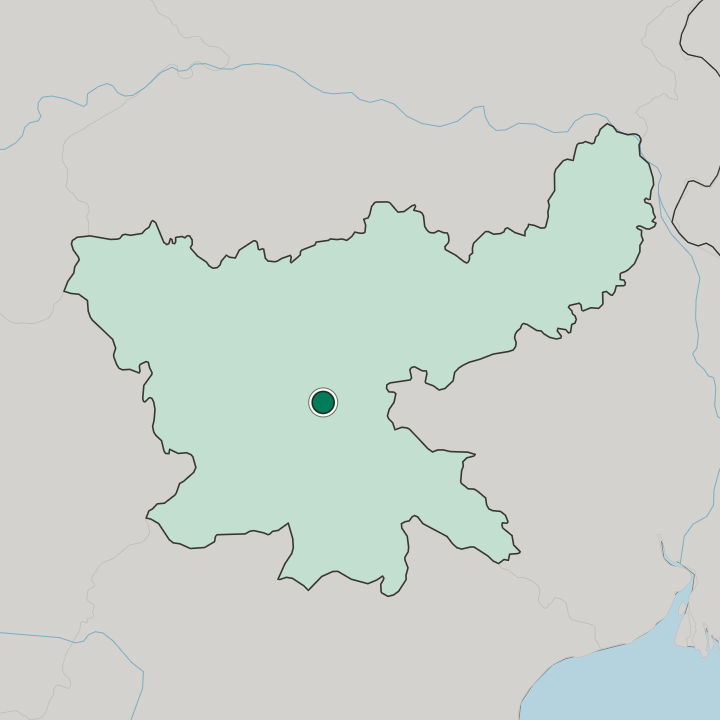
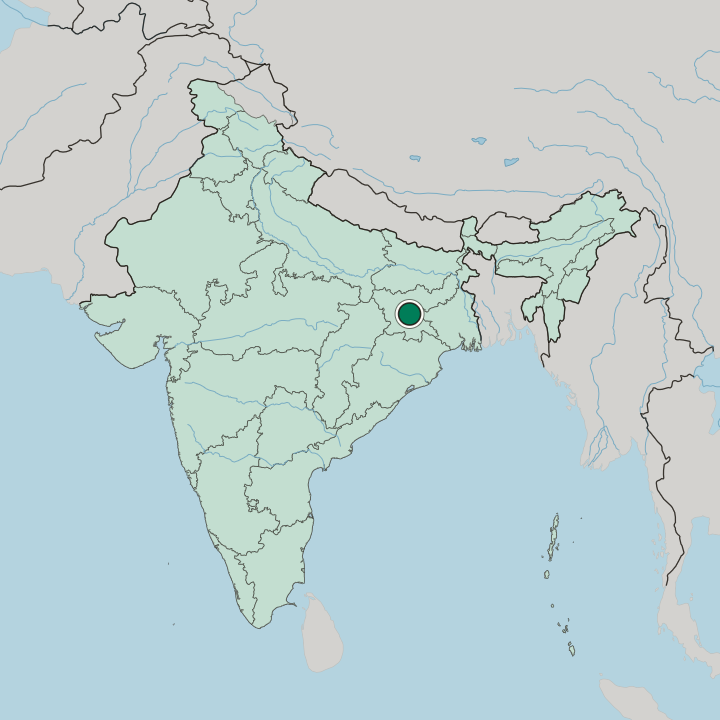
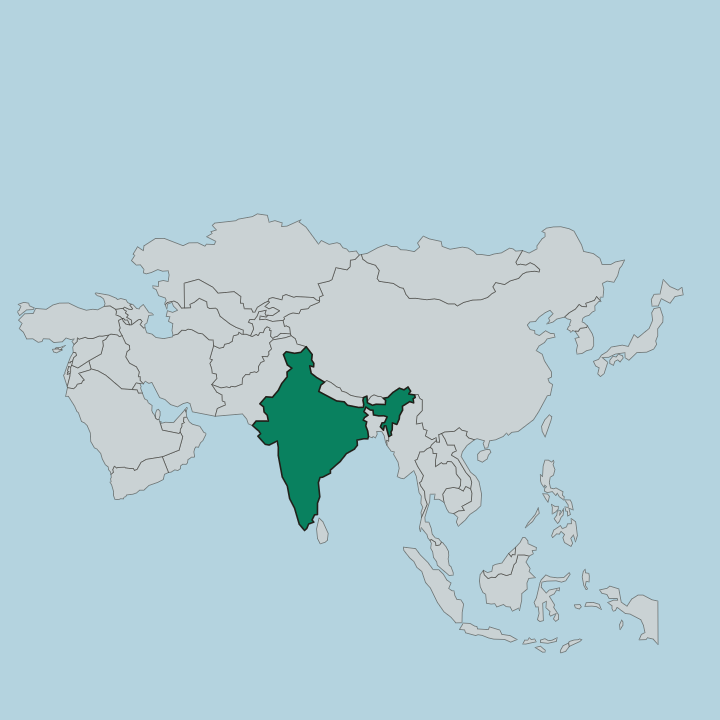
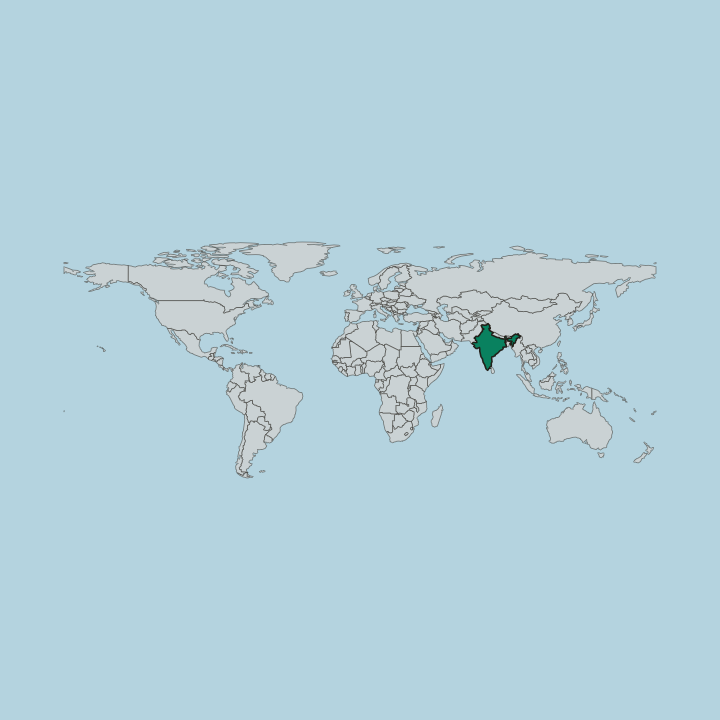
Ranchi lies in the Chota Nagpur region of Jhārkhand, in India, the capital of a state drawn from country that once belonged to Bihar. Its setting is a regional one. The lands that the Jhārkhand movement gathered reached into the tribal country of northern Odisha, western West Bengal, and the eastern edge of Chhattisgarh, and Ranchi stands at the heart of them.
Borders ring the young state. From the capital, the wider country of Chota Nagpur spreads across Jhārkhand toward those neighbouring lands.
What is the climate of Ranchi?
Ranchi has a tropical climate, shaped by a hot season, a wet monsoon, and a short mild winter. The year turns on the rains. The monsoon sweeps across Jhārkhand through the middle months, greening the country of Chota Nagpur before the dry season returns clear and warm over the capital, and it is the rains that most mark the year.
Winters stay gentle. The cooler, drier months are the easiest time to visit the museums and churches of Ranchi.
How do you get to Ranchi?
Ranchi is reached by road and rail as the capital of Jhārkhand, with routes converging on the city from across the region. Trains serve it directly. As the state capital and the focus of the Chota Nagpur country, it sits on the lines that link Jhārkhand to Bihar and the neighbouring states, and these carry most travellers in.
Roads run out to the districts. From the station, the museums and churches of Ranchi lie a short ride across the capital.
Common questions
What is the best area to stay in Ranchi?
The museum centre: First-time stays near the Ranchi Science Centre. Around the churches: A calmer base near St Xavier's Church in Ranchi. The Hotwar quarter: Longer stays near the State Museum Hotwar in Ranchi.
Good for
More cities in State of Jhārkhand
Updated September 2026