India · State of Punjab
Where to Stay in Pathānkot, State of Punjab
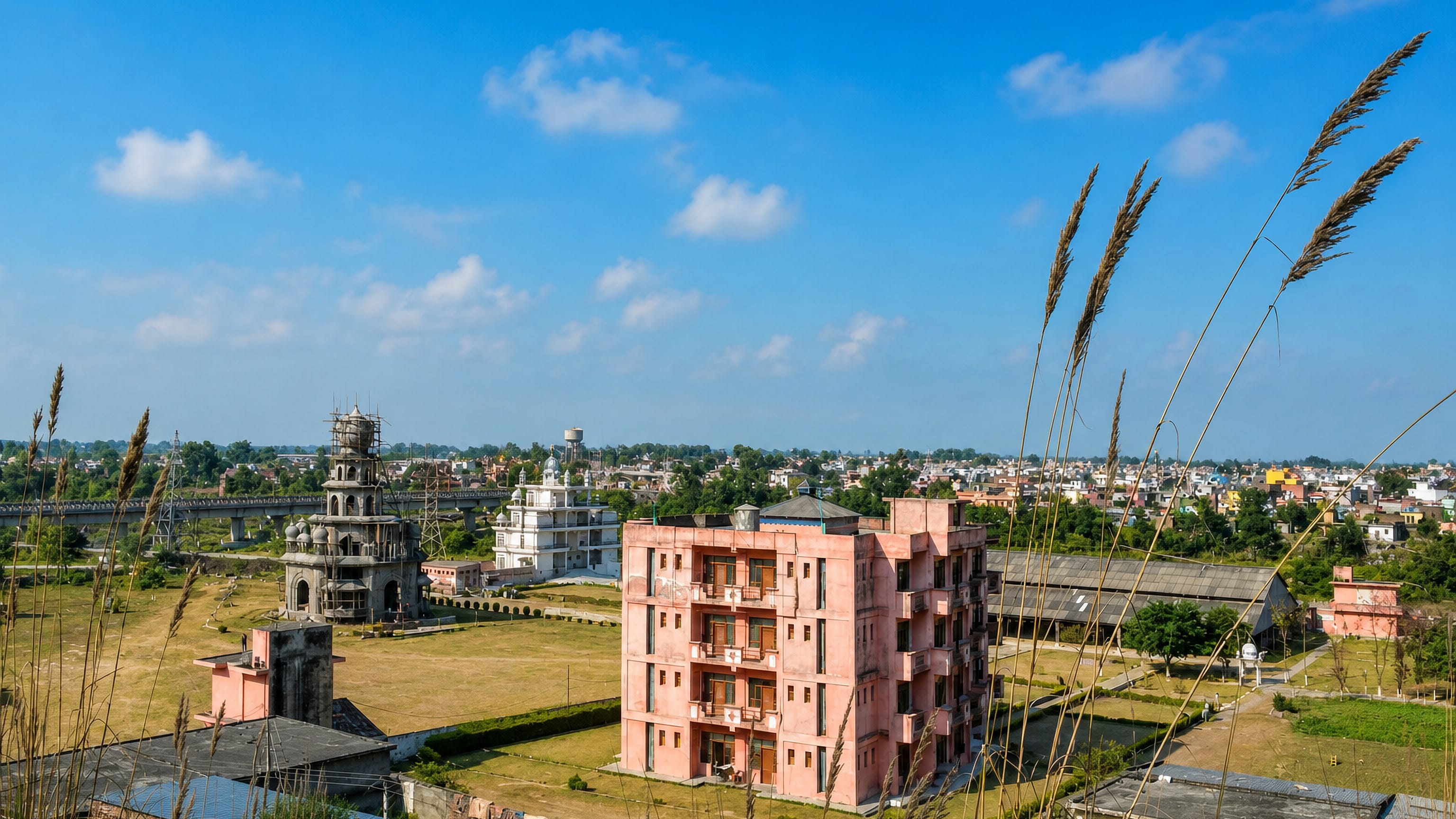
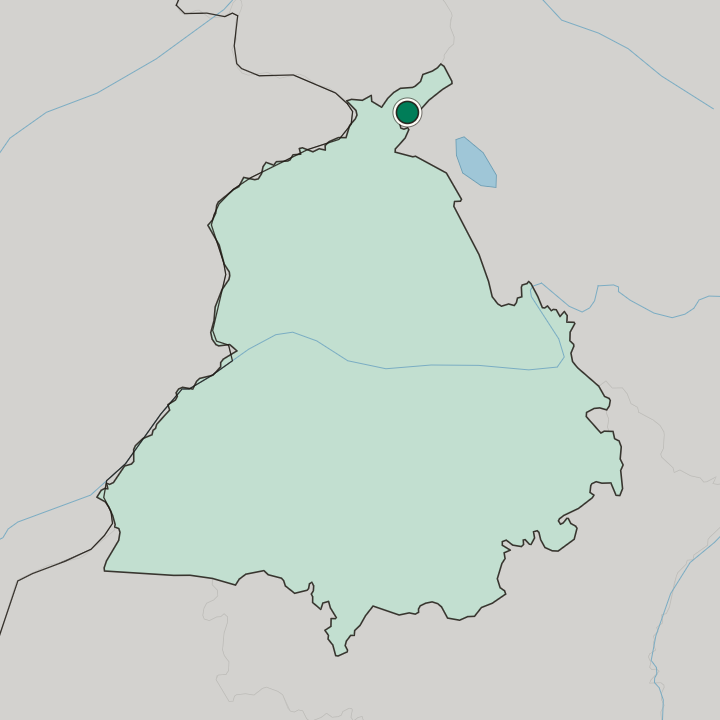
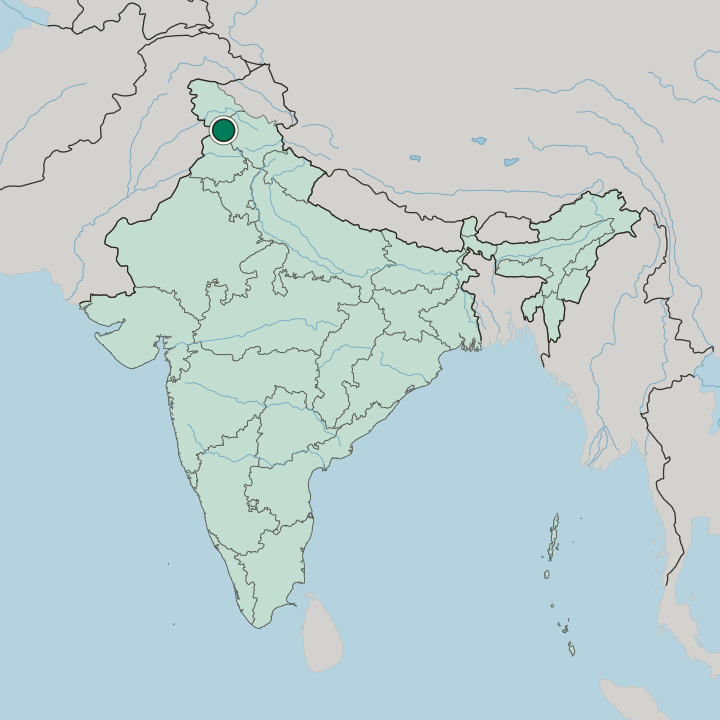
Pathānkot is a city in Punjab, India, headquarters of Pathānkot district and a near neighbour of the Kangra district in Himachal Pradesh.
Hotel links are affiliate links: booking through them may earn us a commission, at no extra cost to you. It never affects how places are ranked. How this works


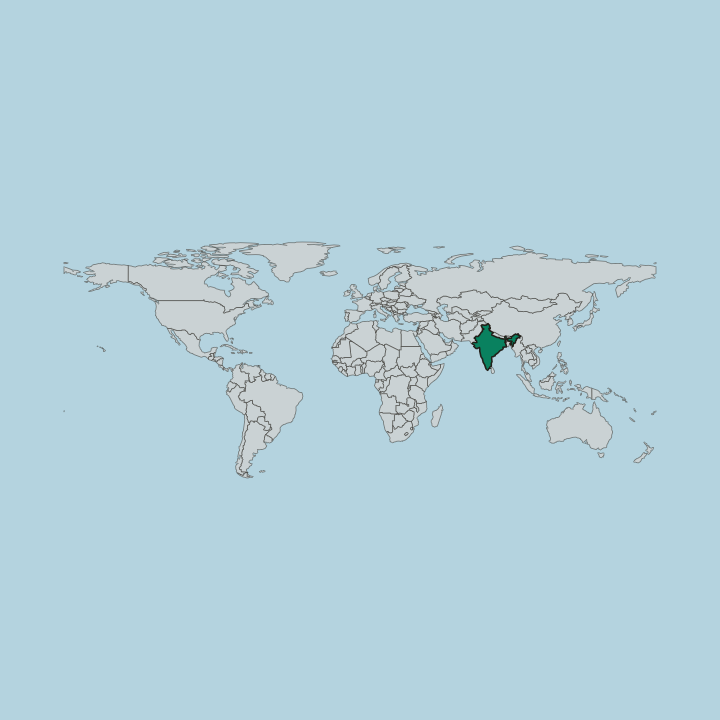
Where to stay in Pathānkot
Where the beds are, and what that means for the visit.
Beds here cluster where the district administration and its errands are, in the built-up core of Pathānkot that the municipal corporation governs. Short stays dominate. Guests are often mid-journey, breaking a run between the Punjab plains and the Kangra district, so rooms lean practical rather than scenic, and the useful question is how close a bed sits to the through-roads rather than which view it faces.
The core is compact enough to cross on foot. Offices that make the city the seat of Pathānkot district, and the lodging that has grown up around them, occupy one dense pocket. Book near that pocket for food and transport.
The other choice is to treat Pathānkot as an approach rather than a destination. Travellers heading into Himachal Pradesh often sleep here for one night and start early, since the hill roads reward an early departure more than a late one, and the plains city offers the simpler bed. Anyone wanting a wider range of hotels has options elsewhere in the state: Amritsar, Jalandhar and Ludhiana all carry far deeper stock, and Bathinda and Patiala are alternatives further into Punjab.
Pathānkot suits you if the hills are the point. Its own inventory is modest.
Find hotels in Pathānkot
Direct booking searches for these neighbourhoods.
Pathānkot city core
The seat of Pathānkot district, with its offices, transport and lodging inside one walkable pocket.Find hotels in Pathānkot city coretravellers whose destination is Himachal Pradesh rather than PunjabThe Himachal Pradesh approach
Last Punjab beds before the road bends toward the Kangra district, useful for an early start into the hills. Rooms are few around here — worth securing early.Find hotels in The Himachal Pradesh approachHotel links are affiliate links: booking through them may earn us a commission, at no extra cost to you. It never affects how places are ranked. How this works
About Pathānkot
Punjab counts few larger cities.
What is Pathānkot known for?
Ludhiana, Amritsar, Jalandhar, Patiala and Bathinda all run ahead of Pathānkot in size, which puts this municipal corporation firmly among the state's principal urban centres without giving it their crowds. Its reputation rests on position rather than monuments. Road traffic bound for the Kangra district and the rest of Himachal Pradesh passes this way, and the city trades on that through-movement as much as on anything within its own limits.
What are the main landmarks in Pathānkot?
No single monument carries the name of Pathānkot. The city's draw is its position at the Punjab boundary, within easy reach of the Kangra district, so the sights most visitors come for stand across the line in Himachal Pradesh rather than in the streets here. What the city offers is function.
Administrative buildings of Pathānkot district, the offices of its municipal corporation, and the approaches to the hills make up the ordinary fabric, and travellers generally treat them as a stop rather than a stay.
What is the history of Pathānkot?
Age is the one thing Pathānkot's file cannot supply. Its documented history is administrative rather than dynastic, and the city appears in the record as a seat of government for the surrounding country rather than as the capital of a kingdom or the site of a famous siege. The district it heads carries its name.
Pathānkot district was drawn within Punjab with this city as its headquarters, and that single fact shapes almost everything else, the offices, the paperwork, and the through-traffic all follow from it. Boundaries explain more than battles here. Where a line is drawn on the map decides which towns become seats of authority and which stay villages, and Pathānkot fell on the useful side of that question.
Geography supplied the rest. Punjab runs up against Himachal Pradesh here, and the Kangra district begins a short way beyond, so Pathānkot has long been a place people pass through rather than one they set out for. Growth came with the modern state.
Ludhiana, Amritsar, Jalandhar, Patiala and Bathinda all grew larger, and Pathānkot settled into the rank just behind them, large enough to warrant a municipal corporation of its own.
Where is Pathānkot?
Plains give out here. Pathānkot occupies the flat country at the top of Punjab, where the fields run into ground that rises toward the Kangra district, and the change in terrain across a short distance is the defining fact of its setting. Himachal Pradesh begins close by.
That proximity puts the city in a subtropical belt of India that behaves like the plains for most purposes, while the hills shaping its weather and its traffic stand a short way beyond the built-up edge.
What is the climate of Pathānkot?
The monsoon sets the calendar. Pathānkot sits in the subtropical band, so the year swings from a hot, dry build-up before the rains to a wet spell when moisture pushed against the hills of Himachal Pradesh unloads on the plains below. Winters cool sharply.
Cold air off the higher ground of the Kangra district makes mornings here sharper than the plains average, and the contrast between seasons is wide rather than subtle.
How do you get to Pathānkot?
Approaches come from the plains. Traffic reaches Pathānkot from the Punjab side, through the belt of cities that includes Jalandhar and Amritsar, and continues from here toward the Kangra district and the rest of Himachal Pradesh. Most arrivals are onward-bound.
The city works as a change of pace between plains travel and hill travel, which is why so many journeys stop here for an hour or a night before carrying on into the mountains.
Common questions
What is the best area to stay in Pathānkot?
Pathānkot city core: one-night stops before the Kangra district climb. The Himachal Pradesh approach: travellers whose destination is Himachal Pradesh rather than Punjab.
More cities in State of Punjab
Updated September 2026