India · State of Punjab
Where to Stay in Amritsar, State of Punjab
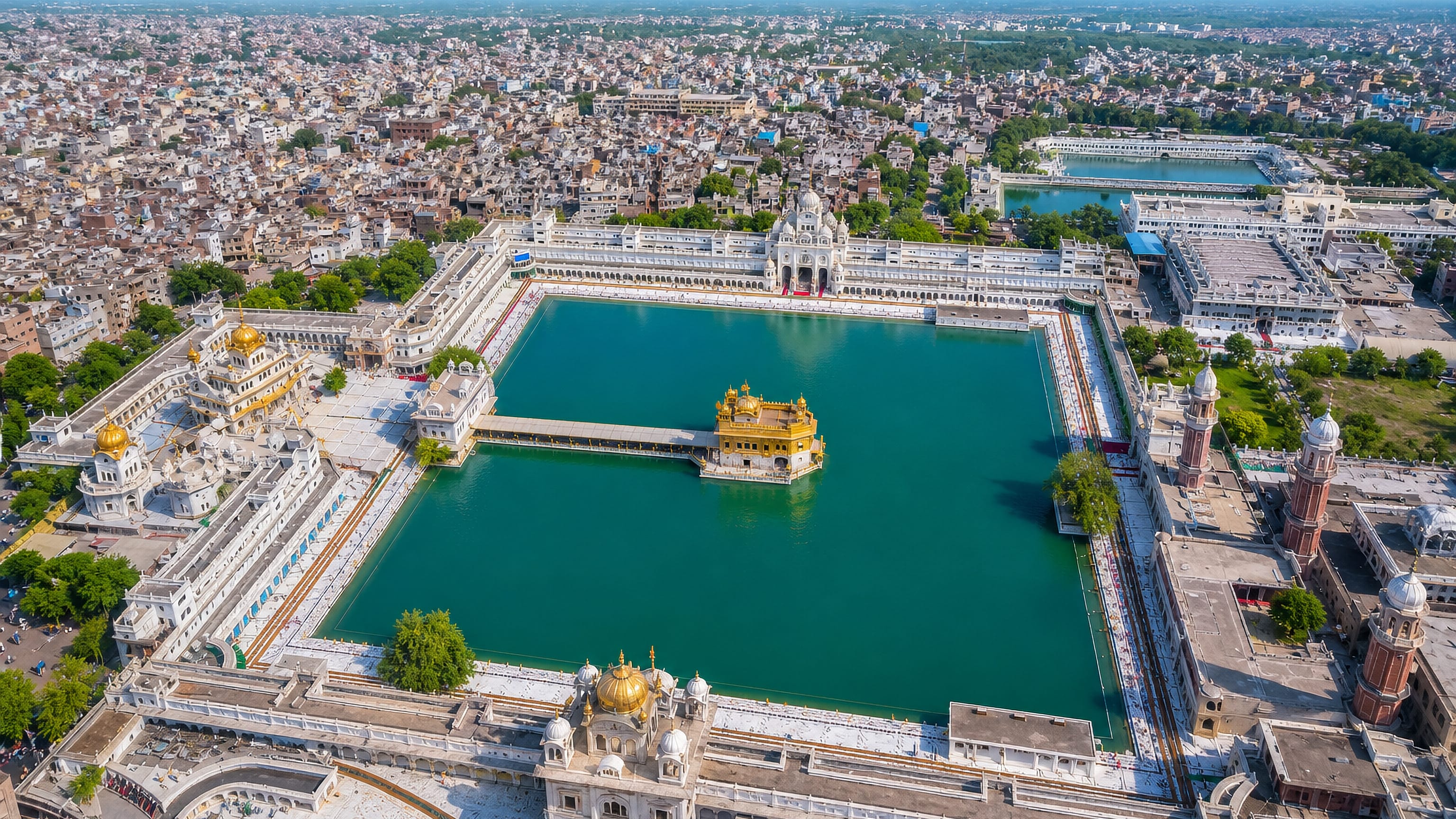
The Golden Temple draws pilgrims to Amritsar, a city in the Majha region of Punjab, known for Jallianwala Bagh and Gobindgarh Fort.
Hotel links are affiliate links: booking through them may earn us a commission, at no extra cost to you. It never affects how places are ranked. How this works


Where to stay in Amritsar
How the choice of base plays out on the ground.
Amritsar folds inward toward the Golden Temple, and where you stay depends on how close you want to be to the shrine. The old walled core holds the temple, Jallianwala Bagh, and the lanes of the bazaar. You sleep among pilgrims here.
Rooms cluster within walking reach of the temple gates, so the morning prayer carries into the streets and the food halls stay busy through the night. This is the quarter for anyone who wants the shrine on foot and the old bazaar at the door. Beyond the walls, the ground opens toward Gobindgarh Fort and the newer avenues that run out across the Majha plain.
The fort quarter trades the crush of the old city for wider roads and quieter nights, with the Partition Museum and the Central Sikh Museum still within easy reach. It suits travellers who want the landmarks of Amritsar without the density of the temple lanes, and who do not mind a short ride back to the shrine.
Find hotels in Amritsar
Direct booking searches for these neighbourhoods.
The old walled core
The lanes inside the walls hold the Golden Temple, Jallianwala Bagh, and the food halls within a few minutes' walk.Find hotels in The old walled coreTravellers after wider avenues and quieter nights off the temple lanesThe Gobindgarh Fort quarter
The ground around Gobindgarh Fort keeps the Partition Museum and the Central Sikh Museum near roads that run out onto the Majha plain.Find hotels in The Gobindgarh Fort quarterHotel links are affiliate links: booking through them may earn us a commission, at no extra cost to you. It never affects how places are ranked. How this works
Things to do in Amritsar
Ranked by global recognition; descriptions from Wikidata (CC0).
Museums & Galleries
3- Partition Museum
- Bhai Vir Singh Memorial House
- Central Sikh Museum
Castles & Historic Sites
1- Ramgarhia bunga
Parks & Gardens
1- Gobindgarh Fort
worth knowingacross 3 categories in Amritsar
About Amritsar
What is Amritsar known for?
Amritsar is the spiritual centre of Sikhism and the holiest city of that faith. Pilgrims come for the Golden Temple. Jallianwala Bagh, the walled garden beside it, marks the killings of 1919, and the Partition Museum records the upheaval that split the Majha region from Lahore.
Gobindgarh Fort holds the old military heart of the city, while the Central Sikh Museum and the Bhai Vir Singh Memorial House gather the art and memory of Punjab.
What are the main landmarks in Amritsar?
The landmarks of Amritsar gather around the Golden Temple and the memory of Punjab. Jallianwala Bagh lies beside it. The garden's walls still carry the marks of 1919, and the Partition Museum nearby holds the record of the split with Lahore.
Gobindgarh Fort guards the western approach, its bastions dating to the old military city. The Ramgarhia bunga, the Central Sikh Museum, and the Bhai Vir Singh Memorial House round out the built heritage of the Majha city.
What is the history of Amritsar?
Amritsar took shape in 1574 around the sacred pool that gave the city its name and the Golden Temple its setting. The town grew as the spiritual seat of Sikhism, drawing pilgrims across the Majha plain of Punjab. Trade followed the faith.
Gobindgarh Fort rose to guard the growing city, and the walled bazaar filled the ground between fort and shrine as caravans moved between the shrine and Lahore to the west. The modern history of the city turns on two hard events. In 1919 the killings at Jallianwala Bagh, in a walled garden a short walk from the temple, hardened the movement against colonial rule and left a mark the Partition Museum still records.
The partition of 1947 cut the Majha region from Lahore and sent columns of refugees through Amritsar in both directions. The Central Sikh Museum and the Bhai Vir Singh Memorial House keep the longer memory, of the poets, soldiers, and gurus who made the city the heart of Punjab.
Where is Amritsar?
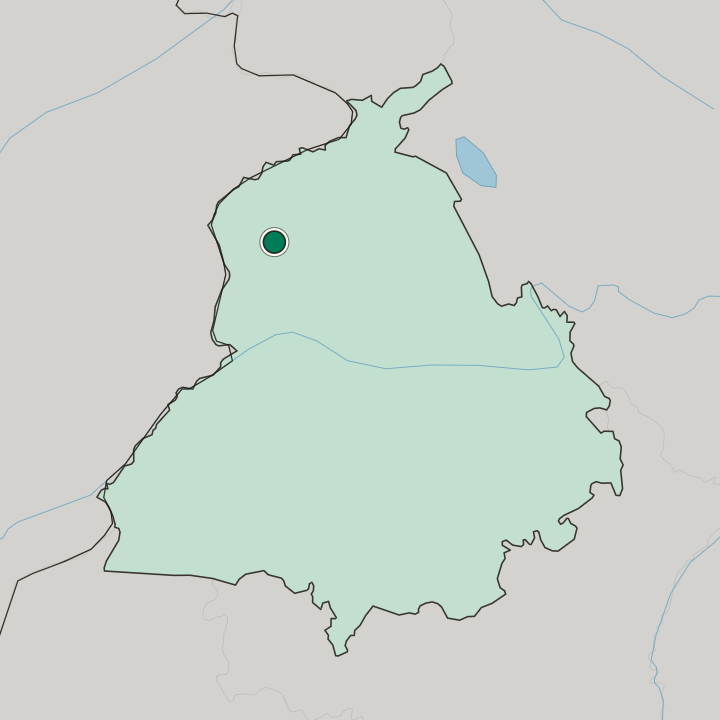
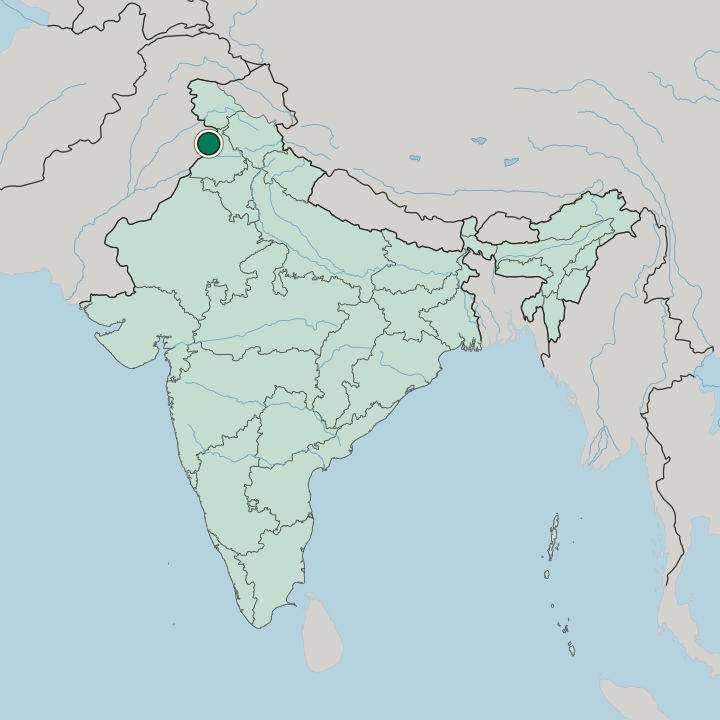
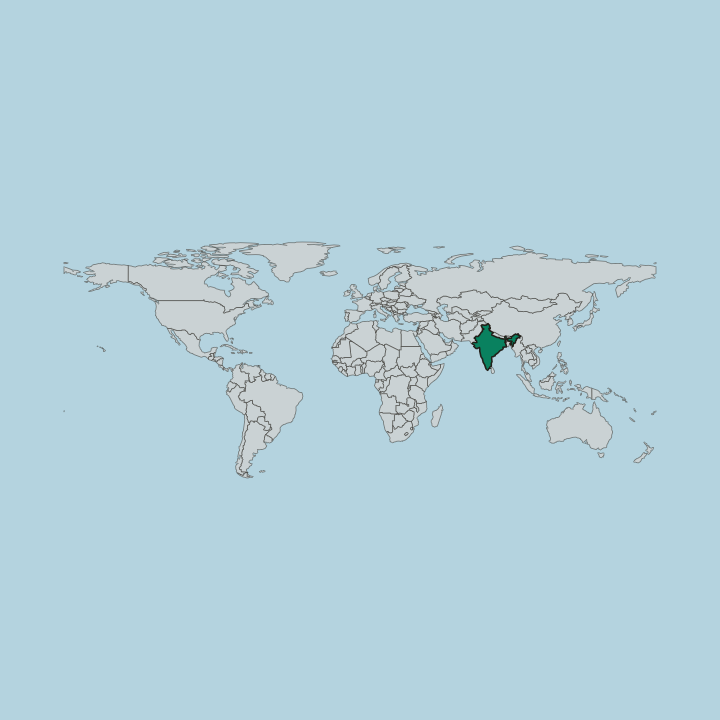
Amritsar lies in the Majha region of Punjab, on the flat plain of north-western India near the border with Pakistan. The land runs level in every direction, worked farmland reaching toward Lahore in the west. Chandigarh sits to the south-east. The subtropical plain gives the city hot open summers and cool winters, with the Golden Temple and Gobindgarh Fort standing above ground that barely rises.
What is the climate of Amritsar?
Amritsar has the subtropical climate of the inland Punjab plain. Summers run long and very hot before the monsoon rains break over the Majha region and bring humid, heavy weeks of downpour. Winters turn cool and dry.
Morning fog settles across the flat farmland around the city, and the pilgrim crowds at the Golden Temple thin in the cold months before returning as the plains warm again toward Lahore in the west.
How do you get to Amritsar?
Amritsar sits on the main road and rail corridor that crosses Punjab toward the Pakistan border. Trains reach the city from across northern India. The line runs on west through Amritsar toward the frontier and Lahore beyond, while a busy airport serves pilgrims flying in for the Golden Temple.
Roads fan out across the Majha plain, linking the city south-east to Chandigarh and on to the wider network of northern India.
Common questions
What is the best area to stay in Amritsar?
The old walled core: Pilgrims and first visitors who want the shrine and bazaar on foot. The Gobindgarh Fort quarter: Travellers after wider avenues and quieter nights off the temple lanes.
Good for
More cities in State of Punjab
Updated September 2026