India
State of Punjab, India — Towns & Travel Guide
Punjab is India's land of five rivers, the Sikh heartland where the Golden Temple of Amritsar draws pilgrims from across the world.
Hotel links are affiliate links: booking through them may earn us a commission, at no extra cost to you. It never affects how places are ranked. How this works


Towns & cities in State of Punjab
Pick a town or city — each links to where to stay.

 India
India
Ludhiana
Ludhiana is a city of Punjab in India, the great industrial town of the state, a busy maker of cloth and bicycles on the old bank of the Sutlej.Where to stay →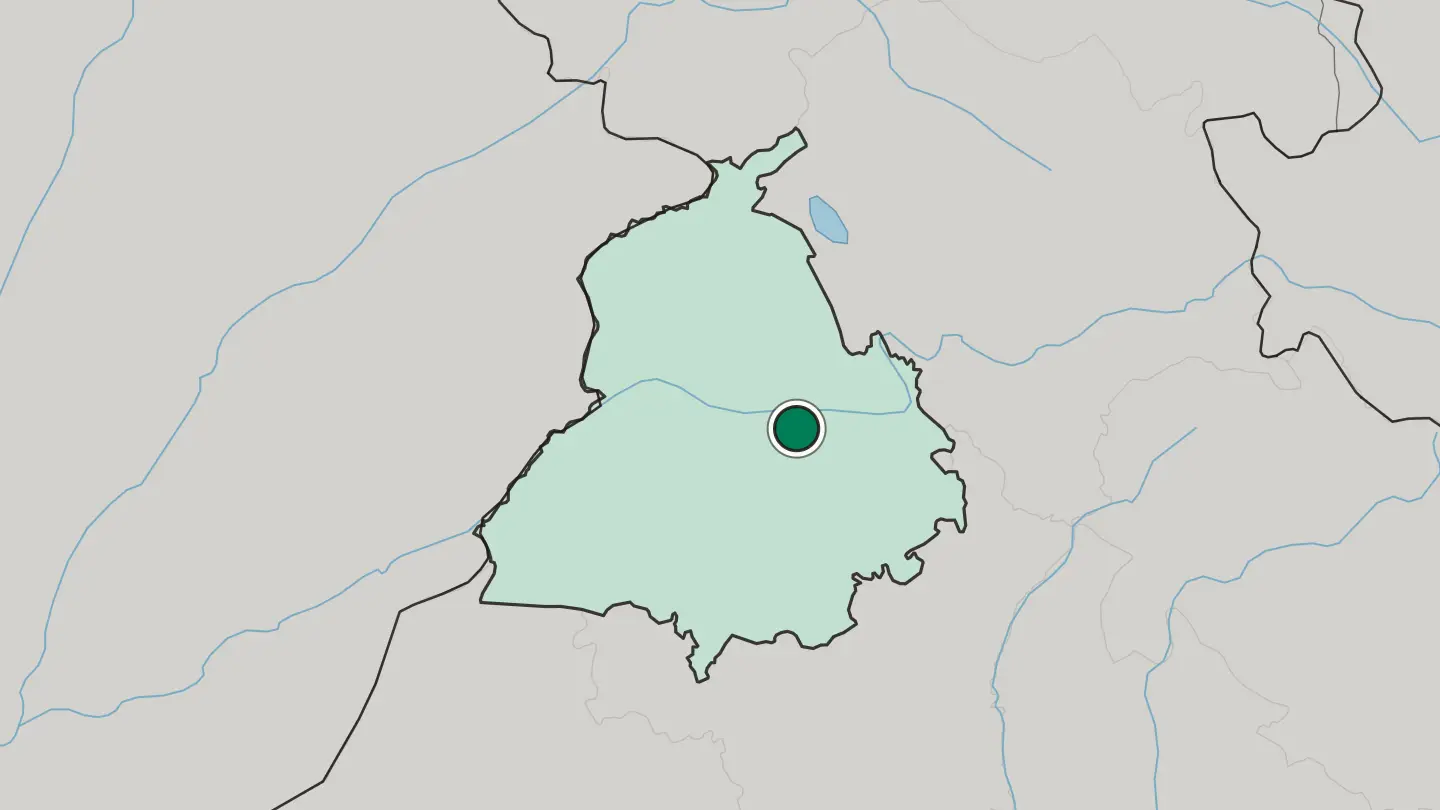
 India
India
Amritsar
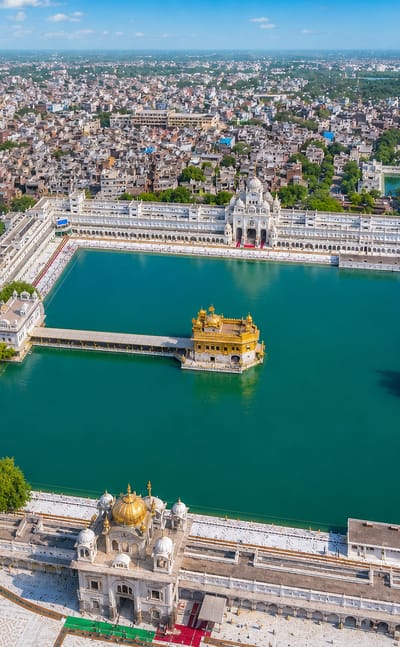
The Golden Temple draws pilgrims to Amritsar, a city in the Majha region of Punjab, known for Jallianwala Bagh and Gobindgarh Fort.Where to stay →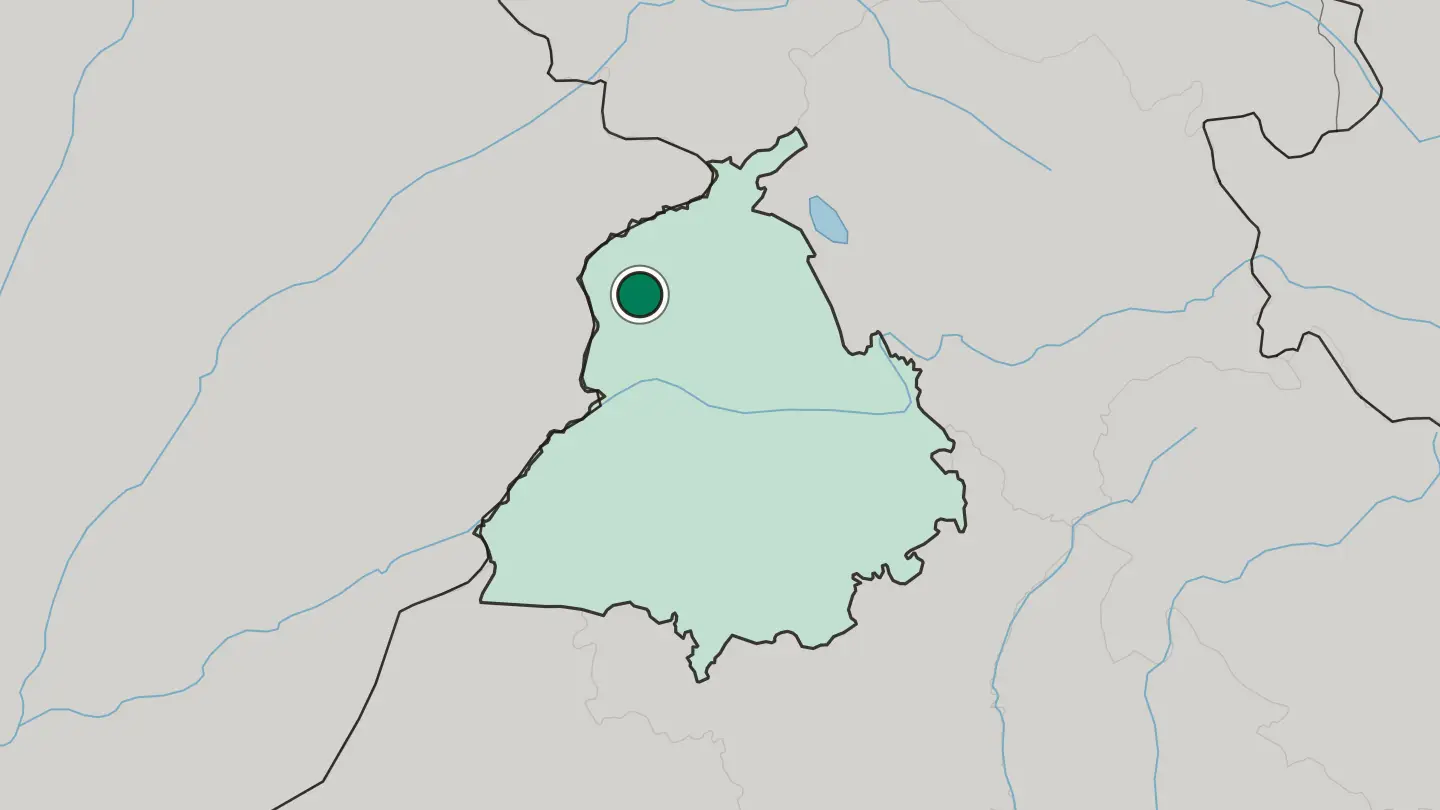
 India
India
Jalandhar
Jalandhar is the largest city of the Doaba region of Punjab, a rail and road junction standing alongside the historical Grand Trunk Road.Where to stay →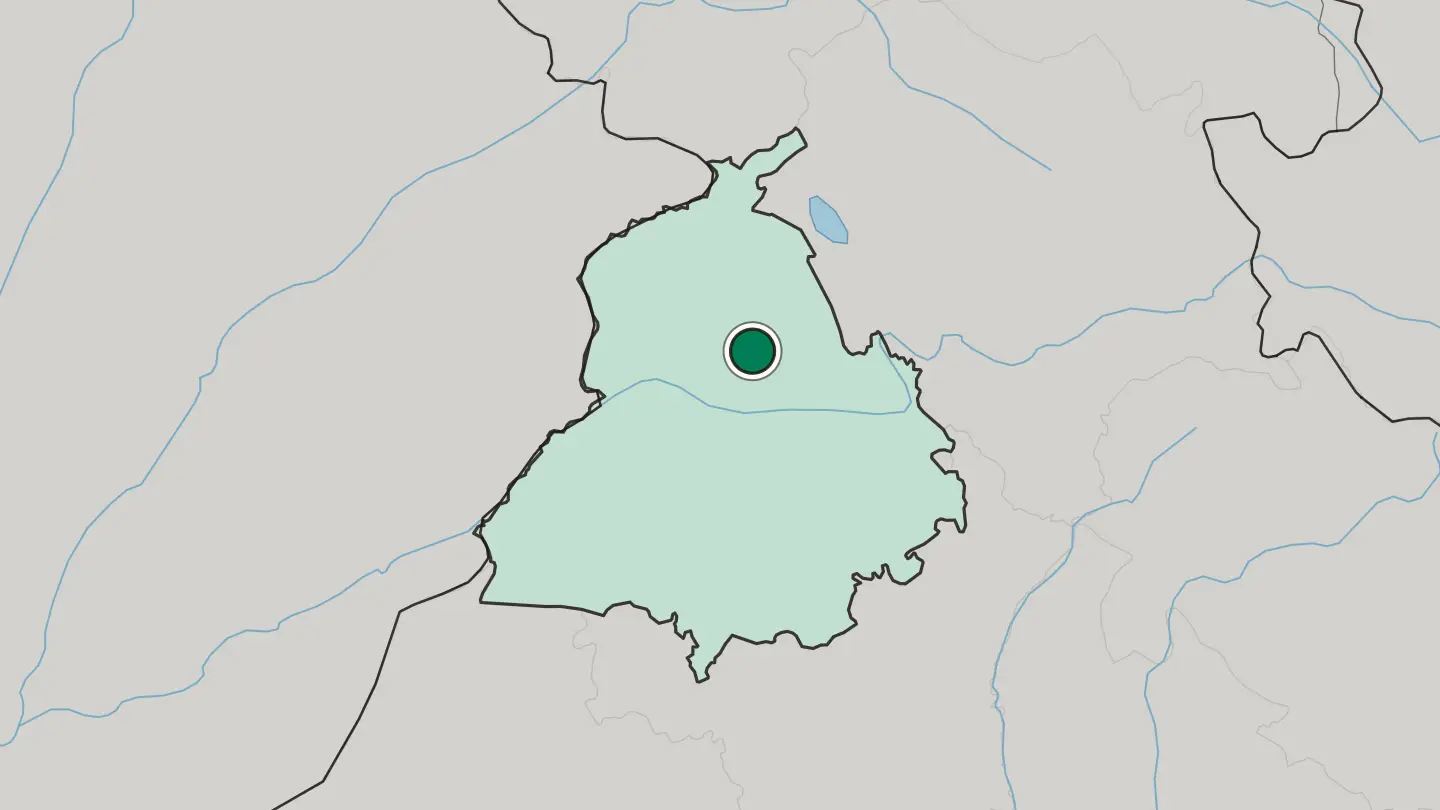
 India
India
Patiāla
Patiāla is a Punjab city built around Qila Mubarak, the fort of Ala Singh, whose dynasty founded Patiala State and gave the place its name.Where to stay →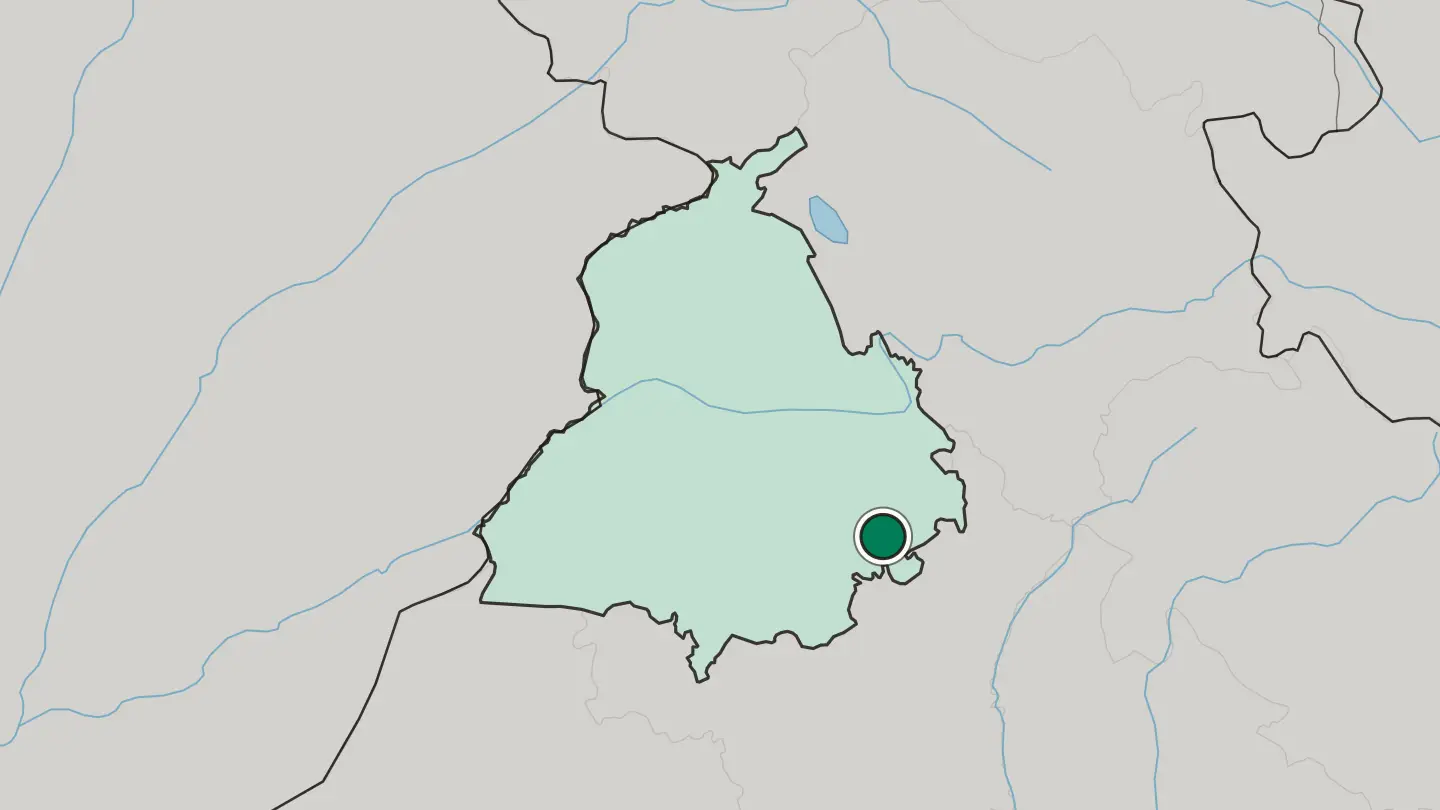
 India
India
Pathānkot
Pathānkot is a city in Punjab, India, headquarters of Pathānkot district and a near neighbour of the Kangra district in Himachal Pradesh.Where to stay →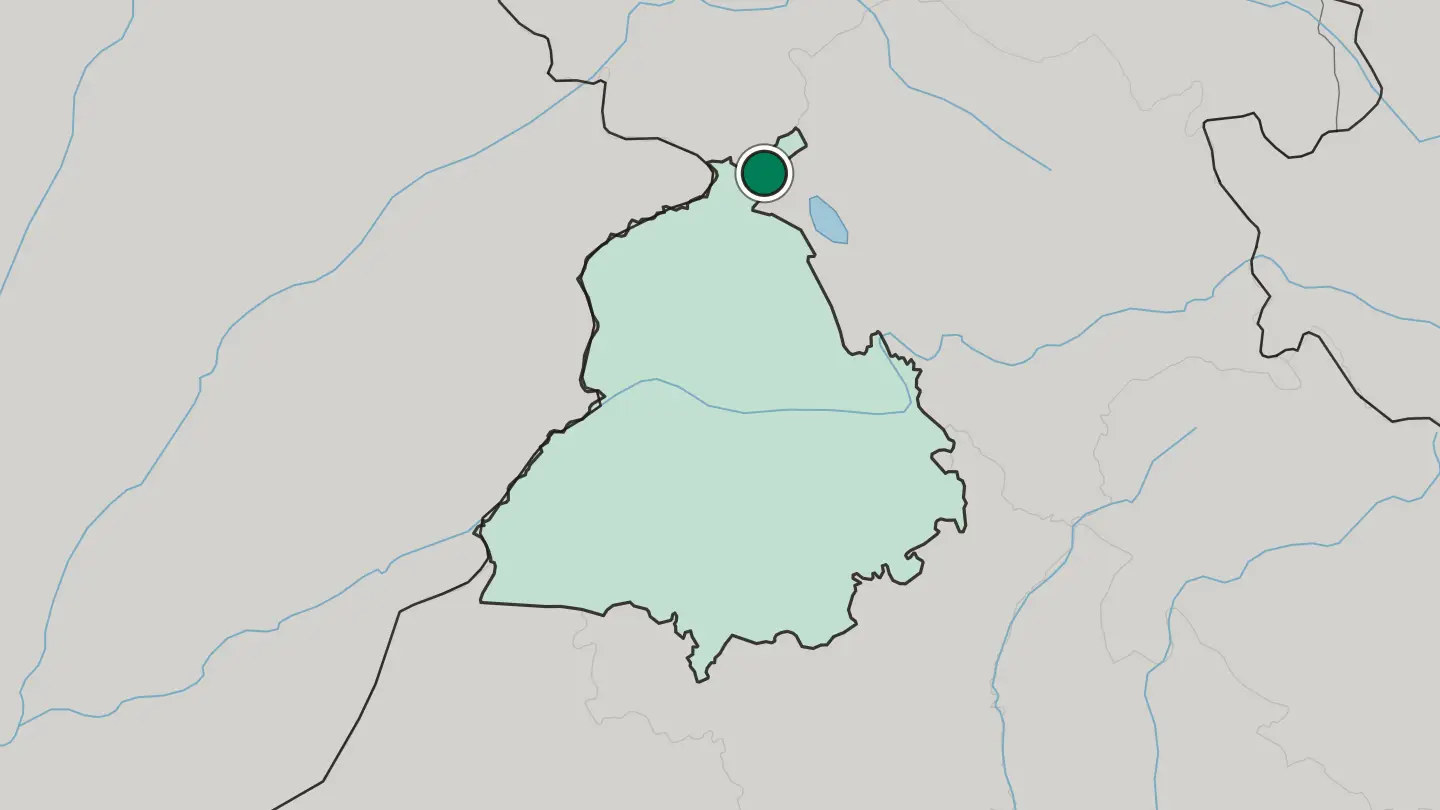 India
India
Hoshiārpur
Hoshiārpur is a city in the Doaba region of Punjab, founded by tradition in the fourteenth century and standing above the river plains at 300 metres.Where to stay →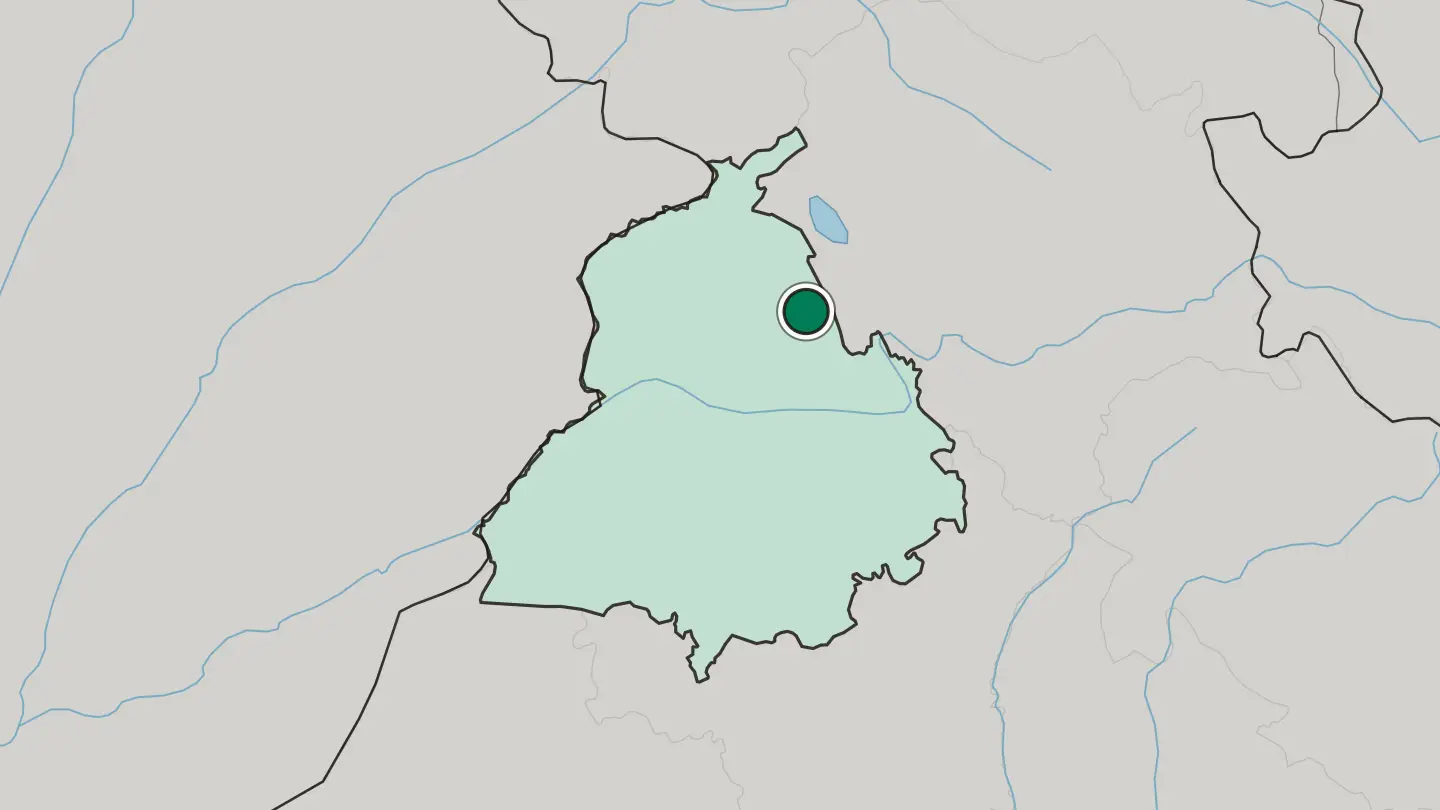
 India
India
Mohali
Mohali, officially Sahibzada Ajit Singh Nagar, is a planned city south-west of Chandigarh and the headquarters of the Mohali district in Punjab.Where to stay →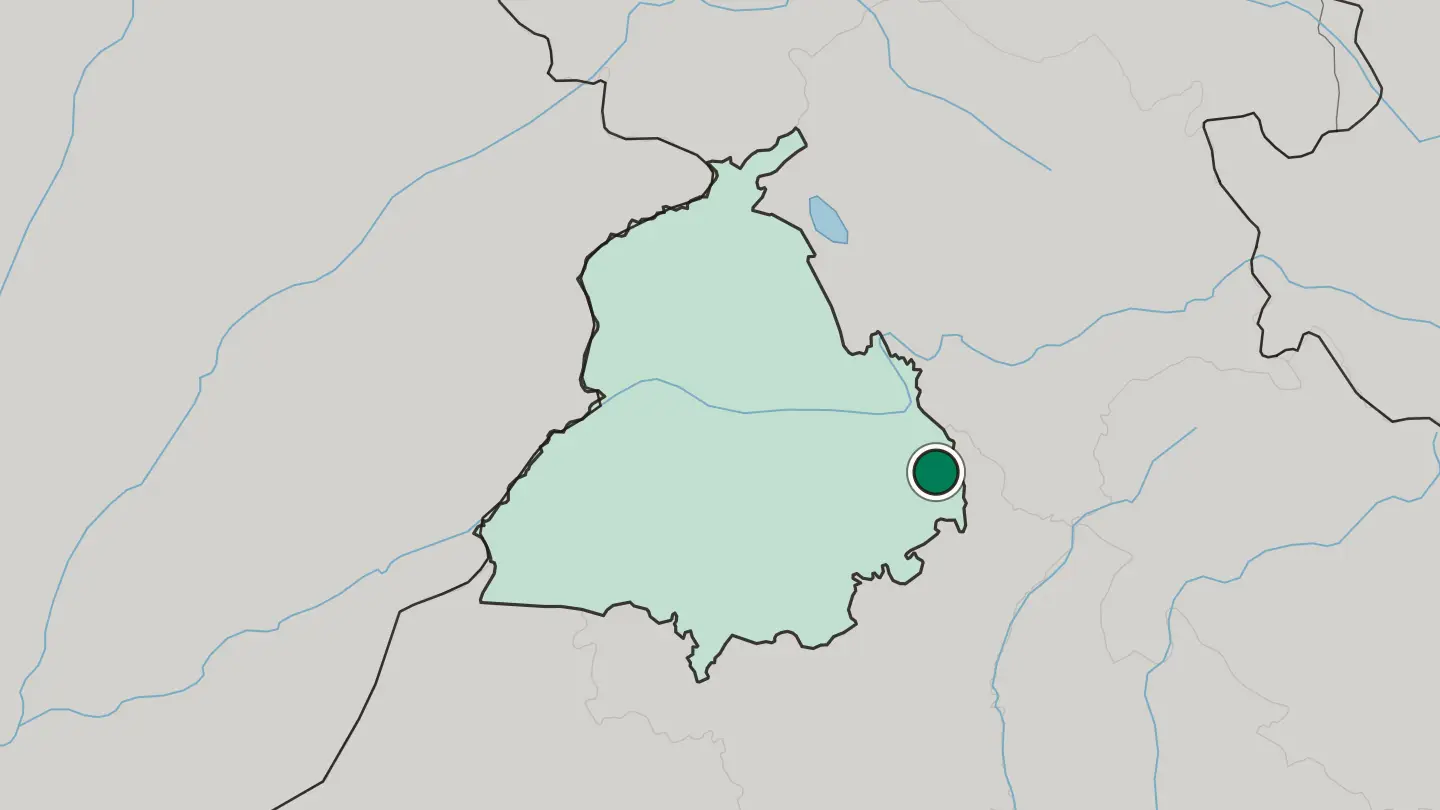
 India
India
Moga
Moga is a city in the Indian state of Punjab, headquarters of Moga district since 1995 and a stop on National Highway 95.Where to stay →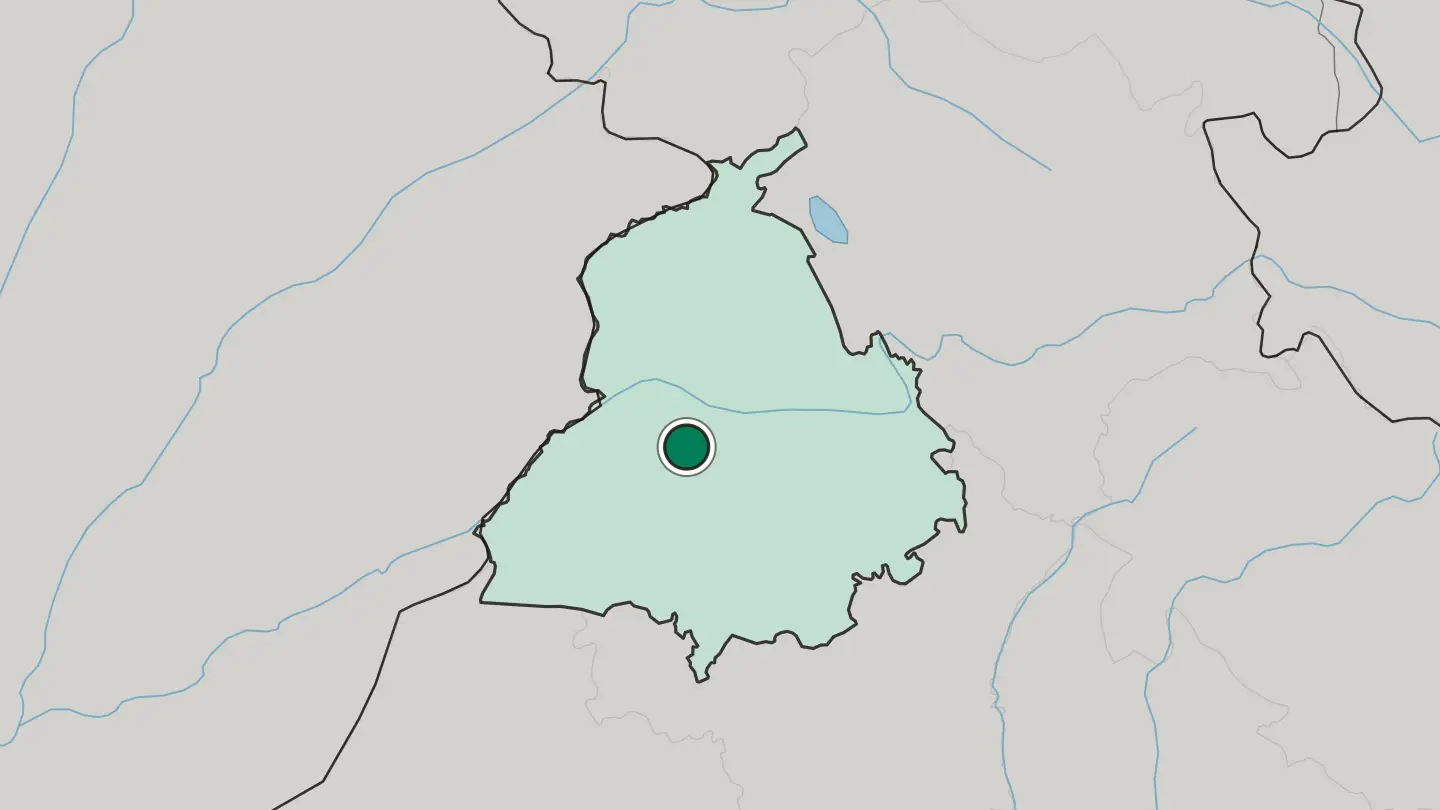
All towns & cities (22)
 India
India
Batāla
Batāla is a municipal corporation in the Majha region of Punjab, the industrial town of Gurdaspur district and the state's second-oldest city.Where to stay →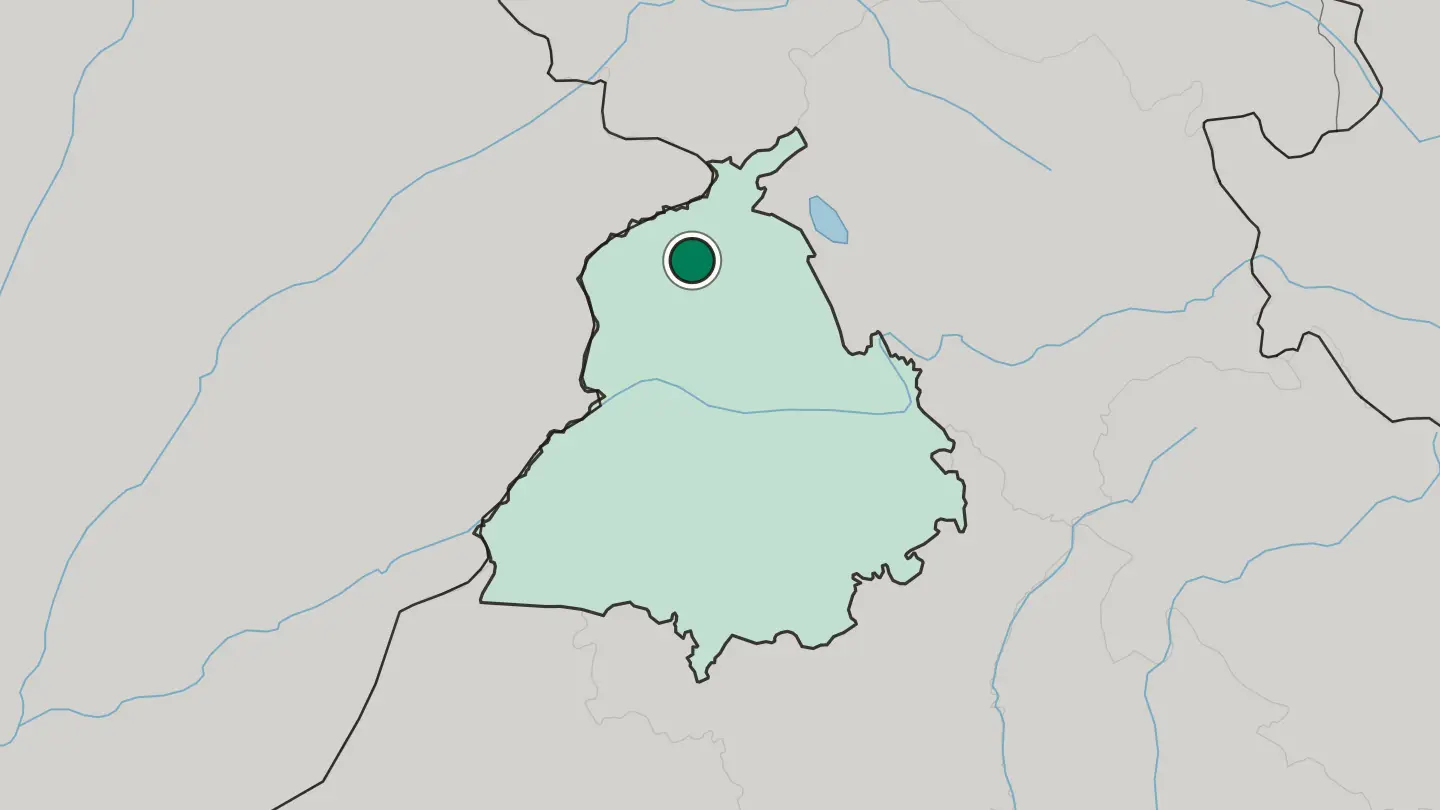 India
India
Abohar
Abohar is a city and municipal corporation in the Fazilka district of Punjab, a kinnow-growing centre close to the India-Pakistan border.Where to stay →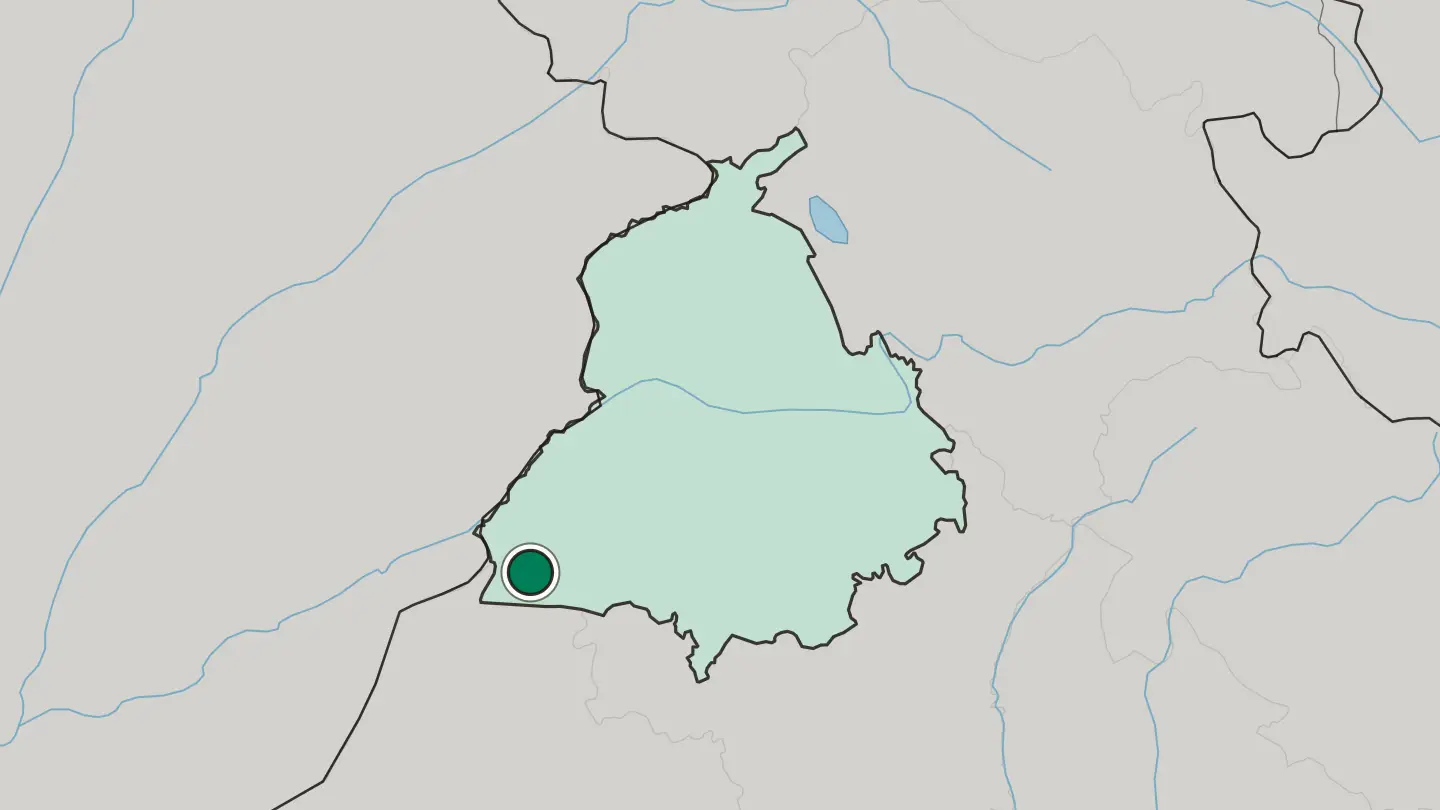
 India
India
Māler Kotla
Māler Kotla dates from 1657 and heads Malerkotla district in Punjab, a princely-state seat that acceded to the union of India in 1947.Where to stay →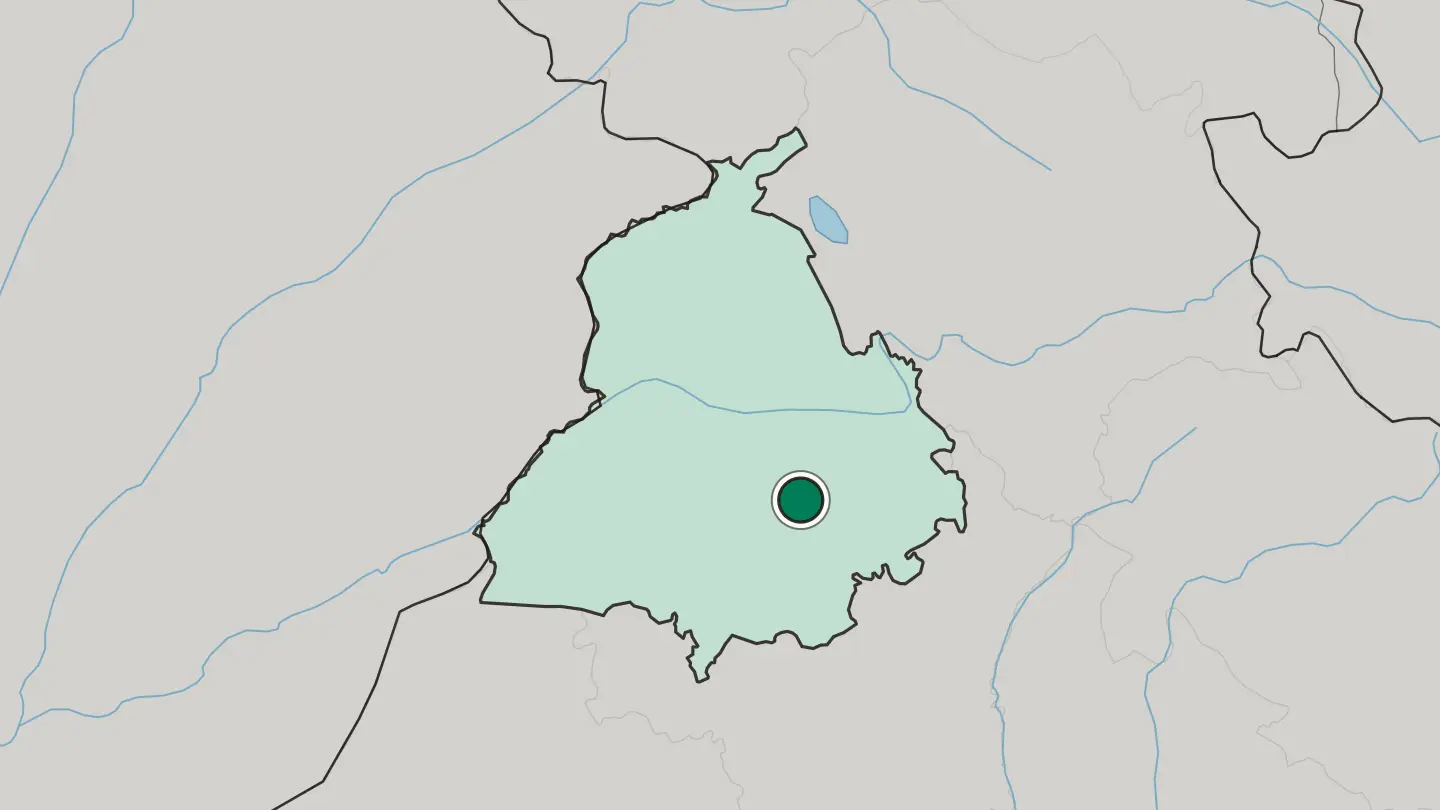
 India
India
Muktsar
Muktsar, officially Sri Muktsar Sahib, is a historical city and district headquarters in Punjab, named for the Battle of Muktsar fought in 1705.Where to stay →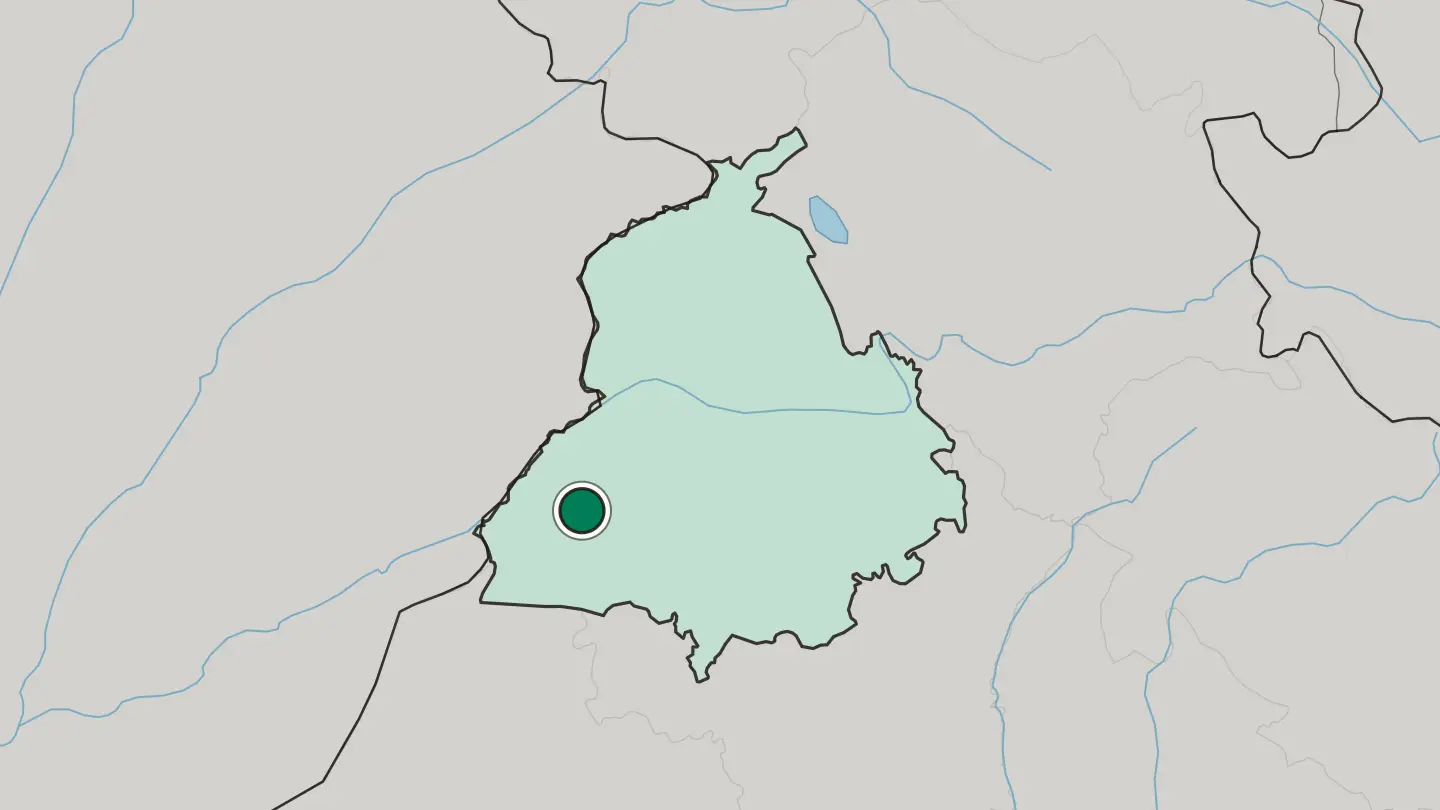
 India
India
Firozpur
Firozpur stands on the Sutlej River in Punjab, the town that names the Firozpur District and a border town since the Partition of India in 1947.Where to stay →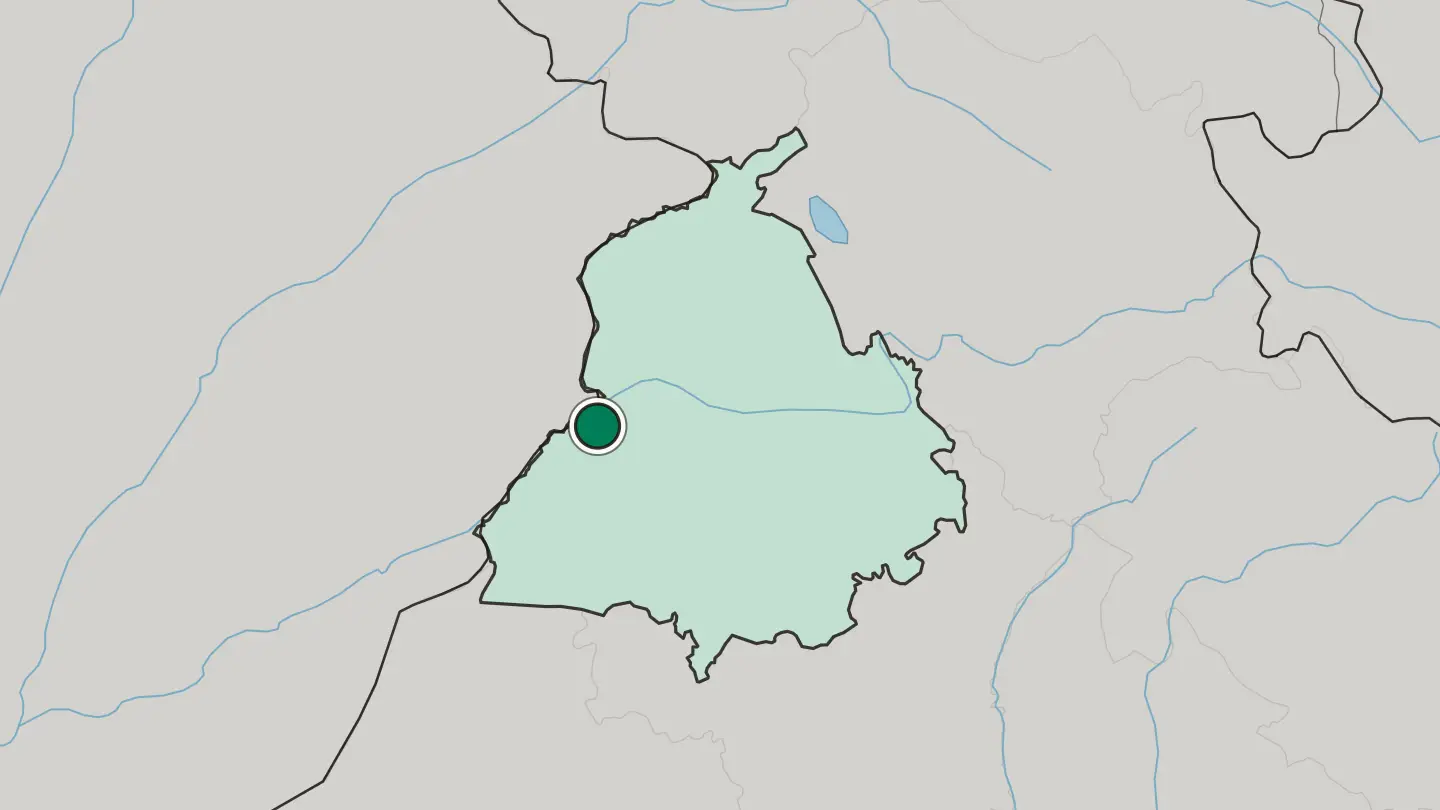 India
India
Phagwāra
Phagwāra is a city and municipal corporation in the Kapurthala district of Punjab, a manufacturing town 40 km from Kapurthala itself.Where to stay →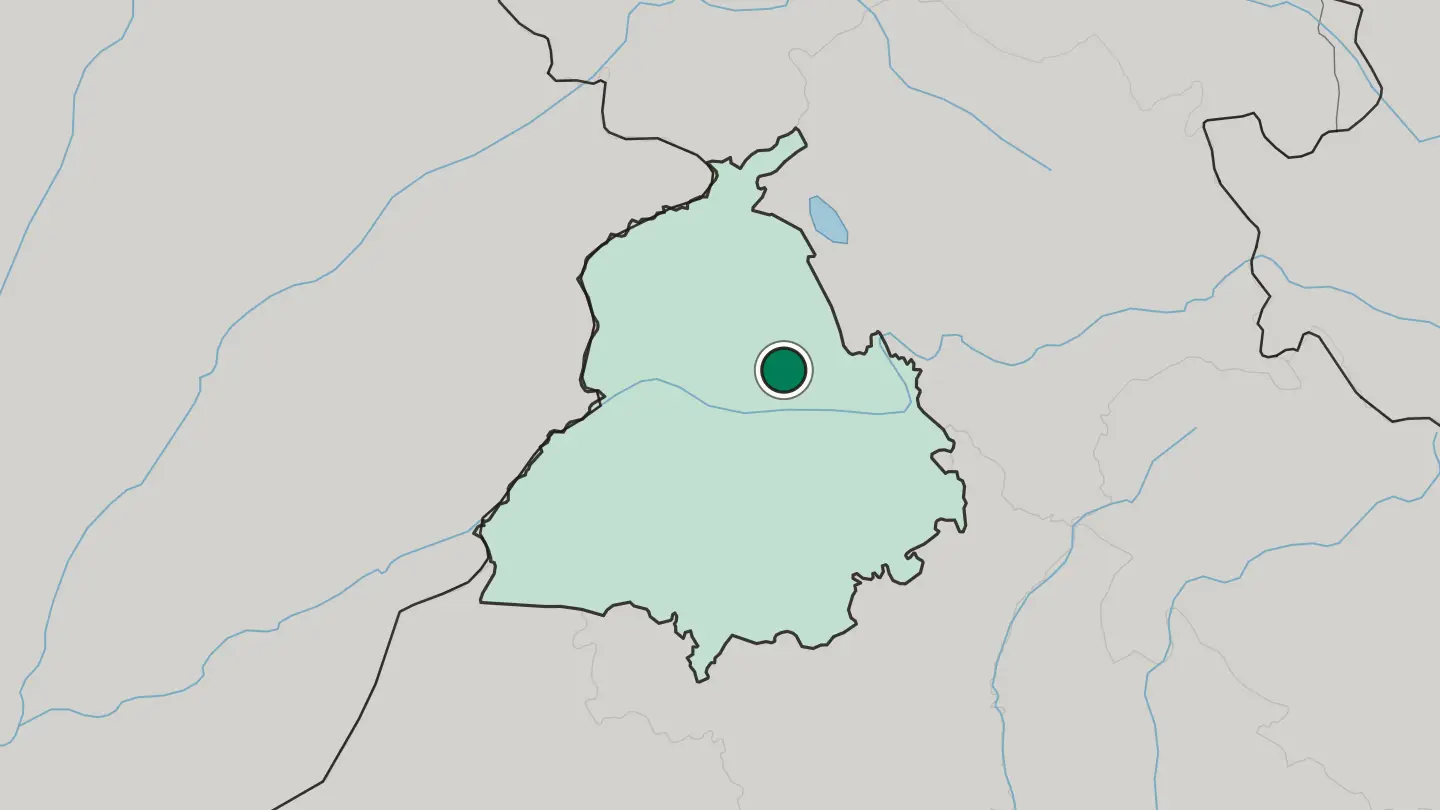
 India
India
Kapurthala Town
Kapurthala is the seat of Kapurthala District in Punjab, once the capital of the princely Kapurthala State and known for its palaces and gardens.Where to stay →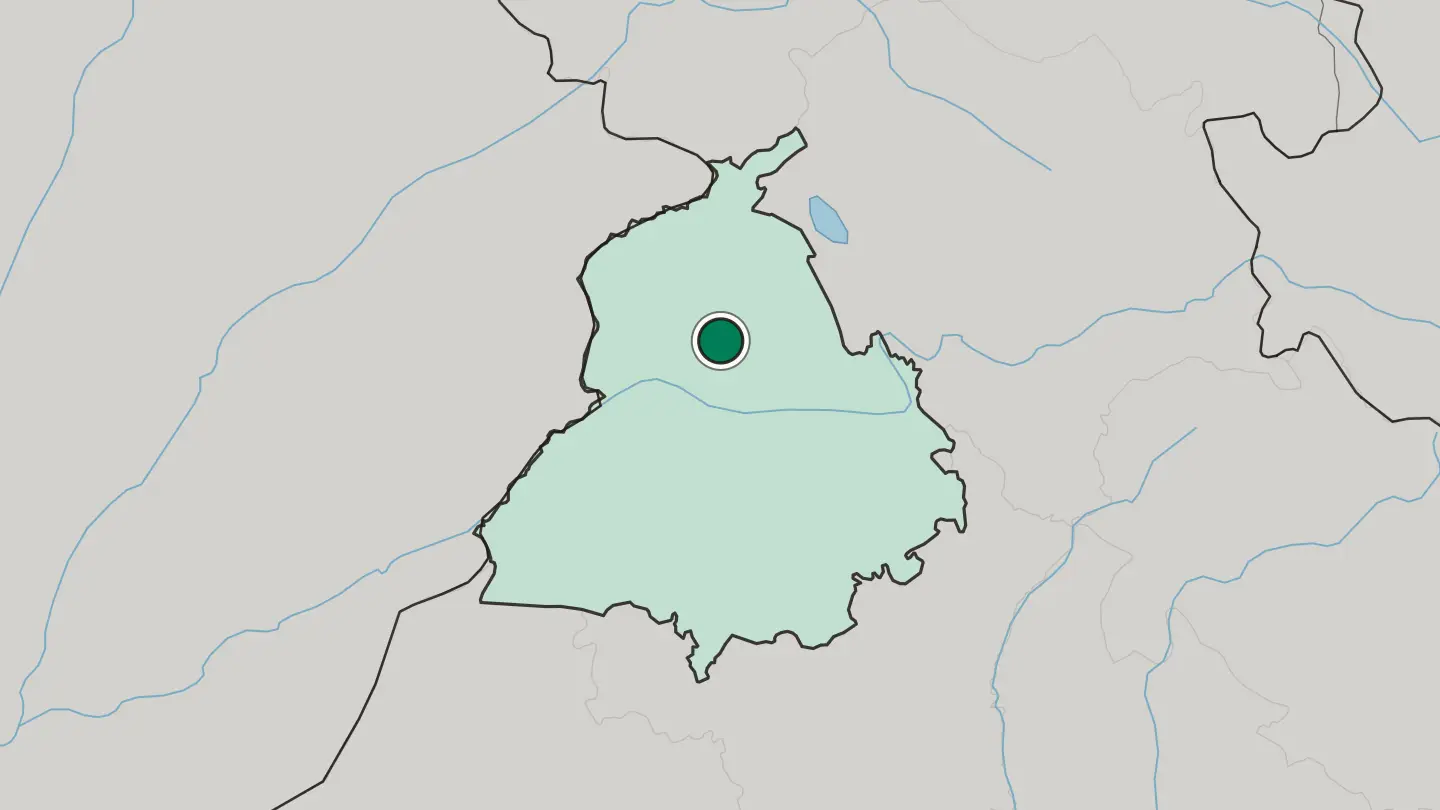
 India
India
Zerakpur
Zerakpur, written Zirakpur in most sources, is a highway-junction town in Mohali District, Punjab, on the Shivalik foothills beside Chandigarh.Where to stay →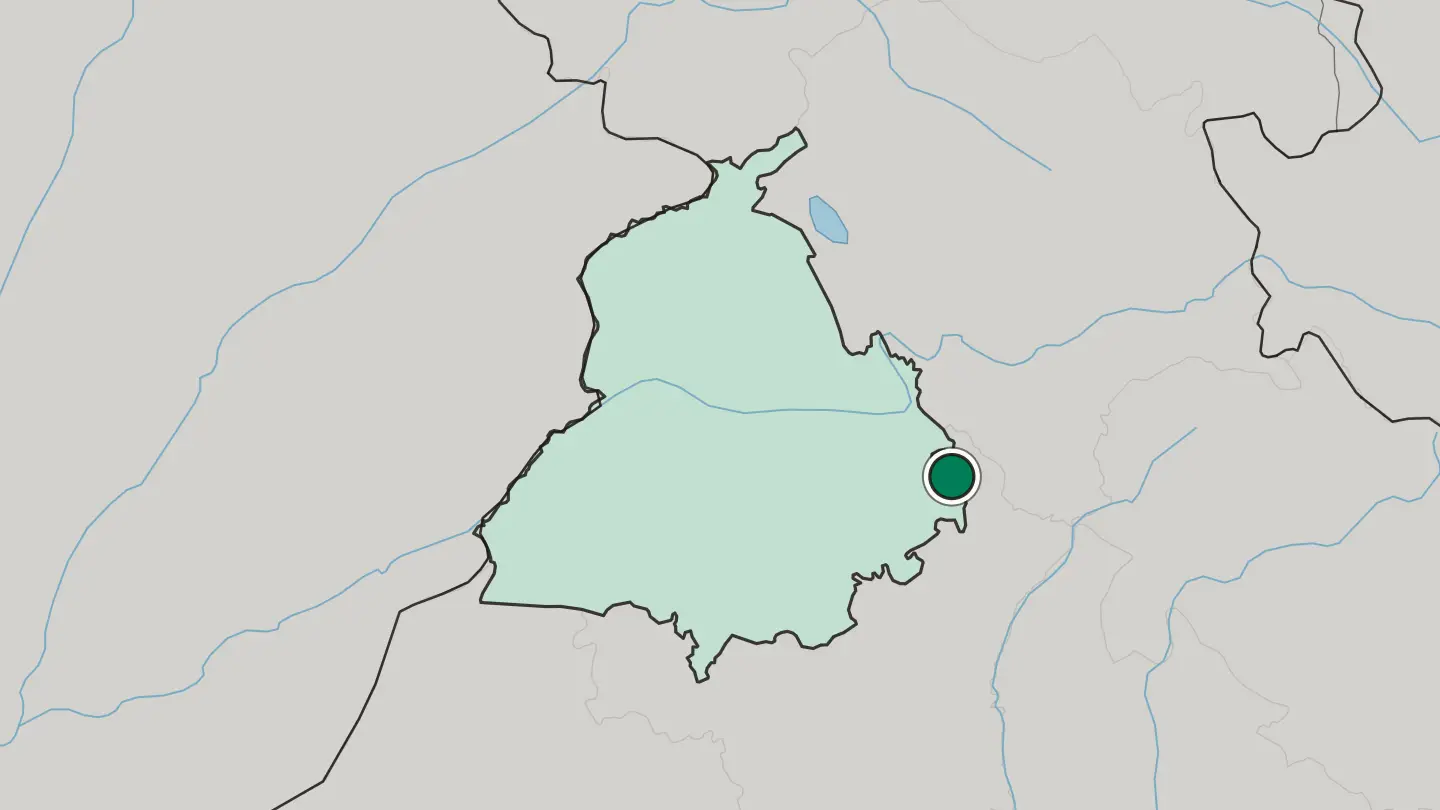 India
India
Rajpura
Rajpura is a city in the Malwa region of Punjab and the largest tehsil in Patiala district, standing along the border with Haryana.Where to stay →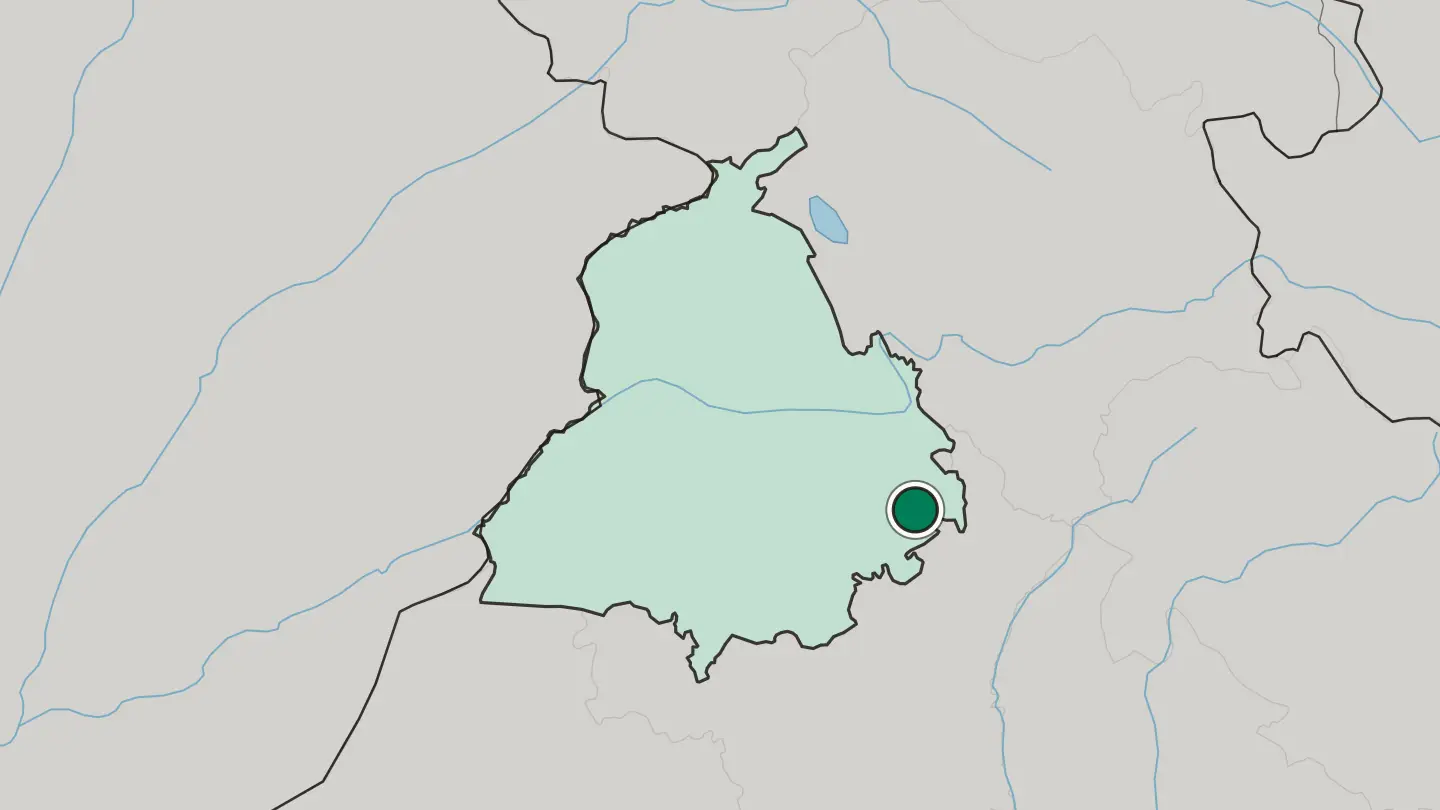 India
India
Gurdaspur
Gurdaspur sits between the Beas and the Ravi in the Majha region of Punjab, the headquarters town of Gurdaspur District.Where to stay →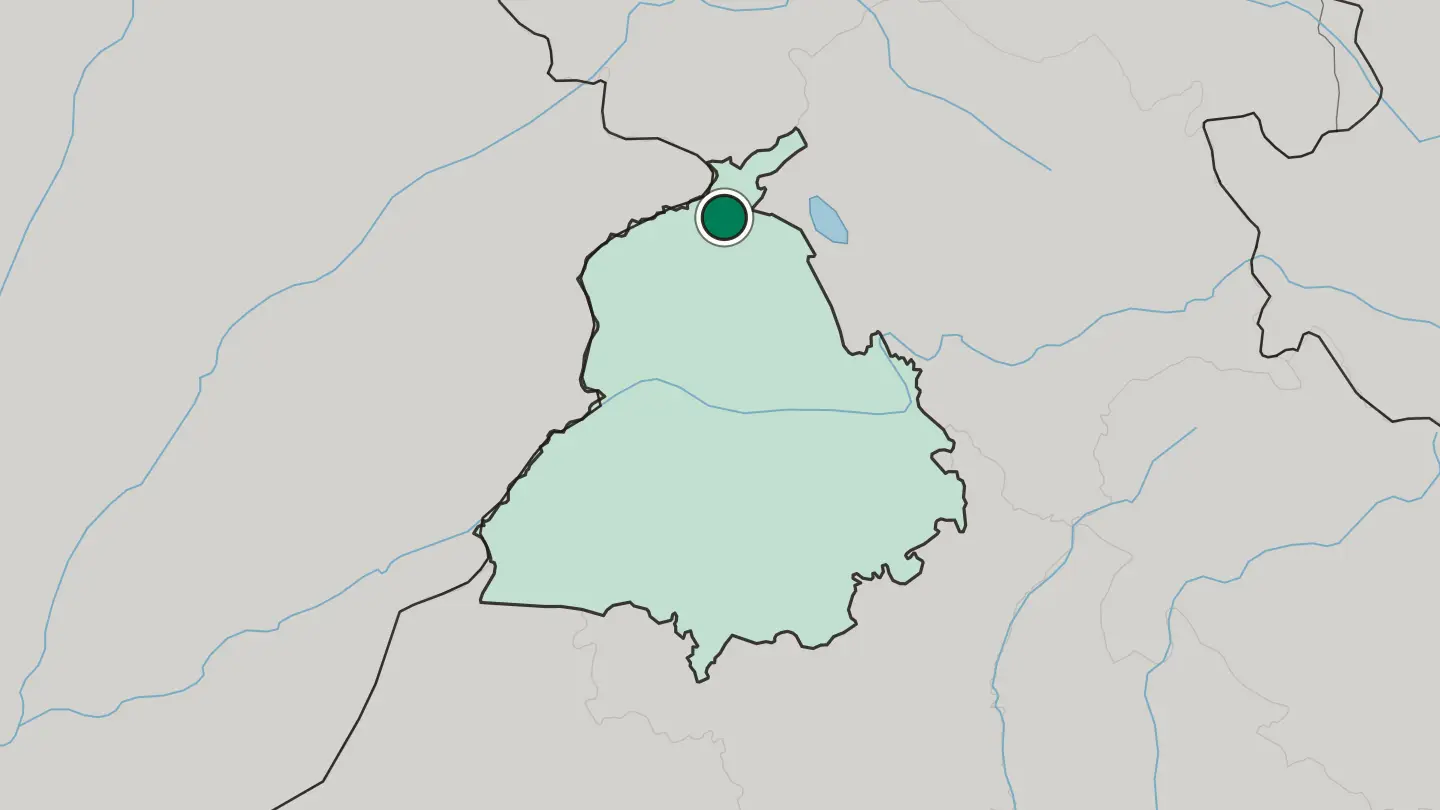 India
India
Fazilka
Fazilka, also known as Bangla, dates from 1844 and became the headquarters of Fazilka district in Punjab when that district was created in 2011.Where to stay →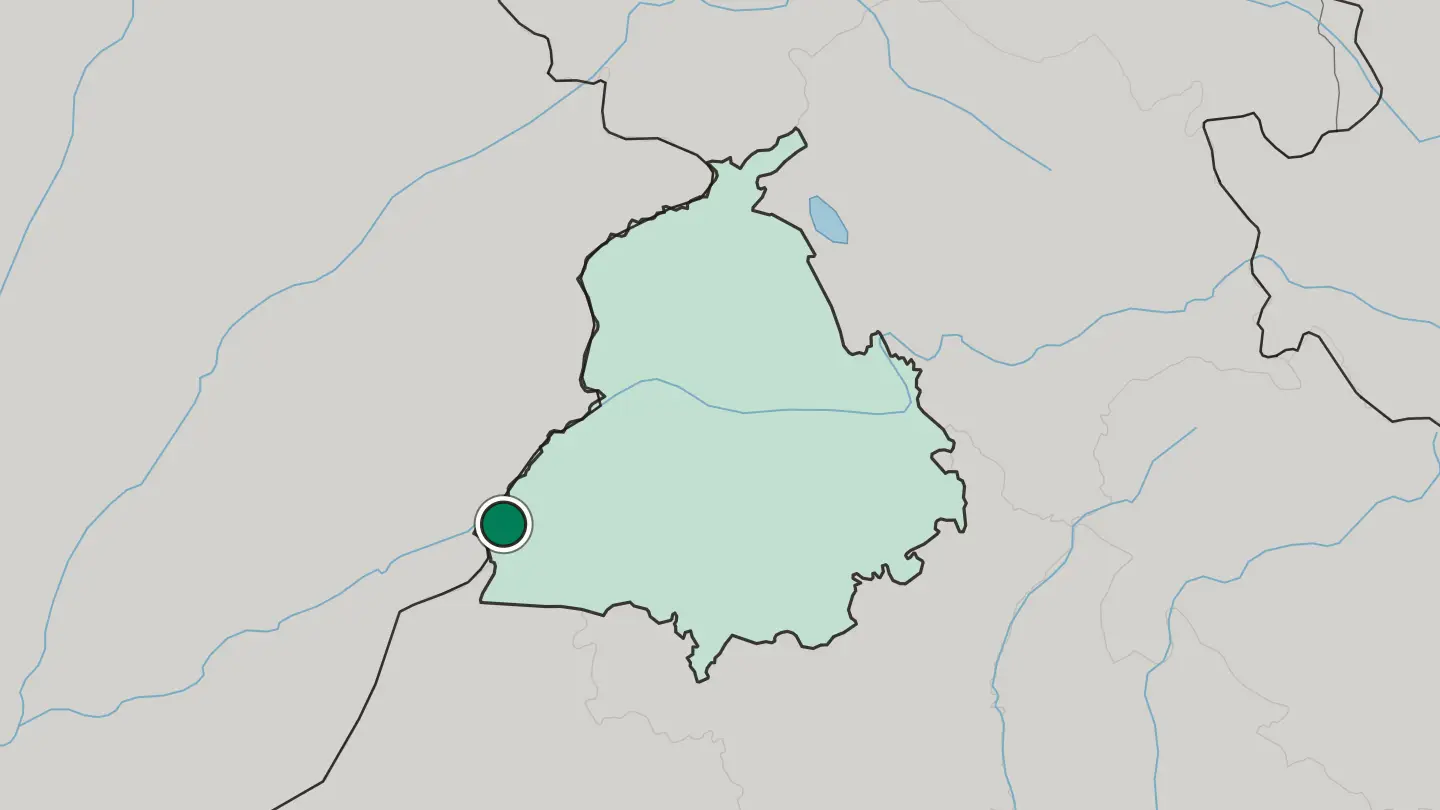
 India
India
Tarn Taran
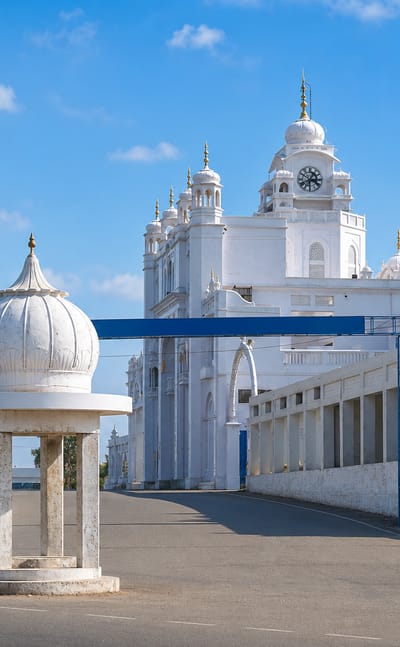
Tarn Taran Sahib is a city in the Majha region of Punjab, headquarters of Tarn Taran district and site of Gurdwara Sri Tarn Taran Sahib.Where to stay →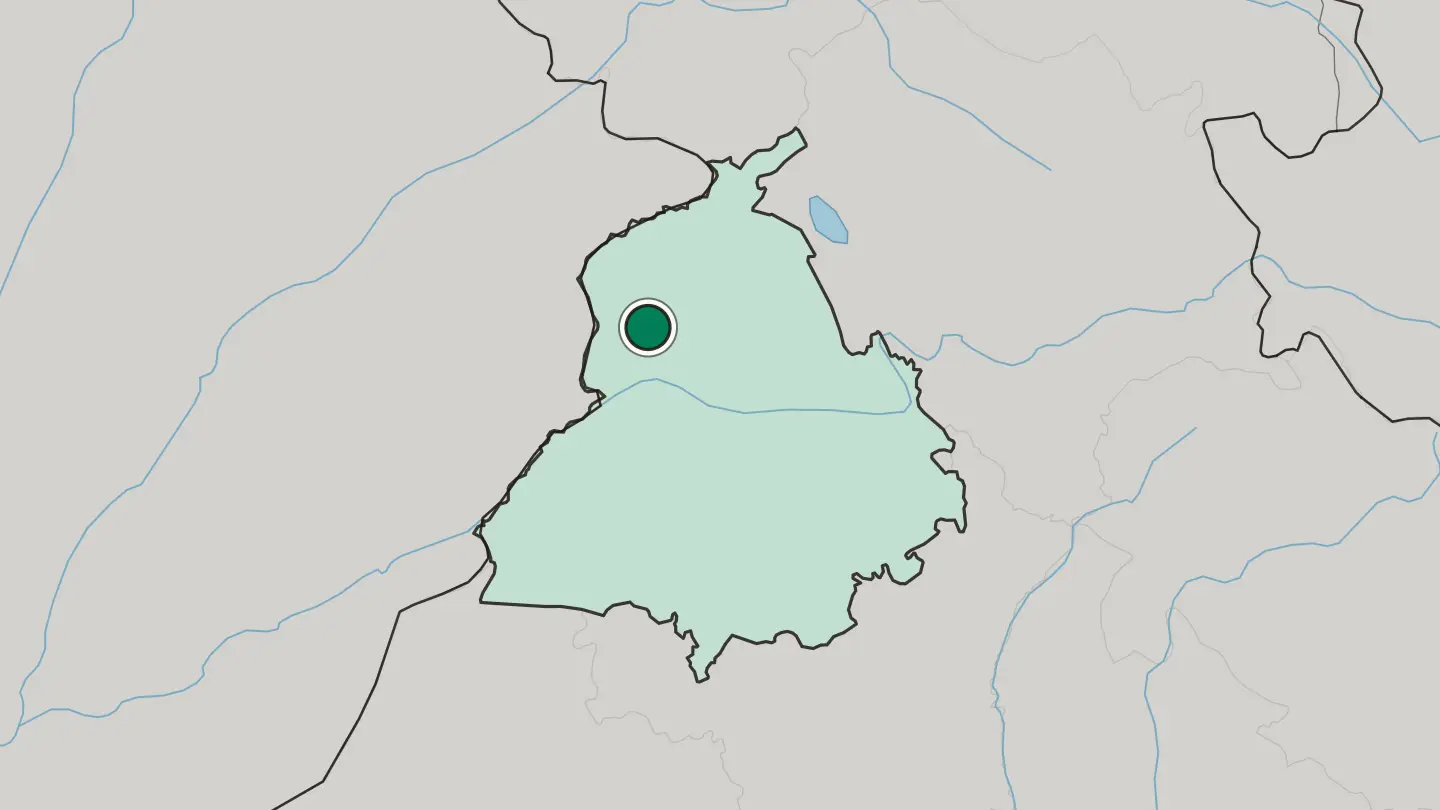
 India
India
Sirhind
Sirhind is the twin city of Fatehgarh Sahib in Punjab, India, a Mughal provincial capital on the old Lahore to Delhi road, its name the frontier of Hind.Where to stay →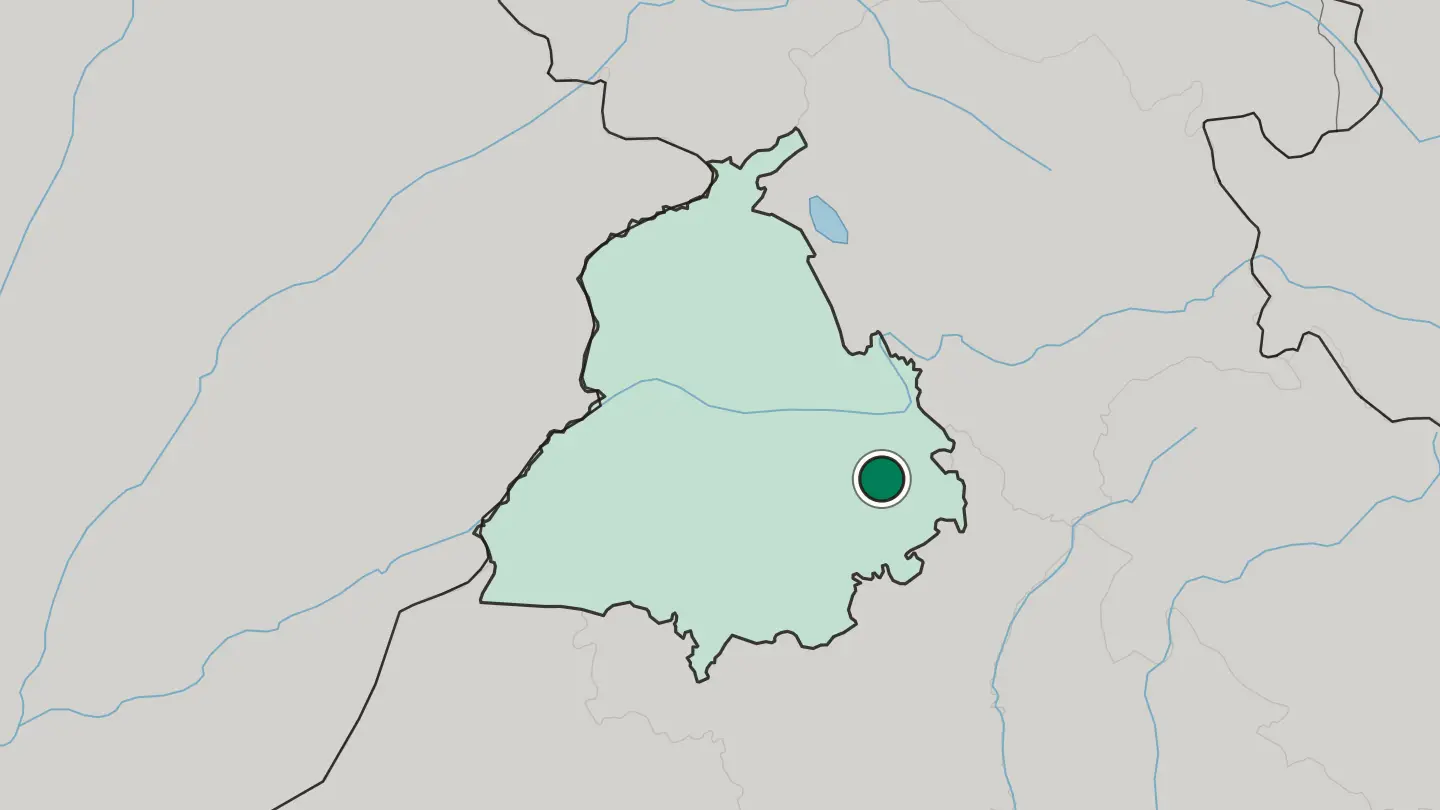
 India
India
Ropar
Ropar, or Rupnagar, stands on the south bank of the Sutlej River in Punjab, an Indus Valley civilization site and the seat of Rupnagar district.Where to stay →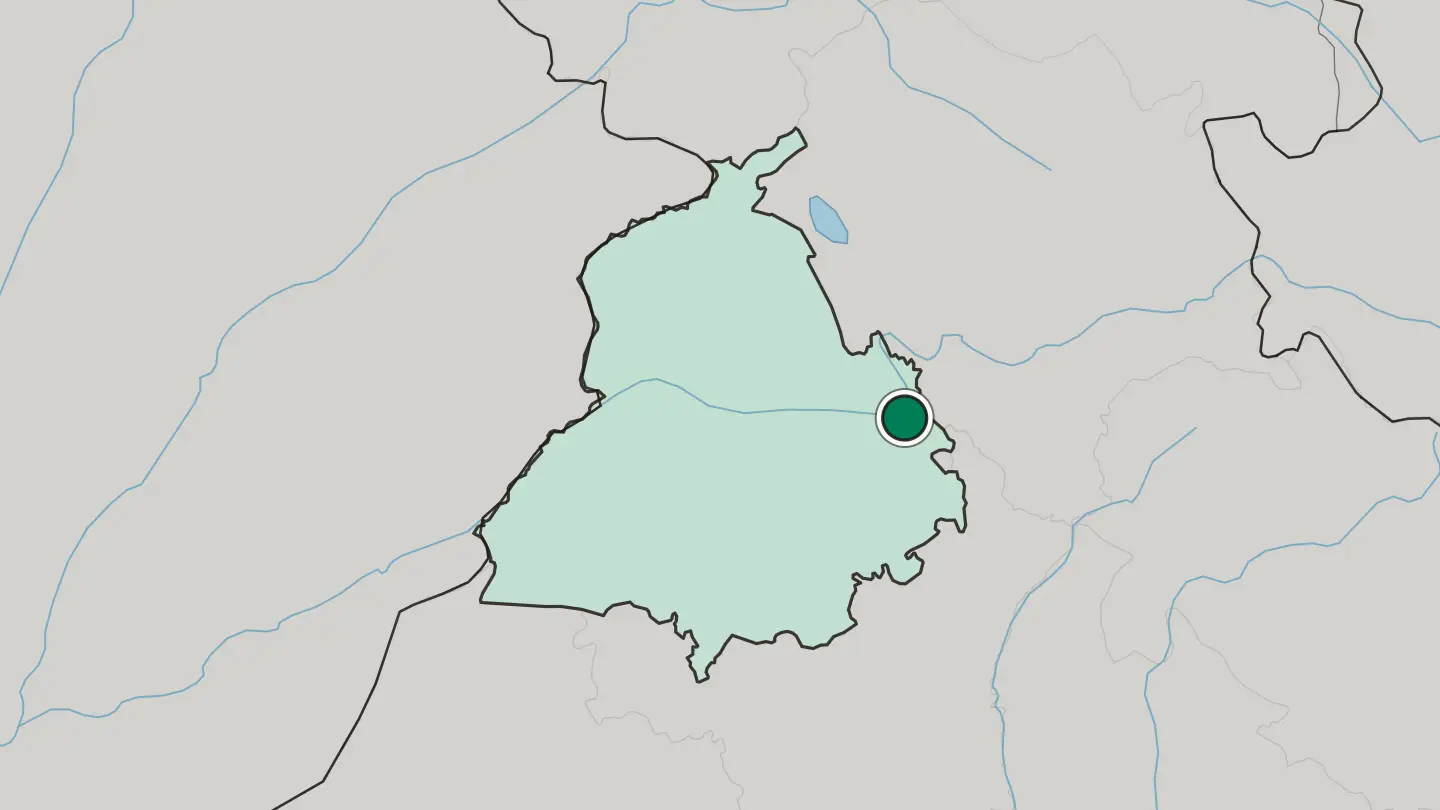
Hotel links are affiliate links: booking through them may earn us a commission, at no extra cost to you. It never affects how places are ranked. How this works
About State of Punjab
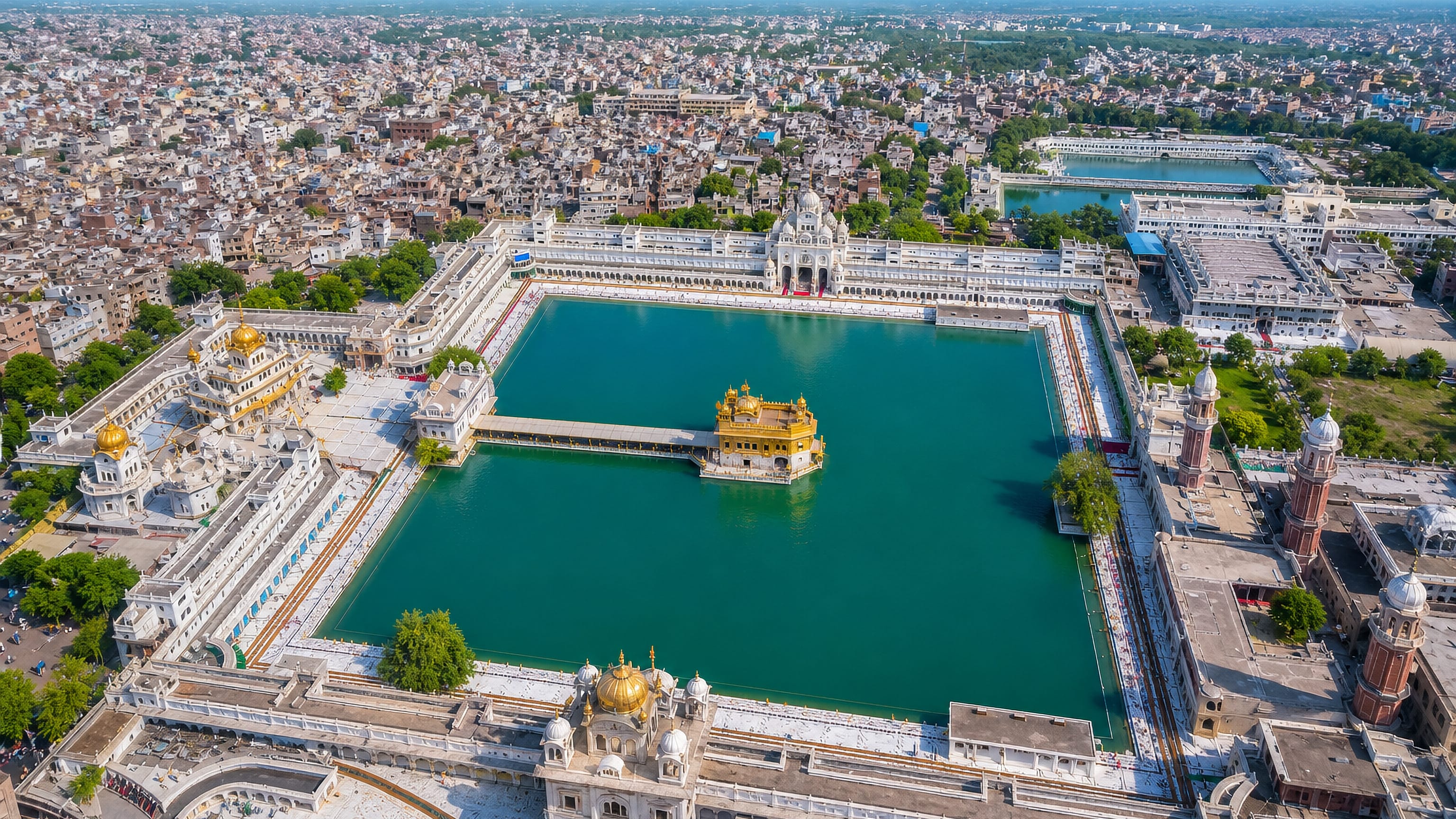
The Golden Temple stands at the heart of Amritsar.
What is State of Punjab known for?
The gilded gurdwara is ringed by the Amrit Sarovar pool where pilgrims bathe. Beyond it, Punjab is wheat and rice country, a flat expanse of irrigated fields fed by the Sutlej, the Beas and the Ravi. Ludhiana runs the mills and the textile trade.
The daily flag-lowering drill at the Wagah border, west of Amritsar toward Pakistan, packs the grandstands every evening.
Where is State of Punjab?
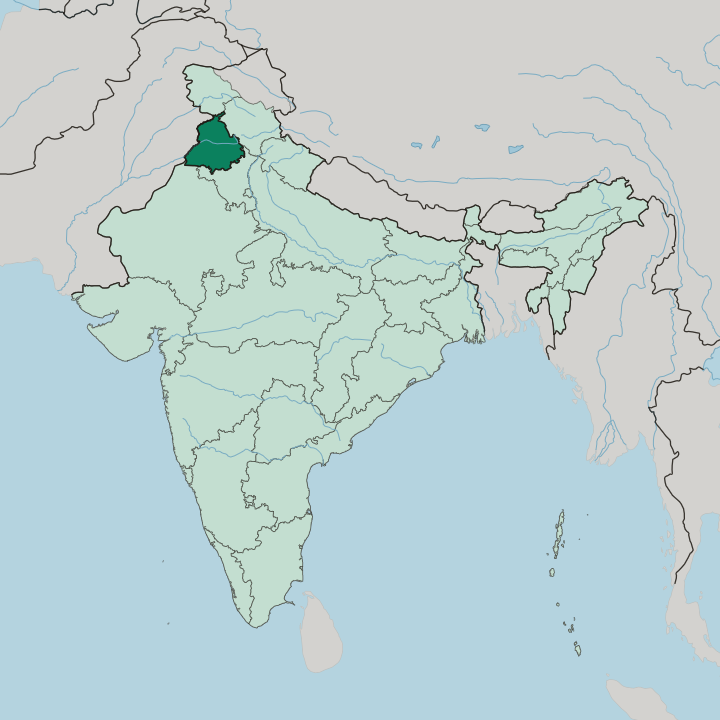
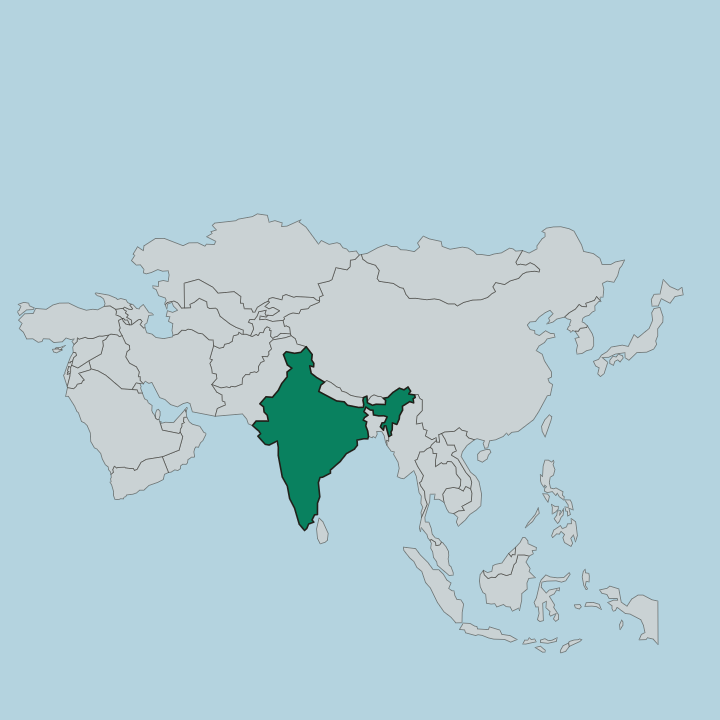
Punjab sits in the far north-west of India, on the plain where the Himalayan foothills flatten out toward the Indus basin. Its name means the land of five rivers. Three of those five still cross the state, the Sutlej, the Beas and the Ravi, braiding the plain into fertile tracts before they drain west into Pakistan.
The land is almost entirely flat and green, cut by canals into a grid of wheat and paddy that reaches to every horizon. Himachal Pradesh rises along the northern and north-eastern edge, where the ground begins to climb toward the hills. Haryana wraps the south and south-east, Rajasthan and its deserts press in from the south-west, and Jammu and Kashmir lies to the north. The west is a hard edge. There runs the international line with the identically named Pakistani province of Punjab, split from this one at the 1947 partition.
Chandigarh, the planned city Le Corbusier laid out, sits on the eastern boundary and serves as the shared capital of both Punjab and Haryana. Three broad tracts divide the state between the rivers: Majha in the north around Amritsar, Doaba between the Beas and the Sutlej, and Malwa spreading south beyond the Sutlej toward the desert. Every part of it is river country.
The water made the farming, and the farming made Punjab.
What is State of Punjab like?
Punjab's culture is Sikh to its core. The faith was born on this plain around the end of the fifteenth century, and its ten Gurus shaped a way of life that still runs through the state, the turban, the shared kitchen, the reverence for the Guru Granth Sahib read aloud at the Golden Temple. Hospitality is a religious act here.
Every gurdwara runs a langar, a free communal kitchen that feeds anyone who sits on the floor, and the one at Amritsar serves tens of thousands of meals a day. The Punjabi language, written in the Gurmukhi script, carries a poetry and a music all its own. Bhangra and giddha, the harvest dances, set the tempo at every wedding and at the spring Baisakhi festival that also marks the founding of the Khalsa.
The food travels well beyond the state, tandoori bread, dal makhani, sarson da saag with makki di roti through the winter. Farming is the other half of the character. This is an agrarian society, proud and prosperous, where the wheat harvest still orders the calendar.
City and field are never far apart. The plain feeds the nation, and it knows it.
What is the history of State of Punjab?
The plain has carried empires for millennia, from the Indus Valley towns to the Mughals who ruled from Lahore. Its modern shape is Sikh. In 1799 Maharaja Ranjit Singh, the Lion of Punjab, took Lahore and forged the Sikh Empire, overlaying the temple at Amritsar in gold and holding the country until the British defeated the Khalsa army in 1849.
Then came 1947. Partition tore the province in two along religious lines, sending the Muslim-majority west to Pakistan and the Sikh and Hindu east to India, amid widespread violence. The Indian state took its present borders in 1956.
What is the climate of State of Punjab?
Punjab runs to extremes. Summers on the open plain are fierce, with temperatures climbing hard from late May and heat-wave days settling over the wheat fields. Then the monsoon breaks in, sweeping up from the south through July and August to soak the paddy in the growing season the farming depends on.
Winters are short and cool, and mornings near Amritsar can turn cold and foggy from December into February. Between the seasons the sky does the deciding.
How do you get to State of Punjab?
Most visitors fly into Amritsar. Sri Guru Ram Dass Jee International Airport sits a short drive north-west of the Golden Temple and takes direct flights from Delhi and the Gulf. Amritsar Junction is a major railhead on the Delhi line, worked by frequent express and overnight trains.
From the east, Chandigarh gives a second gateway by air and rail into the Malwa side of the state. Roads fan out from there across the flat plain to Ludhiana, Jalandhar and Patiala. The border with Pakistan to the west is closed to through traffic beyond the Wagah ceremony.
Common questions
What is the best area to stay in State of Punjab?
Amritsar: pilgrims and first-time visitors to Punjab. Ludhiana: the industrial Malwa plain. Patiala: royal-era architecture and Malwa heritage. The Wagah border strip: the daily India-Pakistan border drill.
Good for
More regions in India
Updated October 2026