India · State of Punjab
Where to Stay in Patiāla, State of Punjab
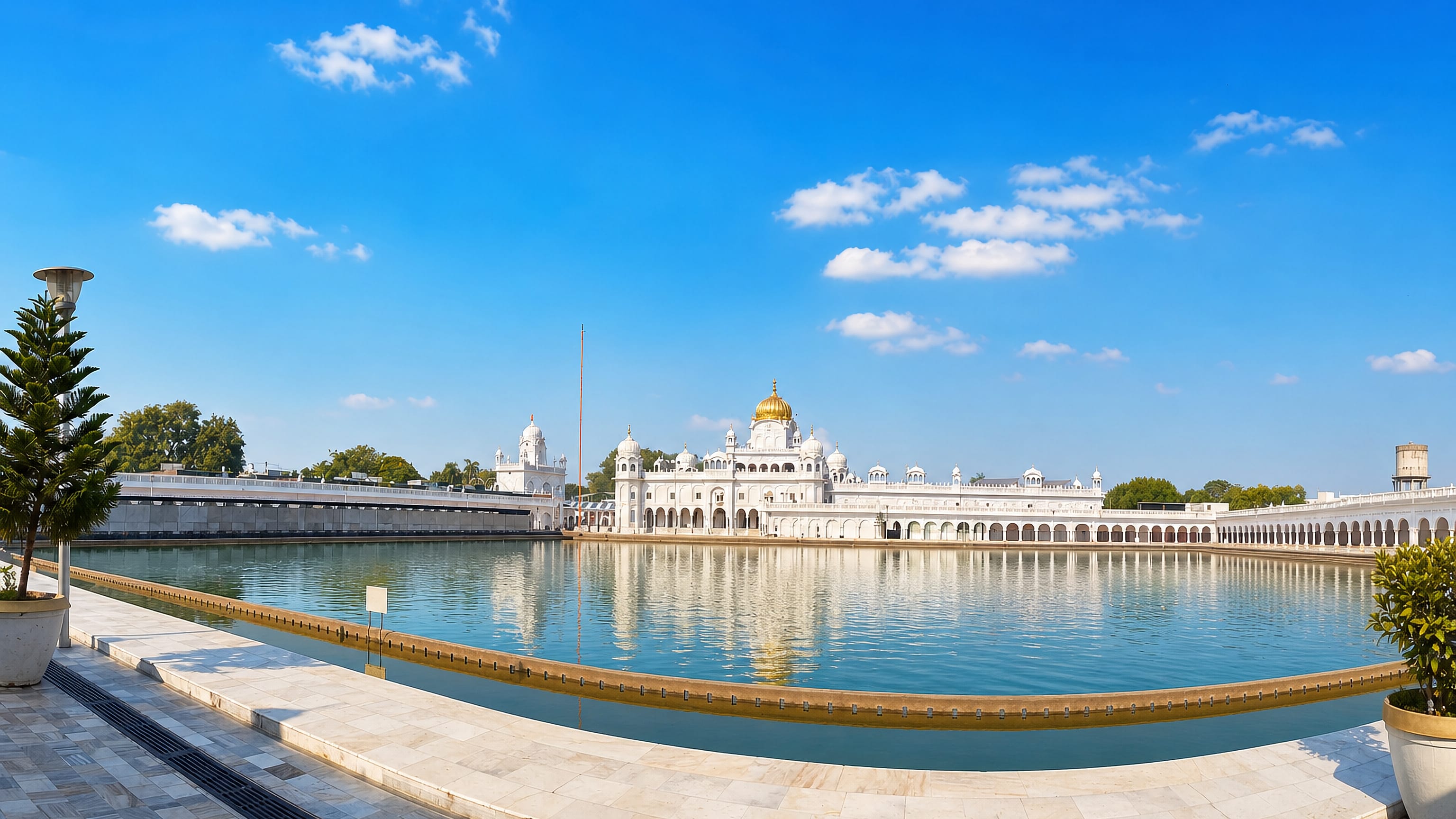
Patiāla is a Punjab city built around Qila Mubarak, the fort of Ala Singh, whose dynasty founded Patiala State and gave the place its name.
Hotel links are affiliate links: booking through them may earn us a commission, at no extra cost to you. It never affects how places are ranked. How this works


Where to stay in Patiāla
How the choice of base plays out on the ground.
Qila Mubarak decides the geography of a stay. The fort and the lanes wrapped around it hold the oldest part of Patiāla, which is where the workshops selling juttis sit and where a visitor with two days will spend most of them, so a bed within walking reach of the old quarter earns its keep. Walking covers most of it.
Past that ring the city spreads into the newer administrative quarters that come with being the capital of Patiala district, quieter at night and easier for anyone arriving by car. The choice is really between age and ease. Sleeping near the fort puts the older fabric of the former Patiala State at the door, with the trade-off of narrow streets and daytime noise, while a room further out trades that for quiet and an easier arrival by car.
You want the old quarter if craft shopping is the reason for the trip. Patiāla is the fourth-largest city in Punjab, so beds exist at most levels, and booking far ahead is rarely the difference between a stay and no stay. Two nights covers the fort, the workshops and the wider Patiala district comfortably.
Find hotels in Patiāla
Direct booking searches for these neighbourhoods.
Qila Mubarak and the old lanes
Steps from Qila Mubarak, with the jutti workshops of the old lanes at the door.Find hotels in Qila Mubarak and the old lanesarrivals by car who want quiet over old-quarter noiseThe Patiala district administrative quarters
Newer streets laid out around the offices of the Patiala district capital, calm after dark and simple to drive into.Find hotels in The Patiala district administrative quartersHotel links are affiliate links: booking through them may earn us a commission, at no extra cost to you. It never affects how places are ranked. How this works
About Patiāla
Juttis travel further than the city.
What is Patiāla known for?
These embroidered shoes, made by hand in Patiāla and worn by men and women alike, reach the Punjabi diaspora across the world, and handcrafted goods of that kind remain the trade the place is best known for. Qila Mubarak anchors everything else. The fort sits at the centre of the old plan, the administrative capital of Patiala district has grown around it, and the fourth-largest city of Punjab keeps a princely outline that plainer towns lack.
What are the main landmarks in Patiāla?
Qila Mubarak dominates the list. Ala Singh built it, the city around it dates from 1754, and the royal dynasty of Patiala State that he founded in 1763 governed from behind these walls for generations. Its walls set the street pattern.
Everything else worth a detour, the workshops turning out juttis and the offices of the Patiala district capital, sits within the ground the fort organised.
What is the history of Patiāla?
A chieftain and a fort start the story. Ala Singh, a Punjab chieftain of the eighteenth century, put up Qila Mubarak and drew a settlement around it, and the date usually given for the founding of the town is 1754. The dynasty came next.
In 1763 he founded the royal house of Patiala State, and the city that grew beneath the fort took its name from him rather than from any river or older village. Everything else here postdates that fort. Rule from the fort shaped what followed.
A court needs craftsmen, and the workshops that still turn out juttis descend from that demand, which is why a mid-sized Punjab city ended up with an export trade carried by the Punjabi diaspora rather than by any factory. Administration outlasted the dynasty. Patiāla became the capital of Patiala district and settled into the fourth rank among the cities of the State of Punjab, its old walls surrounded by offices, shops and traffic that the founders of 1754 would not recognise.
Within India the city is known less for its rulers than for what its workshops make.
Where is Patiāla?
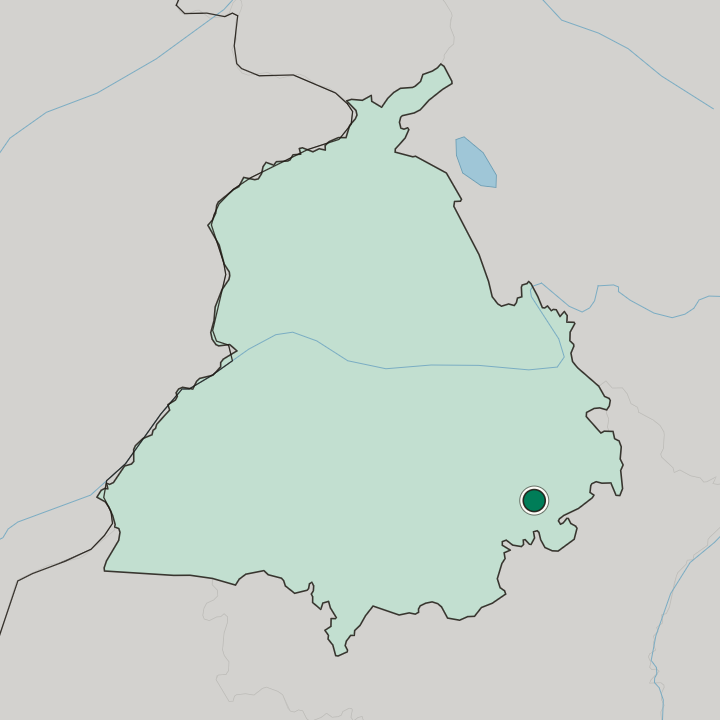
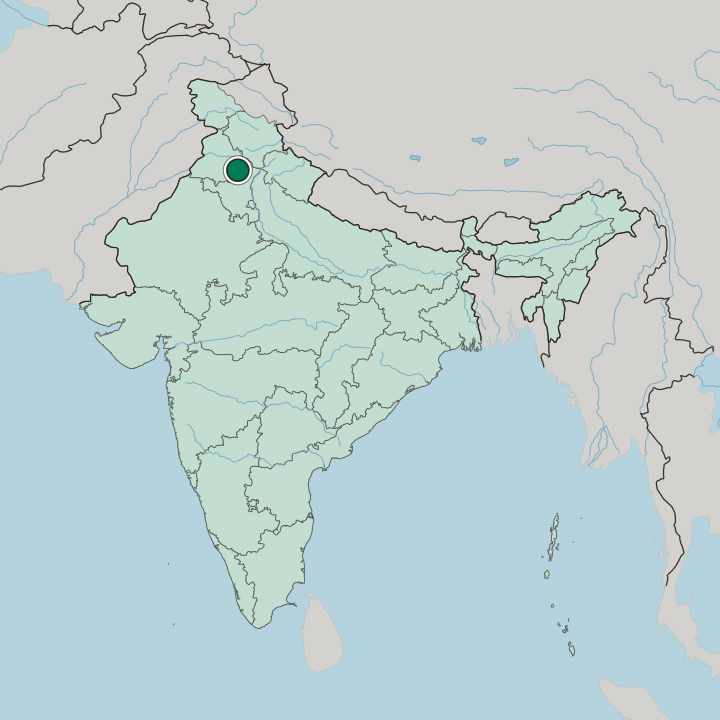
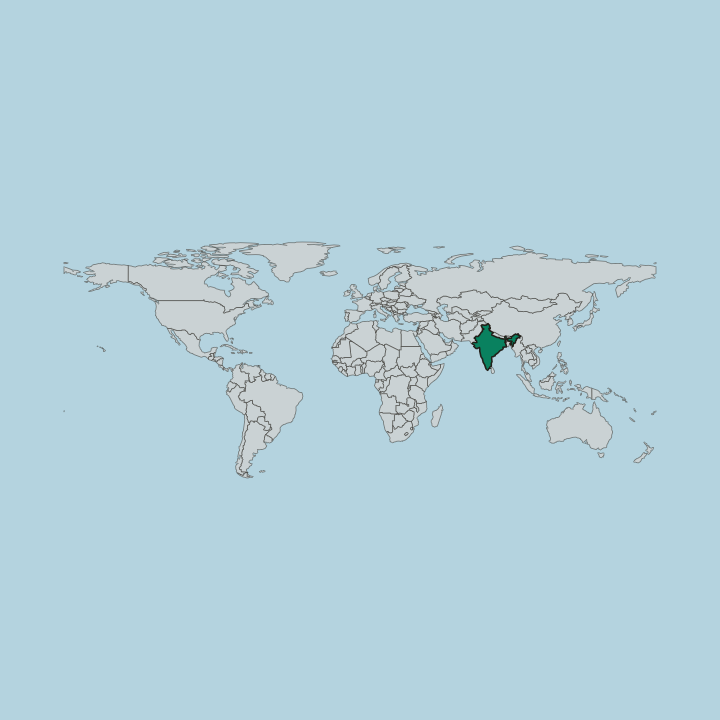
Flat country all round. Patiāla stands on the Punjab plain, without a river or a ridge to shape it, so the city spreads outward in every direction from Qila Mubarak across roughly 339 square kilometres of municipal ground. It sits in the subtropical belt of India.
Nothing in the terrain interrupts the grid of fields and roads running out through Patiala district, which is why the fort, rather than any natural feature, is the reference point people navigate by.
What is the climate of Patiāla?
The monsoon divides the year in two. Patiāla lies in the subtropical band of India, far from any sea, so heat builds hard through the dry months before the rains arrive to break it and leave the Punjab plain green for a season. Winter mornings run cold.
Air settling over flat ground with no coast to temper it makes the cold season across Patiala district sharper than a subtropical label suggests, while the hottest weeks before the rains are the ones visitors most often plan around.
How do you get to Patiāla?
Flat Punjab country puts every arrival on a road. Patiāla sits inland on the Punjab plain, with no coast and no mountain pass to complicate the approach, so getting here is a question of which road across Patiala district a traveller takes rather than of difficult ground. The fort is the obvious meeting point.
Anyone arriving without a plan can aim for Qila Mubarak and work outward, since the old core is small and the newer quarters ring it in an orderly way.
Common questions
What is the best area to stay in Patiāla?
Qila Mubarak and the old lanes: craft buyers after hand-made juttis. The Patiala district administrative quarters: arrivals by car who want quiet over old-quarter noise.
Good for
More cities in State of Punjab
Updated September 2026