India · Uttar Pradesh
Where to Stay in Agra, Uttar Pradesh
Agra is a city in Uttar Pradesh, India, home of the Taj Mahal and Agra Fort and a keystone of Mughal architecture.
Hotel links are affiliate links: booking through them may earn us a commission, at no extra cost to you. It never affects how places are ranked. How this works


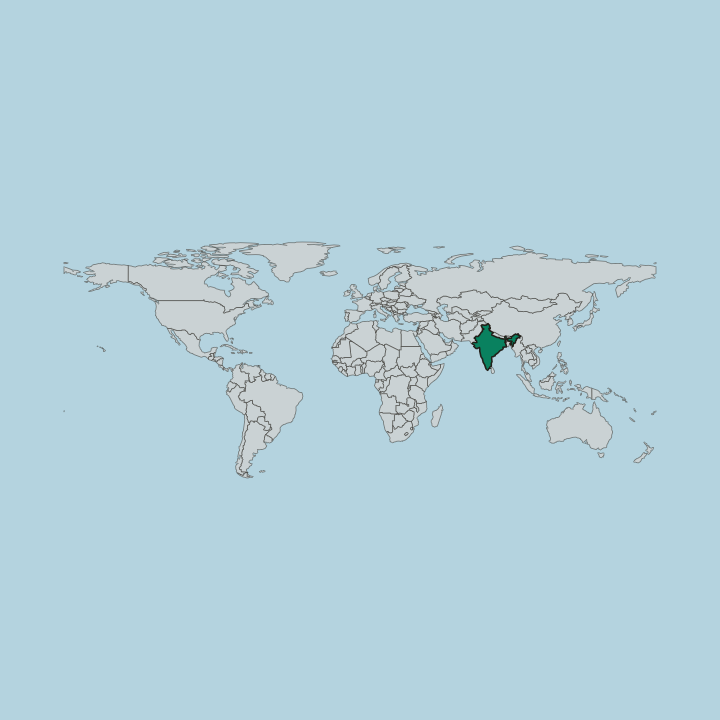
Where to stay in Agra
The practical side of choosing where to sleep.
Most visitors organise a stay around proximity to the Taj Mahal, and the lanes immediately south and east of the mausoleum hold the densest concentration of rooms. Staying within walking reach of the Taj Mahal lets you arrive at opening for the quietest light. It suits travellers whose priority is the monument itself and who want minimal transfer time.
Rooms here range from budget guesthouses to comfortable mid-range hotels, many with rooftop views toward the marble dome. A second option centres on the wider city near Agra Fort and the commercial streets that connect it to the cantonment. This ground puts you between the fort and the railway approaches, a practical base if you plan to fold in Akbar's Tomb, the Tomb of I'timād-ud-Daulah, and Mehtab Bagh rather than the Taj Mahal alone.
Agra keeps its monuments close together. Auto-rickshaws bridge the gaps between the scattered Mughal sites, so a central bed keeps every one of them within an easy ride across Agra.
Find hotels in Agra
Direct booking searches for these neighbourhoods.
Taj Ganj
The lanes south of the Taj Mahal put its entrance within a short walk, the closest ground for first light on the dome.Find hotels in Taj Ganjpairing Agra Fort with Akbar's Tomb and the riverside tombsAgra Fort and cantonment side
Beds near Agra Fort sit between the sandstone ramparts and the rail approaches, central for reaching Mehtab Bagh and the Tomb of I'timād-ud-Daulah.Find hotels in Agra Fort and cantonment sideHotel links are affiliate links: booking through them may earn us a commission, at no extra cost to you. It never affects how places are ranked. How this works
Things to do in Agra
Ranked by global recognition; descriptions from Wikidata (CC0).
Museums & Galleries
1- Mughal Museum
Churches & Religious Sites
4- Jama Masjid Heritage
- Moti Masjid Heritage
- Akbar's Church Heritage
- Mina Mosque Heritage
Castles & Historic Sites
3- Jahangiri Mahal Heritage
- Shah Jahani Mahal Heritage
- Akbari Mahal Heritage
Parks & Gardens
2- Mehtab Bagh Heritage
- Anguri Bagh Heritage
Landmarks & Notable Places
2- Diwan-i-Am Heritage
- Musamman Burj
worth knowingacross 5 categories in Agra
About Agra
One monument defines Agra above all.
What is Agra known for?
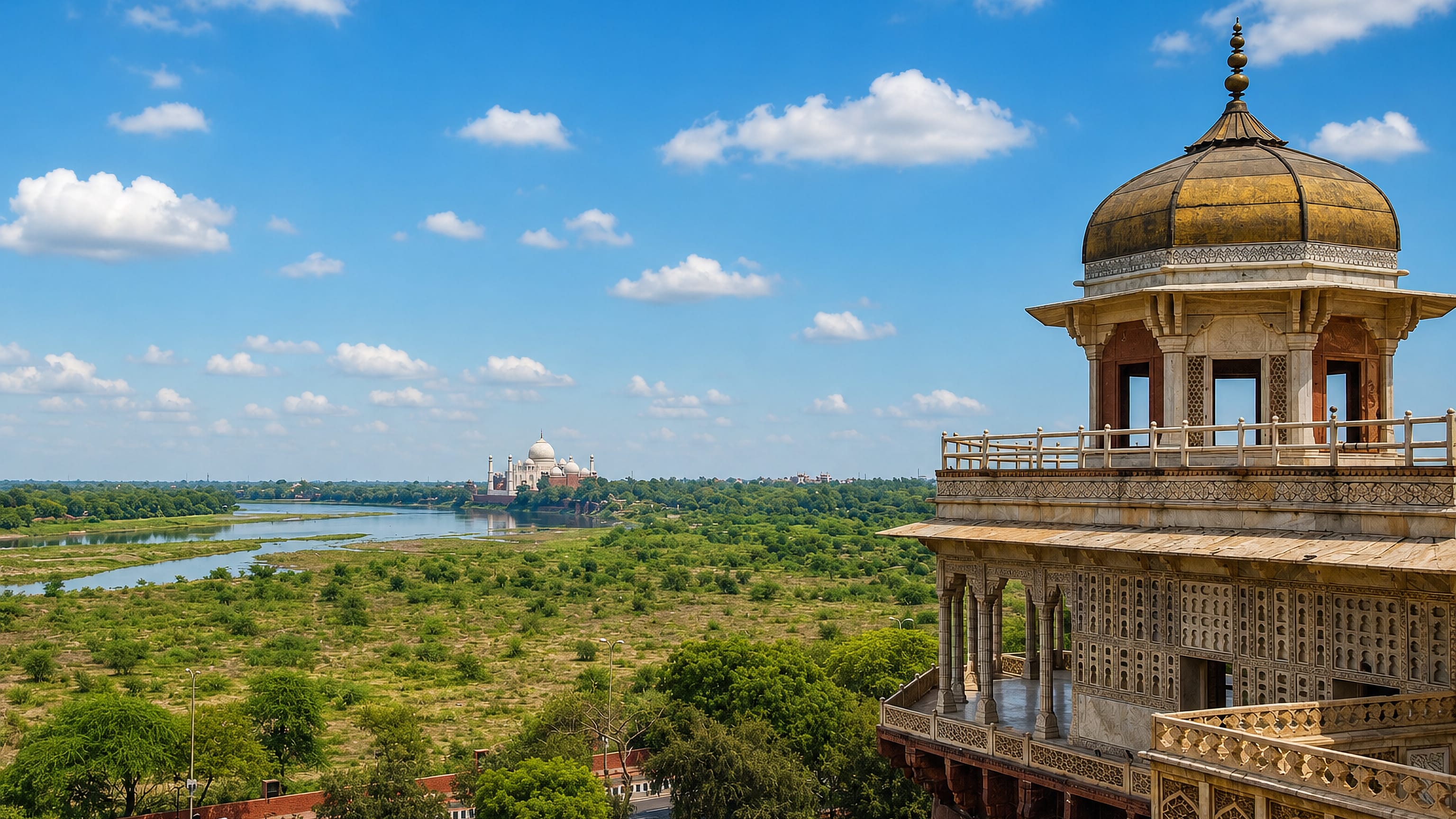
The Taj Mahal draws travellers to this city in Uttar Pradesh, yet the marble mausoleum is only the most famous of a dense cluster of Mughal-era buildings that fill the streets around it. The red-sandstone walls of Agra Fort rise nearby, and across the river lies the garden of Mehtab Bagh. Add the Tomb of I'timād-ud-Daulah, Akbar's Tomb, and the Jama Masjid, and the scale of the imperial legacy comes clear.
What are the main landmarks in Agra?
The Taj Mahal is the draw. Agra Fort holds nearly as much within its walls, and inside the ramparts stand the Jahangiri Mahal, the Diwan-i-Am, the Musamman Burj, and the Anguri Bagh garden court. Beyond the fort, the Tomb of I'timād-ud-Daulah and Akbar's Tomb carry the Mughal line further, while the Mehtab Bagh frames the mausoleum from across the water.
Two mosques close the roll. The Jama Masjid and the smaller Moti Masjid served the imperial city.
What is the history of Agra?
Agra owes its shape to the Mughals. The dynasty made the city an imperial seat, and the buildings that survive read as a record of successive reigns. Agra Fort was the power centre, and within it the Jahangiri Mahal, the Shah Jahani Mahal, and the Akbari Mahal mark the apartments of one ruler after another.
The court hall of the Diwan-i-Am and the tower of the Musamman Burj belong to the same enclosure. The tombs tell the second half of the story. Akbar's Tomb and the Tomb of I'timād-ud-Daulah set the pattern of the garden mausoleum that the Taj Mahal would perfect.
Religious building matched the palaces. The Jama Masjid and the Moti Masjid served the imperial city, and the Mina Mosque and the Great Idgah added to its congregations. When the Mughal capital shifted away, Agra kept its monuments, and that inheritance is why the city stands on the world heritage map at all.
Where is Agra?
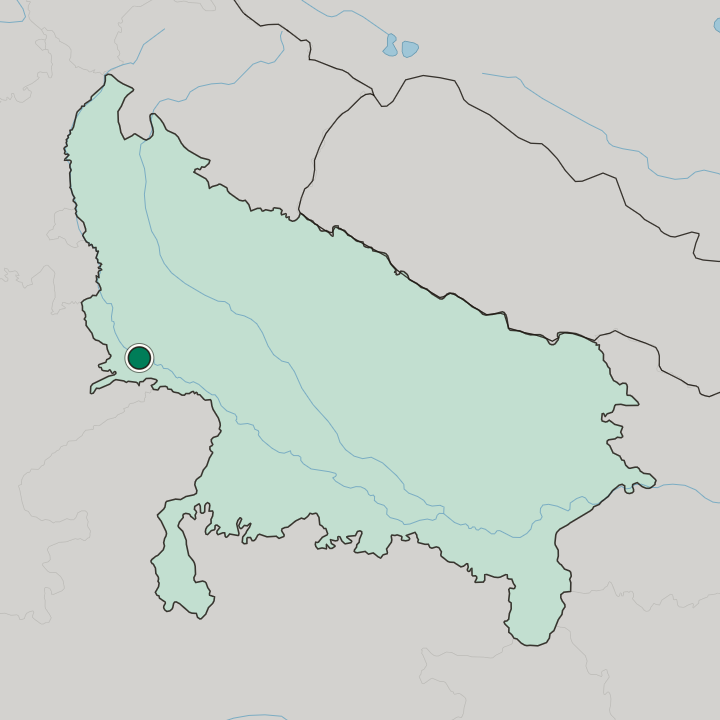
Agra sits on the plains of Uttar Pradesh, a river city whose monuments line and face the water. The Taj Mahal and Agra Fort stand along one bank, while the garden of Mehtab Bagh looks back at the mausoleum from the far side. The city spreads wide across level ground.
That flat, low-lying setting is why the domes and minarets read from a distance, and why the sightlines between the Mughal sites carry so far across Agra.
What is the climate of Agra?
Agra has a hot subtropical climate on the northern Indian plains. Summers are long and searing before the monsoon rains arrive, and the pre-monsoon heat can be intense across the open ground of Uttar Pradesh. Winters run mild.
Cool, clear mornings in the cooler months are the favoured time to see the Taj Mahal, when soft light settles on the marble and the crowds around Agra Fort thin.
How do you get to Agra?
Rail carries most visitors into Agra. Agra Cantt railway station is the main gateway, with fast services onto the northern trunk lines, while Agra Fort railway station, Raja ki Mandi railway station, and Idgah railway station spread arrivals across the city. From any of them the Mughal sites are a short auto-rickshaw ride away.
Agra Cantt sits closest to the approaches for the Taj Mahal, so it is the usual choice for a first visit.
Common questions
What is the best area to stay in Agra?
Taj Ganj: waking early for the Taj Mahal at opening. Agra Fort and cantonment side: pairing Agra Fort with Akbar's Tomb and the riverside tombs.
Good for
More cities in Uttar Pradesh
Updated September 2026