India · Uttar Pradesh
Where to Stay in Morādābād, Uttar Pradesh
Morādābād, the Brass City on the Ramganga, is an industrial city of Uttar Pradesh founded in 1625 and about 165 km from New Delhi.
Hotel links are affiliate links: booking through them may earn us a commission, at no extra cost to you. It never affects how places are ranked. How this works


Where to stay in Morādābād
How the choice of base plays out on the ground.
The Ramganga divides the practical choices in Morādābād. Rooms near the river and the older working quarters put the brass trade that earned the Brass City name within reach, while the newer stretches out along the Delhi road serve arrivals who drive in and leave again within a day. Traffic decides a lot here.
The municipal corporation runs a large industrial city, and a stay works best when the address is picked for the direction of travel rather than for a view. Morādābād district spreads around the city, and its headquarters keep officials, contractors and visitors moving through the same streets. Business fills most beds.
Buyers come for brass, and the offices of Morādābād district bring their own steady traffic, so hotels here are built around work rather than around a season. Pital Nagri says the same thing in another language. Anyone travelling on from New Delhi, about 165 km away, will find Morādābād a practical stop before the road carries on into the rest of Uttar Pradesh, and a night by the Ramganga costs less time than doubling back.
The brass quarters are the interesting half. Pick the river side.
Find hotels in Morādābād
Direct booking searches for these neighbourhoods.
By the Ramganga
On the river bank below the brass quartersFind hotels in By the RamgangaBuyers working the Brass City tradeThe brass quarters
Among the workshops that earned the Pital Nagri name. Few places to stay nearby — book ahead.Find hotels in The brass quartersDrivers breaking the run in from New DelhiThe Delhi road
Out along the road Morādābād sends towards New DelhiFind hotels in The Delhi roadHotel links are affiliate links: booking through them may earn us a commission, at no extra cost to you. It never affects how places are ranked. How this works
About Morādābād
Brass gave the city its second name.
What is Morādābād known for?
Morādābād is called Brass City, and Pital Nagri in the same sense, a working city of Uttar Pradesh on the banks of the Ramganga that runs on industry, education and administration rather than on visitors. It heads its own district. New Delhi lies about 165 km away, and Lucknow, the state capital, is some 356 km to the southeast, which leaves Morādābād working to its own rhythm between them.
What are the main landmarks in Morādābād?
No monument list carries Morādābād's name. What stands out is the trade: brass work has carried the city's name far enough that Brass City and Pital Nagri both attach to it, and the workshops are the thing a visitor is taken to see. The Ramganga supplies the setting.
Beyond the river and the brass, the marks are institutional, a municipal corporation, a police commissionerate, and the offices of Morādābād district, the furniture of a city that works for a living.
What is the history of Morādābād?
The city dates from 1625. Morādābād was founded on the banks of the Ramganga, and the river both fed the settlement and fixed the line along which it grew, well before any road tied it to the capital 165 km away. In the local script the name is written मुरादाबाद.
That founding date puts the city among the older towns of this part of Uttar Pradesh, long predating the industry that made its reputation. The Ramganga and the road towards Delhi are the two constants in that story. Brass work built the modern reputation.
The trade grew large enough for the city to be known as Brass City, and as Pital Nagri, names that travel further than the town's own. Industry followed the metal. Morādābād became an industrial city with a municipal corporation and a police commissionerate, the administrative headquarters of Morādābād district, and a centre for education and employment in this part of the state.
Lucknow stayed far off, some 356 km to the southeast, and New Delhi close enough to matter, which is the balance the city has worked with since. The nicknames outlasted the founders.
Where is Morādābād?
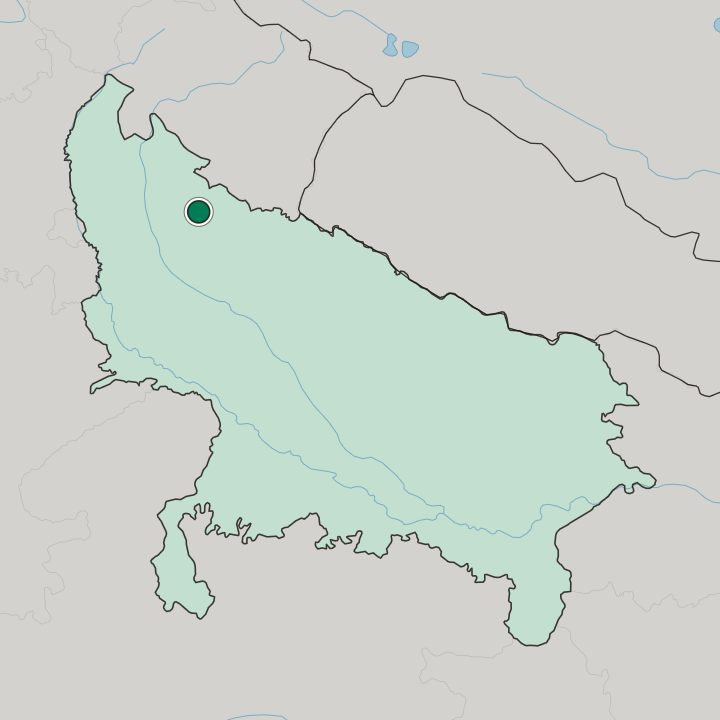
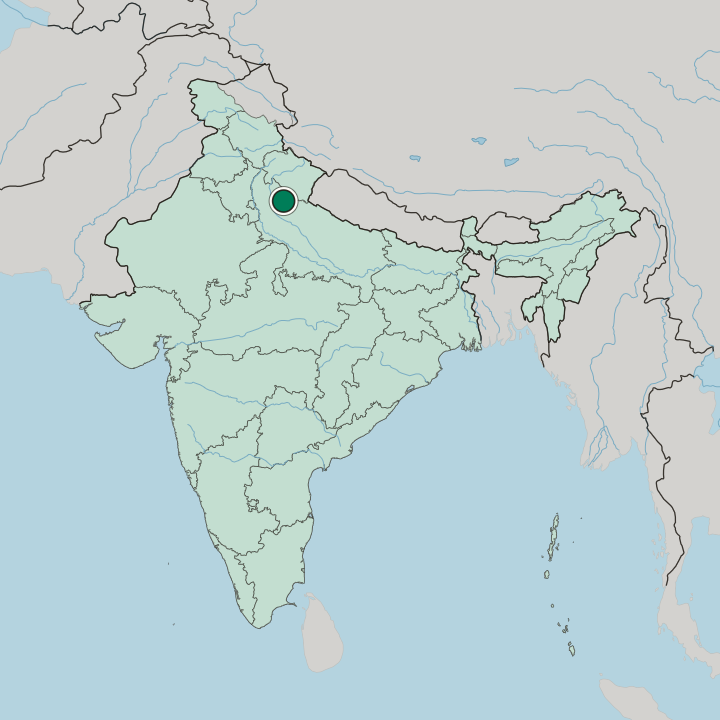
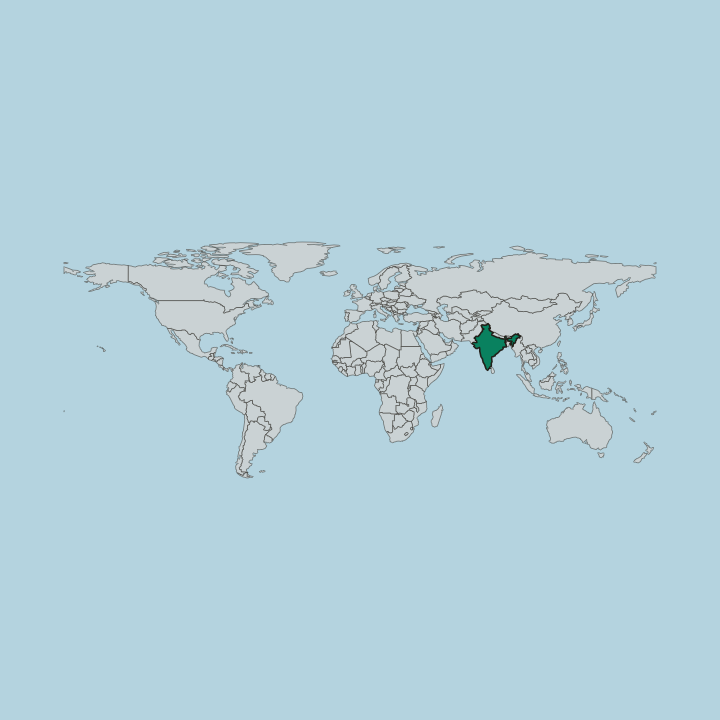
Morādābād stands on the Ramganga. The city occupies a broad site in Morādābād district, on the plain of Uttar Pradesh about 165 km from New Delhi, with Lucknow some 356 km to the southeast. River banks carry the older quarters.
The site is level, so the built area spreads outward instead of climbing, and the district around the city takes in the country the Ramganga crosses.
What is the climate of Morādābād?
The Ramganga marks the seasons. Morādābād lies in the subtropical band north of the equator, inland from any coast, and the year divides between a long warm stretch and a short cool one that suits walking the brass quarters. Rain swells the river.
Visitors timing a buying trip usually take the cooler months, when the workshops and the streets of Morādābād are easier going than in the heat that settles over this part of Uttar Pradesh.
How do you get to Morādābād?
The Delhi road brings most people. New Delhi is about 165 km away, close enough that Morādābād sits within a day's run of the national capital, and the traffic between the two carries most of the city's arrivals. Lucknow is much further.
The state capital lies some 356 km to the southeast, so approaches from that direction take longer, and once in the city the Ramganga and the brass quarters fix the bearings for anyone finding their way.
Common questions
What is the best area to stay in Morādābād?
By the Ramganga: Stays that want the Ramganga side of Morādābād. The brass quarters: Buyers working the Brass City trade. The Delhi road: Drivers breaking the run in from New Delhi.
More cities in Uttar Pradesh
Updated September 2026