India · Uttar Pradesh
Where to Stay in Jhānsi, Uttar Pradesh
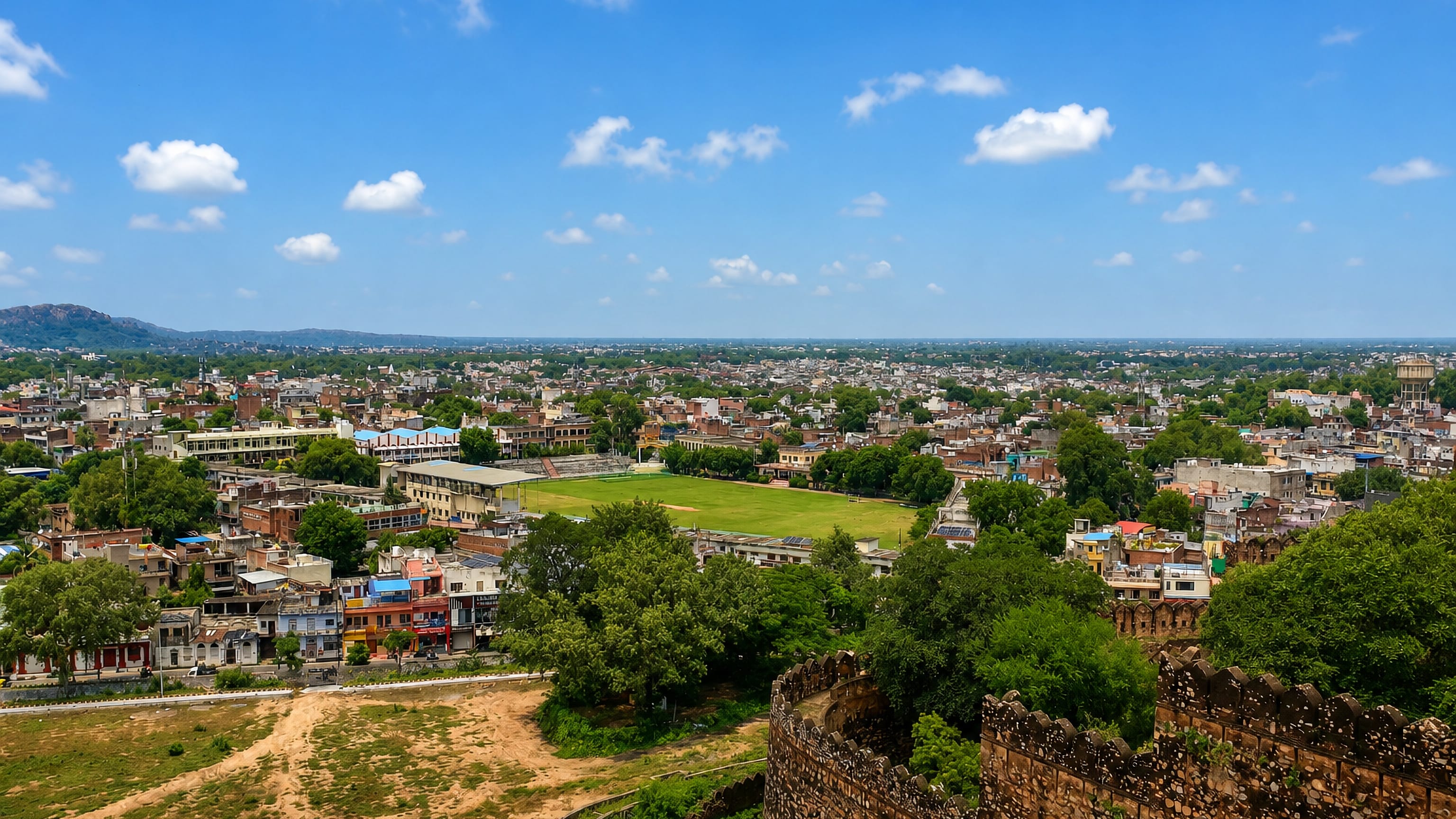
Jhansi is a city of Bundelkhand in northern India, famed for its hilltop fort and the warrior queen Rani Lakshmibai who defended it in the revolt of 1857.
Hotel links are affiliate links: booking through them may earn us a commission, at no extra cost to you. It never affects how places are ranked. How this works


Where to stay in Jhānsi
Where the beds are, and what that means for the visit.
Where you stay in Jhansi turns on the fort or the town. The streets below the fort keep the citadel, the Rani's palace, and the bazaars within a walk, and staying downtown suits anyone here for the history. The old fort rises above.
Kites wheel over the rock. Out toward Orchha and the Betwa, the town gives way to the temple town, the river palaces, and the dry Bundelkhand country. A room out of town trades the streets for the Bundela temples, the Betwa banks, and the quiet of the plateau.
The river runs past the palaces. Stay downtown for the fort, or out for Orchha. The Bundela fort crowns the rock over Jhansi.
Find hotels in Jhānsi
Direct booking searches for these neighbourhoods.
The fort and downtown
Below the citadelFind hotels in The fort and downtownStays wanting the Bundela templesToward Orchha
Out along the BetwaFind hotels in Toward OrchhaHotel links are affiliate links: booking through them may earn us a commission, at no extra cost to you. It never affects how places are ranked. How this works
Things to do in Jhānsi
Ranked by global recognition; descriptions from Wikidata (CC0).
Churches & Religious Sites
2- Rani Lakshmibai Temple Heritage
- St. Jude's Shrine, Jhansi
Landmarks & Notable Places
4- Betwa Railway Club Heritage
- Divisional Railway Manager Office Building Heritage
- Jhansi railway station building Heritage
- Old Officers Rest House Heritage
worth knowingacross 2 categories in Jhānsi
About Jhānsi
Jhansi is the fort city of Bundelkhand.
What is Jhānsi known for?
On the rocky Bundelkhand plateau in northern India, it grew around a great hilltop fort, and it keeps the fort where the Rani made her stand, the memory of Rani Lakshmibai who fought the British in 1857, the palaces and temples of Orchha nearby, and the busy railways that cross the town. The dry plateau spreads all around. An old fort crowns the rock.
What are the main landmarks in Jhānsi?
The Jhansi fort is the pride of the city. The great hilltop fort of the Bundelas, where the Rani held out against the British, crowns the rock over the town, the emblem of the city, downtown. A palace recalls the queen.
The Rani Mahal, the queen's old palace, stands in the town below, while the Betwa river, the Orchha temples, and the plateau hills mark the country around Jhansi.
What is the history of Jhānsi?
Jhansi was a Bundela stronghold. A Bundela king built the great fort on its rock in the sixteen-hundreds, and the town grew under its walls as a seat of the Bundelkhand country. The Marathas later held it.
In time the Maratha rulers took Jhansi, and the young widow Lakshmibai came to rule as its Rani when the British moved to seize the state. The Rani made Jhansi famous. When the great revolt of eighteen fifty-seven broke out, Rani Lakshmibai took up arms against the British and led her people from the fort, and though the city fell she rode on to fight and die at Gwalior.
Her courage became a legend. The queen who fought for Jhansi is honoured across India as a hero of the freedom struggle, and the town grew as a railway hub of the plateau, keeping its fort, its story, and its temples. The old fort still watches the town.
Jhansi keeps its Bundela fort on the plateau.
Where is Jhānsi?
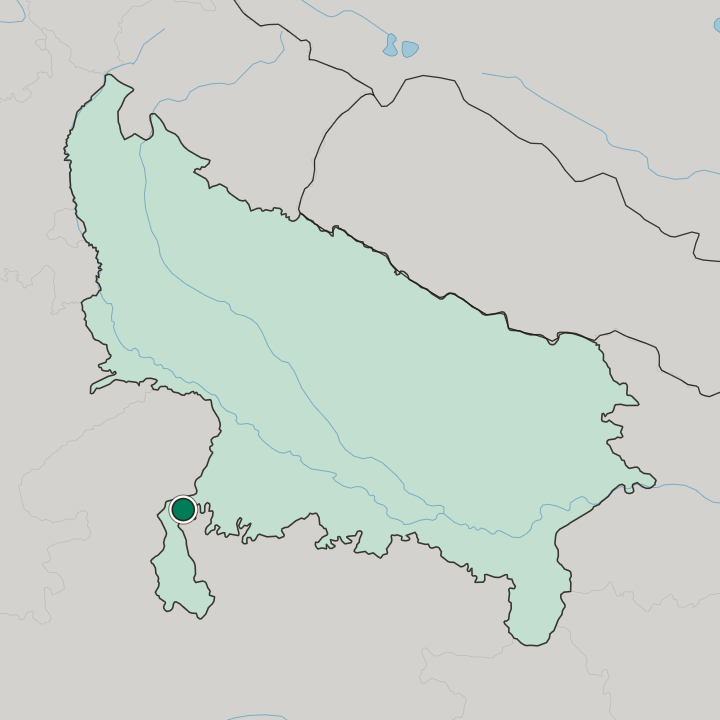
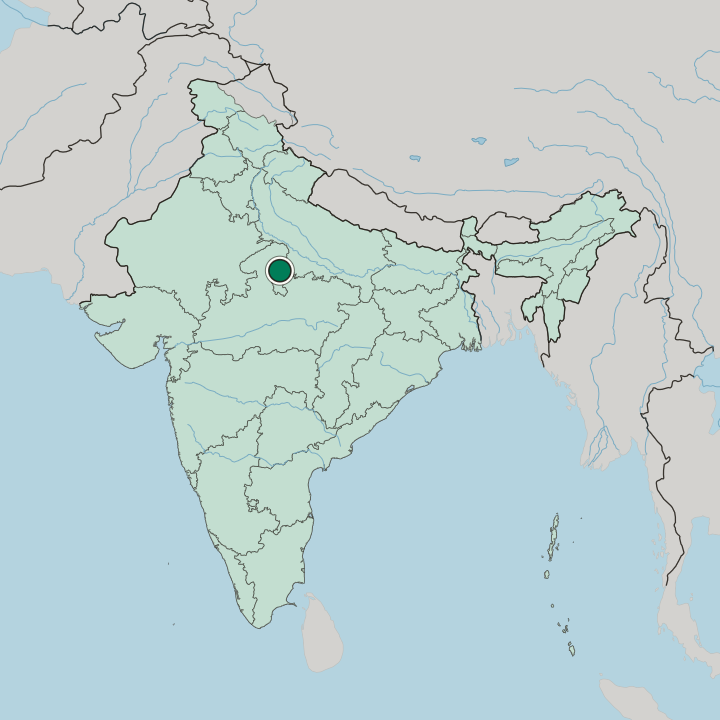
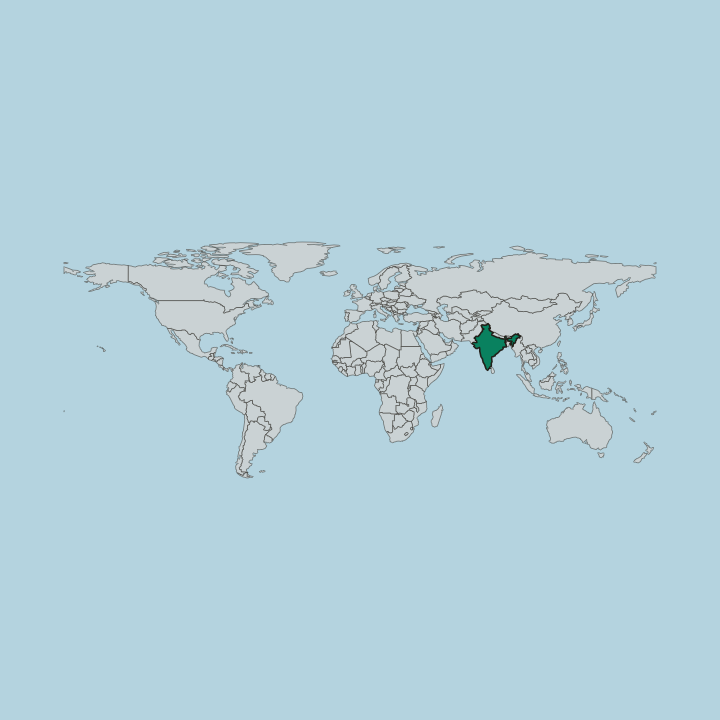
Jhansi lies in the south of Uttar Pradesh in northern India, in the Bundelkhand country. The city sits on a dry rocky plateau of granite hills, between the Betwa and the Pahuj rivers, with the plains of the Ganges to the north and the hills of Bundelkhand rolling south. The land runs dry and rocky.
Granite hills break the plain.
What is the climate of Jhānsi?
Jhansi has a hot, dry monsoon climate. Blazing summers and mild winters cross the plateau, with fierce heat before the rains and a modest monsoon in the late summer. Heat bakes the granite plateau.
Winter nights turn cool and dry.
How do you get to Jhānsi?
Jhansi lies in Bundelkhand in northern India, on the main line between Delhi and the south. Fast trains run to it across the plateau from Delhi and Bhopal, and roads lead to Orchha and Khajuraho. Trains cross at the junction.
Delhi lies north up the line.
Common questions
What is the best area to stay in Jhānsi?
The fort and downtown: Visitors here for the fort and history. Toward Orchha: Stays wanting the Bundela temples.
Good for
More cities in Uttar Pradesh
Updated September 2026