India · Uttar Pradesh
Where to Stay in Lucknow, Uttar Pradesh
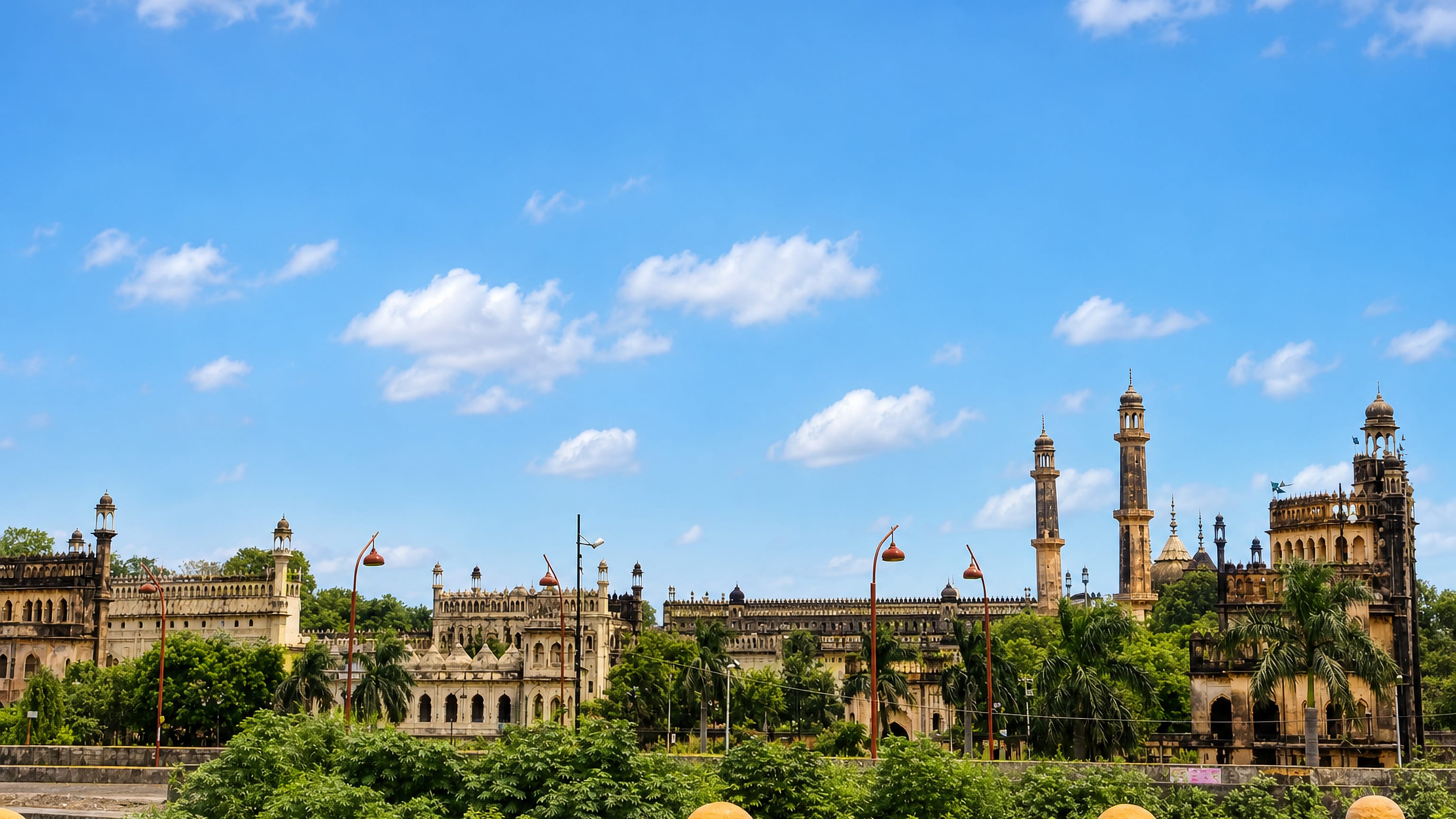
Imambaras and arched gateways line the old quarters of Lucknow, a heritage city in Uttar Pradesh, marked by the Bara Imambara and the Rumi Darwaza.
Hotel links are affiliate links: booking through them may earn us a commission, at no extra cost to you. It never affects how places are ranked. How this works


Where to stay in Lucknow
How the choice of base plays out on the ground.
Where you stay in Lucknow turns on how close you want to be to the historic quarters and their monuments. The old city, around the imambaras, is the heritage heart. From here the Bara Imambara, the Chhota Imambara, and the Rumi Darwaza are within walking reach, and the lanes stay dense with markets and shrines.
Base yourself here for the monumental core at your doorstep. The civil-lines belt, near The Residency Lucknow and the colonial churches, is calmer and more spread out, within easy reach of Christ Church, Lucknow and the Dilkusha Kothi. Space opens up here.
Beyond these quarters, the wider fabric of Uttar Pradesh fans into newer districts where room replaces the packed old-city streetscape and culture-minded visitors linger near the State museum Lucknow. Families favour the belt around the Nawab Wajid Ali Shah Prani Udyan.
Find hotels in Lucknow
Direct booking searches for these neighbourhoods.
The old city imambaras
Dense heritage heart around the imambaras, walking distance to the Bara Imambara, the Chhota Imambara, and the Rumi DarwazaFind hotels in The old city imambarasCalmer stays near The Residency LucknowThe civil-lines belt
Spread-out colonial belt beside The Residency Lucknow and Christ Church, Lucknow, within reach of the Dilkusha KothiFind hotels in The civil-lines beltFamilies near the Nawab Wajid Ali Shah Prani UdyanThe outer Uttar Pradesh districts
Roomier newer belt of Uttar Pradesh reaching the State museum Lucknow and the Nawab Wajid Ali Shah Prani UdyanFind hotels in The outer Uttar Pradesh districtsHotel links are affiliate links: booking through them may earn us a commission, at no extra cost to you. It never affects how places are ranked. How this works
Things to do in Lucknow
Ranked by global recognition; descriptions from Wikidata (CC0).
Museums & Galleries
1- State museum Lucknow
Churches & Religious Sites
3- Jama Mosque Heritage
- Asfi Mosque Heritage
- Christ Church, Lucknow
Castles & Historic Sites
2- Sikandar Bagh Heritage
- The Memorial Pillar, Lucknow
Landmarks & Notable Places
2- Kothi Roshan-ud-Daulah Heritage
- Lucknow railway station building Heritage
worth knowingacross 4 categories in Lucknow
About Lucknow
What is Lucknow known for?
Lucknow is known for its monumental gateways, its imambaras, and its heritage architecture. The Bara Imambara and the Chhota Imambara anchor the old city, and the ornate Rumi Darwaza frames the approach between them. Its history runs deep.
The Residency Lucknow and Sikandar Bagh preserve the memory of the city's turbulent past, while the Jama Mosque and the Asfi Mosque mark its long religious tradition.
What are the main landmarks in Lucknow?
The main landmarks in Lucknow are its imambaras, gateways, and heritage residences. The Bara Imambara is the vast ceremonial hall at the city's core, and the smaller Chhota Imambara stands nearby. Gateways define the skyline.
The Rumi Darwaza arches over the old approach, while The Residency Lucknow, Sikandar Bagh, and the Dilkusha Kothi preserve the ruins and gardens of the colonial era, and the Kothi Roshan-ud-Daulah adds to the roster of grand houses.
What is the history of Lucknow?
Lucknow's history is written in its monuments. The Bara Imambara and the Chhota Imambara, raised as ceremonial and religious halls, mark the era when the city flourished as a courtly capital, and the ornamental Rumi Darwaza gate belongs to that same age of building. Grand houses followed.
The Dilkusha Kothi and the Kothi Roshan-ud-Daulah rose as residences of the period, and the Karbala Malka Jhaha carries the city's tradition of Shia commemorative architecture. A later, harder chapter left its own marks across Lucknow. The Residency Lucknow and Sikandar Bagh, now standing as ruins and memorials, recall the siege and fighting that swept the city during the colonial upheavals, and The Memorial Pillar, Lucknow commemorates that struggle.
Colonial rule layered churches onto the older fabric, among them Christ Church, Lucknow, the All Saints Garrison Church, Lucknow, and the Church of Epiphany, Lucknow. These strata, courtly, religious, and colonial, still order the streets of Uttar Pradesh's heritage capital.
Where is Lucknow?
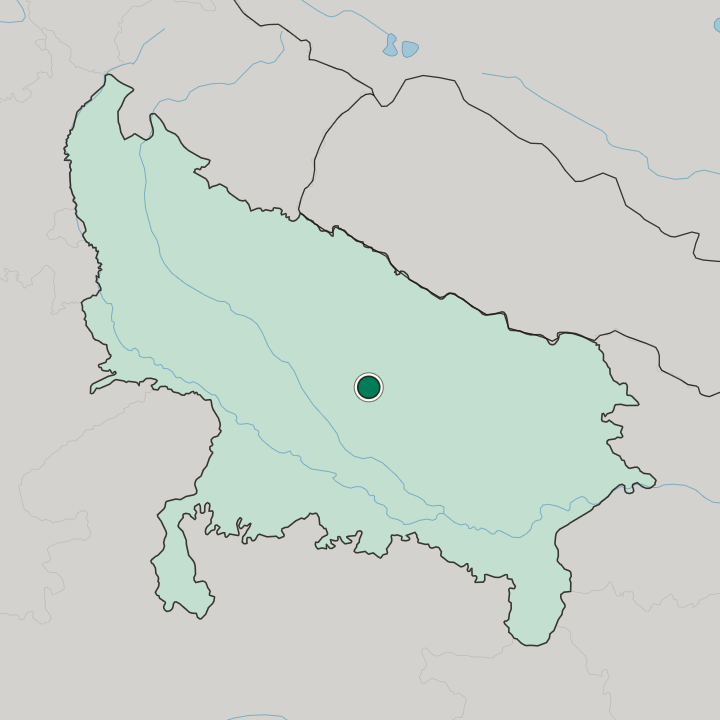
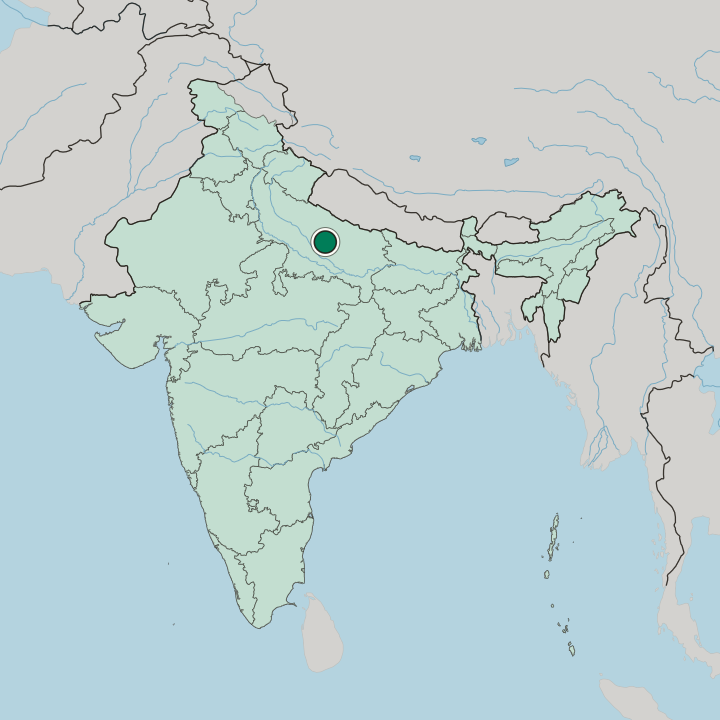
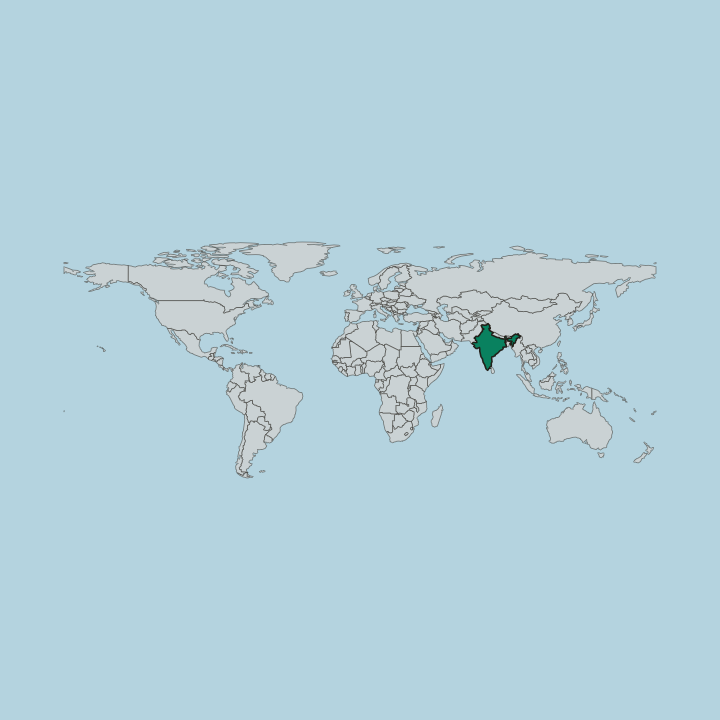
Lucknow sits inland on the flat plains of Uttar Pradesh, a low, level city far from any coast. The terrain is nearly flat. Its subtropical setting away from the sea gives it a sharper seasonal cycle than the tropical south, with hot summers and cool winters over the open plain.
The old quarters cluster tightly around the imambaras, while newer districts spread across the level ground beyond them.
What is the climate of Lucknow?
Lucknow has a subtropical climate with strongly marked seasons. Summers are long and hot on the open plain, and heat builds well before the rains arrive. A monsoon season delivers the main downpours.
Winters, by contrast, turn cool and dry, giving the inland plains of Uttar Pradesh a wider seasonal swing than the tropical coasts to the south.
How do you get to Lucknow?
Reaching Lucknow means arriving at a major hub of Uttar Pradesh. Rail is central here. The heritage Lucknow railway station building marks the approach, roads and highways link the city across the plains to other centres, and air services reach the wider corridor with onward transfers to the core.
Once here, the packed old quarter around the Bara Imambara is best crossed on foot or by short local rides.
Common questions
What is the best area to stay in Lucknow?
The old city imambaras: First-timers wanting the Bara Imambara at their doorstep. The civil-lines belt: Calmer stays near The Residency Lucknow. The outer Uttar Pradesh districts: Families near the Nawab Wajid Ali Shah Prani Udyan.
Good for
More cities in Uttar Pradesh
Updated September 2026