India · Uttar Pradesh
Where to Stay in Ayodhya, Uttar Pradesh
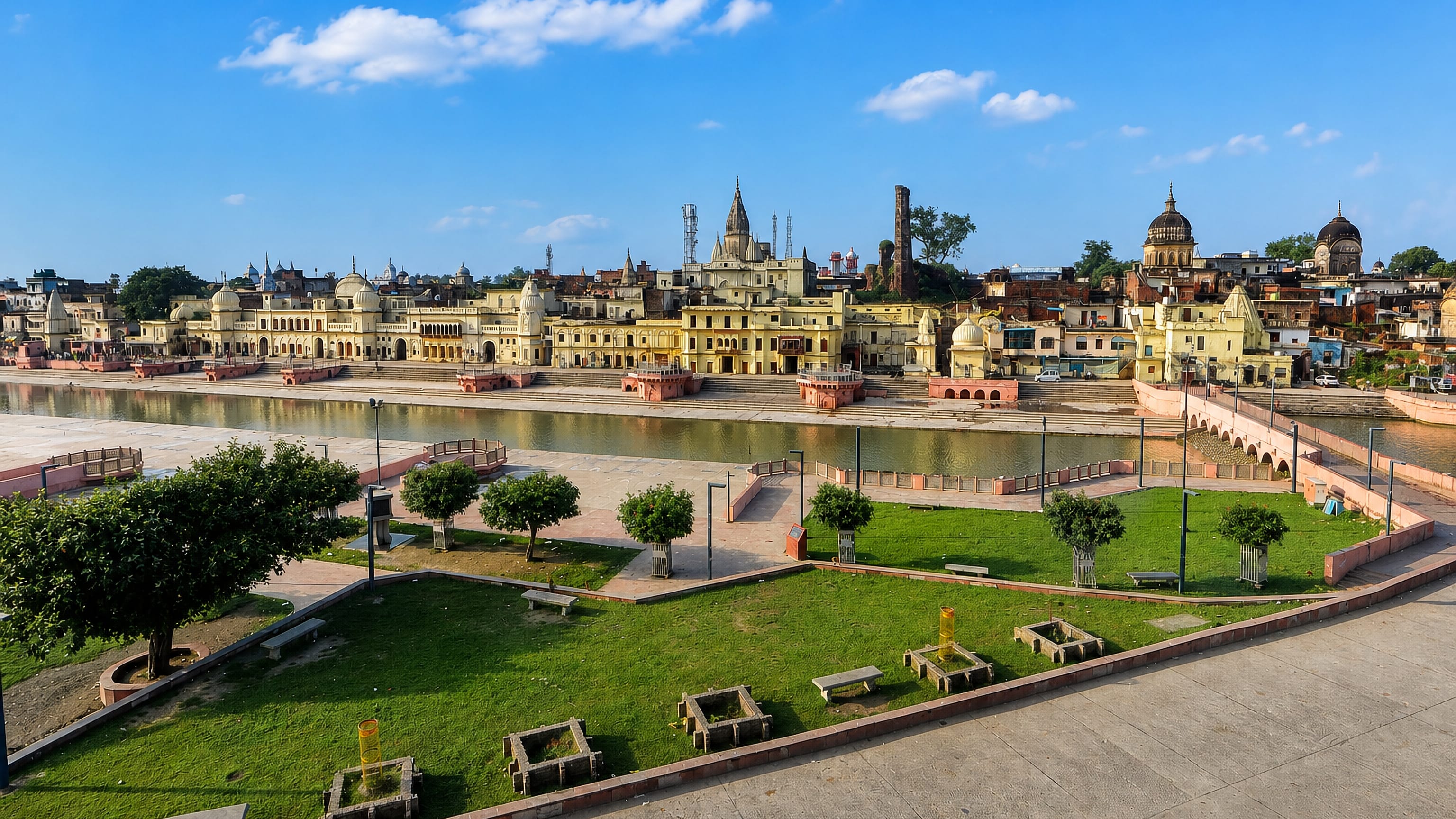
Temple bells carry across the Sarayu at Ayodhya, an ancient city in Uttar Pradesh, known for Ram Janmabhoomi and its place in the Ramayana.
Hotel links are affiliate links: booking through them may earn us a commission, at no extra cost to you. It never affects how places are ranked. How this works


Where to stay in Ayodhya
Where visitors usually base themselves, and why.
Ayodhya arranges its lodging around the temple quarter and the river, and where you sleep depends on why you have come. The streets near Ram Janmabhoomi form the pilgrim heart, closest to the main shrine and the constant movement of visitors. Rooms fill fast.
Guesthouses and dharamshalas cluster within walking reach of the temple gates, so the morning queues and the evening rituals sit only steps from your door. This is the base for pilgrims who want to be first through the doors. The Sarayu riverfront is quieter.
Lodgings near Ram ki Paidi look out over the long flight of ghats, where the aarti lamps gather at dusk and the crowds thin only once the evening ceremonies have ended. The tall Ram statue rises over this bend of the Sarayu. If you want river views and evening calm rather than the press of the shrine lanes, choose this side.
Awadh spreads beyond, and Uttar Pradesh road and rail links pass through the city. Diwali brings the heaviest demand of the year, and beds anywhere in the old city grow scarce for the festival. Reserve early or lose the room.
Many visitors also base themselves for day trips toward Varanasi further along the plain.
Find hotels in Ayodhya
Direct booking searches for these neighbourhoods.
Near Ram Janmabhoomi
The temple quarter around Ram Janmabhoomi keeps the main shrine, the dharamshalas, and the evening rituals within walking steps.Find hotels in Near Ram JanmabhoomiTravellers after river views and the dusk aarti at the ghatsSarayu riverfront
Lodgings by Ram ki Paidi overlook the long flight of ghats and the tall Ram statue on the Sarayu.Find hotels in Sarayu riverfrontHotel links are affiliate links: booking through them may earn us a commission, at no extra cost to you. It never affects how places are ranked. How this works
About Ayodhya
What is Ayodhya known for?
Ayodhya is known above all as a holy city of Hinduism and the setting of the Ramayana. Hindu tradition places the birth of Rama here, the prince held to be an incarnation of Vishnu, and pilgrims travel to the site of Ram Janmabhoomi through the year. The Sarayu frames the old city.
Diwali draws the largest gatherings, when rows of lamps line the ghats of Ram ki Paidi and the river carries their reflection into the dark. Awadh lends its cuisine and courtly culture.
What are the main landmarks in Ayodhya?
Ayodhya gathers its landmarks along the Sarayu and around the temple precinct. Ram Janmabhoomi is the principal site, the temple complex that Hindu tradition identifies as the birthplace of Rama. Ram ki Paidi is a series of ghats stepping down to the river, built for ritual bathing and lit for the evening aarti.
Above the water stands the tall Ram statue. Together these anchor the pilgrim route through the old city.
What is the history of Ayodhya?
Ayodhya counts among the oldest cities of the Awadh region, its origins reaching back beyond written record. Its name and fame rest on the Ramayana, the ancient Indian epic in which the city is the capital of a kingdom and the birthplace of Rama. In that tradition Rama, held to be an incarnation of Vishnu, rules as the prince of Ayodhya, and the story fixed the city in the religious imagination of Hinduism for centuries.
The Sarayu has always framed it. Pilgrims came to bathe, to pray, and to walk the sites the epic names. Over the long span since, Ayodhya has kept its identity as one of the major holy cities of Hinduism.
Its temples draw visitors from across Uttar Pradesh and beyond. Temples, ghats, and shrines rose and were rebuilt along the river through successive eras. The city gives its name to both a district and a wider division.
It serves as their administrative headquarters. That double role, sacred centre and seat of government, still shapes the plan of the streets and the rhythm of the year around festivals such as Diwali.
Where is Ayodhya?
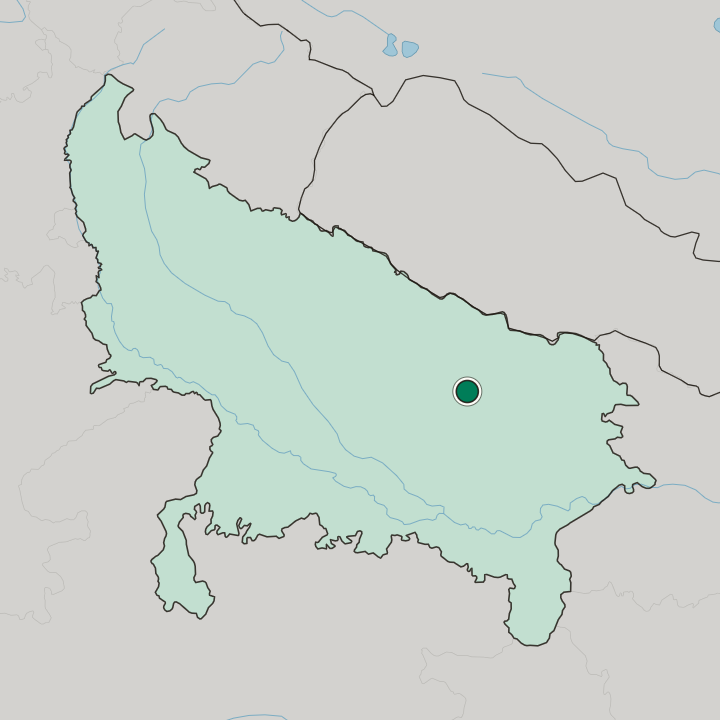
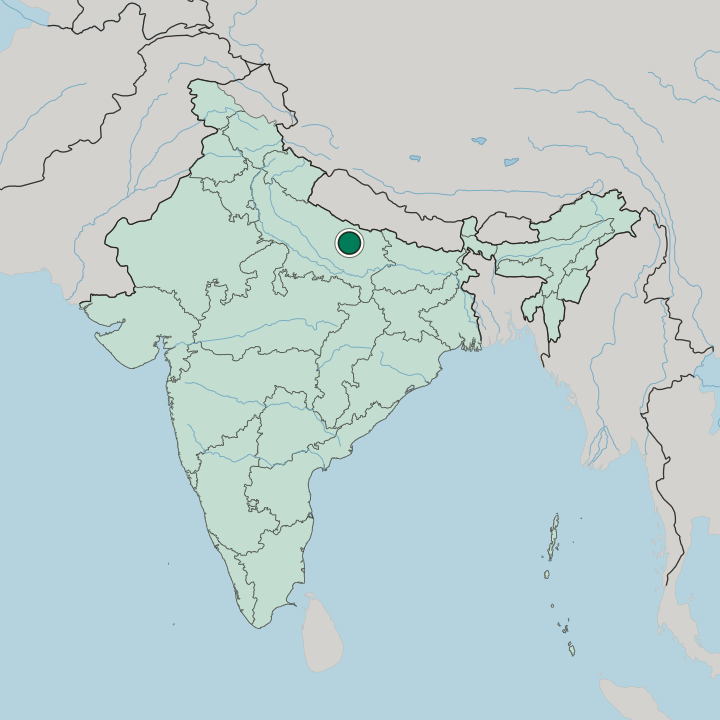
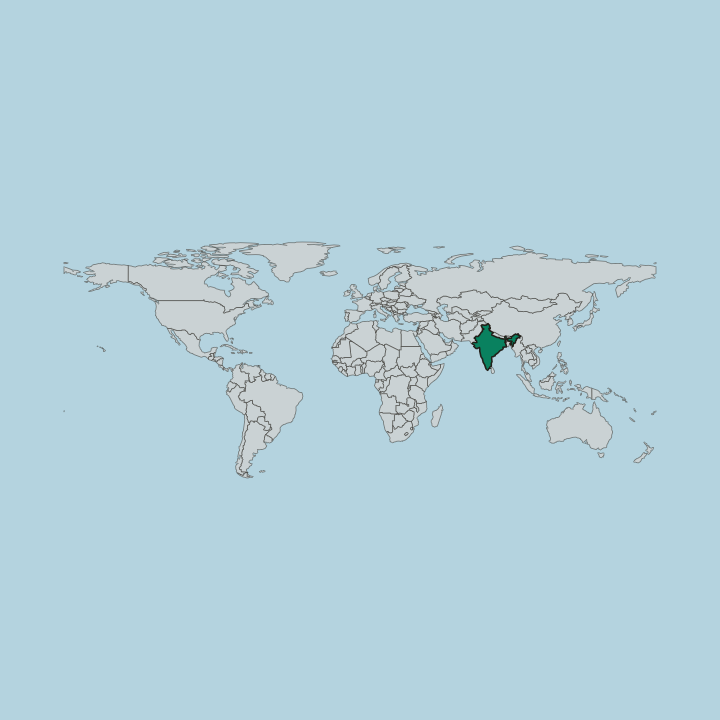
Ayodhya sits on the banks of the Sarayu river in the Awadh region of Uttar Pradesh. The Sarayu curves along the city's edge, marking the boundary between the old temple quarters and the country beyond. Water defines the site.
It is set within the wide Awadh countryside of Uttar Pradesh, and the city of Varanasi lies further off along the river lands of the same state. Ayodhya district and the larger Ayodhya division take their name and their centre from the city.
What is the climate of Ayodhya?
Ayodhya has a subtropical climate, with three clear seasons across the year. Summers before the monsoon turn long and very hot on the plains around the Sarayu. Then the rains arrive.
The monsoon brings heavy, humid weeks that swell the river and green the surrounding Awadh countryside before the skies clear. Winters are short, cool, and dry, the pleasant stretch when most pilgrims come and when Diwali lights the ghats.
How do you get to Ayodhya?
Ayodhya is reached mainly by road and rail through Uttar Pradesh. Routes across the Awadh region converge on the city from the surrounding districts. The Sarayu is crossed on the way in.
Long-distance services link it with Varanasi and other centres of the state, so pilgrims arrive from far beyond the region for the major festivals. Local traffic thickens near the temple quarter.
Common questions
What is the best area to stay in Ayodhya?
Near Ram Janmabhoomi: Pilgrims who want to reach the main shrine gates before the morning queues form. Sarayu riverfront: Travellers after river views and the dusk aarti at the ghats.
Good for
More cities in Uttar Pradesh
Updated September 2026