India · Uttar Pradesh
Where to Stay in Budaun, Uttar Pradesh
Budaun sits east of the Sot. The Delhi Sultanate ruled from here for four years under Iltutmish, from 1210 to 1214.
Hotel links are affiliate links: booking through them may earn us a commission, at no extra cost to you. It never affects how places are ranked. How this works


Where to stay in Budaun
How the choice of base plays out on the ground.
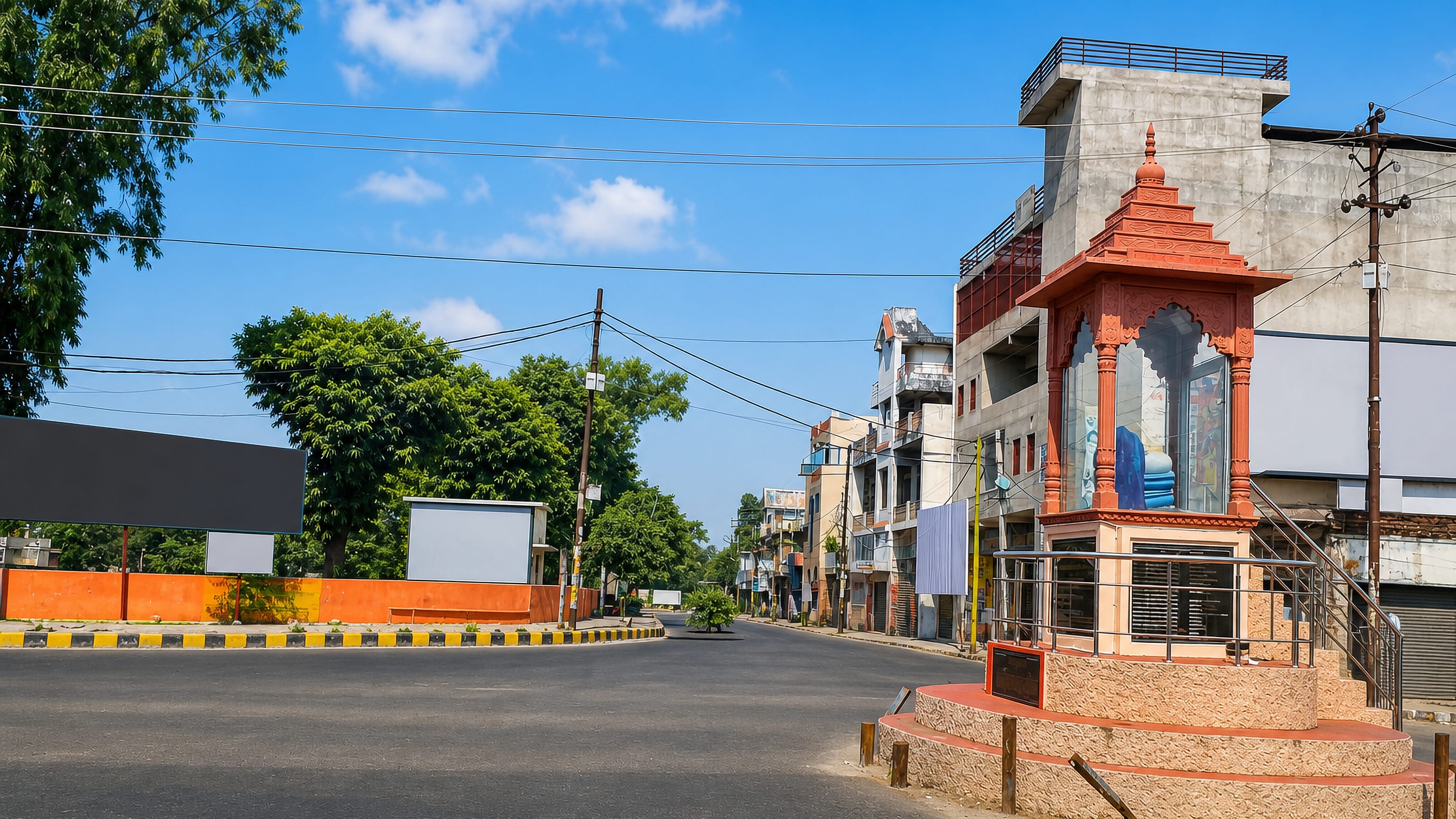
Budaun's beds sit in the lanes around the market. That quarter holds most of what the city offers a traveller, along with the offices that run Budaun district, so an arrival on foot reaches nearly everything without a ride. Budaun is roughly six hours by road from New Delhi and about the same from Lucknow, so a night here usually breaks a longer journey rather than ending one.
Little of it is built for visitors. Beds tend to be plain, aimed at traders working the market, families in on religious business, and officials posted to the district seat. West of the built-up edge the ground falls away toward the Sot, and a room out that way trades the noise of the market for farmland and a longer walk back in.
South, the road toward the Ganges carries the through traffic, which suits anyone driving on to Lucknow the next morning. Neither edge has much choice. If you want to walk to everything Budaun has, stay in the old core and treat the outskirts as a fallback when the market draws a crowd.
Find hotels in Budaun
Direct booking searches for these neighbourhoods.
The market lanes
The lanes packed around Budaun's market carry the town's rooms and the district headquarters inside one walk.Find hotels in The market lanesQuieter nights on the farmland side, out where the ground falls to the SotThe western edge toward the Sot
Building thins west of the market until the fields reach the Sot, about a mile from the old city.Find hotels in The western edge toward the SotDrivers carrying on to the Ganges or south-east toward LucknowThe southern road to the Ganges
Through traffic uses the southern road toward the Ganges, so rooms there favour an early start over a walkable evening.Find hotels in The southern road to the GangesHotel links are affiliate links: booking through them may earn us a commission, at no extra cost to you. It never affects how places are ranked. How this works
About Budaun
Four years of sultanate rule set Budaun apart.
What is Budaun known for?
Iltutmish governed the Delhi Sultanate from the city between 1210 and 1214, and under Mughal rule it became the most important post on the northern frontier of the empire. Trade came next. The city has long worked as a large market for the farming country of Rohilkhand, and it carries religious weight in the region as well.
Budaun district runs its administration from here.
What are the main landmarks in Budaun?
Budaun's trading quarter has been the centre of gravity since medieval times, and walking it is the most direct way to read a city that spent four years as the Delhi Sultanate's seat. Religious sites draw their own traffic. West of the built-up ground the Sot marks the city's limit, while the Ganges runs some 27 km to the south, a short drive for anyone who wants the river itself.
What is the history of Budaun?
Budaun's importance begins with the Delhi Sultanate. Iltutmish held the city as his capital from 1210 to 1214, four years in which a market town on the Rohilkhand plain became the seat of sultanate government. Four years is a brief spell for a capital, but the record keeps it.
The sultanate moved on. What stayed was a place that had been central once, along with the trading connections and the administrative habits that such a spell leaves behind in a market town. Mughal rule gave the city a second life.
Under that reign Budaun ranked as the most important post on the northern frontier, a designation that put it among the empire's key frontier stations. Commerce outlasted both regimes. The city stands a mile east of the Sot, on the plain that runs down to the Ganges some 27 km to the south, and that position between two rivers explains why successive powers kept a hand on it.
Successive administrations left the plan intact: a dense old city, the market at its heart, and the district offices working from the same ground. Budaun district still runs from there.
Where is Budaun?
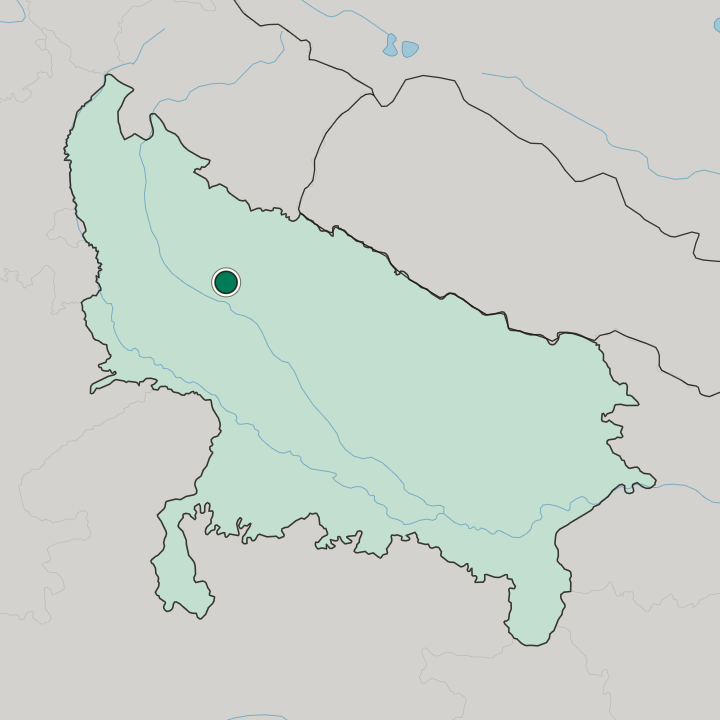
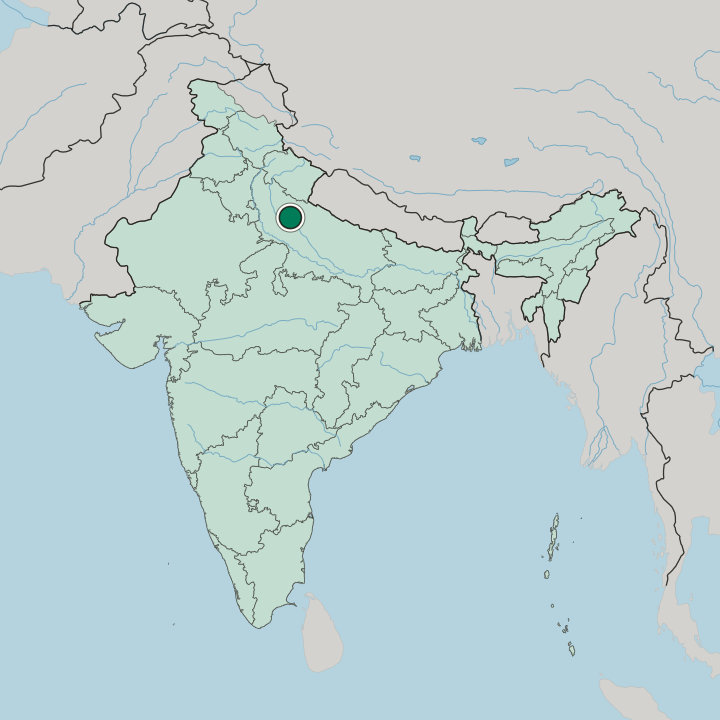
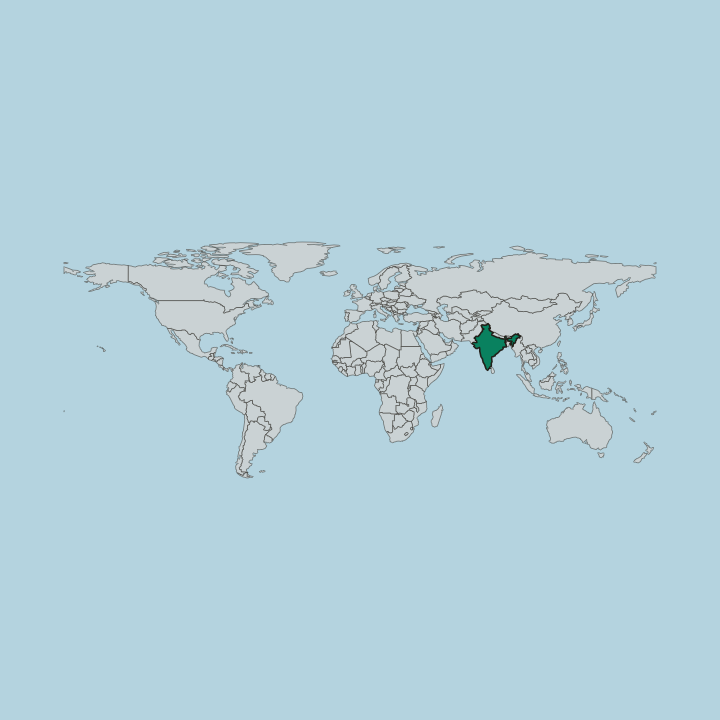
The Sot sets the western limit. Budaun stands about a mile east of that river, on the flat country of the Rohilkhand region, with the Ganges running some 27 km to the south. Uttar Pradesh spreads in every direction from here, and the rest of India is a long drive: New Delhi lies roughly 230 km to the north-west, Lucknow about 245 km to the south-east.
Flat ground and river water are the whole story of the site.
What is the climate of Budaun?
Inland position sets Budaun's weather. Budaun lies well inside the subtropical belt, on open plain, with no coast near enough to soften either end of the year, so the hot months run long and hard before the rains break them. The Ganges takes the runoff.
Winter is short here. Dust off the surrounding fields is a fact of the dry months, and the Sot runs low with them.
How do you get to Budaun?
Every arrival in Budaun comes overland. The run from New Delhi covers about 230 km to the south-east and takes roughly six hours, and the drive from Lucknow, about 245 km to the north-west, takes about the same. Neither is a short hop.
Budaun's position in Rohilkhand puts it off the fastest corridors, so the practical approach is a car or coach for the last stretch, whichever city the journey starts from.
Common questions
What is the best area to stay in Budaun?
The market lanes: Traders and travellers who want Budaun's market and the district offices on foot. The western edge toward the Sot: Quieter nights on the farmland side, out where the ground falls to the Sot. The southern road to the Ganges: Drivers carrying on to the Ganges or south-east toward Lucknow.
More cities in Uttar Pradesh
Updated September 2026