India · Uttar Pradesh
Where to Stay in Mathura, Uttar Pradesh
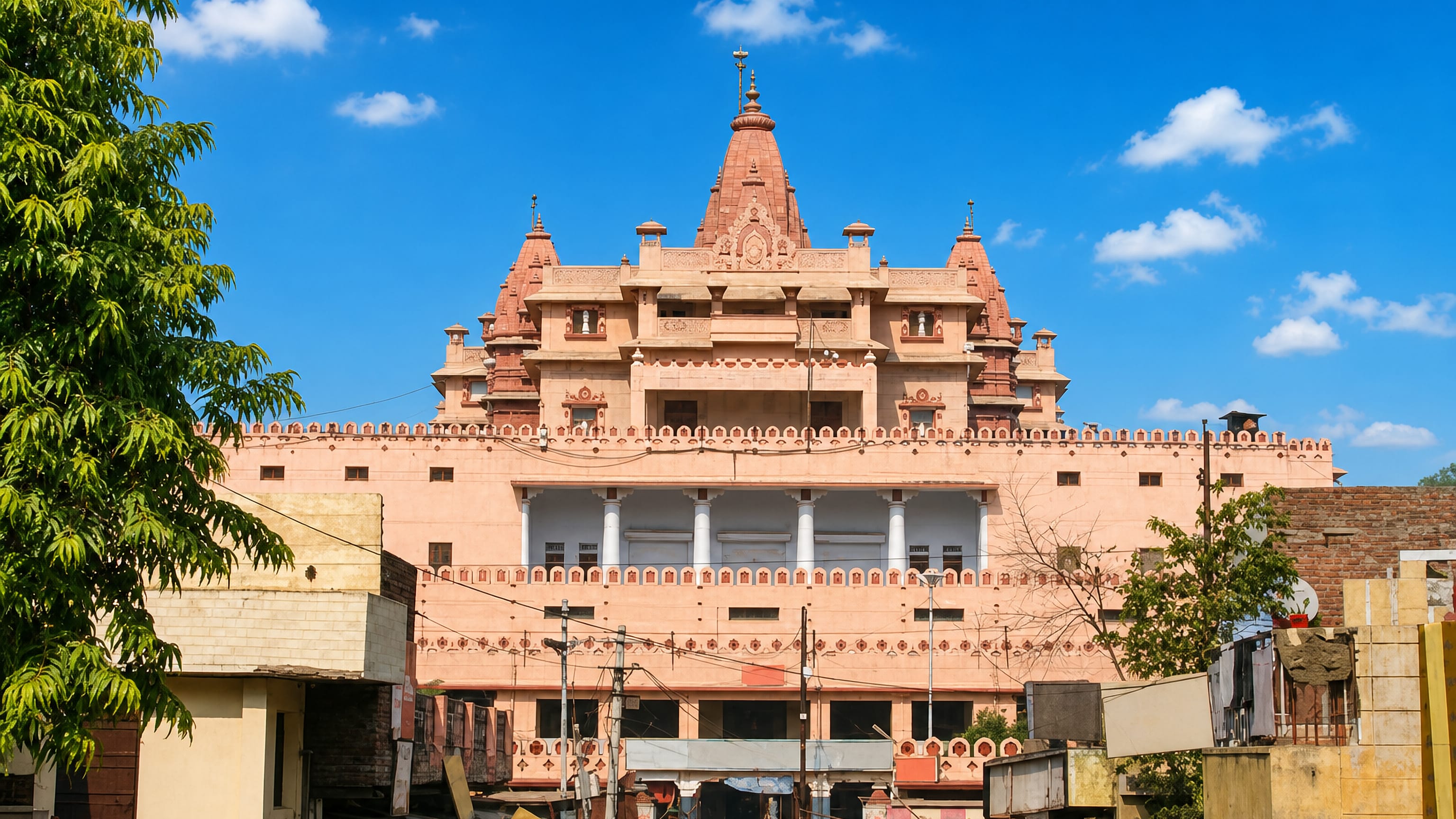
The Yamuna River bends past Mathura, a Hindu holy city in the Braj region of Uttar Pradesh, known as the birthplace of Krishna and for Kans Quila.
Hotel links are affiliate links: booking through them may earn us a commission, at no extra cost to you. It never affects how places are ranked. How this works


Where to stay in Mathura
Where visitors usually base themselves, and why.
Mathura runs along the Yamuna River, and where you stay depends on whether you want the temple core or the quieter edge toward Vrindavan. The lanes around the Radha Vallabh Temple sit at the pilgrim heart of the Braj region, close to the ghats and the shrines that mark Krishna's birthplace. Devotion sets the rhythm here.
The Government Museum and Kankali Tila lie within reach, and the streets keep the plan the old pilgrim routes first traced. Rooms here run simple and near the water. The road toward Vrindavan is the other choice.
Guesthouses spread along the way between the two holy towns, catching the calmer air away from the busiest ghats, and they suit visitors who want easy mornings and short runs into the temple core. The Kans Quila and the Sacred Heart Church break the route with older stone. Getting around stays easy whether you base by the ghats or out toward Vrindavan.
Caravan roads have met at Mathura for ages, so highways and rail draw close to the centre and the sights of Uttar Pradesh stay near. Book early for the pilgrimage seasons, when the ghats fill and rooms grow scarce.
Find hotels in Mathura
Direct booking searches for these neighbourhoods.
Radha Vallabh temple core
The devotional heart of the Braj region by the Radha Vallabh Temple and the Yamuna River ghats, close to the Government Museum and Kankali Tila.Find hotels in Radha Vallabh temple coreQuieter stays between the two holy townsVrindavan road
The calmer route toward Vrindavan past the Kans Quila and the Sacred Heart Church, away from the busiest ghats of Mathura.Find hotels in Vrindavan roadHotel links are affiliate links: booking through them may earn us a commission, at no extra cost to you. It never affects how places are ranked. How this works
About Mathura
What is Mathura known for?
Mathura is known as a Hindu holy city on the Yamuna River, believed to be the birthplace of Krishna. Pilgrims fill its lanes. The Radha Vallabh Temple draws devotees to the heart of the Braj region, while the Government Museum holds the ancient sculpture that made the city a name in art history.
Kankali Tila keeps the marks of its early religious communities beneath the ground. The Kans Quila and the Sacred Heart Church stand among the temples of Uttar Pradesh.
What are the main landmarks in Mathura?
Mathura keeps its landmarks among the temples and mounds of the Braj region. The Radha Vallabh Temple stands at the devotional core, drawing pilgrims to Krishna's city on the Yamuna River. Older stone rings the shrines.
The Government Museum holds the ancient sculpture unearthed here, and Kankali Tila preserves the buried marks of early worship. The Kans Quila and the Sacred Heart Church add their own chapters to the skyline of Uttar Pradesh.
What is the history of Mathura?
Mathura grew on the Yamuna River as one of the oldest cities of the Braj region, held sacred as the birthplace of Krishna. Faith and trade met here early. In ancient times the city stood at the junction of important caravan routes, an economic hub where merchants crossed the plains of Uttar Pradesh, and its wealth drew temples, monasteries, and sculptors to the riverbank.
Pilgrims followed the traders. Kankali Tila carries the buried record of those early religious communities, and the sculpture they left made Mathura a landmark in the history of Indian art. The Government Museum gathers that ancient work.
Dynasties rose and fell along the river. The Kans Quila recalls the old fort ground, tied in legend to the king Krishna is said to have overthrown, while the Radha Vallabh Temple carried the devotional life on through later centuries. The Sacred Heart Church marks a newer community among the shrines.
Trade routes faded. Yet the pilgrim city endured, and Mathura kept its place as a holy heart of the Braj region. Its story runs from caravan crossroads to sacred birthplace on the Yamuna.
Where is Mathura?
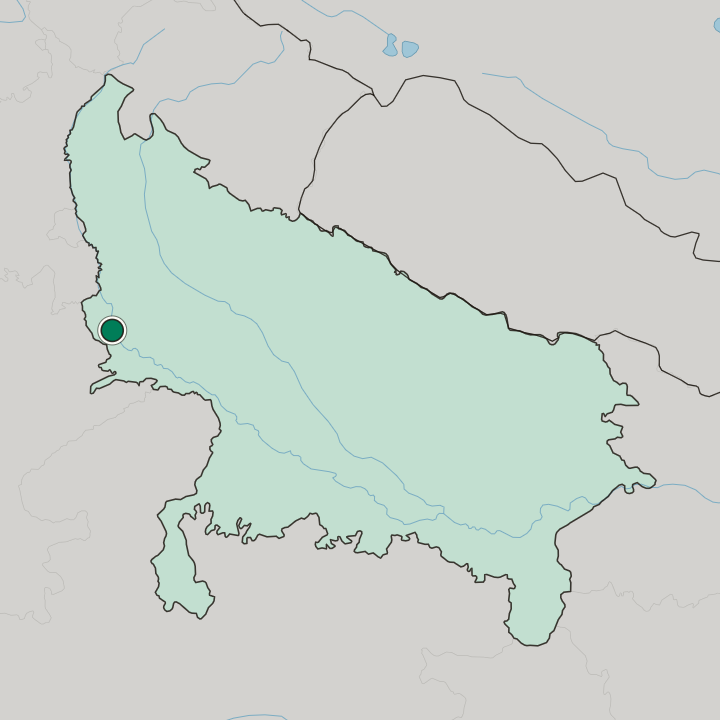
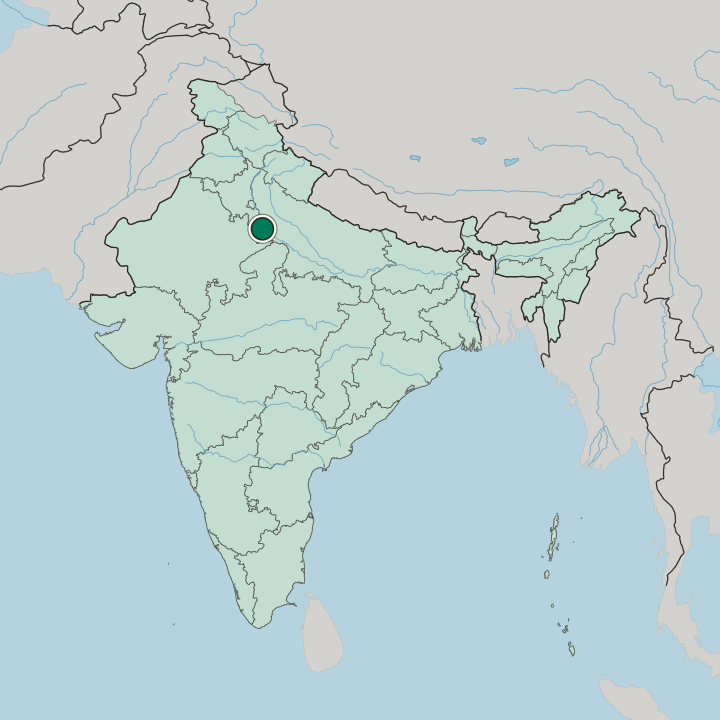
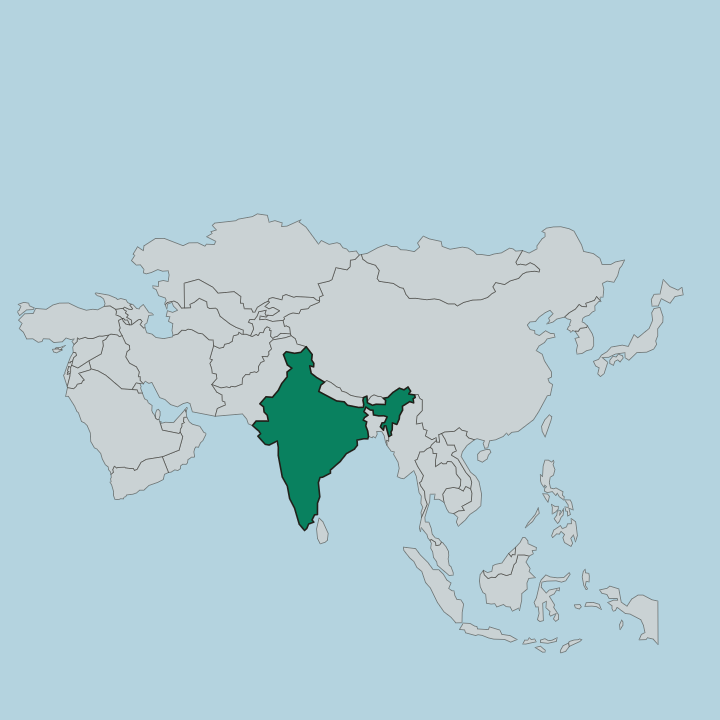
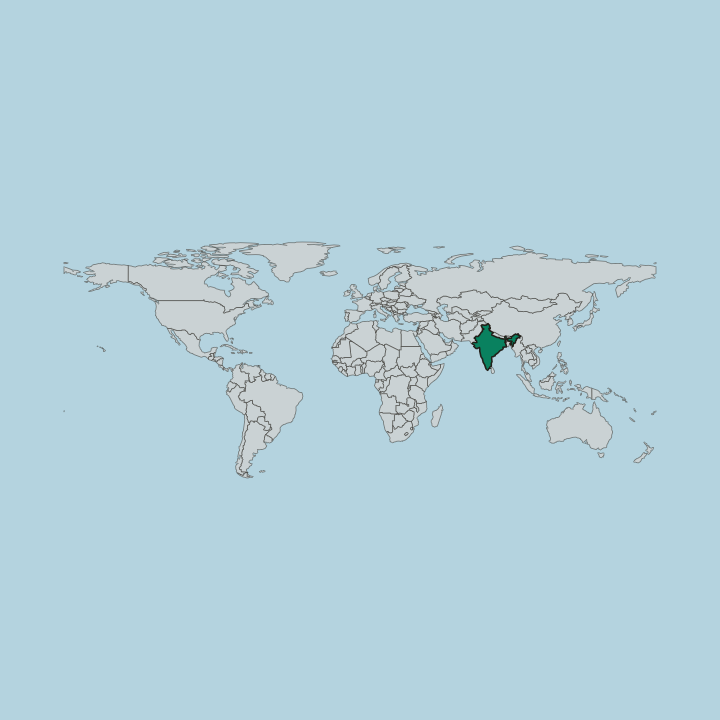
Mathura lies on the banks of the Yamuna River, in the Braj region of Uttar Pradesh, where the flat plains of northern India stretch away from the water. Flat, low ground spreads on every side of Mathura. The river sets the city's edge and its ghats, and the built core gathers close to the Radha Vallabh Temple before thinning out toward Vrindavan across the fields.
Kankali Tila rises as a low mound above the plain. Little else breaks the flat around it.
What is the climate of Mathura?
Mathura has a hot subtropical climate on the plains of Uttar Pradesh, tempered only slightly by the Yamuna River. Long, dry heat holds over Mathura's Braj plains for months. The heat climbs hard over the flat Braj region before the monsoon, and the ghats bake under a bright sky through the driest months.
Cooler air arrives in the short winter, when mornings turn crisp along the river. Rain sweeps in with the monsoon.
How do you get to Mathura?
Mathura is a pilgrim hub of the Braj region, reached by rail and road across the plains of Uttar Pradesh. Caravan roads once met here. Those old routes have given way to highways and railways that draw close to the Yamuna River and the temple core, carrying pilgrims to Krishna's city and on toward Vrindavan.
Trains stop near the heart of the old town, a short walk from the ghats. The flat country makes every approach open and level.
Common questions
What is the best area to stay in Mathura?
Radha Vallabh temple core: Pilgrims who want the ghats and shrines within walking reach. Vrindavan road: Quieter stays between the two holy towns.
Good for
More cities in Uttar Pradesh
Updated September 2026