India · Uttar Pradesh
Where to Stay in Muzaffarnagar, Uttar Pradesh
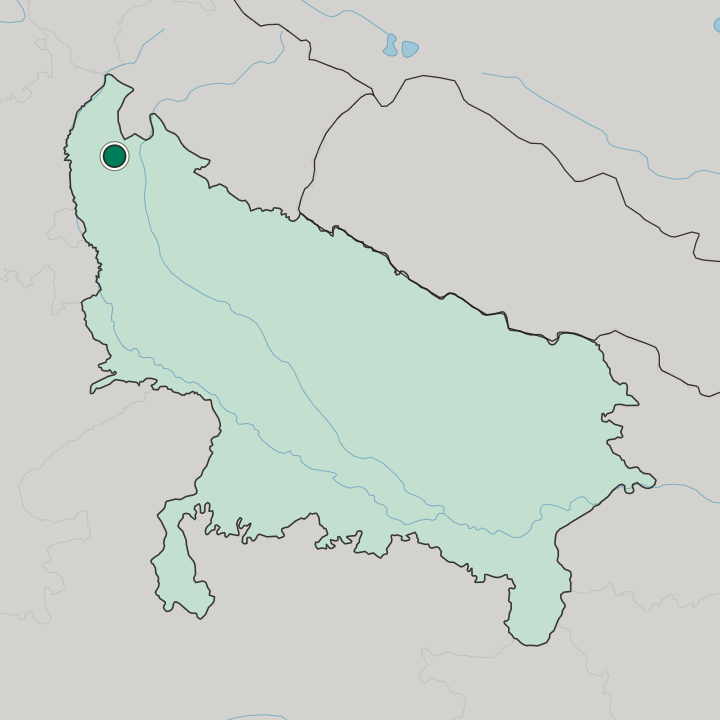
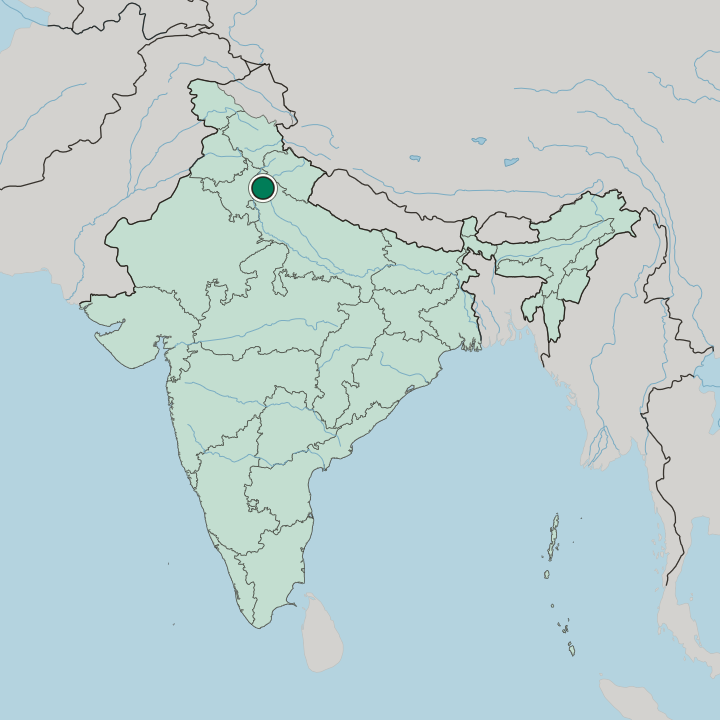
Muzaffarnagar, founded in 1633, lies midway on the National Highway from Delhi to Haridwar and Dehradun, in Muzaffarnagar district, Uttar Pradesh.
Hotel links are affiliate links: booking through them may earn us a commission, at no extra cost to you. It never affects how places are ranked. How this works


Where to stay in Muzaffarnagar
How the choice of base plays out on the ground.
The highway decides most stays. Muzaffarnagar stands midway on the road linking Delhi with Haridwar and Dehradun, so much of what passes through belongs to people breaking a longer drive rather than visiting the city itself. That sets the first choice.
A room on the National Highway trades quiet for an easy departure, and one set back from it trades the reverse, which in a city of this size is a difference of a few minutes either way. Muzaffarnagar covers about 12 square kilometres. Rail changes the calculation.
The city is well connected with the national railway network, and a traveller arriving that way has no reason to weigh the highway at all, since the relevant distance becomes the walk or the short ride from the platforms. Muzaffarnagar district accounts for much of the rest, since a city known as the sugarbowl of Uttar Pradesh draws business from its own countryside before it draws anyone from further off. The founding date is 1633.
Nothing in the record marks out a quarter from that century, so the practical choice in Muzaffarnagar remains the road, the rails, or the ground between them.
Find hotels in Muzaffarnagar
Direct booking searches for these neighbourhoods.
The National Highway frontage
Muzaffarnagar sits midway on the National Highway, which makes a bed on the road itself the shortest possible pause in a long day's drivingFind hotels in The National Highway frontageArrivals on the national railway networkThe rail side of Muzaffarnagar
A bed near the platforms puts the national railway network within walking distance and leaves the highway traffic out of the eveningFind hotels in The rail side of MuzaffarnagarJourneys continuing north out of Muzaffarnagar districtThe Haridwar and Dehradun end of town
The leg of the highway that carries on to Haridwar and Dehradun starts at this edge, so a stay here avoids crossing the whole city at dawn. Few places to stay nearby — book ahead.Find hotels in The Haridwar and Dehradun end of townHotel links are affiliate links: booking through them may earn us a commission, at no extra cost to you. It never affects how places are ranked. How this works
About Muzaffarnagar
Sugar carries the reputation.
What is Muzaffarnagar known for?
Muzaffarnagar is known as the sugarbowl of Uttar Pradesh, an epithet that says more about the working ground of Muzaffarnagar district than any single building in the city does. The road matters as much. Traffic between Delhi, Haridwar and Dehradun runs through on the National Highway, and the national railway network reaches the city as well, which is why so much passes through a place of this size.
What are the main landmarks in Muzaffarnagar?
Monuments are missing from Muzaffarnagar's file. What stands out instead is the position: the National Highway running between Delhi, Haridwar and Dehradun passes through, and the countryside of Muzaffarnagar district behind it is what earned the city its name as the sugarbowl of Uttar Pradesh. A visitor sees a working city dating from 1633 rather than a set of sights.
What is the history of Muzaffarnagar?
One year anchors the record. Muzaffarnagar was founded in 1633, long before either the National Highway or the national railway network existed, so the city's beginning owes nothing to the traffic that defines it in the record. 1633 gives the city a start date and little else, since the record carries no charter story, no founder's monument and no later event fixed to a year. Land came first.
The countryside of Muzaffarnagar district is what gave the city the name it still carries, the sugarbowl of Uttar Pradesh, and that agricultural character sits behind the city's later role on the road. Routes did the rest. The line between Delhi and the Haridwar/Dehradun end of the highway put Muzaffarnagar at the midpoint of a busy corridor, and a city at a midpoint takes on the work of serving movement.
Rail followed the same logic. Muzaffarnagar's connection to the national railway network reinforced what the National Highway had already made of it, and Muzaffarnagar district remained the ground that fed both. India's state structure supplies the last layer, with the city sitting under Muzaffarnagar district inside Uttar Pradesh rather than answering to anything closer to hand.
Where is Muzaffarnagar?
The city is compact. Muzaffarnagar covers about 12 square kilometres of Muzaffarnagar district, a small footprint for a place that sits midway on the run between Delhi and Dehradun, which means the district around it accounts for far more ground than the city does. Uttar Pradesh sets the wider frame, and the farming country that earned Muzaffarnagar the sugarbowl name runs out from the city on all sides.
What is the climate of Muzaffarnagar?
Heat is the constant here. The subtropical band north of the equator covers all of Muzaffarnagar district, which leaves a hot middle to the year and a milder stretch at either end, and the highway to Haridwar and Dehradun is a very different drive between the two. The cooler end of the year suits a long drive better.
Neither the road nor the railway changes with the season, but the comfort of using them does, which is the whole of the climate question in a city of this size.
How do you get to Muzaffarnagar?
Two routes serve the city. The National Highway between Delhi and the Haridwar/Dehradun end passes straight through Muzaffarnagar, which is the reason most road journeys stop here at all rather than pressing on. Rail is the alternative.
Muzaffarnagar is well connected with the national railway network, so a traveller coming from further off in Uttar Pradesh or beyond it can reach Muzaffarnagar district without touching the highway at any point.
Common questions
What is the best area to stay in Muzaffarnagar?
The National Highway frontage: Drivers breaking the run between Delhi and Dehradun. The rail side of Muzaffarnagar: Arrivals on the national railway network. The Haridwar and Dehradun end of town: Journeys continuing north out of Muzaffarnagar district.
More cities in Uttar Pradesh
Updated September 2026