India · Uttar Pradesh
Where to Stay in Pīlibhīt, Uttar Pradesh
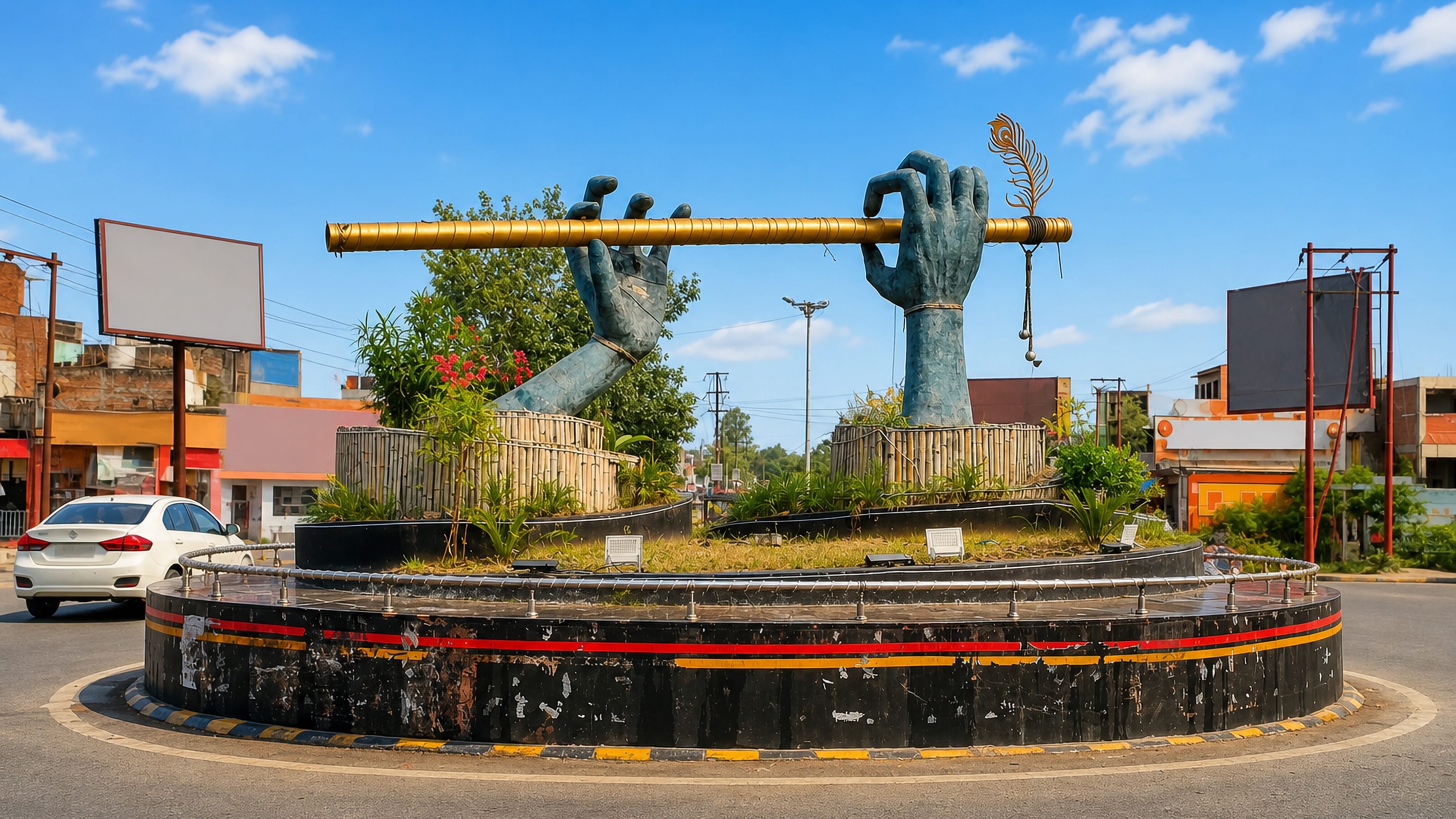
Pīlibhīt, called Bansuri Nagari for its flute makers, lies in forest country below the Sivalik Range where the river Gomati rises.
Hotel links are affiliate links: booking through them may earn us a commission, at no extra cost to you. It never affects how places are ranked. How this works


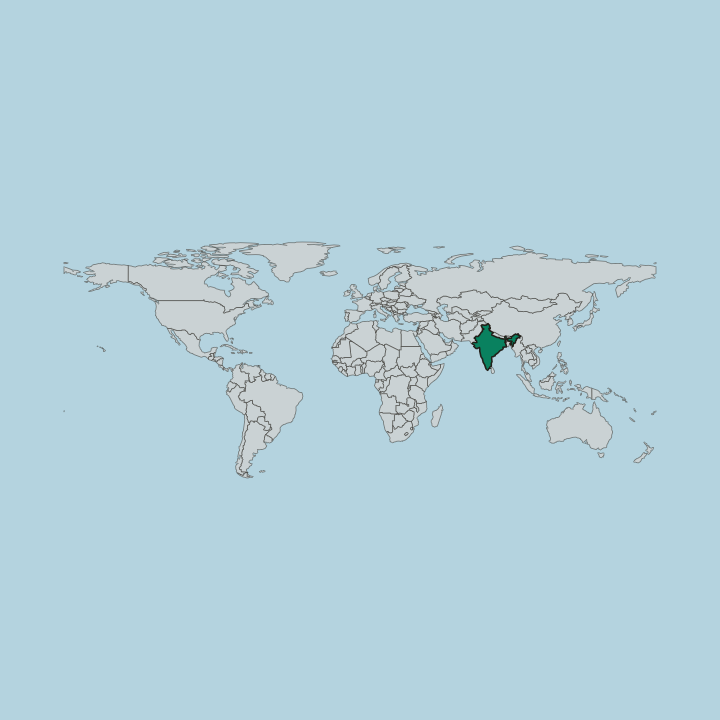
Where to stay in Pīlibhīt
Where visitors usually base themselves, and why.
Forest sets the terms here. Pīlibhīt stands among the most forest-rich country in Uttar Pradesh, below the foothills of the Sivalik Range, and a stay is worth planning around that green edge rather than around the streets. The flute workshops of Bansuri Nagari are the other draw, and they are in the city itself.
Bareilly is 48 km off. That larger city carries the wider supply of rooms, so the real decision is between forest access and convenience. The trees settle it for most.
Pilibhit district reaches to the boundary of Nepal. Staying in the city keeps the origin of the river Gomati, the forest tracks and the flute workshops inside a single day's movement, which is the argument for basing here instead of commuting in from Bareilly division. You will want the quieter edge of town if the forests and the Gomati are the reason for the trip, and the centre if the flutes and the markets are.
Rohilkhand is open farm country beyond the trees. Rooms are simple in both places. Nothing here is built for large numbers of visitors.
Find hotels in Pīlibhīt
Direct booking searches for these neighbourhoods.
The forest edge
The city's outer edge faces the forest belt below the Sivalik Range, which puts the tracks and the origin of the river Gomati within reach before the day heats up. Lodging is scarce in this area; reserve in advance.Find hotels in The forest edgebuying flutes where Pīlibhīt earned the name Bansuri NagariThe Bansuri Nagari workshops
Flute making and exporting is done in the city's own streets, so a central room puts the workshops, the markets and the road to Bareilly all within a short walk.Find hotels in The Bansuri Nagari workshopsHotel links are affiliate links: booking through them may earn us a commission, at no extra cost to you. It never affects how places are ranked. How this works
About Pīlibhīt
Flutes carry the name.
What is Pīlibhīt known for?
Pīlibhīt has long been called Bansuri Nagari, the land of flutes, for making and exporting the bulk of the flutes India uses, and the workshops that do it stand in an otherwise forested district. The river Gomati rises here, and the woodland of Pilibhit district counts among the most forest-rich country India has. Bareilly lies 48 km away.
What are the main landmarks in Pīlibhīt?
The river Gomati begins near here. That origin is the landmark travellers name first, and the second is the forest itself, which covers enough of Pilibhit district that the trees stand in for any monument. Workshops of Bansuri Nagari make the third.
Flutes leave the city for the rest of India, and the Sivalik Range closes the view where the woodland ends.
What is the history of Pīlibhīt?
Wood and water shaped the record. Pīlibhīt became known as Bansuri Nagari, the land of flutes, because making and exporting them grew into the work of the place, and the forests around it supplied the material that made such a trade possible at all. That name has outlasted every other.
The river Gomati rises in the same country, which has given the district a standing that owes nothing to size or to administration. Position mattered too. Pilibhit district lies inside the Rohilkhand region and belongs to Bareilly division, and its edge runs up to the boundary of Nepal below the Sivalik Range, which set it at the end of the settled plain rather than in the middle of it.
Forests held that edge for a long time. Few districts in India are as forest-rich, and that is the reason the trees and not the fields are what people name first when the place comes up. Bareilly, 48 km away, took the larger administrative role, and Pīlibhīt kept the flutes.
Bansuri Nagari is still the phrase used. The two arrangements have held.
Where is Pīlibhīt?
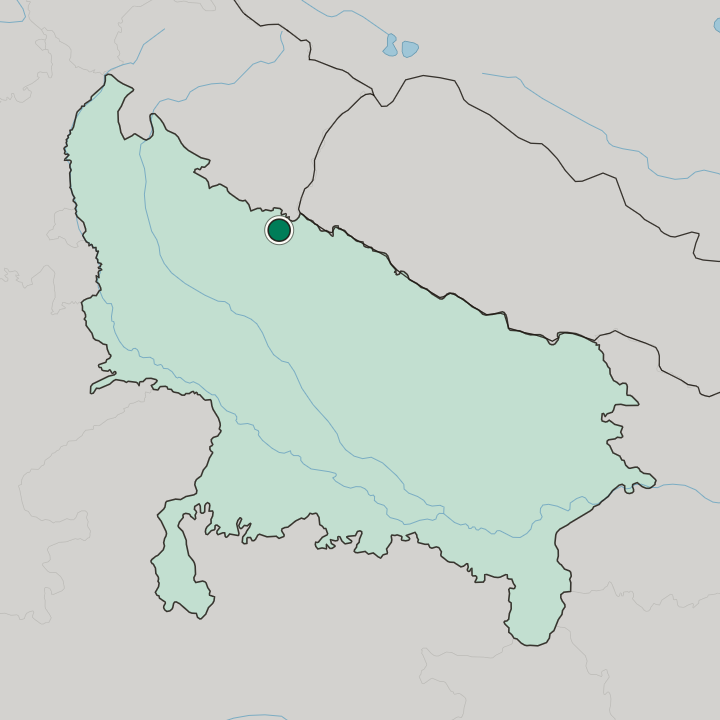
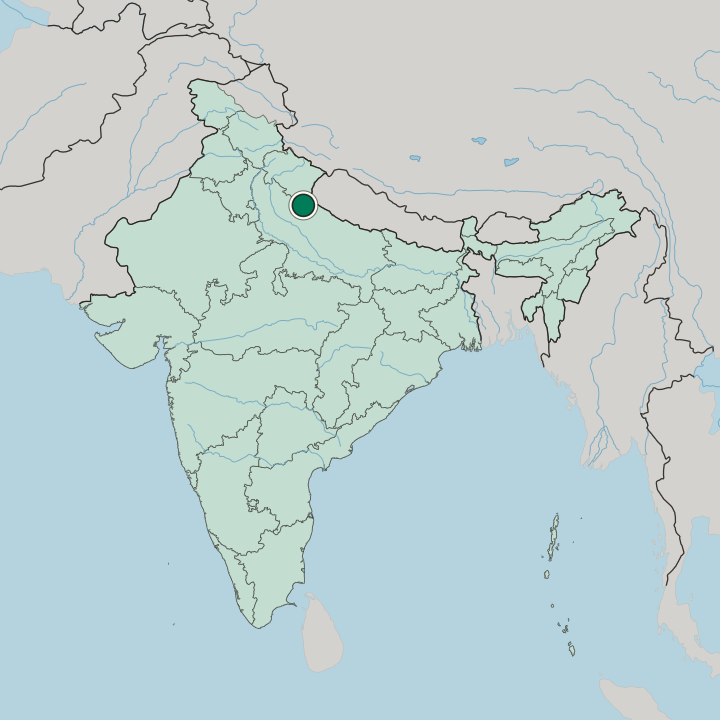
Pīlibhīt covers roughly 47 square kilometres. The city stands in the Rohilkhand region of Uttar Pradesh, on the sub-Himalayan Plateau belt next to the foothills of the Sivalik Range, with the boundary of Nepal beyond it and the source of the river Gomati in the country nearby. Pilibhit district is among the most forest-rich in India.
Bareilly lies 48 km away.
What is the climate of Pīlibhīt?
The foothills of the Sivalik Range sit just beyond the city, and that nearness gives Pīlibhīt a subtropical year greener than the open plain further out. Forest cover holds the difference. Heat still runs long through the middle of the year, and the cool stretch under the hills is the season that suits walking in the forests of Pilibhit district.
Nepal lies just beyond.
How do you get to Pīlibhīt?
Bareilly is the way in. The city lies 48 km from Bareilly, and Pilibhit district belongs to Bareilly division, so most journeys pass through that larger place and finish overland across Rohilkhand. Roads run on toward the boundary of Nepal and into the forest belt below the Sivalik Range.
Pīlibhīt is not somewhere people fly to.
Common questions
What is the best area to stay in Pīlibhīt?
The forest edge: early starts into the woodland of Pilibhit district and toward the Gomati source. The Bansuri Nagari workshops: buying flutes where Pīlibhīt earned the name Bansuri Nagari.
More cities in Uttar Pradesh
Updated September 2026