India · Uttar Pradesh
Where to Stay in Sultānpur, Uttar Pradesh
A district town on the Gomti. Sultānpur is the administrative seat of Sultānpur district, east of Lucknow in Uttar Pradesh.
Hotel links are affiliate links: booking through them may earn us a commission, at no extra cost to you. It never affects how places are ranked. How this works


Where to stay in Sultānpur
The practical side of choosing where to sleep.
Sultānpur is a working district town, and its lodging follows that. Most arrivals come for business with the district administration, for family occasions, or as a break on the road east from Lucknow. Rooms run plain and serviceable.
The Gomti sets the one piece of geography worth choosing around, since a room on the river side of town puts the water within an easy walk and keeps the administrative streets close behind. Water counts for more than a view here: the Gomti carries religious weight, and a room near its bank suits anyone who came for the river Hindus hold sacred. Anyone needing more choice should weigh Lucknow.
The state capital stands roughly a hundred and thirty-five kilometres west, close enough to make Sultānpur a day trip and far enough that a late return means a night somewhere. If you are here for an office appointment or a family function, the practical choice is a room close to the administrative streets rather than one picked for the view of the water. Ayodhya division supplies the other pull, and a traveller working through the district towns of that division can take Sultānpur as the night in the middle.
Find hotels in Sultānpur
Direct booking searches for these neighbourhoods.
The Gomti bank
The water side of Sultānpur, where the Gomti runs past the town and the administrative streets stay close behindFind hotels in The Gomti bankWorking stays tied to Sultānpur district businessThe district headquarters streets
The offices that make Sultānpur the seat of its district stand here, with the road west to Lucknow leading outFind hotels in The district headquarters streetsHotel links are affiliate links: booking through them may earn us a commission, at no extra cost to you. It never affects how places are ranked. How this works
About Sultānpur
What is Sultānpur known for?
The Gomti gives the town its shape, and Hindus treat the river as holy water. Administration is the other thread, with the offices of a district headquarters drawing steady daily movement from across Sultānpur district and the wider Ayodhya division. Lucknow lies west along the road.
That state capital stands roughly a hundred and thirty-five kilometres off, near enough for a day's travel and far enough to leave Sultānpur working to its own business.
What are the main landmarks in Sultānpur?
Sultānpur has no headline monument. The Gomti does that work instead, running past the town as its one fixed feature, and Hindus regard the river itself as sacred rather than any structure standing beside it. The district headquarters gives the centre its public buildings, and the offices there serve the whole of Sultānpur district.
Lucknow, the state capital, lies west.
What is the history of Sultānpur?
Modern Sultānpur is defined by two arrangements that outlast any single period: the course of the Gomti, and the district and division boundaries that make the town an administrative seat. Both still govern the place. Sultānpur district takes its name from the town, and the town takes its function from the district, an arrangement repeated across Uttar Pradesh, where the headquarters town carries the offices that serve every settlement inside the district line.
Ayodhya division sits above it. That larger unit groups Sultānpur with neighbouring districts for the tiers of state government that operate above district level. The Gomti's religious standing is the older thread.
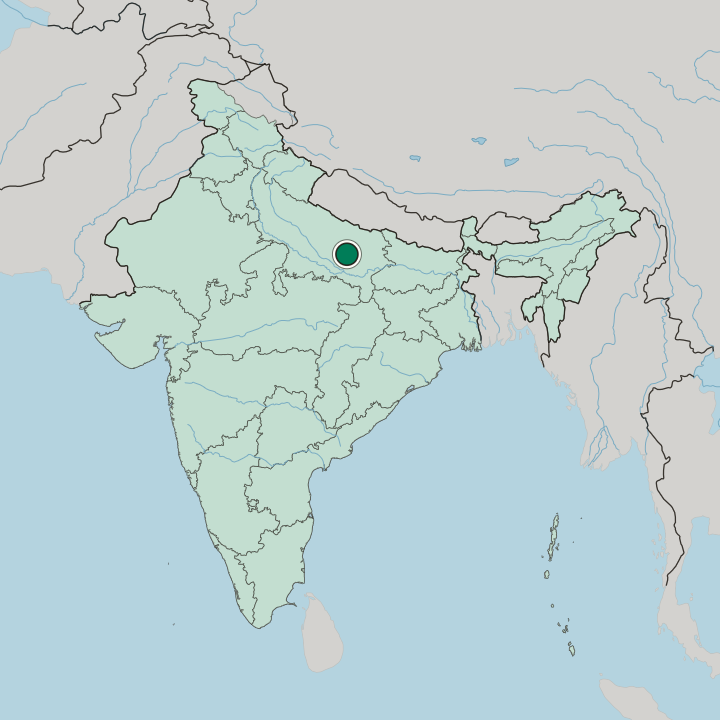
Hindus treat the river as holy, and that regard, rather than any single building or event, is what carries Sultānpur's name beyond the district in most accounts of the place. Lucknow, roughly a hundred and thirty-five kilometres west, is the state capital, and Sultānpur sits on the road running east from it. The chain above the town runs district, then Ayodhya division, then Uttar Pradesh, and finally India.
Water and administration carry this history between them, and the town's older layers sit in the practices around the Gomti rather than in any monument standing above ground.
Where is Sultānpur?
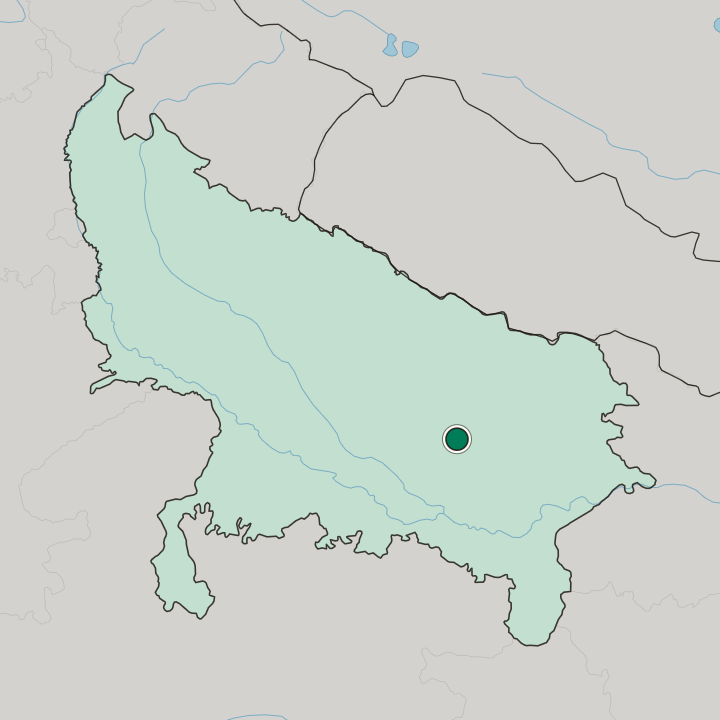
The Gomti orders everything here. Sultānpur stands on its banks in Uttar Pradesh, roughly a hundred and thirty-five kilometres east of Lucknow. Sultānpur district spreads out around the town, and Ayodhya division takes in that district along with its neighbours under the state's second tier of administration.
The built-up area covers about twelve square kilometres, and the river is never far from the streets that matter.
What is the climate of Sultānpur?
Sultānpur sits in the subtropical band north of the equator. The Gomti registers the year better than any thermometer, running high through the wet stretch and dropping back through the long warm months when the plains around Sultānpur district dry out. Only the heat holds steady.
Nothing about the river's course changes that, since the Gomti follows the season rather than setting it.
How do you get to Sultānpur?
Most journeys to Sultānpur start in Lucknow. The state capital lies roughly a hundred and thirty-five kilometres west, and that distance sets the shape of most arrivals, with the run east from Lucknow the leg travellers from beyond Uttar Pradesh end up making. Sultānpur district converges here.
Traffic from across the district runs to the headquarters town for administrative business, and Ayodhya division sets the wider frame for travel between neighbouring seats.
Common questions
What is the best area to stay in Sultānpur?
The Gomti bank: Visitors drawn by the river Hindus hold sacred. The district headquarters streets: Working stays tied to Sultānpur district business.
More cities in Uttar Pradesh
Updated September 2026