Iran · Isfahan Province
Where to Stay in Ārān Bīdgol, Isfahan Province
Ārān Bīdgol is a desert town on the edge of Iran's central desert, near Kashan and the road to the Maranjab dunes.
Find your area →


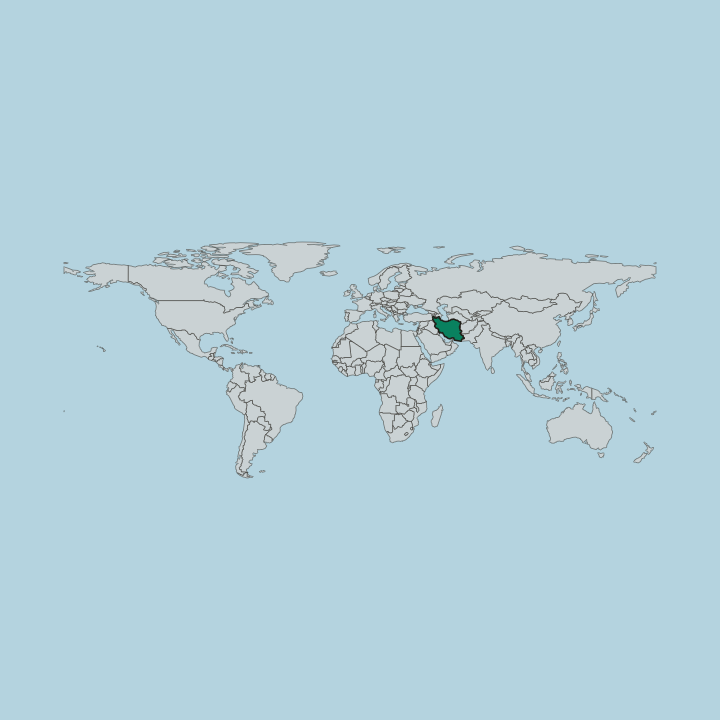
Where to stay in Ārān Bīdgol
The practical side of choosing where to sleep.
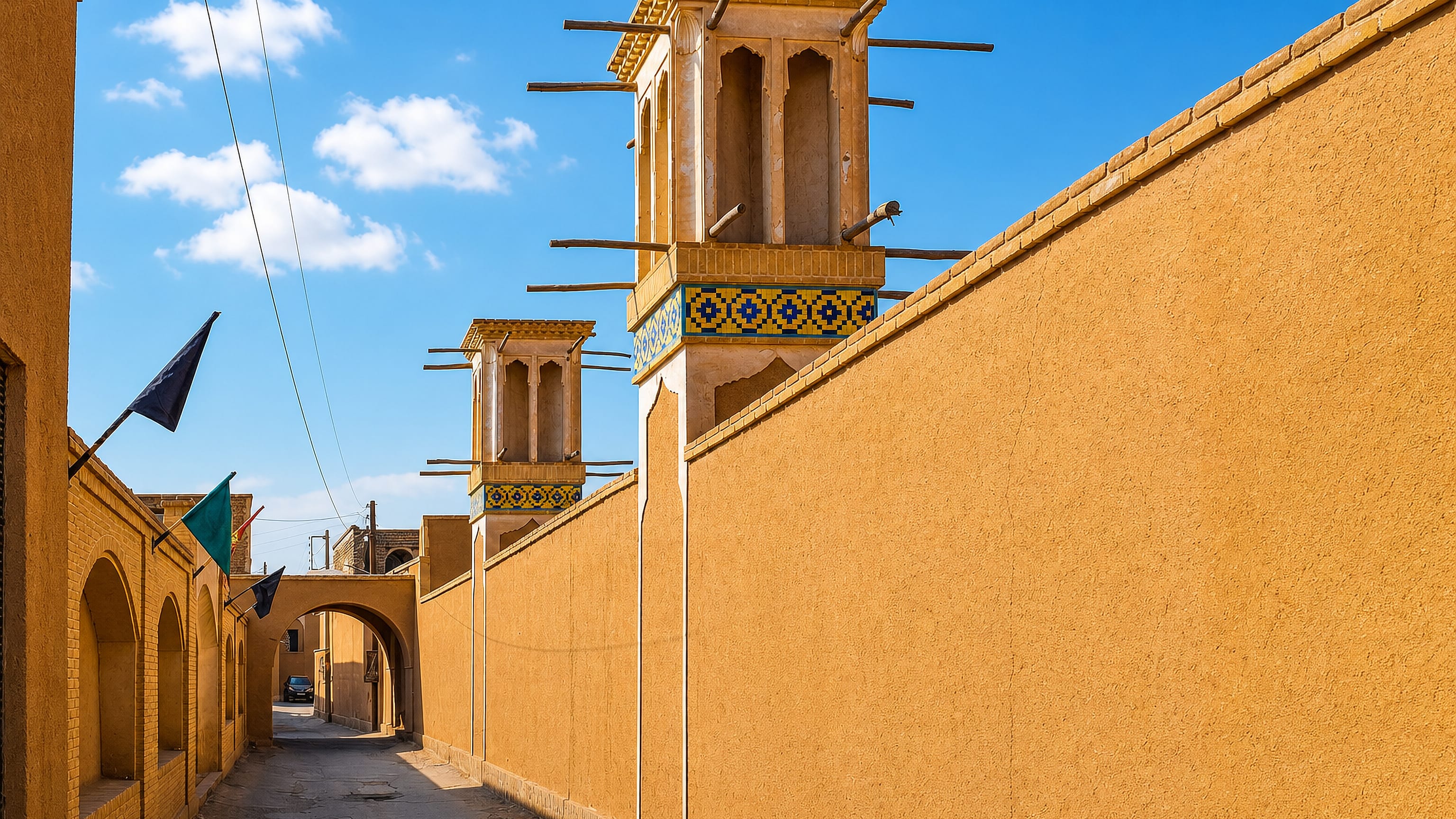
Where you stay in Ārān Bīdgol turns on the town or the desert. The old town keeps the mosques, the bazaar, and the adobe lanes within a walk, and staying in town suits anyone here for the old streets. The mud walls hold the cool.
Rooms sit among the adobe houses. Out at Maranjab in the desert, old inns and camps serve the travellers. A room in the desert trades the town for the dunes, the stars, and the caravanserai by the Salt Lake.
The open sands spread past the edge. If you want the mosques and the bazaar, stay in town; if you want the dunes, take a room in the desert. Either way, the desert is close at hand.
Things to do in Ārān Bīdgol
Ranked by global recognition; descriptions from Wikidata (CC0).
Churches & Religious Sites
2- مسجد علی بن ابیطالب Heritage
- مسجد علی بیدگل Heritage
Castles & Historic Sites
4- Shahsusa Heritage
- مجموعه مسجد و آب انبار ملا حبیب Heritage
- مجموعه بیدگل Heritage
- محوطه دشت مختارآباد Heritage
Landmarks & Notable Places
6- خانه جندقیان Heritage
- خانه اکرمیان Heritage
- خانه استادیان Heritage
- خانه اکرمی Heritage
- خانه کمباف Heritage
Show 1 more →
- خانه آیتالله ملا آقاحسین Heritage
worth knowingacross 3 categories in Ārān Bīdgol
About Ārān Bīdgol
Ārān Bīdgol is a desert town of adobe and salt.
What is Ārān Bīdgol known for?
It stands at the northern edge of Iran's great central desert, a town of mud-brick houses, old mosques, and covered water tanks, and just beyond it lie the Maranjab dunes, a Silk Road caravanserai, and the vast Salt Lake. Carpets are woven in its lanes. Desert and adobe mark the town.
What are the main landmarks in Ārān Bīdgol?
The old adobe town is the heart of Ārān Bīdgol. The mud-brick houses, mosques, and covered water tanks stand in the desert light, the mark of the town, on the sand's edge. Great dunes lie to the east.
The Maranjab desert and its Safavid caravanserai rise beyond the fields, while the vast Salt Lake shimmers past the dunes near Ārān Bīdgol.
What is the history of Ārān Bīdgol?
Ārān Bīdgol has lived on the desert's edge for ages. Two old towns, Aran and Bidgol, grew where the farmland gave out and the great salt desert began, watered by underground channels and shaded by mud-brick walls. The desert was crossed by the caravans.
The old road east ran out across the sands past the Maranjab caravanserai, a Safavid inn where the camel trains rested by a well, on the way to the far provinces. Its people lived by farming and craft. They grew what the water allowed and wove fine carpets in their houses, prized in the bazaars of Iran, and they built mosques and covered water tanks against the heat.
The desert draws travellers now. Visitors come to ride the Maranjab dunes, to walk on the Salt Lake, and to see the old adobe town, so the sands that once tested the caravans now bring their trade. The dunes still shift beyond the fields. Ārān Bīdgol keeps its adobe town and its desert near Kashan.
Where is Ārān Bīdgol?
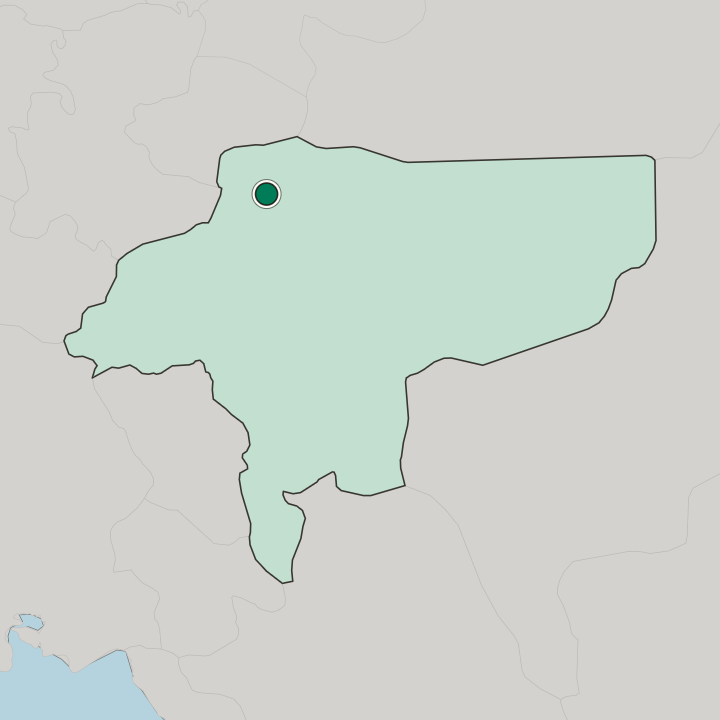
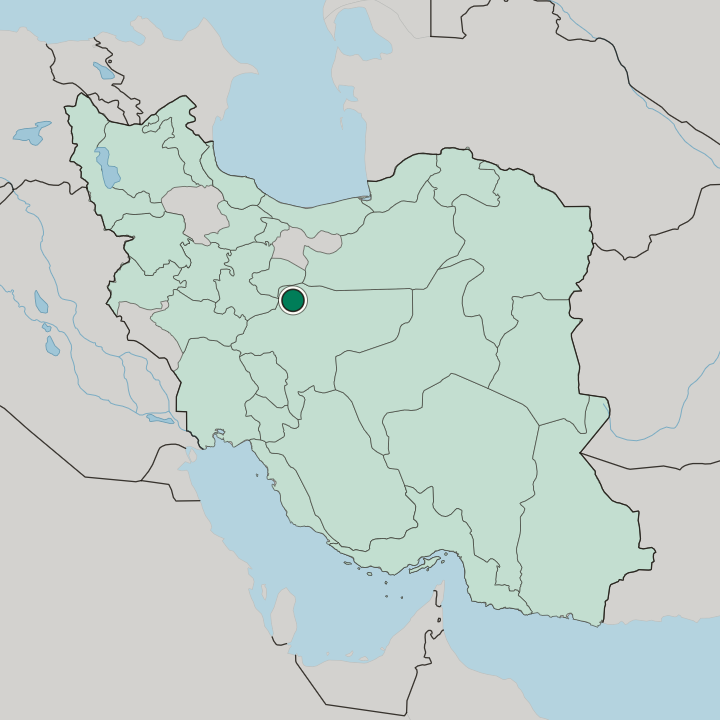
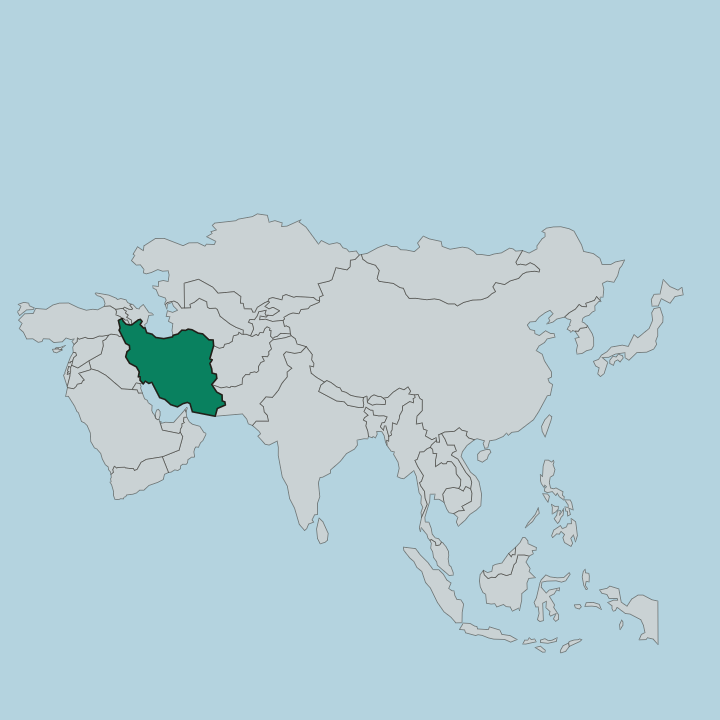
Ārān Bīdgol lies at the edge of the central desert of Iran, just north of Kashan. The town sits where the last farmland meets the sand, on the rim of the Dasht-e Kavir, with the Maranjab dunes and the Salt Lake stretching away to the east. Bare desert reaches to the horizon.
The dunes rise beyond the fields.
What is the climate of Ārān Bīdgol?
Ārān Bīdgol has a hot desert climate. Fierce dry heat bakes the sands through the long summer, and the winters turn cold at night, with almost no rain all year and wide swings from day to dark. Dust storms sweep the desert in spring.
The desert air stays dry and clear.
How do you get to Ārān Bīdgol?
Ārān Bīdgol lies just north of Kashan on the edge of the desert. Roads run to it from Kashan and the highway between Tehran and Isfahan, and a desert track leads out to the Maranjab caravanserai and the Salt Lake. Cars reach the desert camps around.
Most arrive by road from Kashan.
Good for
More cities in Isfahan Province
Updated September 2026