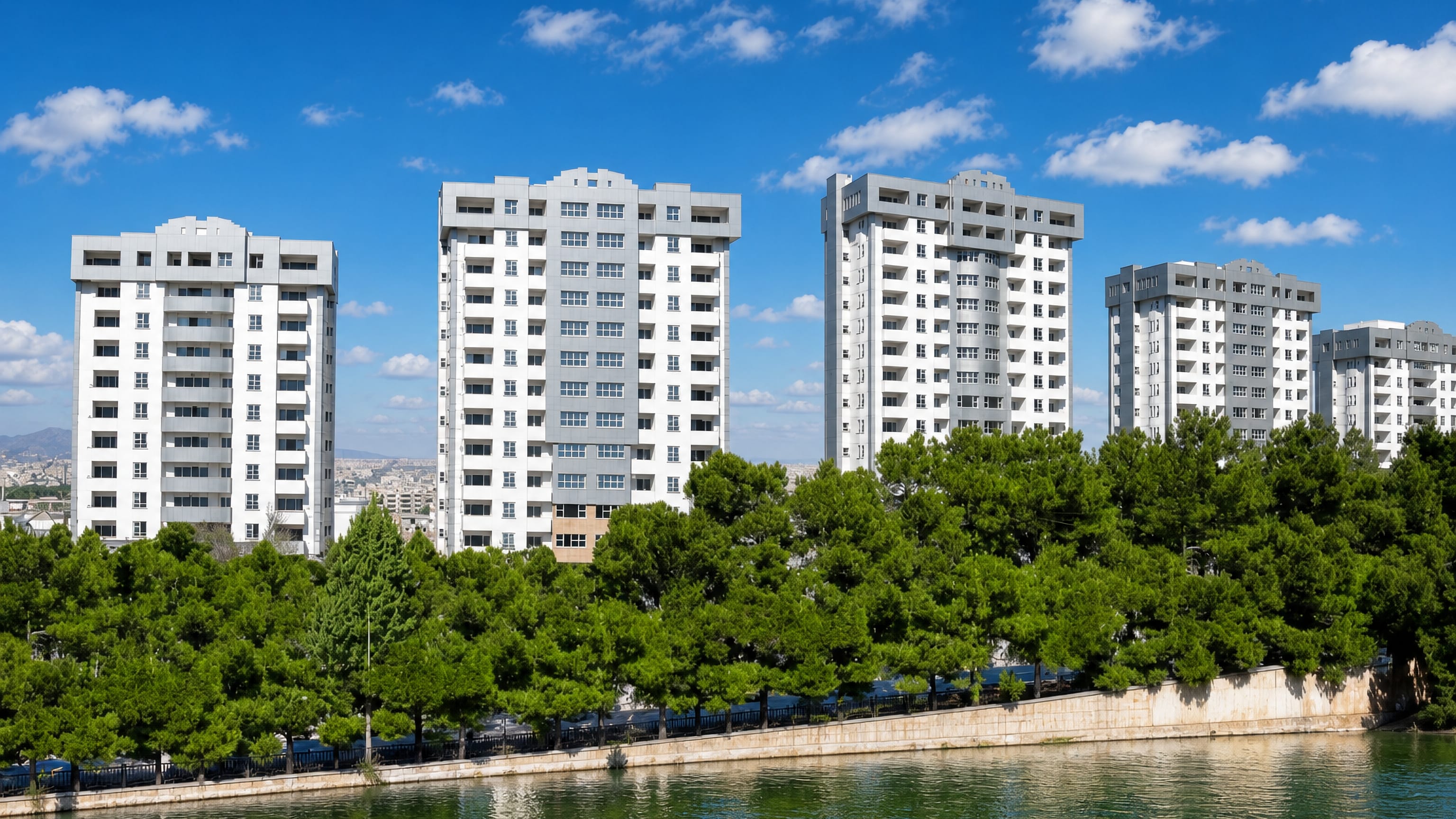
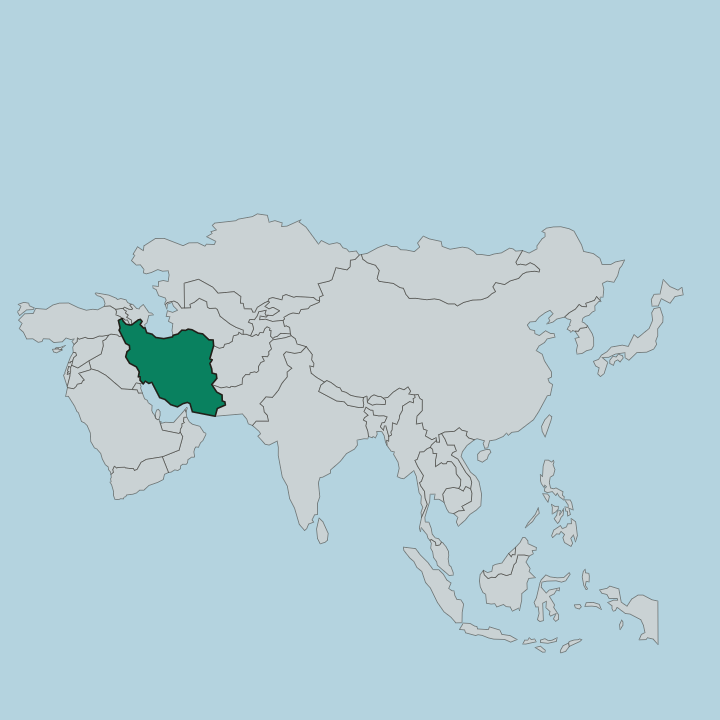
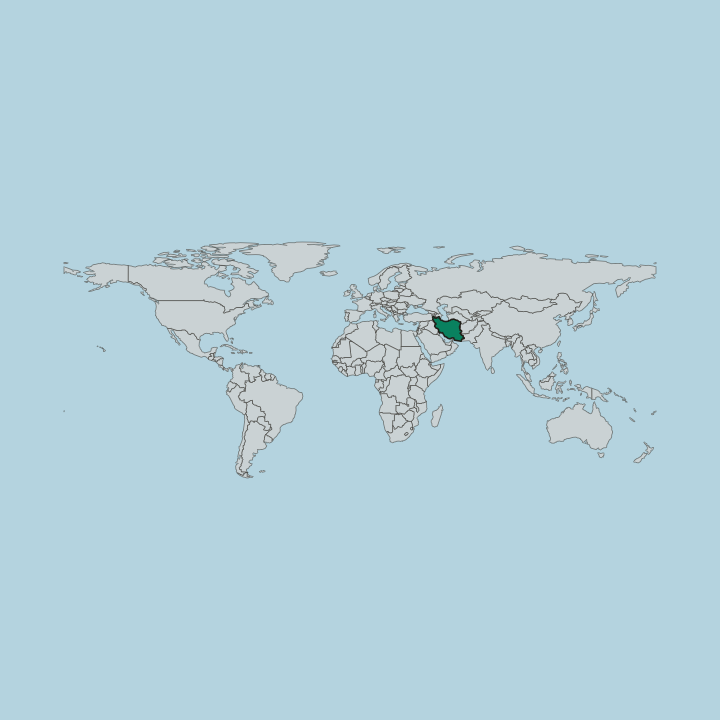
Iran
Isfahan Province, Iran — Towns & Travel Guide
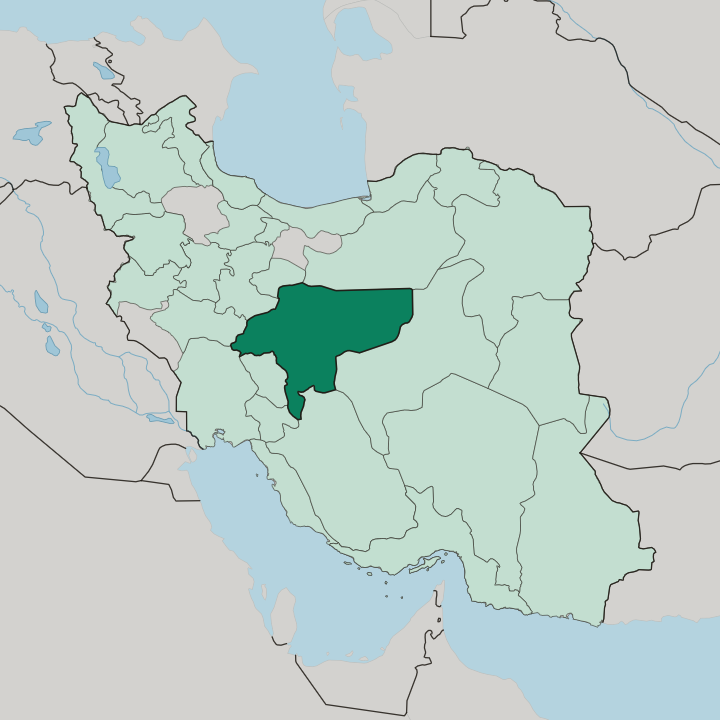
Isfahan Province sits at the centre of Iran, where the Zayandeh River crosses a high desert plateau to reach its Safavid capital, Isfahan.
Find your area →


Towns & cities in Isfahan Province
Pick a town or city — each links to where to stay.
 Iran
Iran
Isfahan
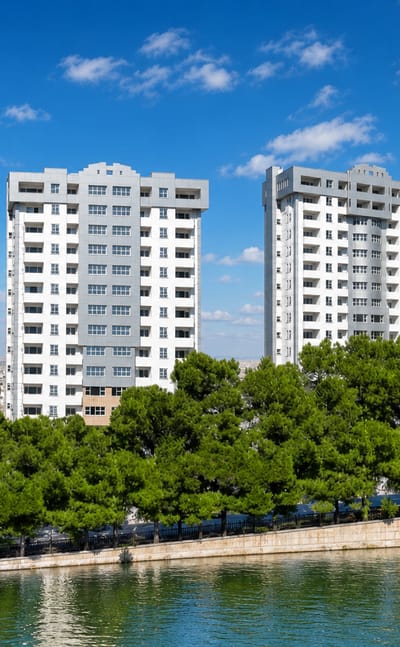
Tiled domes rise over Naqsh-e Jahan Square in Isfahan, a city of central Iran and capital of Isfahan Province, known for its bridges and painted mosques.Where to stay →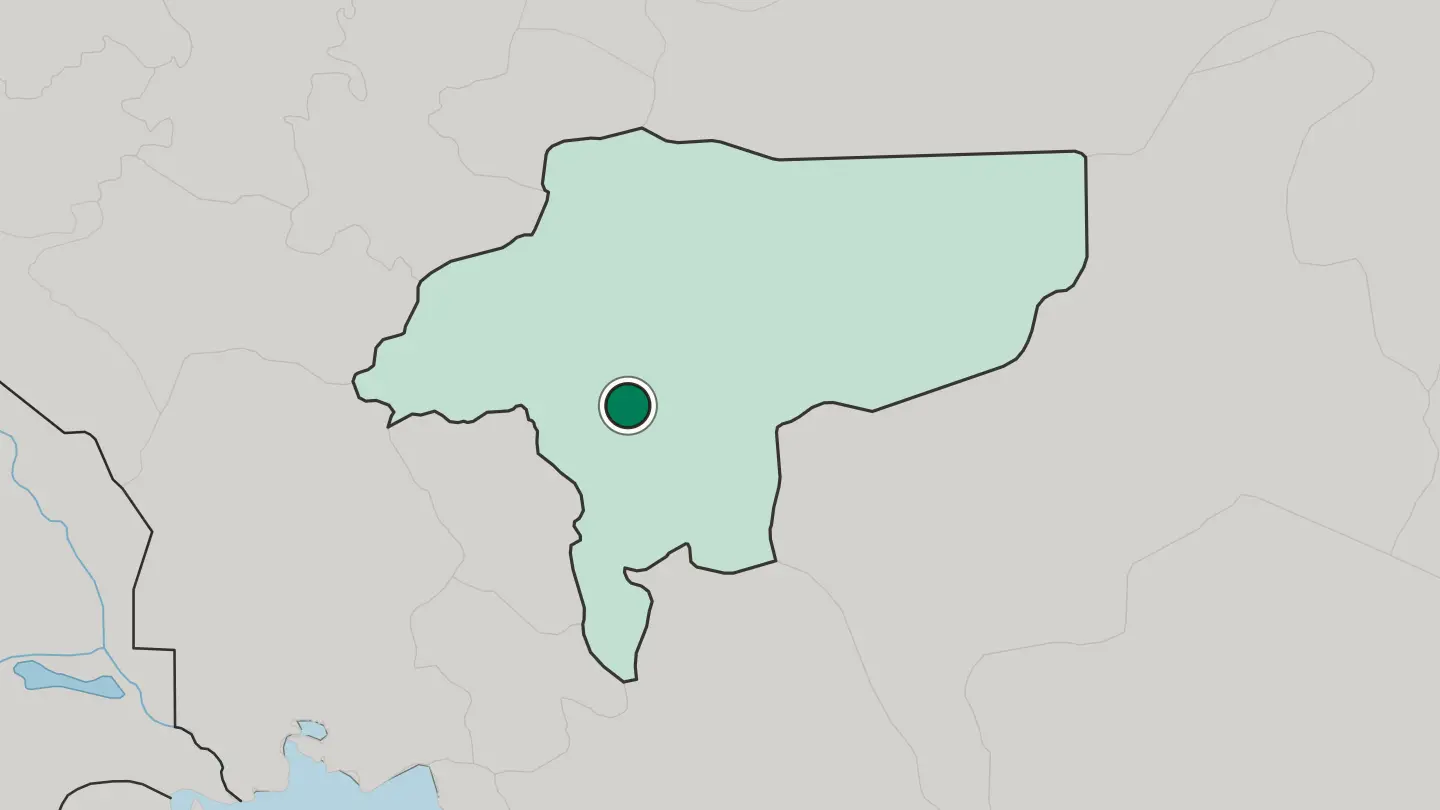
 Iran
Iran
Kashan
Kashan is an old oasis city of central Iran at the edge of the great desert, famous for its Persian gardens, wind-towered mansions, and rosewater.Where to stay →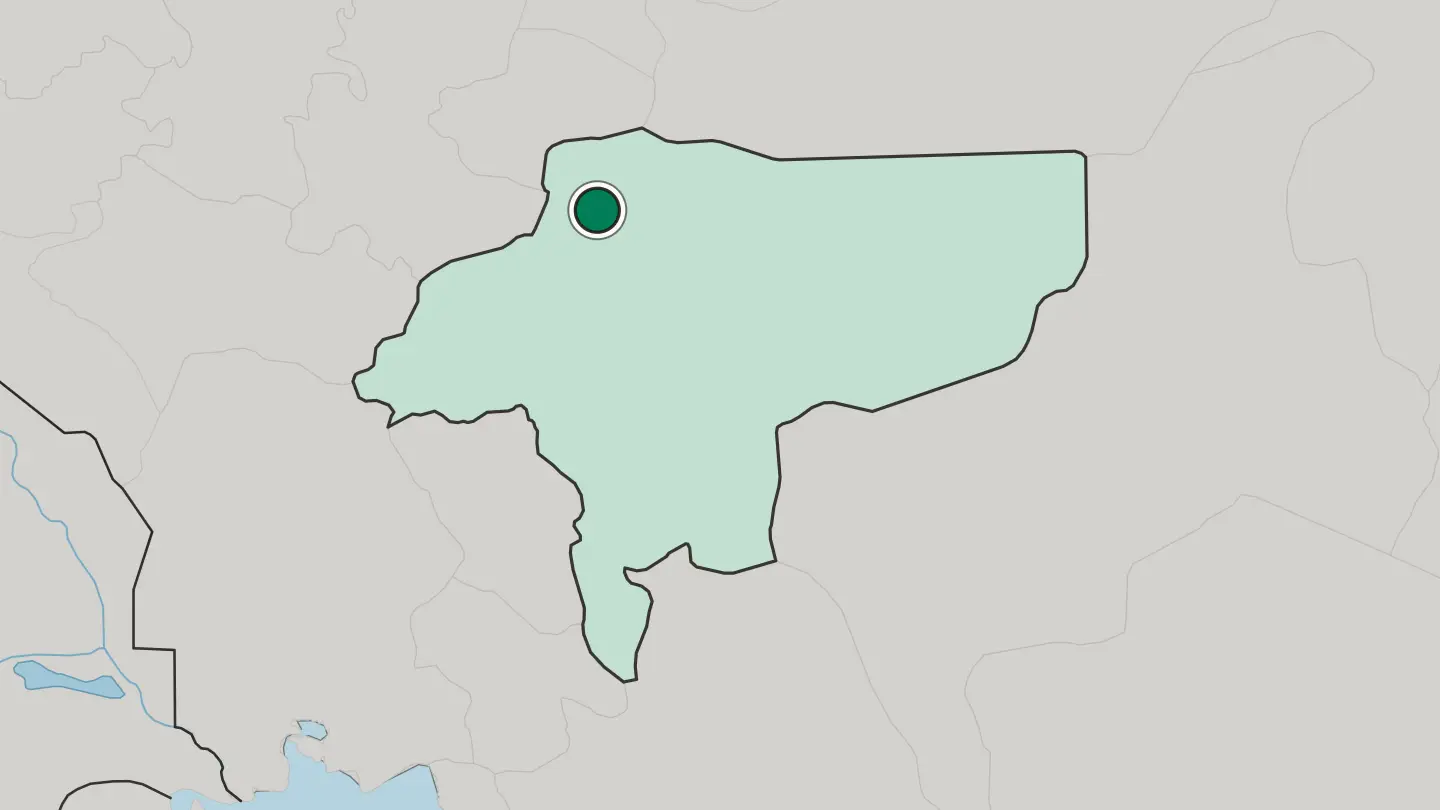 Iran
Iran
Khomeynī Shahr
Khomeynī Shahr is a city of Isfahan province inside the Isfahan Metropolitan area, dense with old mosques, bathhouses and the Sartip Sedei House.Where to stay →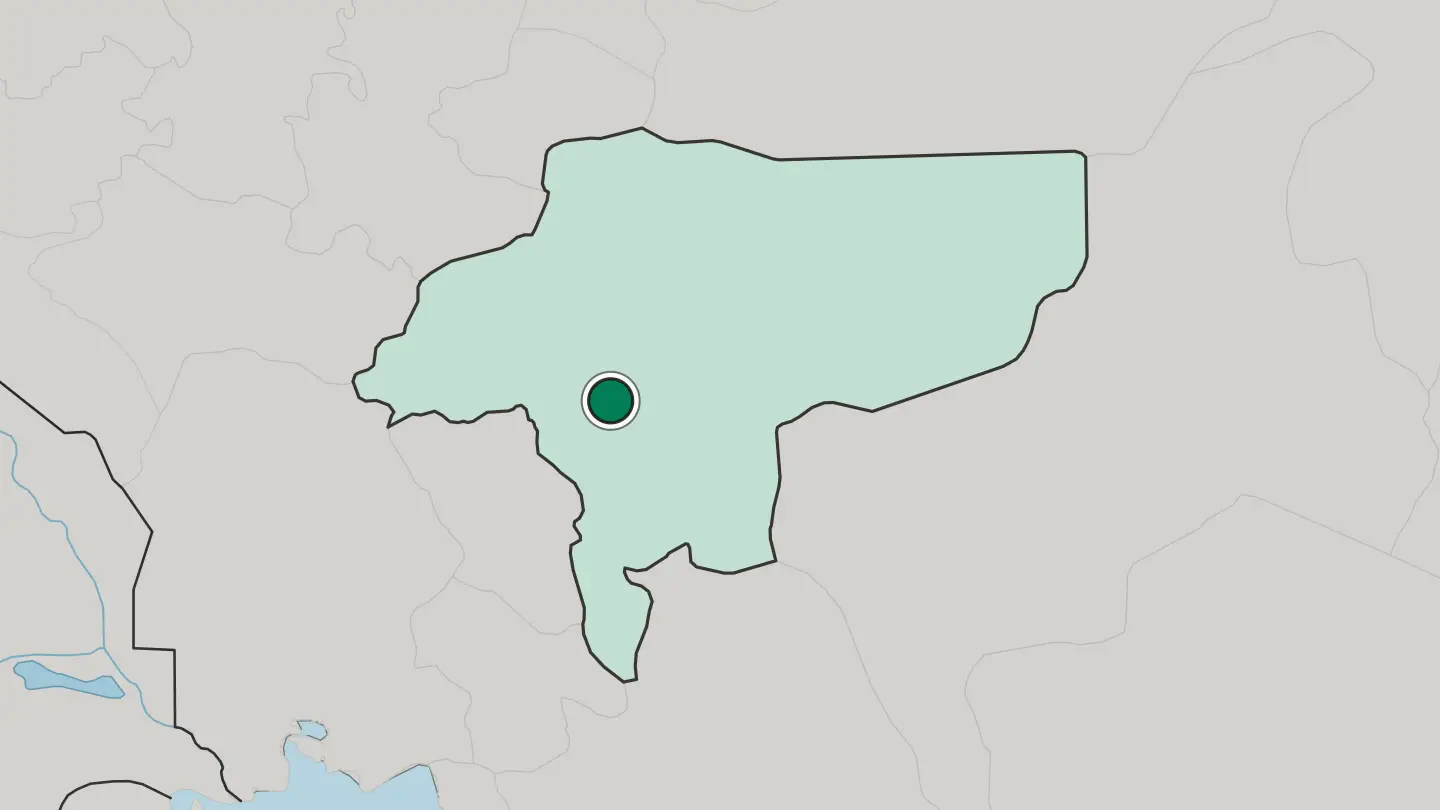 Iran
Iran
Najafābād
Najafābād, seat of Najafabad County in Isfahan province, keeps dovecote towers, a caravanserai and an old press house from its farming past.Where to stay →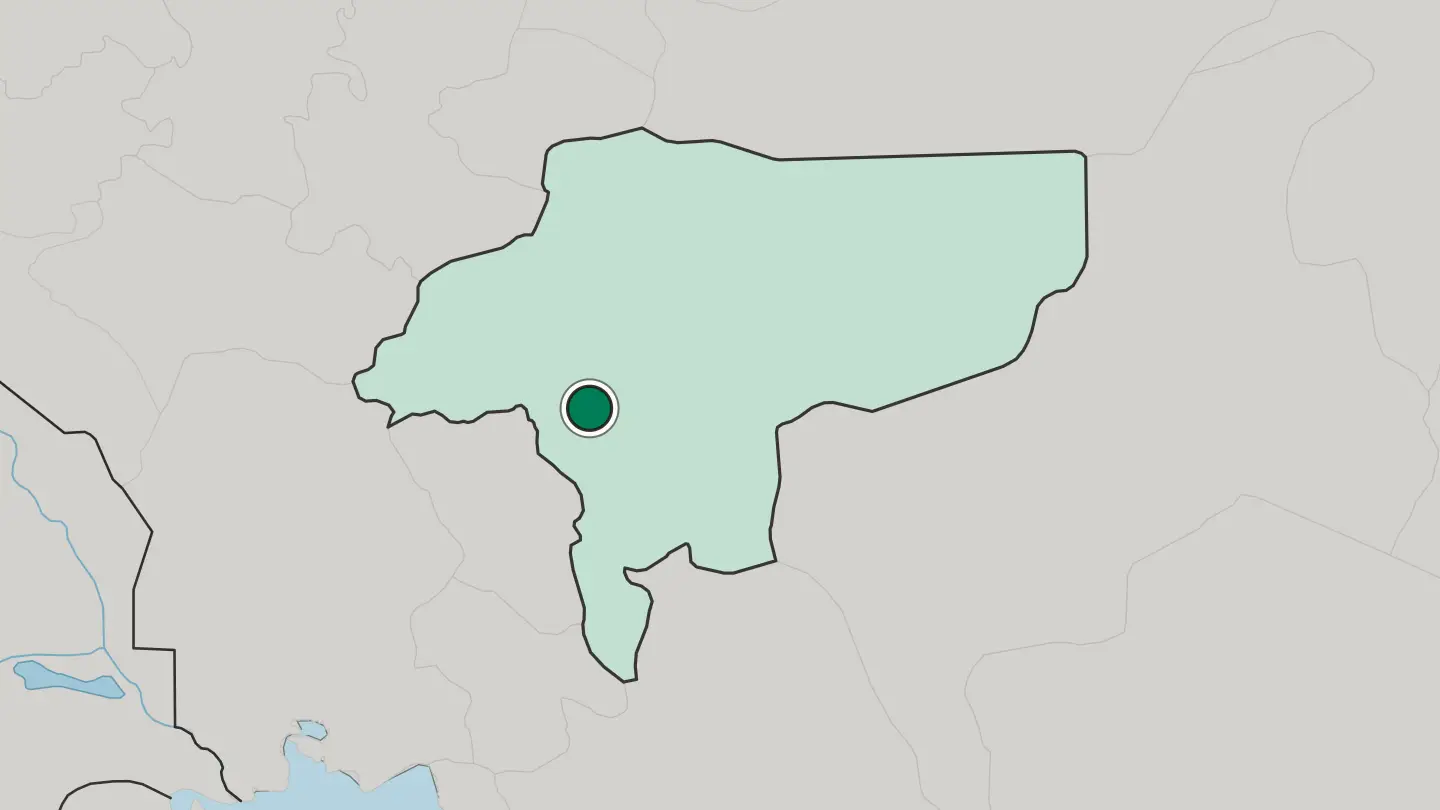 Iran
Iran
Shāhīn Shahr
Shāhīn Shahr is Iran's first master-planned satellite city, laid out north of Isfahan by the Boroumand family.Where to stay →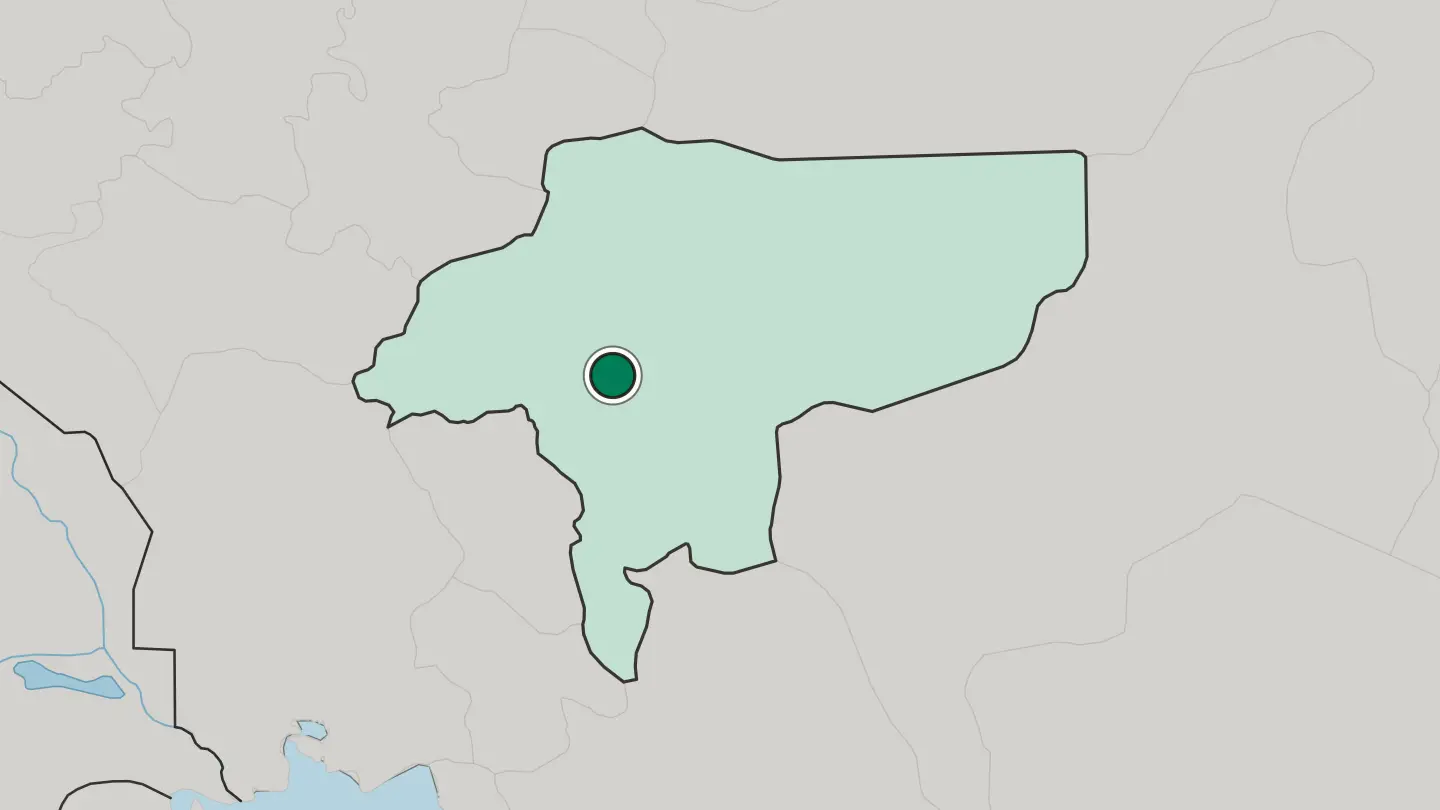 Iran
Iran
Shahreẕā
Shahreẕā, capital of Shahreẕā County in Isfahan Province, was named National City of Pottery in 1997 for the skill of its artists and its soil.Where to stay →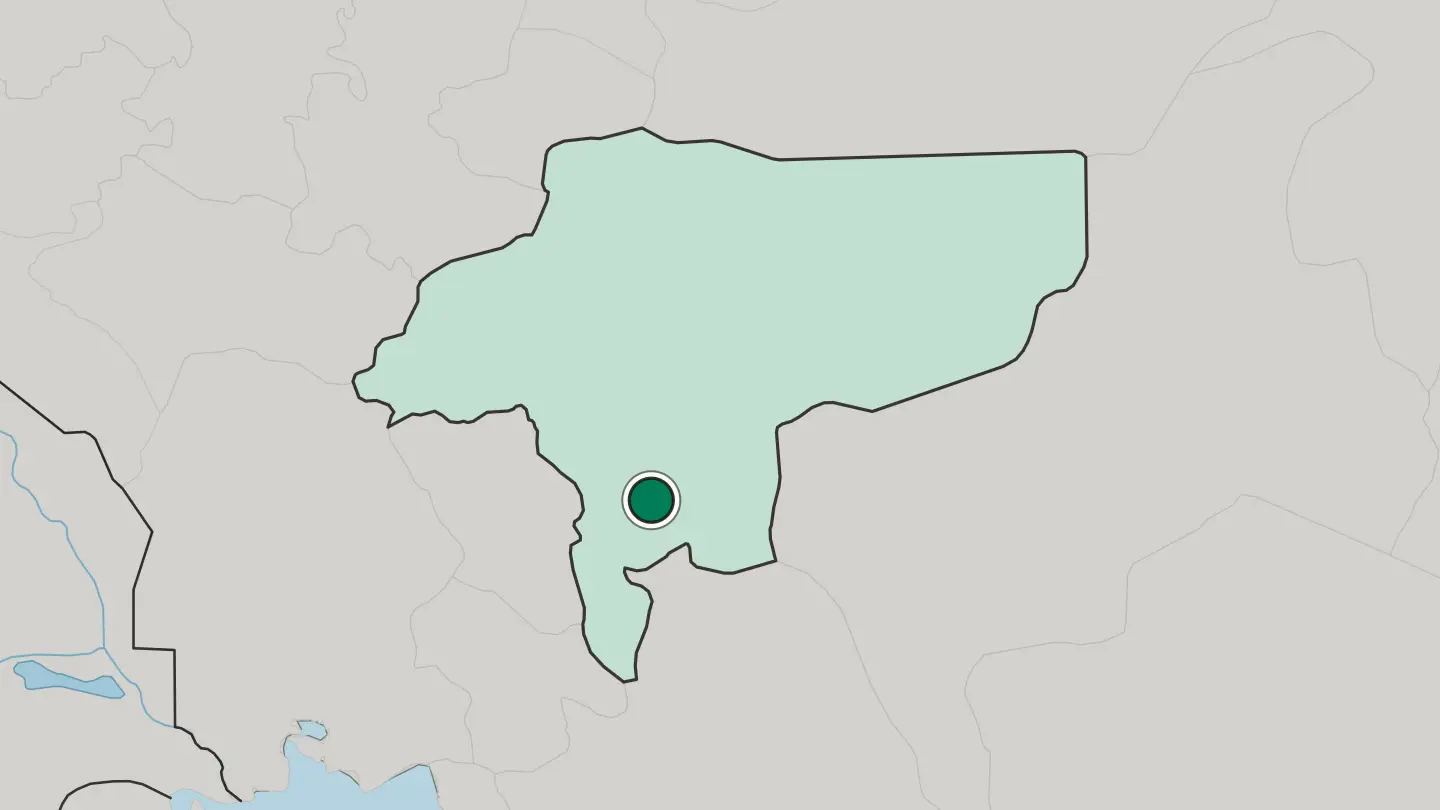
 Iran
Iran
Ārān Bīdgol
Ārān Bīdgol is a desert town on the edge of Iran's central desert, near Kashan and the road to the Maranjab dunes.Where to stay →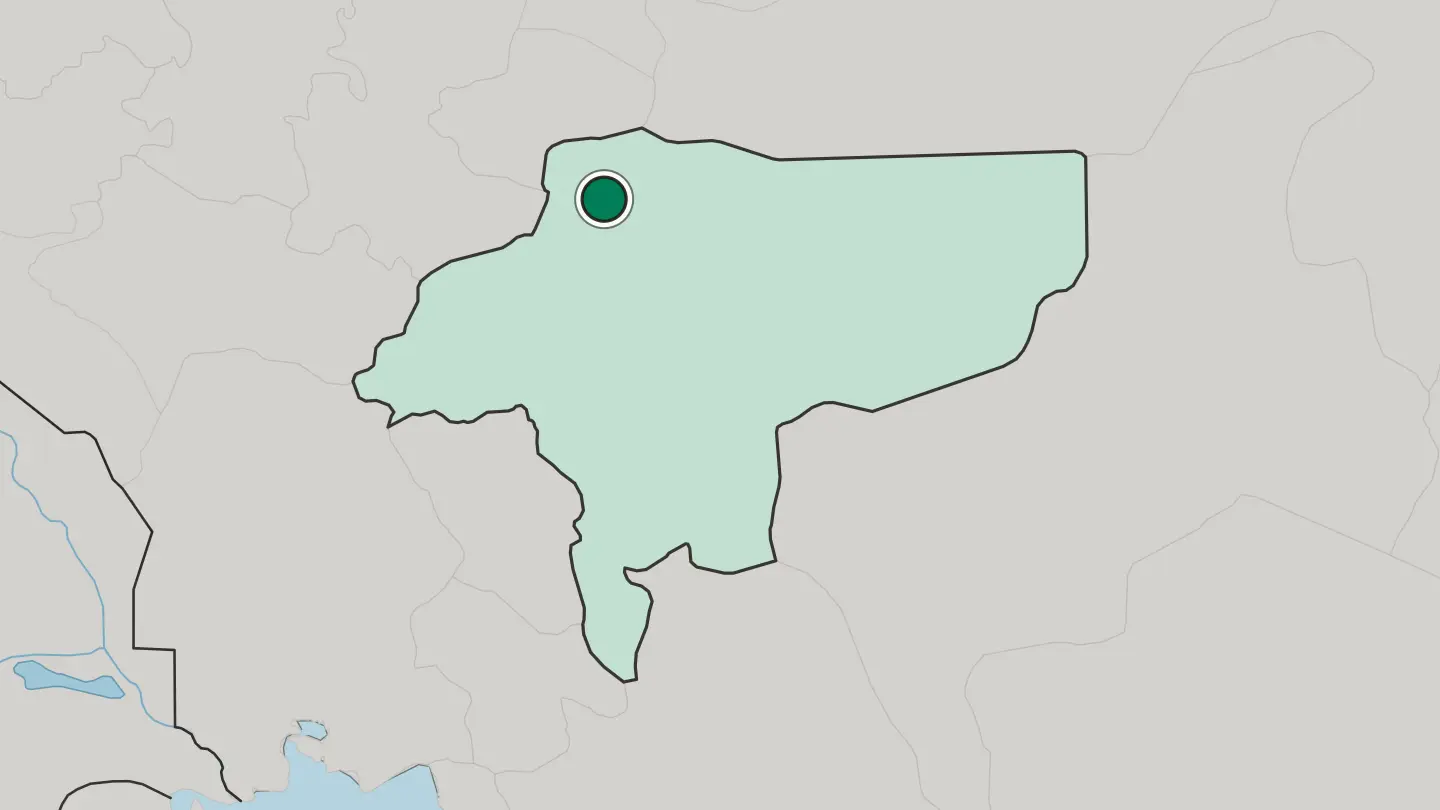
 Iran
Iran
Golpāyegān
Golpāyegān is a highland city of Isfahan province, north-west of Isfahan itself, known for Golpayegan Tower and a cluster of old shrines.Where to stay →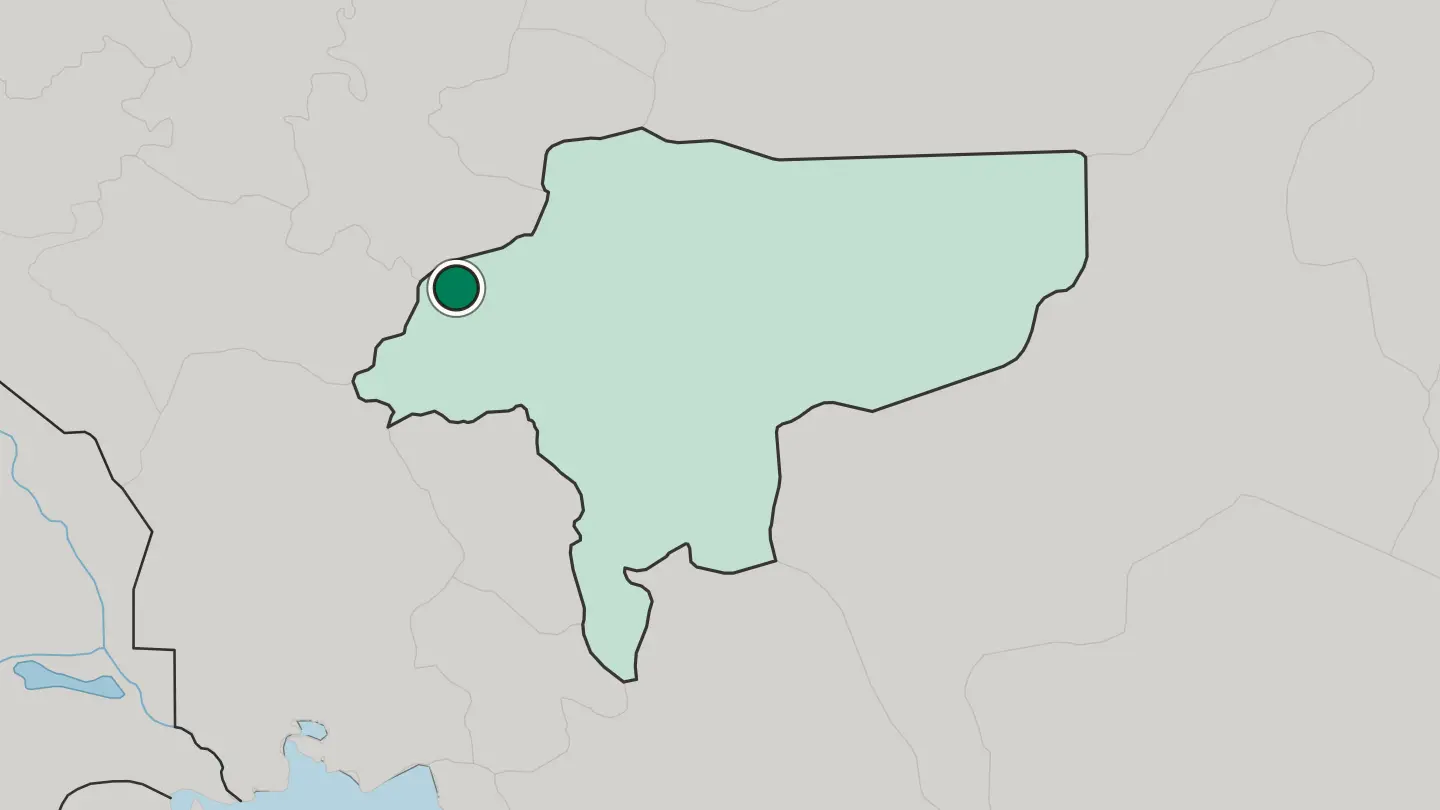
About Isfahan Province
Isfahan is half of the world.
What is Isfahan Province known for?
That old boast belongs above all to the provincial capital, whose Naqsh-e Jahan Square is the vast Safavid parade ground that Abbas the Great laid out and UNESCO later inscribed. Tiled mosques and covered bridges line the Zayandeh River, and the arches of Si-o-se-pol still carry walkers after four centuries. North of the capital, Kashan trades on rosewater and merchant houses.
The whole province reads like one long chapter of Persian art and design.
Where is Isfahan Province?
Isfahan Province sits near the middle of Iran, on the high central plateau. The Zagros Mountains wall it off to the west, and their far ridges border Chaharmahal and Bakhtiari. East of the province the land falls away into the salt flats of the Dasht-e Kavir, Iran's great central desert, with Yazd Province on that side. Fars Province adjoins it to the south.
It ranks among the larger provinces of the country. Most of the territory stands well above the surrounding lowlands, and the plateau rarely drops below a thousand metres. One river gives the province its life.
The Zayandeh rises in the Zagros to the west and runs east across the plateau, threading through the capital before it spills into the Gavkhuni marsh, a salt wetland on the desert's edge. In the north the Karkas Mountains rise near Natanz and split the province in two, holding the moister ground to their west and the bare desert to their east. The highest ground is Shahankuh, above Fereydunshahr, whose bare crest climbs past four thousand metres.
Little of the water reaches the sea. Rivers here run inland and die in the sand or the salt.
What is Isfahan Province like?
The province's signature is blue. Turquoise and cobalt tilework sheathes the domes and portals that the Safavid workshops raised, and their patterns became a template for Persian building far beyond Iran. Under the Safavids, Isfahan grew into the artistic capital of the whole country.
Miniature painters, tilemakers, and metalworkers filled its bazaars, and the crafts they refined are worked there still. Carpet looms run in the villages between the towns. Inlaid khatam boxes and hand-painted enamel come out of the workshops in the lanes around Naqsh-e Jahan Square.
Persian is the everyday language, spoken with a soft Isfahani lilt. The mix is not uniform. In the western Fereydan valleys a Georgian-speaking community has kept its tongue since the Safavids resettled it there, and Luri is heard toward the southern mountains.
Older worlds survive in pockets. At Abyaneh the villagers still wear a distinctive dress and speak an archaic dialect. Food leans on the desert larder, from Kashan's rosewater to the sweet gaz nougat sold in Isfahan.
Late afternoons pull people down to the tea houses tucked under the old river bridges.
What is the history of Isfahan Province?
Isfahan's story turns on one decision. In 1598 the Safavid ruler Abbas the Great moved his capital here, rebuilding the city around the Naqsh-e Jahan Square and drawing craftsmen from across the empire. The Seljuqs had already made it a great centre five centuries earlier.
Kashan, in the north, counts among the oldest continuously settled towns on the plateau. That Safavid century still defines the province.
What is the climate of Isfahan Province?
The climate is dry and continental, set by the desert more than the sea. Summers on the plateau run hot and rainless, winters turn sharply cold, and the gap between a midday high and a night low can be severe. Rain is scarce almost everywhere.
The Karkas Mountains draw a hard line, catching snow on their western slopes while the eastern desert stays parched. Only the Zagros heights to the west see real winter snowfall.
How do you get to Isfahan Province?
Most travellers reach the province through its capital. Isfahan International Airport handles the flights, and a rail line and a main highway run north to Tehran, the usual point of entry into Iran. That road passes through Kashan.
From the south, the highway and railway climb up from Shiraz across Fars. Inside the province, buses and shared taxis link the capital to Kashan, Natanz, and the western hills.
Common questions
What is the best area to stay in Isfahan Province?
Isfahan: Naqsh-e Jahan Square and the bridge walks. Kashan: Kashan's rose gardens and courtyard mansions.
Good for
More regions in Iran
Updated September 2026