Iran · Isfahan Province
Where to Stay in Khomeynī Shahr, Isfahan Province
Khomeynī Shahr is a city of Isfahan province inside the Isfahan Metropolitan area, dense with old mosques, bathhouses and the Sartip Sedei House.
Find your area →


Where to stay in Khomeynī Shahr
Where visitors usually base themselves, and why.
Isfahan takes most of the beds. Khomeynī Shahr sits inside the Isfahan Metropolitan area, and a traveller who wants hotel choice will find it in the larger city rather than here, where the accommodation is thin on the ground. There is no dressing that up.
Staying in Khomeynī Shahr makes sense for a visit built around its own fabric: the mosques, the bath complexes, and the quarters of گاردر and لادره. The centre is the walkable part. مسجد جامع فروشان, مسجد آخوند and Sartip Sedei House sit within the older part of the city, so a stay near the middle puts the main sights inside a morning's walking, with حمام درب سید on the same circuit. You want daylight hours for that.
Mosque courtyards and bath buildings are viewed from the street more than from within, and the light matters more than the hour of opening. ورنوسفادران is the other end of the story. گورستان ورنوسفادران and امامزاده سید ابراهیم ورنوسفادران stand in a quarter with its own name and its own monuments, which is worth a separate outing rather than an afterthought on the way out of town. Two half-days cover the list.
Things to do in Khomeynī Shahr
Ranked by global recognition; descriptions from Wikidata (CC0).
Churches & Religious Sites
8- مسجد جامع فروشان Heritage
- مسجد ملا محسن Heritage
- مسجد گاردر Heritage
- مسجد ملاحیدر علی Heritage
- مسجد امام حسن عسگری Heritage
Show 3 more →
- مسجد لادره Heritage
- مسجد آخوند Heritage
- مسجد آقا علی اکبر Heritage
Castles & Historic Sites
4- Sartip Sedei House Heritage
- مجموعه حمامهای اندوان Heritage
- امامزاده سید ابراهیم ورنوسفادران Heritage
- مجموعه حمامهای گاردر Heritage
worth knowingacross 2 categories in Khomeynī Shahr
About Khomeynī Shahr
What is Khomeynī Shahr known for?
Old mosques are the city's inventory: مسجد جامع فروشان, مسجد آخوند, مسجد لادره, and مسجد آقا علی اکبر are only part of a list that runs to eight. Bathhouses come next. حمام درب سید and حمام کوز survive as single buildings, while مجموعه حمامهای اندوان and مجموعه حمامهای گاردر are recorded as complexes. The Isfahan Metropolitan area takes it all in.
What are the main landmarks in Khomeynī Shahr?
The list is long for a city this size. Eight mosques carry names on the record, among them مسجد گاردر, مسجد ملا محسن, مسجد ملاحیدر علی and مسجد امام حسن عسگری, alongside the shrine امامزاده سید ابراهیم ورنوسفادران. Sartip Sedei House is the domestic entry. گورستان ورنوسفادران and حسینیه لادره، کلاس قرآن fill out the rest, a burial ground and a hall used for Quran classes, both tied to quarters whose names repeat across the list.
What is the history of Khomeynī Shahr?
The record is architectural, not chronological. Khomeynī Shahr comes down as a collection of buildings rather than a sequence of dates: eight mosques, four bath sites, a shrine, a cemetery and one named house, none of them carrying a founding year in the record. Quarters explain the pattern.
Names such as گاردر, لادره and ورنوسفادران attach to more than one monument each, which is what a city assembled from neighbouring settlements looks like on a list. Water and worship dominate the older fabric. مجموعه حمامهای اندوان and مجموعه حمامهای گاردر are recorded as bath complexes rather than single buildings, which points to quarters large enough to need more than one, and حمام درب سید and حمام کوز add two more. مسجد جامع فروشان carries the congregational role. A congregational mosque implies a community that gathered weekly, and the smaller mosques imply quarters that kept their own.
Isfahan changed the frame. Khomeynishahr is counted part of the Isfahan Metropolitan area, so a place that grew as its own cluster of quarters is read as one component of a larger urban region. Administration kept it separate.
The city remains capital of Khomeynishahr County and of the Central District inside it, which is why the offices of a county still sit in a place inside another city's metropolitan reach.
Where is Khomeynī Shahr?
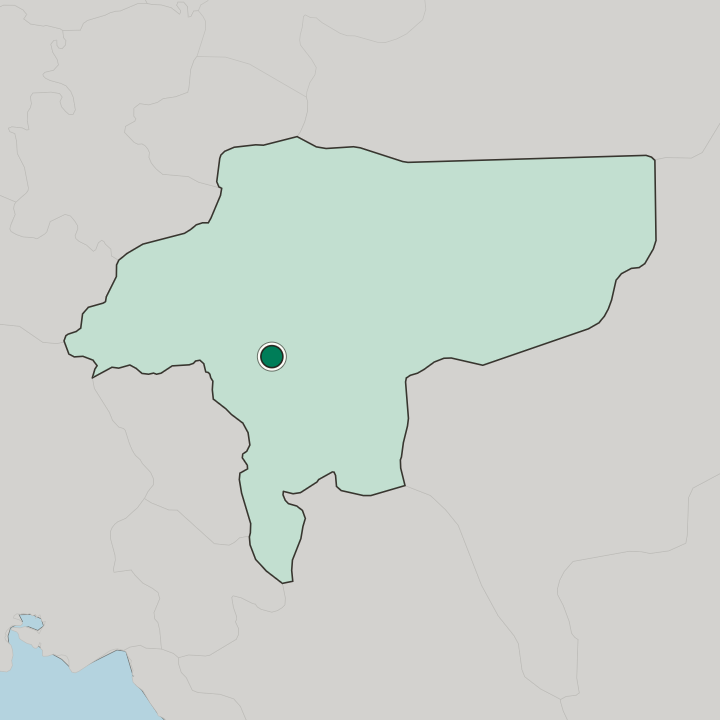
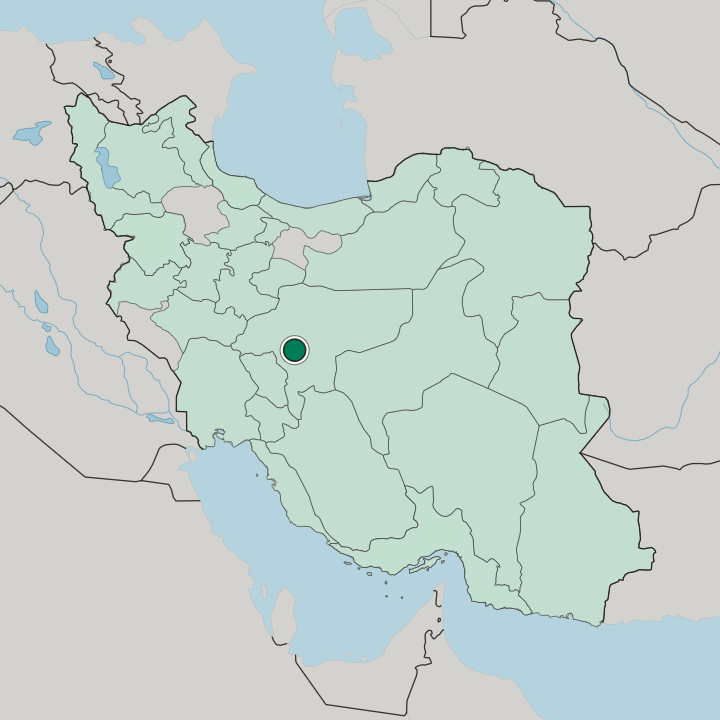
Khomeynī Shahr sits inside the Isfahan Metropolitan area, close enough to the larger city that the built-up ground runs together rather than stopping at a boundary. Isfahan province is the wider unit. Quarter names such as گاردر, لادره and ورنوسفادران still mark parts of the city, and the Central District of Khomeynishahr County covers the ground beyond.
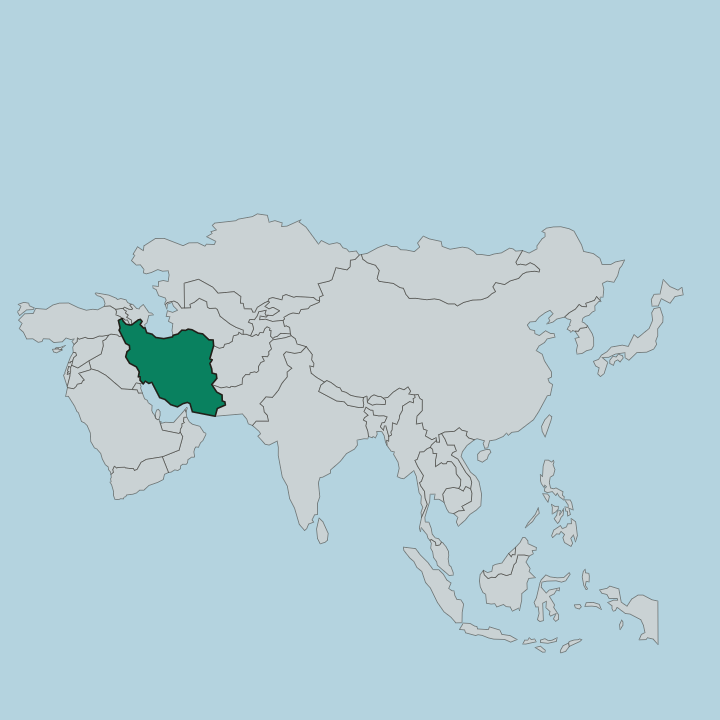
Isfahan province, and Iran past it, complete the address.
What is the climate of Khomeynī Shahr?
Heat is the local constant. Khomeynī Shahr shares the subtropical weather of the Isfahan Metropolitan area, so the summer runs long and hot while the winter is short and sits at the other end of the year. The bathhouses answer to that. مجموعه حمامهای گاردر and حمام درب سید belong to a way of living in a hot town where water was collected and heated in one place rather than in every house.
How do you get to Khomeynī Shahr?
Isfahan is the way in. Khomeynī Shahr sits inside the Isfahan Metropolitan area, so most arrivals come through the larger city and continue by road into a place that reads as part of the same built-up region. County traffic runs the other way, in from the villages of the Central District to the offices of Khomeynishahr County.
Inside the city, walking works.
Good for
More cities in Isfahan Province
Updated September 2026