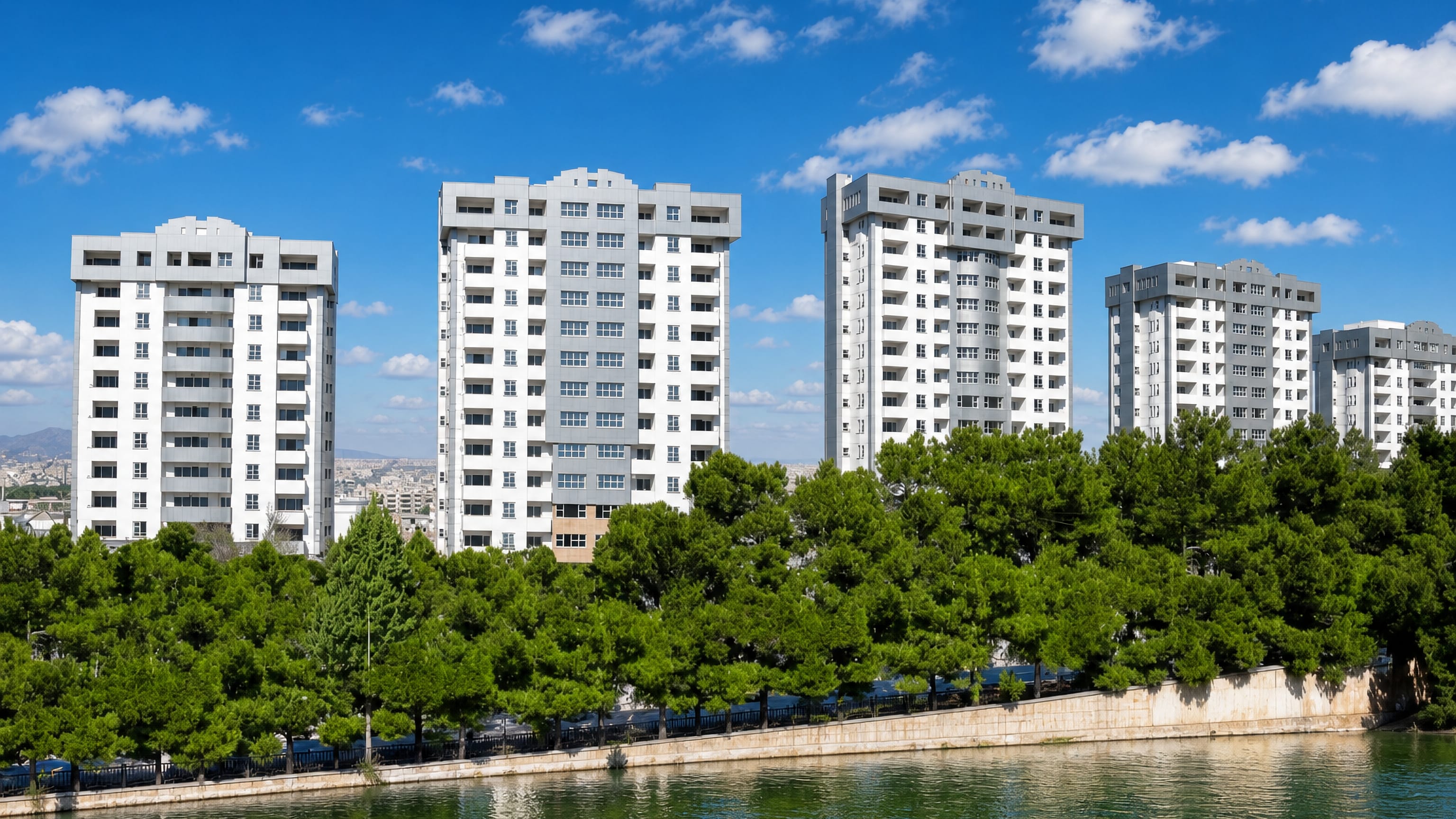
Iran · Isfahan Province
Where to Stay in Isfahan, Isfahan Province
Tiled domes rise over Naqsh-e Jahan Square in Isfahan, a city of central Iran and capital of Isfahan Province, known for its bridges and painted mosques.
Find your area →


Where to stay in Isfahan
Where you base yourself shapes the visit — here's the character of each area.
 IsfahanIran
Jowbāreh
Jowbāreh is recorded as the oldest district of Isfahan, its origins traced to the Achaemenid era and a Jewish settlement ordered by Cyrus the Great.Jowbāreh →IsfahanIranDardasht
Dardasht is an inner quarter of Isfahan, formerly Babol-Dasht, marked by old minarets, a cemetery and the Darb-i Imam Shrine.Dardasht →IsfahanIranShahrak-e Zāyandeh Rūd
Shahrak-e Zāyandeh Rūd is a residential neighbourhood of Isfahan, set in the Central District of Isfahan County in Iran.Shahrak-e Zāyandeh Rūd →Things to do in Isfahan
Ranked by global recognition; descriptions from Wikidata (CC0).
Museums & Galleries
3- Qazvini House
- Isfahan Museum of Decorative Arts
- Isfahan Museum of Contemporary Art
Churches & Religious Sites
8- Shah Mosque Heritage
- Vank Cathedral Heritage
- Sheikh Lotfollah Mosque Heritage
- Bethlehem Church (Isfahan) Heritage
- Baba Rukn al-Din Mausoleum Heritage
Show 3 more →
- Saint Mary Church (Isfahan) Heritage
- Saint George Church (Isfahan) Heritage
- Church of Our Lady of the Rosary Heritage
Castles & Historic Sites
7- Naqsh-e Jahan Square UNESCO
- Chehel Sotun Heritage
- Ali Qapu Heritage
- Khaju Bridge Heritage
- Imamzadeh Jafar (Isfahan) Heritage
Show 2 more →
- Baba Qasem Mausoleum Heritage
- Nazerian House (Isfahan) Heritage
Landmarks & Notable Places
6- Si-o-se Pol Heritage
- Alam's House Heritage
- Amin's House Heritage
- خانه امین التجار Heritage
- خانه فرج الله خان کیوان Heritage
Show 1 more →
- خانه خوانساری Heritage
worth knowingacross 4 categories in Isfahan
About Isfahan
What is Isfahan known for?
Isfahan is known for the great open expanse of Naqsh-e Jahan Square, one of the largest public squares in the world, framed by tiled monuments on every side. The Shah Mosque and the Sheikh Lotfollah Mosque anchor its ends. Their turquoise domes give the city its picture-book skyline, while the arched Si-o-se Pol carries the memory of the river below.
Isfahan Province surrounds it. The old saying holds that the city is half the world.
What are the main landmarks in Isfahan?
The main landmarks in Isfahan gather around Naqsh-e Jahan Square and the river that curves below the old city. The Shah Mosque and the Sheikh Lotfollah Mosque close two sides of the square with tiled portals, while the Ali Qapu palace looks out from a third and the Chehel Sotun garden pavilion stands a short walk beyond. Bridges define the water.
The arched Si-o-se Pol and the tiered Khaju Bridge span the riverbed in long ranks of stone arches. Across the water, Vank Cathedral holds the murals of the Armenian quarter within Isfahan Province.
What is the history of Isfahan?
Isfahan reached its height as a royal capital, and the shape of the old city still records those years. Long a trading town on the routes across central Iran, it rose to the front rank when a Safavid ruler moved his court here and laid out a new heart for the capital. The plan was grand from the outset.
Naqsh-e Jahan Square was set out as a vast maidan, a rectangle of arcades framing a polo ground, with the Shah Mosque at one end and the smaller Sheikh Lotfollah Mosque along one flank. The Ali Qapu palace rose on the western side as a gatehouse and royal grandstand over the square. Beyond the maidan the planners reached the river.
They threw the arched Si-o-se Pol and later the Khaju Bridge across the water, spans that doubled as weirs and gathering places, and laid out the garden pavilion of Chehel Sotun in its reflecting pool. A community of Armenian merchants, resettled across the river, built their own quarter and raised Vank Cathedral with its painted interior among the surrounding churches. The craft spread fast.
Deep blue and turquoise tilework climbed the domes and portals until the skyline of Isfahan Province became a byword for it, and the monuments of the maidan held their place through the centuries that followed. The phrase that named the city half the world kept its hold on the imagination.
Where is Isfahan?
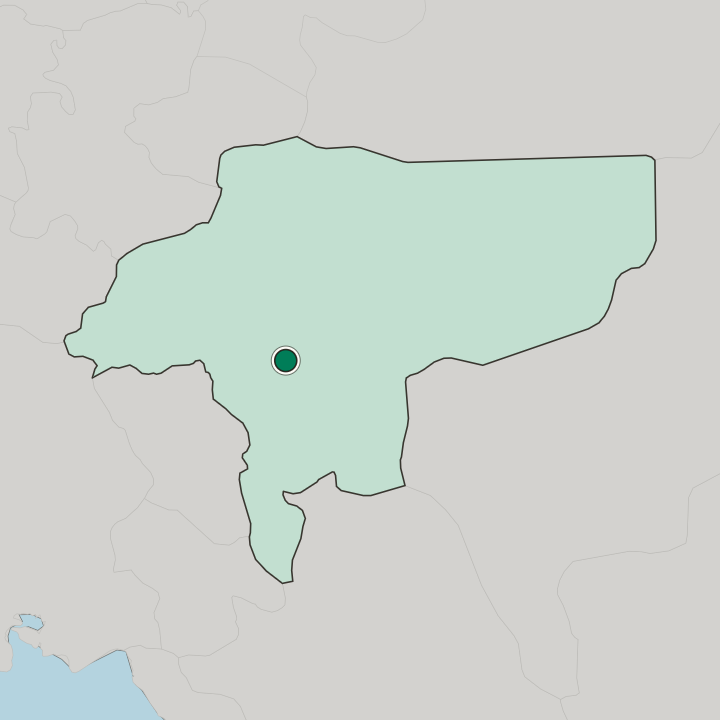
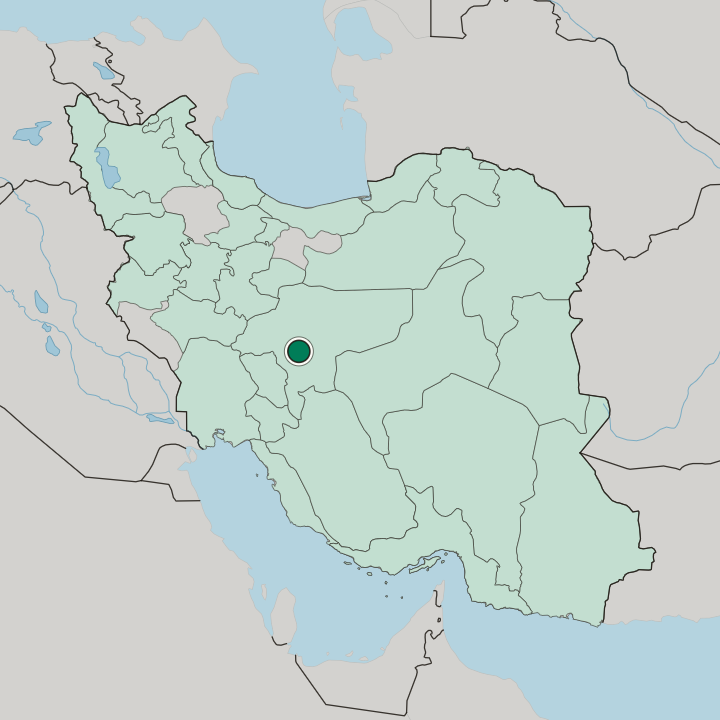
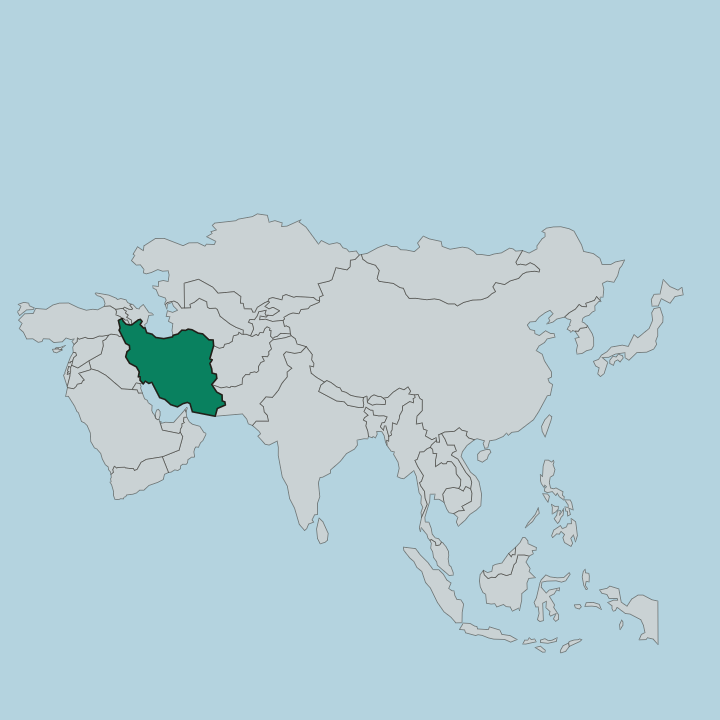
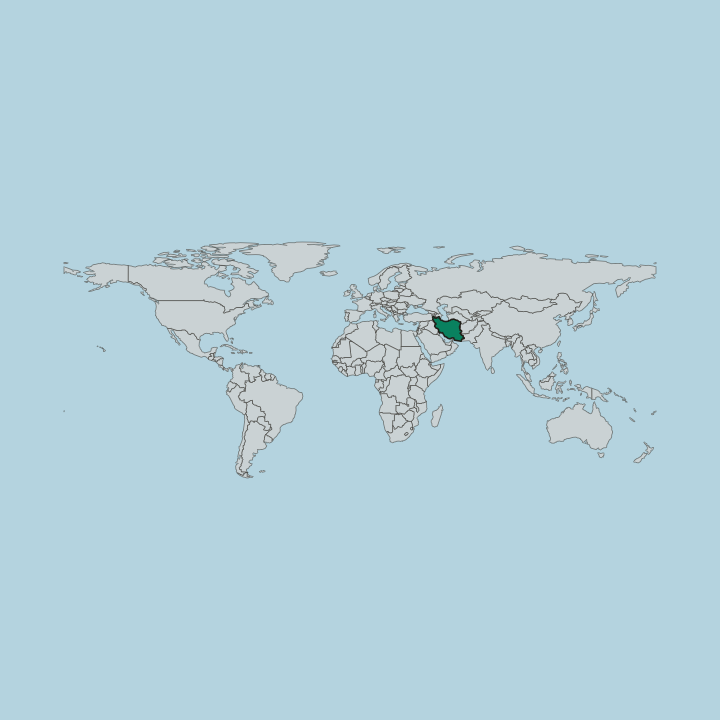
Isfahan lies in central Iran, the capital of Isfahan Province, set on a plain south of Tehran where the Zayanderud once ran wide through the city. The river gave the old town its bridges and gardens, and the arches of Si-o-se Pol still stride across its bed. Mountains rise to the west.
The city sits at a considerable elevation on the edge of the arid interior, and the water drawn from the surrounding highlands shaped the orchards and avenues that the Safavid planners laid out around Naqsh-e Jahan Square.
What is the climate of Isfahan?
Isfahan has a dry climate set by its high plain in central Iran, on the edge of the country's arid interior. Summers run hot and rainless across Isfahan Province, while winters turn cold with frost and occasional snow on the surrounding mountains. Skies stay clear.
That elevation softens the summer nights, so spring and autumn draw the pleasant weather that suits walking the arcades of Naqsh-e Jahan Square and the riverbank paths by Si-o-se Pol.
How do you get to Isfahan?
Isfahan connects to the rest of Iran by air, rail, and road as the hub of Isfahan Province. An international airport on the outskirts links it to Tehran and other centres, while the railway and the long-distance coach terminals tie it into the national network south of the capital. Trains run down from Tehran.
From the arrival points, taxis and the city metro carry visitors toward Naqsh-e Jahan Square, around which the mosques, the bazaar, and the bridges of Si-o-se Pol and Khaju Bridge lie within easy reach on foot.
Good for
More cities in Isfahan Province
Updated October 2026