Iran · Isfahan Province
Where to Stay in Shahreẕā, Isfahan Province
Shahreẕā, capital of Shahreẕā County in Isfahan Province, was named National City of Pottery in 1997 for the skill of its artists and its soil.
Find your area →


Where to stay in Shahreẕā
How the choice of base plays out on the ground.
The bazaar quarter is the anchor. Rooms near Grand Chaharsuq of Shahreza Bazaar put the covered lanes, Shah Mansouri Caravanserai and most of the city's registered houses inside a short walk, which is the whole argument for staying central in a place this size. Shahreẕā runs out of streets quickly in every direction.
Its heritage entries cluster rather than scatter, so one well-placed night covers the mosques, the caravanserai and Imamzadeh Bibi Khatun without a taxi in either direction. The shrine side suits a different visitor. Anyone whose reason for coming is Imamzadeh Bibi Khatun rather than the trade will want a bed on that side, close enough to walk before the day heats up.
Buyers of pottery think in errands. If the point of the trip is the craft that earned the National City of Pottery title, the practical base is near the trading streets, where the sellers and the bazaar structures sit within the same few blocks. County business is the third case.
Shahreẕā holds the seat of both Shahreẕā County and its Central District, and a room near those offices trades the heritage streets for a shorter morning.
Things to do in Shahreẕā
Ranked by global recognition; descriptions from Wikidata (CC0).
Churches & Religious Sites
7- مسجد جامع شهرضا Heritage
- مسجد حاج حسن Heritage
- مسجد نو قمشه Heritage
- مسجد عبد الحمید Heritage
- مسجد بازار شهرضا Heritage
Show 2 more →
- مسجد آقا امین Heritage
- مسجد حاج هادی قمشه ای Heritage
Castles & Historic Sites
8- کارخانه نوین شهرضا Heritage
- Grand Chaharsuq of Shahreza Bazaar Heritage
- تیمچه سرپوشیده (سلیم) Heritage
- تیمچه حاج محمد تقی Heritage
- حسینیه و مدرسه سادات Heritage
Show 3 more →
- عصارخانه بی طرف Heritage
- حمام بازار شهرضا Heritage
- سرای توکلی Heritage
Landmarks & Notable Places
3- خانه مشکی Heritage
- خانه متقی Heritage
- خانه موسائی Heritage
worth knowingacross 3 categories in Shahreẕā
About Shahreẕā
Pottery made the name.
What is Shahreẕā known for?
Shahreẕā was chosen as the National City of Pottery in 1997, and the citation rested on two things: the skill of the potters working here and the particular soil the city stands on. The bazaar carries the rest. Grand Chaharsuq of Shahreza Bazaar and Shah Mansouri Caravanserai anchor a trading quarter that has kept its covered structures, while Imamzadeh Bibi Khatun draws visitors of an entirely different kind.
What are the main landmarks in Shahreẕā?
The register is unusually full for a city of this size. Grand Chaharsuq of Shahreza Bazaar and Shah Mansouri Caravanserai carry the commercial side, Imamzadeh Bibi Khatun the devotional one, and behind them stand مسجد جامع شهرضا and سرای توکلی among a long list of mosques and merchant houses. Most sit within the old core.
That concentration is what makes Shahreẕā workable on foot for anyone going through the list rather than picking one sight.
What is the history of Shahreẕā?
Shahreẕā's documented past is mostly built, not written. The city's record survives as a register of structures, a caravanserai, a covered bazaar, mosques and merchant houses, rather than as a chronicle with dates attached. A start year is not among them.
Shah Mansouri Caravanserai and Grand Chaharsuq of Shahreza Bazaar say more about what the place was for than any surviving text does, because a caravanserai and a covered market are the buildings of a town that lived on trade. Craft is the thread that carries into the modern record. In 1997 Shahreẕā was selected as the National City of Pottery, and the stated reason was twofold: the skill of the artists working here and the particular soil the city stands on.
Soil is not a small detail. A clay that fires differently from the clay of the next county is the kind of local advantage that keeps a craft rooted in one town, and the designation records that rather than any claim made for it later. Isfahan Province frames the administrative side.
Shahreẕā holds the seat of both Shahreẕā County and its Central District, so the heritage register, the county offices and the potters' trade all sit inside one city rather than spread across a district.
Where is Shahreẕā?
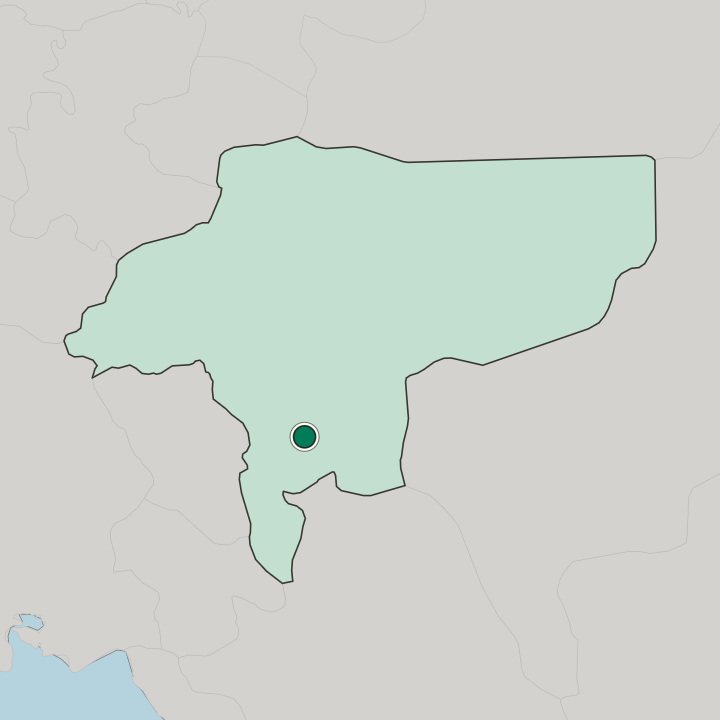
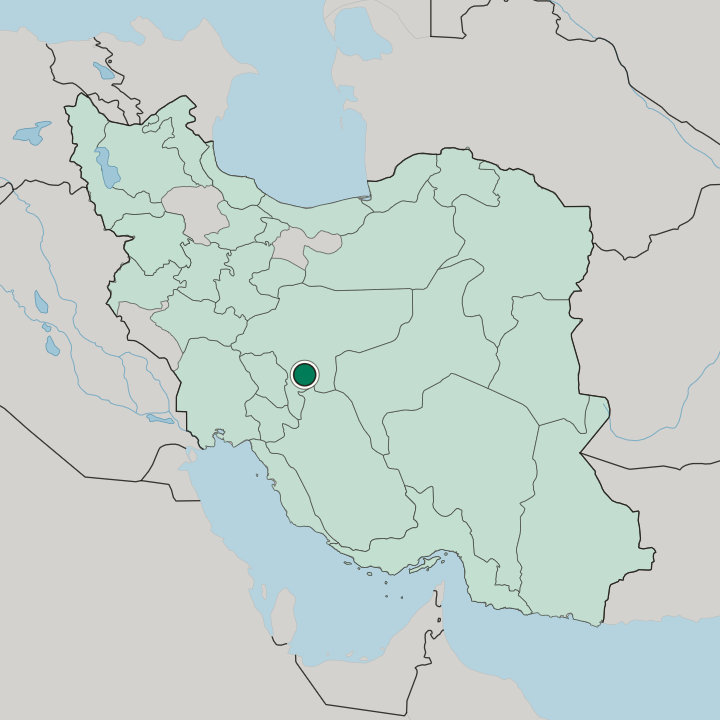
Shahreẕā lies within Isfahan Province, in the subtropical band, and what the sources describe is the ground rather than the relief around it. The soil is the landmark. A clay distinctive enough to be named in the citation for the National City of Pottery title is a geographical asset before it is a cultural one.
The built city is compact. Heritage entries, the bazaar structures and the county offices fall inside a core small enough to cross on foot, which is unusual for a place carrying this many registered buildings.
What is the climate of Shahreẕā?
Shahreẕā falls in the subtropical band, which for the city means heat concentrated into a long summer rather than spread evenly across the year. Dry air suits the craft. Conditions that make an afternoon in the bazaar quarter hard work in high summer are the same ones that suit a pottery trade dependent on drying, so the weather and the National City of Pottery title are not unrelated.
Winter is the easier season for walking. The mosques, merchant houses and covered lanes of Grand Chaharsuq of Shahreza Bazaar are better company once the sun is off them.
How do you get to Shahreẕā?
Approach is overland. The record for Shahreẕā names no airport and no station, so arrival means the road network of Isfahan Province and whatever bus or car is running it. A county seat pulls its own traffic.
Holding the administration of both Shahreẕā County and its Central District, the city sits where the district's roads converge rather than on a route that passes it by, and most arrivals set down nearer the offices than the bazaar lanes.
Good for
More cities in Isfahan Province
Updated September 2026