Iran · Isfahan Province
Where to Stay in Golpāyegān, Isfahan Province
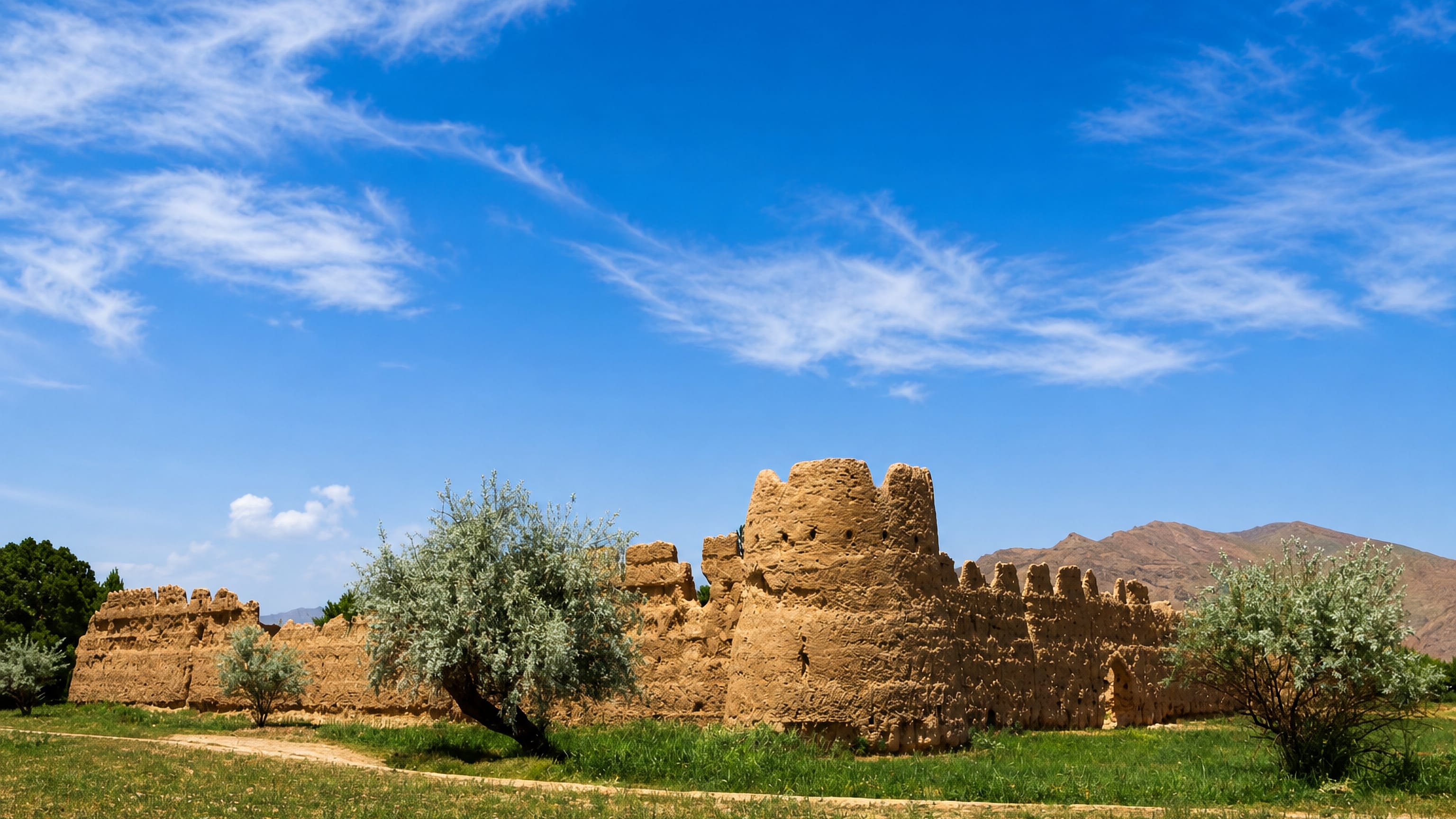
Golpāyegān is a highland city of Isfahan province, north-west of Isfahan itself, known for Golpayegan Tower and a cluster of old shrines.
Find your area →


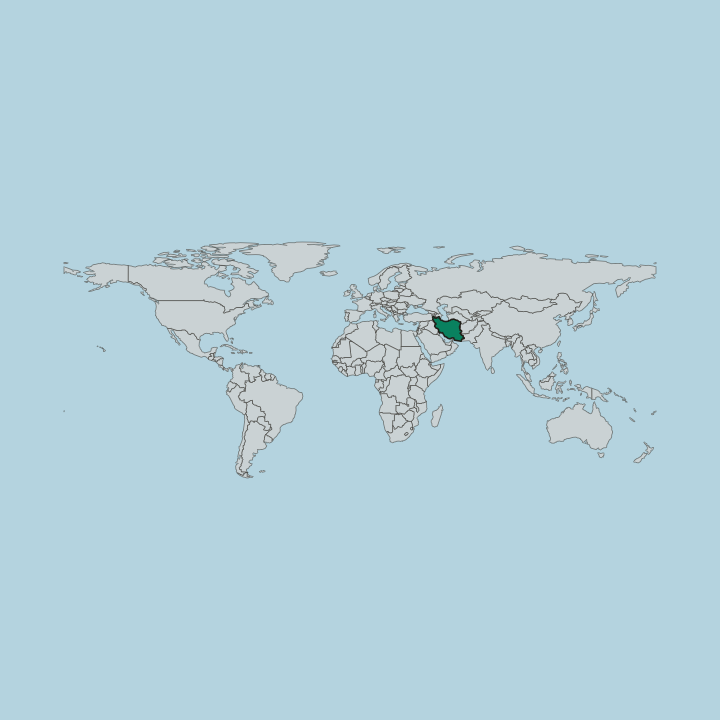
Where to stay in Golpāyegān
The practical side of choosing where to sleep.
The centre around Golpayegan Tower is where a first stay belongs, close to امامزاده سیدالسادات and to the shopping streets, with the rest of the old fabric inside an easy walk. Golpāyegān keeps its sights close together. گنبد بابا مصری and امامزاده هفده تن can both be folded into an afternoon on foot, which is the argument for staying central rather than out on the county road. Either way, the options are few.
Heat decides the timing of a stay in summer. You want shade and an early start when the season is hot and dry, so a room near باغ برج علی اکبری گلپایگان suits anyone who plans to be out before the middle of the day. Winter is the opposite problem.
Nights drop below freezing at this height, and a place with proper heating matters more than a view of Golpayegan Tower from the window. Outside the city, plan on driving back. Golpayegan County runs to villages rather than to hotels, so the city is the practical base for anything in the Central District and the last stop before the road to Isfahan or Arak.
Most of it fits in a day's walking.
Things to do in Golpāyegān
Ranked by global recognition; descriptions from Wikidata (CC0).
Castles & Historic Sites
4- Golpayegan Tower Heritage
- امامزاده هفده تن Heritage
- امامزاده سیدالسادات Heritage
- گنبد بابا مصری Heritage
Parks & Gardens
1- باغ برج علی اکبری گلپایگان Heritage
worth knowingacross 2 categories in Golpāyegān
About Golpāyegān
The tower comes first.
What is Golpāyegān known for?
Golpayegan Tower stands as the city's signature, and around it the older fabric runs to shrines and tombs: امامزاده سیدالسادات, امامزاده هفده تن, and the domed گنبد بابا مصری. باغ برج علی اکبری گلپایگان adds a garden and its tower to the list. Golpayegan County and its Central District are both run from here, and the road out to Isfahan carries the city's longer traffic.
What are the main landmarks in Golpāyegān?
Five sites carry names here. Golpayegan Tower is the one that identifies the city, and the shrines امامزاده سیدالسادات and امامزاده هفده تن are the ones that keep a local following. گنبد بابا مصری is a tomb under a dome. باغ برج علی اکبری گلپایگان pairs a garden with a tower, the fifth of the set and the one that reads least like a monument.
What is the history of Golpāyegān?
The city's founding went unwritten. What Golpāyegān has instead is a set of standing buildings: Golpayegan Tower, the domed گنبد بابا مصری, and the shrines امامزاده سیدالسادات and امامزاده هفده تن, all of them older than the county that takes the city's name. Towers were built to be seen.
The shrines have kept their function, which is why they read as living buildings rather than as monuments in a list. Nothing in the record dates them. Position explains part of it.
Golpāyegān sits between two larger places, 186 kilometres north-west of Isfahan and 102 kilometres south-east of Arak, which places it in the country between the two rather than in the orbit of one. Height is the other fact. The city stands high enough for the altitude to tell in its winters, and its yearly rainfall stays low.
The county's offices are the newest layer. Golpayegan County and the Central District inside it are both directed from the city, the arrangement that makes it the place where the surrounding countryside settles its business. Isfahan province is the layer above, and Iran the one above that. گلپایگان is the name in its own script.
Where is Golpāyegān?
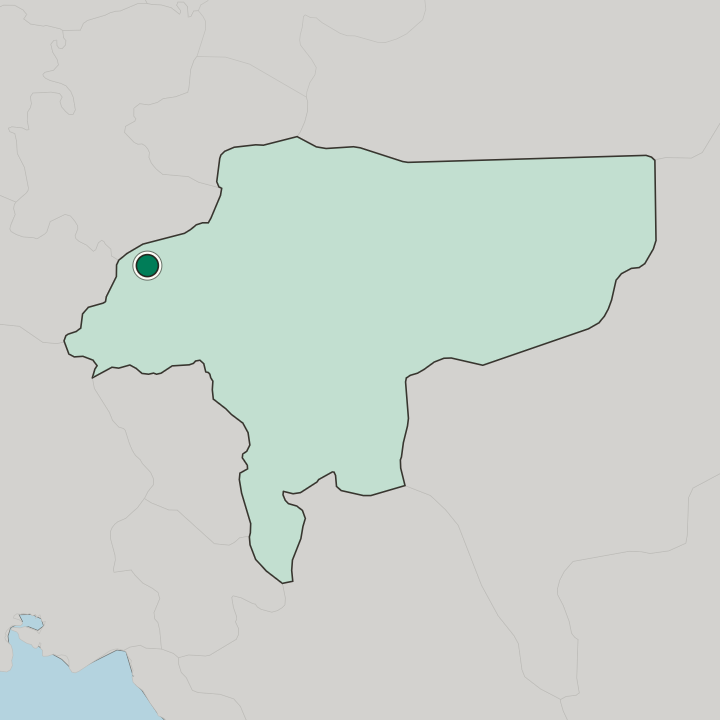
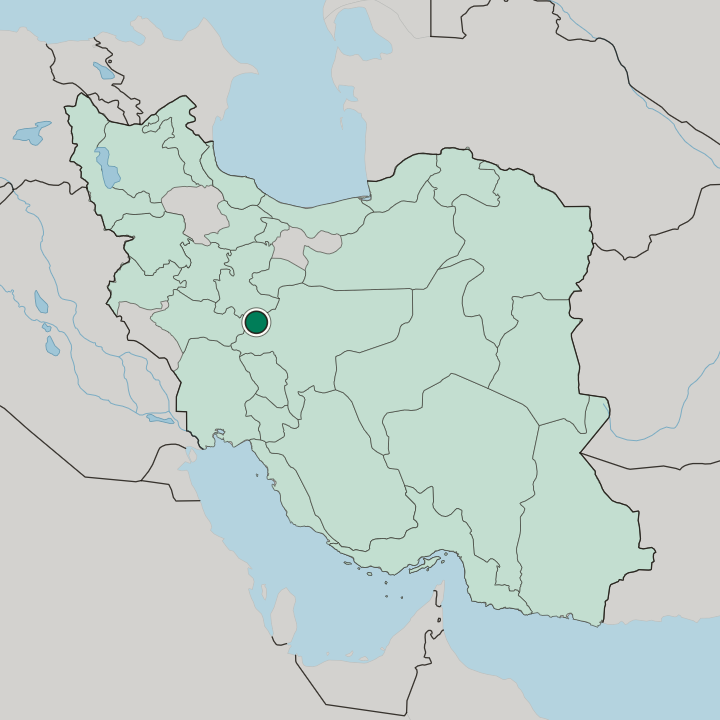
Golpayegan County spreads around the city, and the Central District at its core is the ground the city administers directly, farmland and villages under high, dry country. Isfahan province contains it all. Arak lies out to the north-west, Isfahan to the south-east, and the city sits in the country between them.
Nothing about the setting is low or wet.
What is the climate of Golpāyegān?
Altitude sets the terms. Golpāyegān sits at height, so its summers run hot and dry while winters drop below freezing, a swing wider than the subtropical band alone would suggest. Rain is scarce.
Yearly rainfall runs near 300 mm, which is why the gardens of Golpāyegān, باغ برج علی اکبری گلپایگان among them, are worked ground rather than accidents of a wet climate.
How do you get to Golpāyegān?
Arrival in Golpāyegān is by car. Golpāyegān is reached overland from either direction, from Isfahan to the south-east or from Arak to the north-west, and both approaches end in the same small centre of Golpayegan County. Golpayegan Tower is the marker once inside.
The shrines and the garden sit within the built-up area, so a car parked once will do for most of a visit.
Good for
More cities in Isfahan Province
Updated September 2026