Italy · Sicilia · Siracusa
Ortygia, Siracusa — Area Guide & Where to Stay
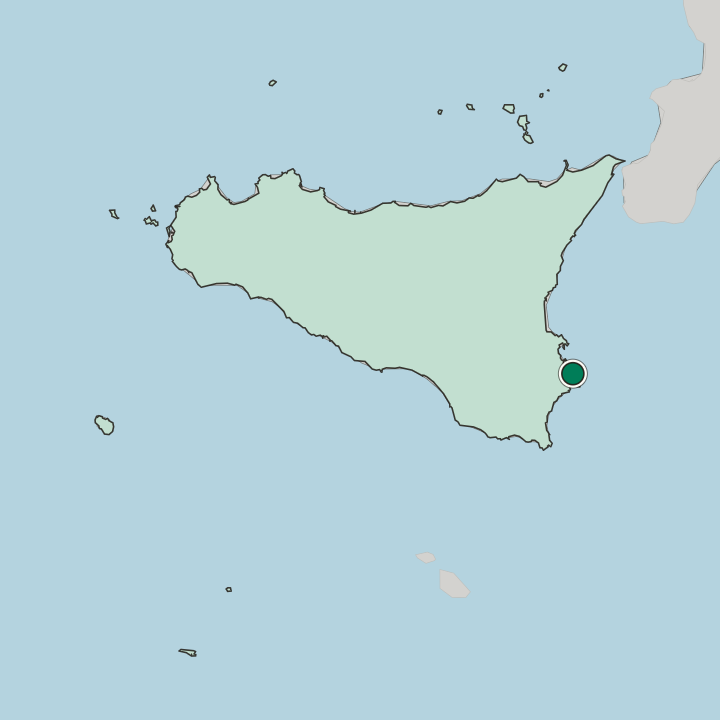
Ortigia is the island that forms the oldest part of Siracusa, about a square kilometre of limestone off the Sicilian coast.
Hotel links are affiliate links: booking through them may earn us a commission, at no extra cost to you. It never affects how places are ranked. How this works


Where to stay in Ortygia
The practical side of choosing where to sleep.
The island is the old town. About a square kilometre of it holds the whole ancient core of Siracusa, and its western shore forms the natural entrance to the great bay that makes the Porto Grande, with the Maddalena peninsula closing the other side. The coast is mostly rock.
It runs jagged with only the odd sandy inlet, so swimming here means finding one of them rather than walking onto a beach. Some rocks lie offshore to the east. One of them, wide but almost wholly submerged, was known as the island of the dogs.
Things to do in and around Siracusa
Ranked by global recognition; descriptions from Wikidata (CC0).
Museums & Galleries
2- Museo archeologico regionale Paolo Orsi Heritage
- Palazzo Bellomo Museum Heritage
Churches & Religious Sites
8- Santa Lucia alla Badia Heritage
- Chiesa di San Giovannello Heritage
- Chiesa di San Filippo Apostolo Heritage
- San Martino Heritage
- Spirito Santo Heritage
Show 3 more →
- San Filippo Neri, Siracusa Heritage
- San Nicolò dei cordari Heritage
- Santa Maria dei Miracoli Heritage
Castles & Historic Sites
3- Temple of Artemis in Syracuse Heritage
- Monumento ai Caduti italiani d'Africa Heritage
- Greek Theatre of Syracuse
worth knowingacross 3 categories in and around Siracusa
About Ortygia
What are the main landmarks in Ortygia?
Fresh water under limestone is the island's oddity. It runs beneath the rock, fed from a deep Iblean aquifer, and the fonte Aretusa is where it surfaces. Papyrus grows in that spring.
Cyperus papyrus, the plant paper was made from, draws attention there among a flora otherwise made of the usual Mediterranean palms and ficus, because millennia of dense building have left the island little room for anything wilder. The old quay is underwater. Archaeological work at the Lakkios, the porto Piccolo of Siracusa, has found part of the marble landing that marked the Syracusan berth, which shows the coast once reached further out than it does.
What is the history of Ortygia?
Ortigia is the part of Siracusa that came first. The island is the oldest ground of the city and geologically part of the monti Iblei, which is why the whole of it sits on limestone with fresh water running underneath. Its shoreline has moved.
Studies at the Lakkios, the smaller of the two harbours, show a marble quay now under water, so the ancient coast ran out beyond the present one. The harbours shaped everything. The western shore forms the mouth of the Porto Grande between Ortigia and the Maddalena peninsula, and that sheltered water is the reason a city grew on a small island rather than on the mainland behind it.
Building left no room for plants. Dense settlement over thousands of years reduced the flora to palms and ficus, with the papyrus in the fonte Aretusa as the exception worth walking to.
Where is Ortygia?
Ortigia covers about a square kilometre off Siracusa as part of the monti Iblei, with the Porto Grande on its western side toward the Maddalena peninsula and the Lakkios, the porto Piccolo, to the east.
Good for
More areas in Siracusa
Updated October 2026