Italy · Sicilia
Where to Stay in Siracusa, Sicilia
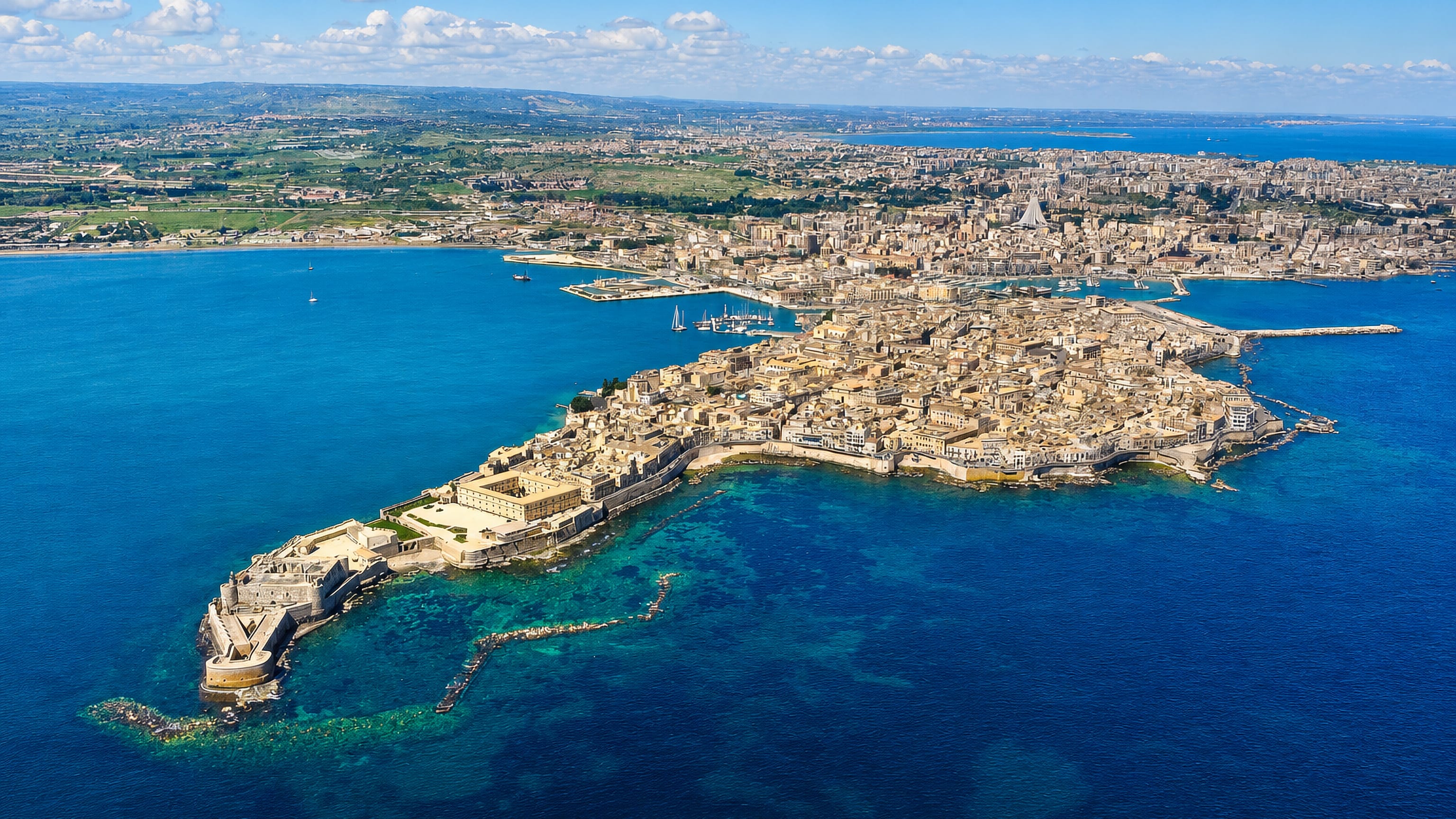
Greek and Roman ground lies under Siracusa, a city on the eastern coast of Sicilia, listed with Pantalica as UNESCO World Heritage.
Hotel links are affiliate links: booking through them may earn us a commission, at no extra cost to you. It never affects how places are ranked. How this works


Where to stay in Siracusa
The right area depends on your trip — here's what each neighbourhood is best for.

 SiracusaItaly
Acradina
Quarry walls open off via Latomia del Casale in Acradina, a Siracusa quarter north of Ortygia named for one of the five quarters of the Greek city.Where to stay →SiracusaItalyOrtygia
Ortigia is the island that forms the oldest part of Siracusa, about a square kilometre of limestone off the Sicilian coast.Where to stay →SiracusaItalyTiche
Tiche runs north from Siracusa across the plateau to the Targia plain, where the coast opens at Santa Panagia. It takes in Scala Greca and the shore.Where to stay →SiracusaItalySanta Panagia
Santa Panagia lines Siracusa's north-western edge, strung along Viale Santa Panagia and ending at a rock-cut Byzantine oratory above the sea.Where to stay →SiracusaItalyEpipoli
Epipoli means above the city, a Siracusa quarter on the limestone plateau northwest of Ortygia, walled by Dionysius I in 402 BC.Where to stay →SiracusaItalyOgnina
Ognina is a coastal locality of Siracusa where white calcarenite cliffs drop into coves, with Torre Ognina on the cape at its southern point.Where to stay →SiracusaItalyGrottasanta
Grottasanta takes its name from a cave under the church of Maria Addolorata, a quarter of Siracusa climbing from the shore of the Ionian Sea.Where to stay →SiracusaItalyNeapolis
Neapolis puts the rock-cut Teatro greco di Siracusa at one end of the quarter and the offices along corso Gelone at the other.Where to stay →Hotel links are affiliate links: booking through them may earn us a commission, at no extra cost to you. It never affects how places are ranked. How this works
Find hotels in Siracusa
Direct booking searches for these neighbourhoods.
The ancient city
Siracusa's amphitheatres and archaeological sites stand in the same coastal town as the beds.Find hotels in The ancient cityDay runs out to the Baroque towns of south-eastern SiciliaA base for Ragusa and Noto
Ragusa and Noto are within reach of Siracusa, which is why one address covers the whole south-east.Find hotels in A base for Ragusa and NotoReaching the Rocky Necropolis of Pantalica in a morningWithin reach of Pantalica
Pantalica shares Siracusa's World Heritage listing but stands outside the city, so the bed belongs in the city.Find hotels in Within reach of PantalicaHotel links are affiliate links: booking through them may earn us a commission, at no extra cost to you. It never affects how places are ranked. How this works
Things to do in Siracusa
Ranked by global recognition; descriptions from Wikidata (CC0).
Museums & Galleries
3- Museo archeologico regionale Paolo Orsi Heritage
- Palazzo Bellomo Museum Heritage
- Ipogeo
Churches & Religious Sites
8- Santa Lucia alla Badia Heritage
- Chiesa di San Giovannello Heritage
- Chiesa di San Filippo Apostolo Heritage
- San Martino Heritage
- Spirito Santo Heritage
Show 3 more →
- San Filippo Neri, Siracusa Heritage
- San Nicolò dei cordari Heritage
- Santa Maria dei Miracoli Heritage
Castles & Historic Sites
5- Castello Eurialo Heritage
- Latomia dei Cappuccini Heritage
- Temple of Artemis in Syracuse Heritage
- Monumento ai Caduti italiani d'Africa Heritage
- Castello della Targia Heritage
Landmarks & Notable Places
4- Torre Ognina Heritage
- Torre Tonda Heritage
- Torre Pizzuta Heritage
- Torre della Targia Heritage
worth knowingacross 4 categories in Siracusa
About Siracusa
What is Siracusa known for?
Siracusa is known for its Greek and Roman ground, and for the UNESCO World Heritage list that pairs the city with the Rocky Necropolis of Pantalica. Two ancient powers built here. Amphitheatres and the archaeology around them carry most of what a visitor comes to see, and the architecture that followed carries the rest.
English still calls the place Syracuse.
What are the main landmarks in Siracusa?
Siracusa's landmarks are ancient rather than modern. Amphitheatres survive from the Greek and Roman city, and the archaeological sites around them are the substance of what a visitor walks between. The Rocky Necropolis of Pantalica is the named exception standing outside the town, its tombs cut into rock and its World Heritage listing shared with Siracusa.
Everything after antiquity counts as architecture rather than monument, the accumulated fabric of a working Syracuse on the eastern coast of Sicilia.
What is the history of Siracusa?
Siracusa's history is Greek first and Roman second, and both periods left more in the ground than above it. The Greek city came before Rome reached Sicilia. What survives of it is archaeology rather than streetscape: amphitheatres, cut stone, and the sites that still carry the ancient plan.
Rome took the same ground over. The Roman city used what the Greek one had built and added to it, which is why the two periods are so hard to separate on a single site. Pantalica sits apart from all of it.
The Rocky Necropolis of Pantalica cuts its tombs into rock beyond the modern town, and the UNESCO World Heritage list treats the necropolis and the city as a single inscription rather than as two places in the same corner of Sicilia. Later centuries show up as architecture instead of ruins. The Baroque of Ragusa and Noto belongs to the same span of Sicilian history, and Catania became the lively city on the same coast while Siracusa kept the ancient ground and the name that goes with it.
English still writes that name Syracuse.
Where is Siracusa?
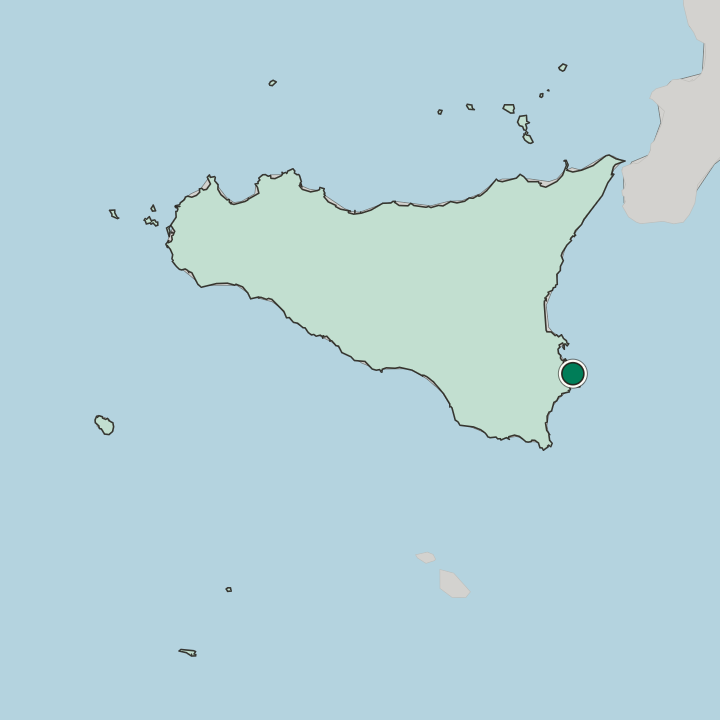
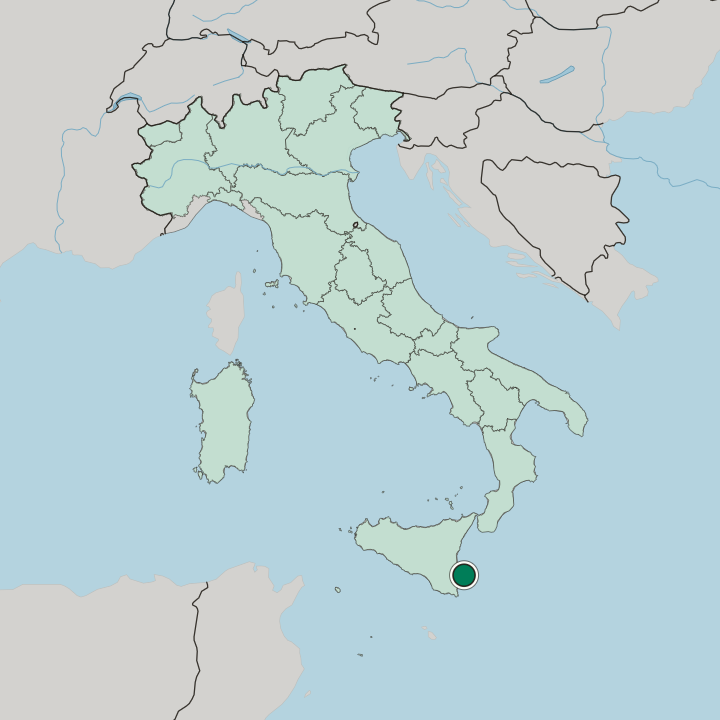
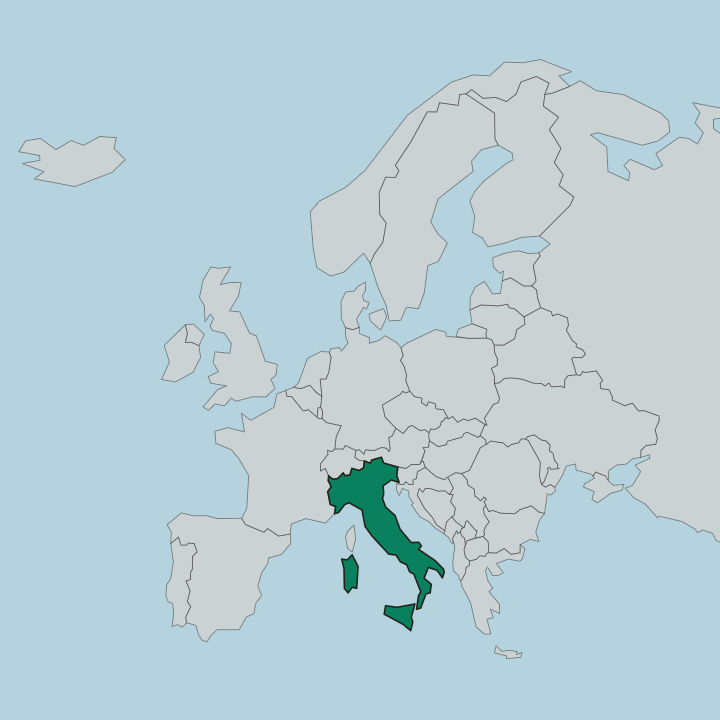
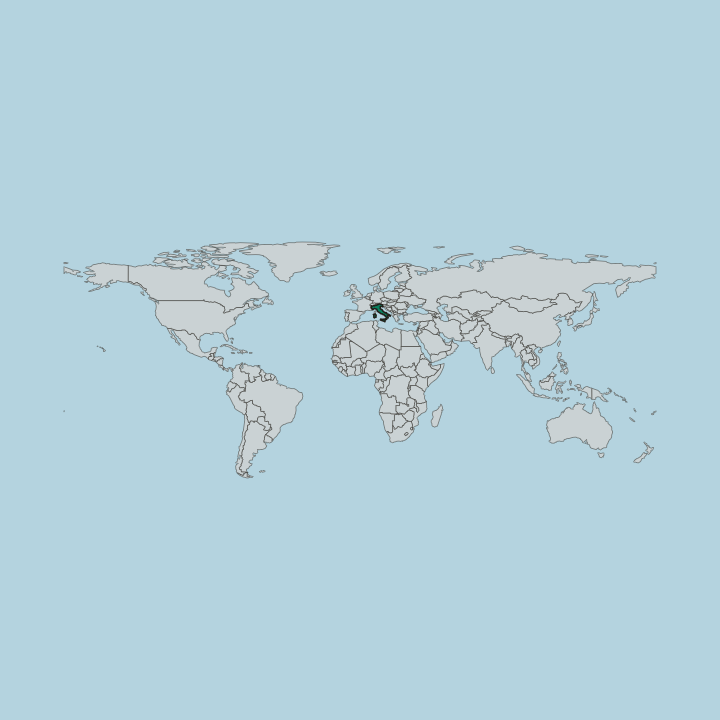
Siracusa sits on the eastern coast of Sicilia, in the south-east of the island, within Italy. The sea is its eastern edge. Inland the country runs toward Ragusa and Noto, and the Rocky Necropolis of Pantalica lies out that way rather than by the water, while Catania holds the same coastline further along it.
What is the climate of Siracusa?
The sea decides Siracusa's year. A town on the eastern coast of Sicilia takes its weather off the water, so the winters stay mild and the summers run long and dry, and the country inland toward Ragusa and Noto swings further in both directions than this shoreline ever does. Coastal, not continental.
How do you get to Siracusa?
Siracusa is reached along the eastern coast of Sicilia, with Catania the other city on that same shore. The coast carries the route. Inland roads run toward Ragusa and Noto and toward the archaeological sites of the south-east, and the Rocky Necropolis of Pantalica lies in that same country away from the water.
Distances here are small, which is what makes Siracusa a base rather than a stop.
Common questions
What is the best area to stay in Siracusa?
The ancient city: Walking the Greek and Roman ground of Siracusa without a car. A base for Ragusa and Noto: Day runs out to the Baroque towns of south-eastern Sicilia. Within reach of Pantalica: Reaching the Rocky Necropolis of Pantalica in a morning.
Good for
More cities in Sicilia
Updated October 2026