Japan · Fukuoka Prefecture · Fukuoka
Fujisaki, Fukuoka — Area Guide & Where to Stay
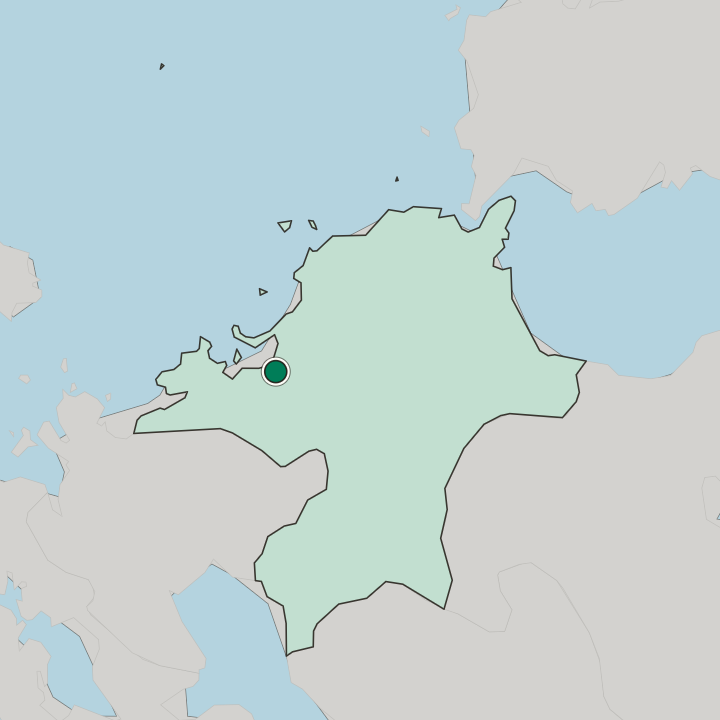
Fujisaki is a district of Sawara ward in Fukuoka built over a Yayoi burial ground on a coastal dune, whose jar graves may number two hundred.
Hotel links are affiliate links: booking through them may earn us a commission, at no extra cost to you. It never affects how places are ranked. How this works


Where to stay in Fujisaki
How the choice of base plays out on the ground.
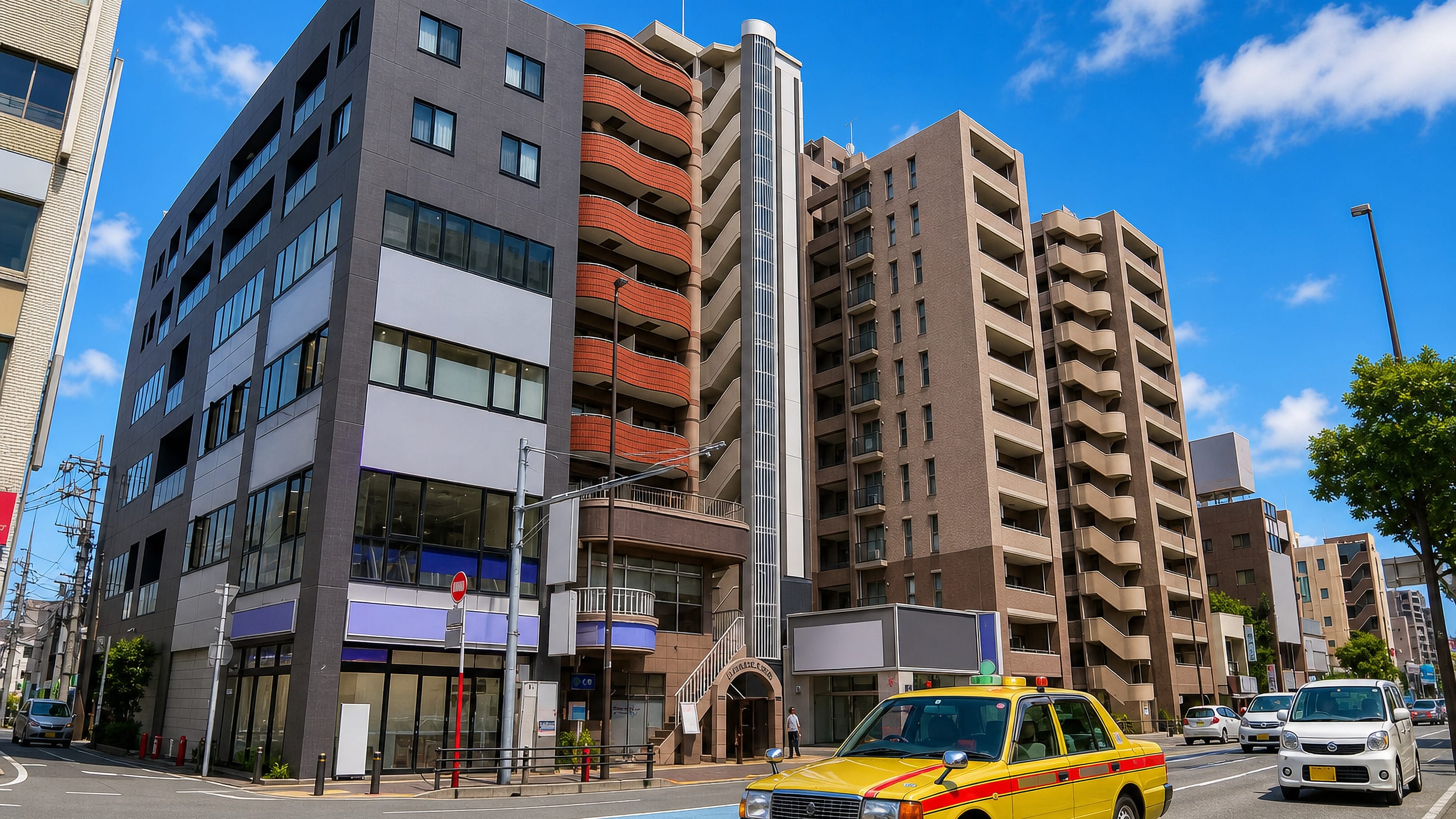
The shopping street starts here. The western entrance of the Nishijin arcades stands by Fujisaki station, and banks, clinics and gyms line the Meiji-dori to the north and the Hara-dori to the west. A bus terminal adjoins the station.
Fujisaki is one of the main transport points of the city, with the interchange on the Momochi side. Most of the district is housing.
About Fujisaki
What are the main landmarks in Fujisaki?
The Fujisaki site is a Yayoi cemetery. It runs about three hundred and seventy metres east to west and three hundred and ten north to south around the ground south of the Sawara ward office, and it lies on a coastal dune. Jar graves dominate it.
Several surveys suggest the number may reach two hundred, with pit graves and stone-coffin graves among them, and burial went on continuously from the early Yayoi to the early Kofun period. Bronze mirrors came out of it. A triangular-rimmed mirror with two deities and a dragon and tiger was among them, along with a square-and-whorl mirror and others.
The name may be a mountain.
What is the history of Fujisaki?
Burial began here in the early Yayoi period. The dune carried a communal cemetery from then until the early Kofun period, which is a long stretch for one ground to serve. The name has two accounts.
People in the district say it comes from Fujisaki, the cape of Fuji, because Mount Kaya, called the Fuji of Chikuzen, could be seen clearly from here. The other reading is topographic. It takes the name from fuchi and saki, the edge and the front, meaning the front of the edge of a slightly raised ground.
The modern name dates from 1969. The address reform of that year fixed the two chome the district now has.
More areas in Fukuoka
Updated September 2026