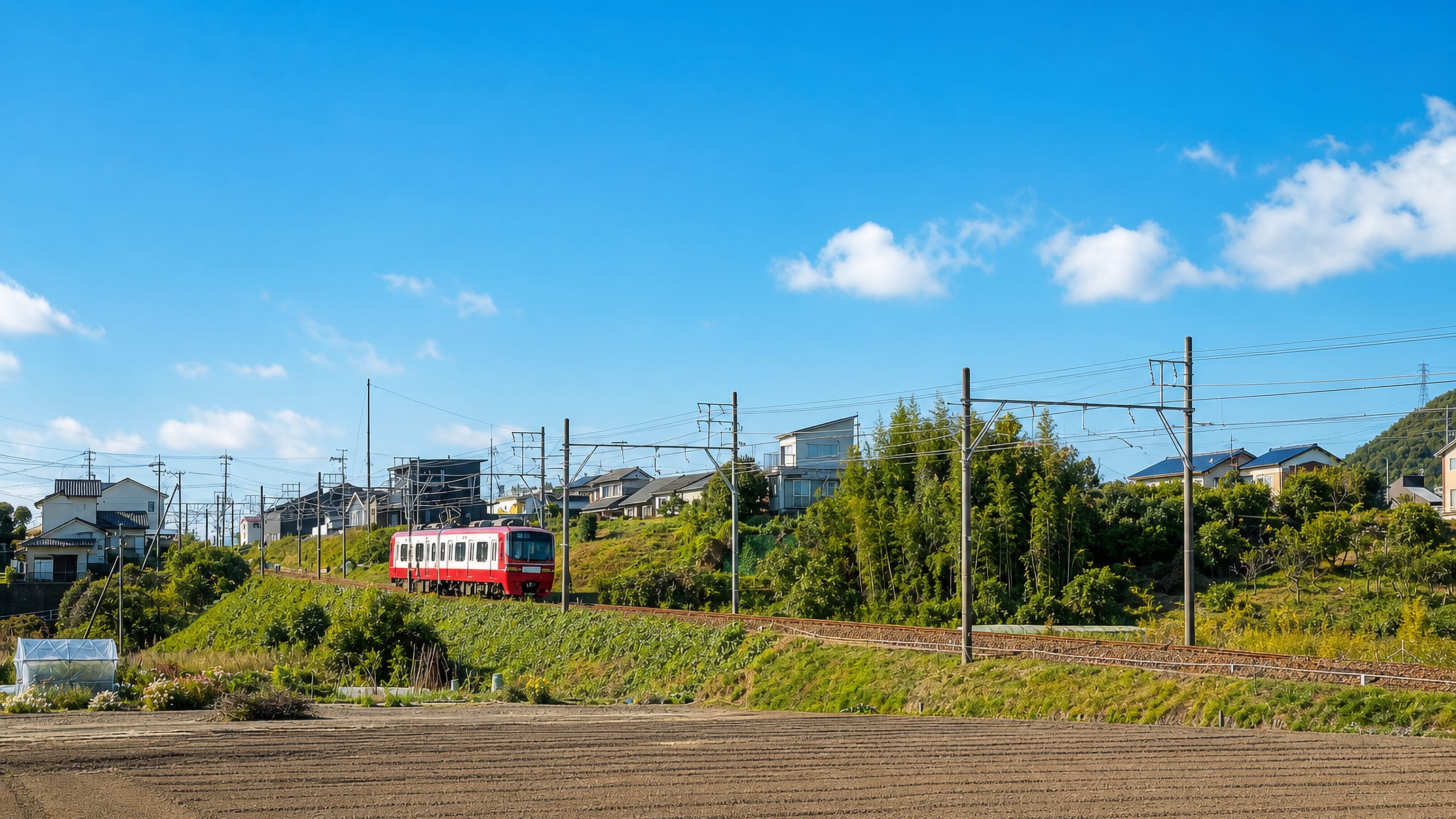
Japan · Gifu
Where to Stay in Kakamigahara, Gifu
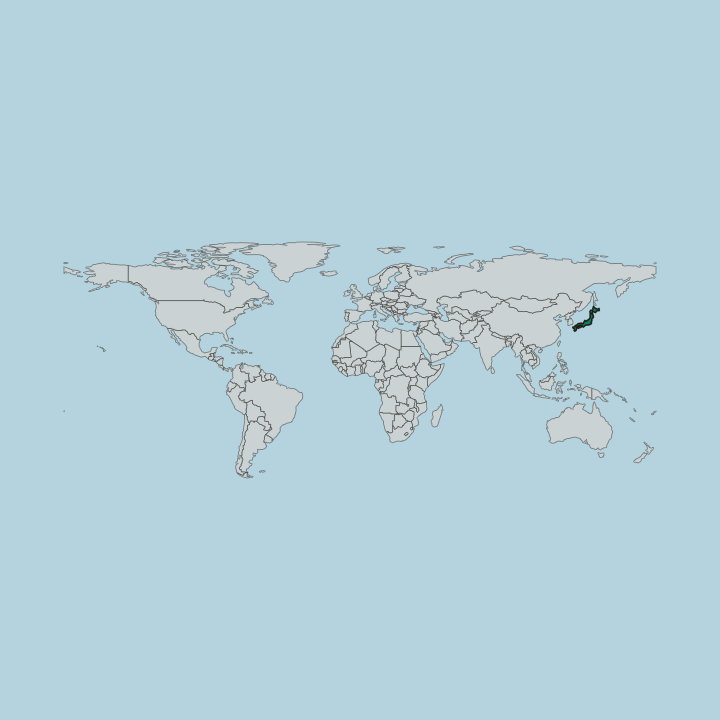
Kakamigahara is a city of Gifu Prefecture holding the Gifu-Kakamigahara Air and Space Museum and the old Nakasendō post town of Unuma-juku.
Hotel links are affiliate links: booking through them may earn us a commission, at no extra cost to you. It never affects how places are ranked. How this works


Where to stay in Kakamigahara
Where the beds are, and what that means for the visit.
Unuma-juku is the first place to weigh. A room on that side of Kakamigahara puts the Nakasendō Unuma-juku Machiya-kan within a walk of breakfast, and the old post-town frontage gives the stay a setting the rest of the city does not try to match. The trade is quiet evenings.
Aviation pulls the other way, because the Gifu-Kakamigahara Air and Space Museum is a half-day in itself and anyone travelling for the collection will want the shortest possible run to its doors. A third choice answers to the past under the fields. Kotozuka Kofun and Tengudani iseki are excavation sites rather than attractions with opening hours, and beds near them suit a visitor content to walk out to a mound in the morning and reach the Museum of History and Folklore later in the day.
Murakuni-za makes the case for a fourth. Kakamigahara covers about 88 square kilometres, so nowhere in it is genuinely remote from anywhere else, and the practical difference between these quarters is what you see on the way out of the door rather than how long the journey takes. Pick by interest, not distance.
Find hotels in Kakamigahara
Direct booking searches for these neighbourhoods.
Unuma-juku
The post-town street where Nakasendō Unuma-juku Machiya-kan keeps a townhouse open to visitors.Find hotels in Unuma-jukua full day given to the Gifu-Kakamigahara Air and Space MuseumBy the Gifu-Kakamigahara Air and Space Museum
The aviation quarter of Kakamigahara, where the shortest run to the aircraft halls matters more than the view.Find hotels in By the Gifu-Kakamigahara Air and Space Museumwalks out to Kotozuka Kofun and the dig at Tengudani isekiNear Kotozuka Kofun
Ground given over to excavation rather than opening hours, with the Museum of History and Folklore reachable the same day.Find hotels in Near Kotozuka Kofunan evening built around Murakuni-zaAround Murakuni-za
The Murakuni-za corner of Kakamigahara, chosen for the stage rather than for the museums. Beds are limited here, so book early.Find hotels in Around Murakuni-zaHotel links are affiliate links: booking through them may earn us a commission, at no extra cost to you. It never affects how places are ranked. How this works
About Kakamigahara
Aircraft set the tone here.
What is Kakamigahara known for?
The Gifu-Kakamigahara Air and Space Museum gathers the flying machines, and the same city keeps the Kotozuka Kofun, the excavated ground of Tengudani iseki and the Murakuni-za. Older travel left its own mark. Nakasendō Unuma-juku Machiya-kan preserves a townhouse of Unuma-juku on the Nakasendō, while the Museum of History and Folklore covers the country that road crossed.
What are the main landmarks in Kakamigahara?
The Gifu-Kakamigahara Air and Space Museum leads. Behind it stand two older claims on the ground, Kotozuka Kofun and Tengudani iseki, which record burial and settlement long before anything in the city took to the air. Nakasendō Unuma-juku Machiya-kan speaks for the road.
Murakuni-za and the Museum of History and Folklore complete the set, one a stage and the other a collection covering the whole of Kakamigahara.
What is the history of Kakamigahara?
Burial came before roads. Kotozuka Kofun holds the earliest chapter the city can show, and Tengudani iseki adds the excavated remains of settlement to it, so the record of Kakamigahara begins under the fields rather than in any surviving street. Digging still turns things up.
The Museum of History and Folklore is where that material is read and arranged, which makes it the one stop that explains the others. The Nakasendō changed the terms. Unuma-juku grew as a stop on that highway, and the Nakasendō Unuma-juku Machiya-kan survives from the period when a night here meant a townhouse on a walking road rather than a hotel beside a runway.
Murakuni-za belongs to the same older life. Kakamigahara took its modern shape in 1963, when the city was constituted, and the Gifu-Kakamigahara Air and Space Museum now records the flying that gave the place its later reputation within Gifu Prefecture. Two travelling ages meet in one municipality.
Walking the Nakasendō and flying out of it are separated by centuries, yet Unuma-juku and the air museum belong to the same short list of reasons anyone comes.
Where is Kakamigahara?
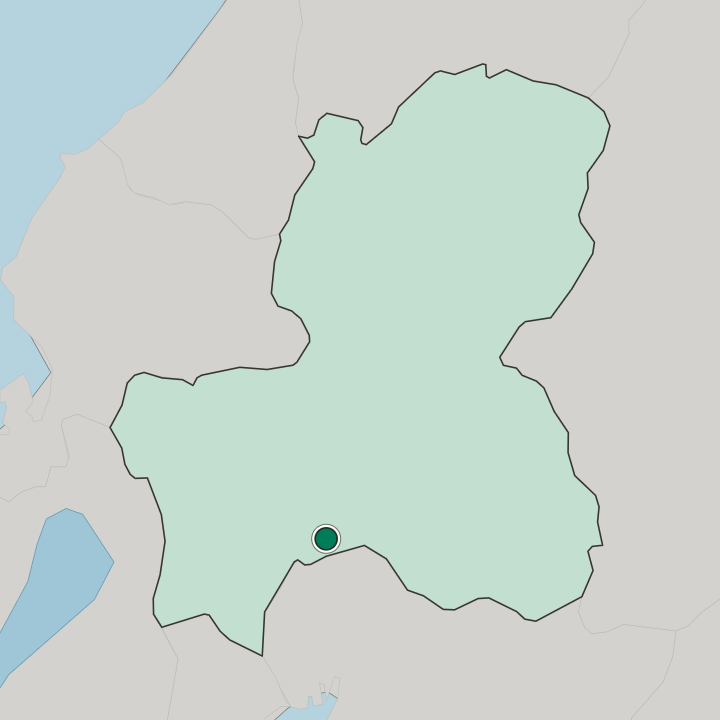
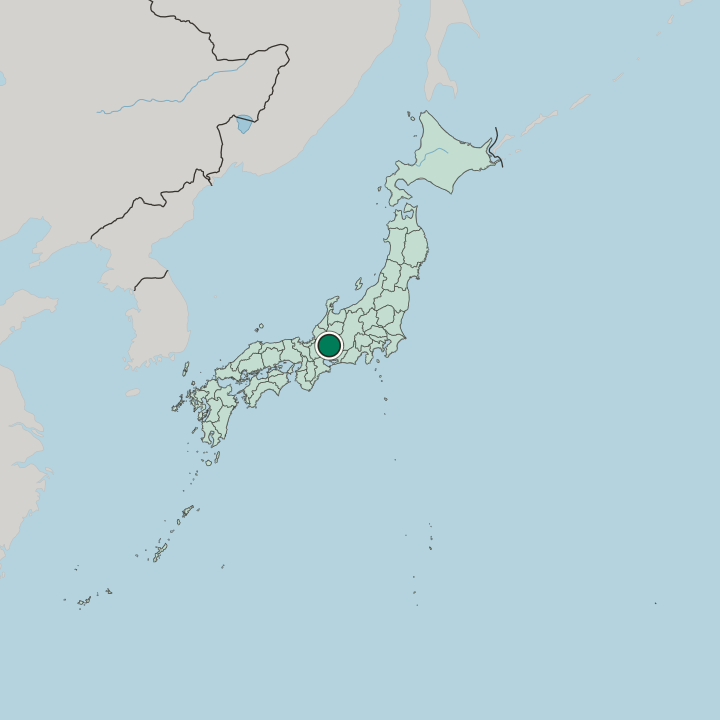
About 88 square kilometres make up the city. Kakamigahara lies within Gifu Prefecture in the temperate belt of the northern hemisphere, an inland municipality whose surface has been worked over for long enough that its oldest features are buried ones. Kotozuka Kofun is the exception above ground.
Tengudani iseki had to be dug for, and the plain that carries both of them is the same flat run of country the Nakasendō chose when it needed an easy line through Gifu.
What is the climate of Kakamigahara?
Temperate seasons govern the calendar. Kakamigahara stands well inside the northern hemisphere's temperate band, which puts the warm weather in the middle of the year and keeps the short cold spell at either end of it, and an inland city feels both ends more sharply than a coast does. Rain decides the day's plan.
The Gifu-Kakamigahara Air and Space Museum and the Museum of History and Folklore are roofed, whereas Kotozuka Kofun is a field monument and offers nothing to shelter under.
How do you get to Kakamigahara?
The Nakasendō got here first. That highway ran through Unuma-juku when walking was the only way across Gifu Prefecture, and its line still explains why the city sits where it does and why its older buildings face the road they do. Overland arrival remains the rule.
Once here, the Gifu-Kakamigahara Air and Space Museum, Murakuni-za and the Museum of History and Folklore sit far enough apart that a vehicle saves an afternoon.
Common questions
What is the best area to stay in Kakamigahara?
Unuma-juku: mornings on the old Nakasendō frontage at Unuma-juku. By the Gifu-Kakamigahara Air and Space Museum: a full day given to the Gifu-Kakamigahara Air and Space Museum. Near Kotozuka Kofun: walks out to Kotozuka Kofun and the dig at Tengudani iseki. Around Murakuni-za: an evening built around Murakuni-za.
Good for
More cities in Gifu
Updated September 2026