Japan · Gifu
Where to Stay in Ōgaki, Gifu
Ōgaki is the Gifu city where Matsuo Bashō closed the journey of Oku no Hosomichi, and where Ōgaki Castle still heads the landmark list.
Hotel links are affiliate links: booking through them may earn us a commission, at no extra cost to you. It never affects how places are ranked. How this works


Where to stay in Ōgaki
The practical side of choosing where to sleep.
Bashō decides more beds here than the castle does, because a visitor who has come for Oku no Hosomichi wants the museum built around it within walking reach and treats everything else as a bonus. That argues for the literary quarter. Rooms near Basho's Oku no Hosomichi Haiku Journey Museum put the end of the poet's road at the start of the day, and they leave the Ōgaki Museum of Local History close enough to add without much planning.
The castle side is the alternative. Ōgaki Castle draws the other kind of visitor, and staying within sight of it suits anyone who would rather begin with fortification than with verse, with Ogakishi Wajukan available in the same direction. Art makes a quieter third case. The Ogaki City Moriya Tadashi Art Museum rewards an unhurried hour, and a bed on that side of the city trades the busier streets for a shorter walk to the collection. Gifu City is only ten minutes away by train, which means a stay in Ōgaki can serve a trip aimed at the prefectural capital just as easily as one aimed at the poet.
Weigh that before booking either. The choice costs nothing in travelling time and a good deal in atmosphere, since the two cities do not feel remotely alike despite the shortness of the ride between them.
Find hotels in Ōgaki
Direct booking searches for these neighbourhoods.
The Bashō quarter
The end of the road recorded in Oku no Hosomichi, with the Ōgaki Museum of Local History a short walk on.Find hotels in The Bashō quartermornings at Ōgaki Castle with Ogakishi Wajukan to followAround Ōgaki Castle
The fortified centre of Ōgaki, chosen by visitors who put the castle ahead of the poetry.Find hotels in Around Ōgaki Castlean unhurried hour at the Ogaki City Moriya Tadashi Art MuseumBy the Ogaki City Moriya Tadashi Art Museum
The calmer streets on the art side of Ōgaki, away from the castle approach. Rooms are few around here — worth securing early.Find hotels in By the Ogaki City Moriya Tadashi Art Museumnights in Ōgaki with days in Gifu City ten minutes up the lineNear the trains for Gifu City
The side of the city that turns a ten-minute ride into a second base for the prefectural capital.Find hotels in Near the trains for Gifu CityHotel links are affiliate links: booking through them may earn us a commission, at no extra cost to you. It never affects how places are ranked. How this works
About Ōgaki
A poem finished here.
What is Ōgaki known for?
Matsuo Bashō made Ōgaki the final destination of the long walk recorded in Oku no Hosomichi, and Basho's Oku no Hosomichi Haiku Journey Museum was built around exactly that fact, which is why literature outranks everything else on the visiting list. Ōgaki Castle supplies the older claim. The Ōgaki Museum of Local History and the Ogaki City Moriya Tadashi Art Museum take the rest, with Ogakishi Wajukan beside them. Every November brings the Bashō Festival.
What are the main landmarks in Ōgaki?
Ōgaki Castle is the first stop for most. Basho's Oku no Hosomichi Haiku Journey Museum is the more particular one, existing because a single book ended in this city and drawing visitors who would not otherwise have looked at it twice. Three collections complete the list.
The Ōgaki Museum of Local History, the Ogaki City Moriya Tadashi Art Museum and Ogakishi Wajukan cover civic memory and painting between them, and none of the three needs more than part of a day.
What is the history of Ōgaki?
Ōgaki Castle came before the poem. A fortified centre gave the place its early importance, and the town that grew around the walls was already a going concern when Matsuo Bashō walked into it at the end of the journey he set down as Oku no Hosomichi. That arrival changed the city's reputation.
A castle town among many became the place where a famous book stopped, which is a distinction no amount of building could have bought, and it is still the reason a good share of visitors come. Civic form arrived later, and Ōgaki was constituted in 1889 under the name it still carries. Museums followed in their turn.
Basho's Oku no Hosomichi Haiku Journey Museum gave the literary connection a permanent home, while the Ōgaki Museum of Local History gathered the civic record and Ogakishi Wajukan kept a further strand of it. Painting has the Ogaki City Moriya Tadashi Art Museum. Every November the Bashō Festival returns the city to the subject it is best known for, which keeps a seventeenth-century walk in the civic calendar of a working city in Gifu.
Where is Ōgaki?
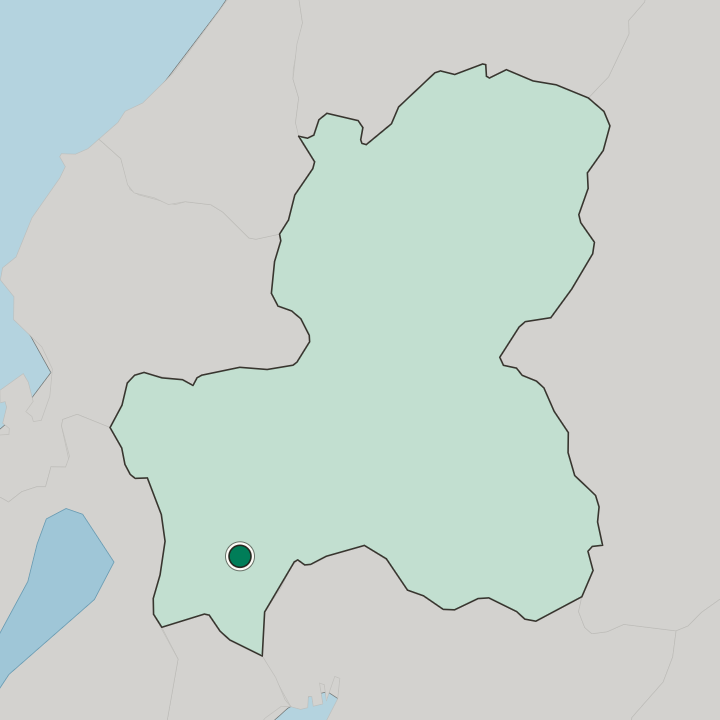
Just over 206 square kilometres of Gifu make up the municipality, and the city sits close enough to Gifu City for the two to work as one travelling unit rather than as separate destinations. Ten minutes of track divide them. Ōgaki Castle and Basho's Oku no Hosomichi Haiku Journey Museum stand in the built-up middle, so a visitor on foot can cover the essentials without leaving the flat streets. The wider municipality is another matter.
What is the climate of Ōgaki?
The Bashō Festival falls in November for a reason, at the mild end of the year when walking the city is a pleasure rather than an endurance. Ōgaki lies in the temperate belt of the northern hemisphere, which loads the heat into the middle months and keeps the cold to the turn of the year, so the shoulders of the calendar are when the castle grounds and the poet's route are best taken slowly. Indoors is the wet-day answer. The Ogaki City Moriya Tadashi Art Museum and the Ōgaki Museum of Local History are the obvious two.
How do you get to Ōgaki?
Trains from Gifu City take about ten minutes, which puts the prefectural capital close enough that many visitors reach Ōgaki without ever planning a separate journey to it. That ride does the heavy lifting. Once here, Ōgaki Castle, Basho's Oku no Hosomichi Haiku Journey Museum and the Ōgaki Museum of Local History lie near enough to each other that walking beats any other arrangement.
Save the wheels for the outskirts.
Common questions
What is the best area to stay in Ōgaki?
The Bashō quarter: starting the day at Basho's Oku no Hosomichi Haiku Journey Museum. Around Ōgaki Castle: mornings at Ōgaki Castle with Ogakishi Wajukan to follow. By the Ogaki City Moriya Tadashi Art Museum: an unhurried hour at the Ogaki City Moriya Tadashi Art Museum. Near the trains for Gifu City: nights in Ōgaki with days in Gifu City ten minutes up the line.
Good for
More cities in Gifu
Updated September 2026