Japan · Gifu
Where to Stay in Sekimachi, Gifu
Sekimachi, the Gifu city recorded as Seki, holds the Seki Sword Tradition Museum, the Knife Museum and the Gifu Seki Cutlery Hall.
Hotel links are affiliate links: booking through them may earn us a commission, at no extra cost to you. It never affects how places are ranked. How this works


Where to stay in Sekimachi
How the choice of base plays out on the ground.
The cutlery halls make the strongest case for a first night, since the Gifu Seki Cutlery Hall, the Seki Sword Tradition Museum and the Knife Museum belong to one subject and reward being seen in sequence rather than in scattered hours. Base yourself among them. A stay on that side of Sekimachi turns what could be three separate outings into a single unhurried day, and it leaves the evening free for whatever the city offers beyond steel.
Art is the second argument, and the Toko Shinoda Art Space with The Katsuji Miura Art Museum give a quite different reason to be here, one that has nothing to do with the workshops or their history. The Enkū Museum sits in its own company. Rooms near it suit a visitor who came for that collection specifically and is content to travel out to the others.
Mirokuji kanga ruins are the outlier, ground rather than a building, and anyone who wants an unhurried morning among excavated remains should weigh a bed nearer to them than to the museum quarter. Seki covers about 472 square kilometres. That figure, more than any preference for one quarter over another, is what decides how much of the city a short stay can actually take in.
Find hotels in Sekimachi
Direct booking searches for these neighbourhoods.
The cutlery halls
The working quarter of Sekimachi, where the Seki Sword Tradition Museum stands with the two cutlery collections.Find hotels in The cutlery hallsan art day pairing the Toko Shinoda Art Space with The Katsuji Miura Art MuseumBy the Toko Shinoda Art Space
The gallery side of Seki, which owes nothing to the blade trade that made the city's name.Find hotels in By the Toko Shinoda Art Spacea visit made specifically for the Enkū MuseumNear the Enkū Museum
The quiet corner of Sekimachi that keeps the Enkū collection apart from the cutlery halls. Beds are limited here, so book early.Find hotels in Near the Enkū Museumunhurried mornings at the Mirokuji kanga ruinsTowards Mirokuji
Excavated ground rather than exhibition rooms, well out from the Gifu Seki Cutlery Hall end of the city. Rooms are few around here — worth securing early.Find hotels in Towards MirokujiHotel links are affiliate links: booking through them may earn us a commission, at no extra cost to you. It never affects how places are ranked. How this works
Things to do in Sekimachi
Ranked by global recognition; descriptions from Wikidata (CC0).
Museums & Galleries
3- Seki Sword Tradition Museum
- Toko Shinoda Art Space
- Gifu Seki Cutlery Hall
Castles & Historic Sites
3- Mirokuji kanga ruins
- 弥勒寺官衙遺跡群
- 弥勒寺西遺跡
worth knowingacross 2 categories in Sekimachi
About Sekimachi
What is Sekimachi known for?
Three separate institutions here are given over to edged steel, which is unusual enough on its own to tell a visitor what the city has spent its working life on. Blades come first, then art. The Seki Sword Tradition Museum, the Knife Museum and the Gifu Seki Cutlery Hall make the first group, while the Enkū Museum and the Feather Museum answer to older and stranger subjects.
Ruins fill the last place. Mirokuji kanga ruins lie outside all of it.
What are the main landmarks in Sekimachi?
Steel takes three of the entries. Seki Sword Tradition Museum, Knife Museum and Gifu Seki Cutlery Hall each approach the same material from a different angle, and between them they account for most of what a visitor is likely to have come for. The Enkū Museum stands alone.
Feather Museum is stranger still, and the Mirokuji kanga ruins are not a building at all but the excavated footprint of one. Art holds the remaining two, Toko Shinoda Art Space and The Katsuji Miura Art Museum.
What is the history of Sekimachi?
Mirokuji carries the oldest layer on this list, since the Mirokuji kanga ruins mark an official complex that was already gone by the time the city took its modern name, leaving excavated foundations where the administration once sat. Steel came to define what followed. The Seki Sword Tradition Museum exists because swordmaking here was a tradition rather than an episode, and the Knife Museum records what that skill became once the demand for swords fell away.
Gifu Seki Cutlery Hall belongs to the same lineage, presenting the trade as a going concern rather than a memory. Sekimachi was constituted in 1889. That municipal date sits oddly late against the ruins at Mirokuji and rather early against the galleries, which arrived only when a working city could afford to collect.
The Enkū Museum honours a name, while the Toko Shinoda Art Space and The Katsuji Miura Art Museum do the same for two others, and together they mark the point at which Seki began keeping art alongside iron. Blades still name the city more firmly than any of its galleries do. Feather Museum sits outside every one of those threads.
Where is Sekimachi?
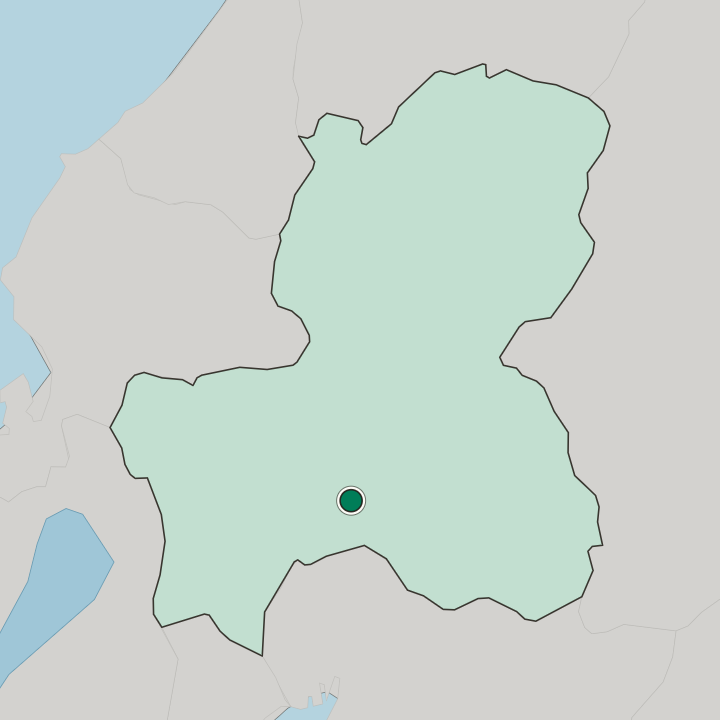
About 472 square kilometres of Gifu answer to this one city name, which is a great deal of country for a place best known through its workshops and their collections. The built part is small by comparison. Mirokuji kanga ruins lie out in that wider ground, away from the streets where the Gifu Seki Cutlery Hall and the Seki Sword Tradition Museum stand within reach of each other.
Sekimachi is compact only in its middle.
What is the climate of Sekimachi?
Weather here is an indoor-or-outdoor question rather than a seasonal one, because almost everything worth seeing in the city is roofed and the single exception is a field of excavated foundations. Mirokuji kanga ruins are that exception. Keep them for a dry morning.
The Knife Museum, the Enkū Museum and the Toko Shinoda Art Space will take a wet afternoon without any of it being wasted, which makes rain a matter of reordering the day rather than losing it.
How do you get to Sekimachi?
Arrivals come overland from elsewhere in Gifu, and a visitor without a vehicle should expect the museum cluster to supply the day while the outlying ground stays out of reach. Plan around one cluster. The Gifu Seki Cutlery Hall, the Seki Sword Tradition Museum and the Knife Museum are the walkable core of Sekimachi, whereas Mirokuji kanga ruins ask for wheels and a clear half-day.
Distances do the deciding.
Common questions
What is the best area to stay in Sekimachi?
The cutlery halls: seeing the Gifu Seki Cutlery Hall and the Knife Museum in one sequence. By the Toko Shinoda Art Space: an art day pairing the Toko Shinoda Art Space with The Katsuji Miura Art Museum. Near the Enkū Museum: a visit made specifically for the Enkū Museum. Towards Mirokuji: unhurried mornings at the Mirokuji kanga ruins.
Good for
More cities in Gifu
Updated October 2026