Japan · Gifu
Where to Stay in Nakatsugawa, Gifu
Nakatsugawa is a city in Gifu that holds the post town of Magome, the site of Naegi Castle and a scattering of small art museums.
Hotel links are affiliate links: booking through them may earn us a commission, at no extra cost to you. It never affects how places are ranked. How this works


Where to stay in Nakatsugawa
Where visitors usually base themselves, and why.
Distance is the deciding factor. Nakatsugawa covers about 676 square kilometres, which is a great deal of ground for one city name to hold, and a bed chosen without reference to that spread can leave a visitor driving past the very thing they came for. Magome argues for itself first.
Rooms in the post town suit anyone whose plan is to walk it early, before the day-trippers arrive, and they put the rest of the municipality at arm's length in exchange. The Naegi side is the historical alternative, with the Naegi Tōyama Historical Museum below the castle site and enough of a story attached to fill an afternoon that begins with the climb to Naegi Castle. Tsukechi is the third register.
Two collections sit there, the Kumagai Morikazu Tsukechi Museum of Art and the Kumagai Kaya Tsukechi Gallery, and a stay in that valley makes a painting day out of what would otherwise be a long detour. Central beds suit families better. The Shimizuya Museum, the Higashiyama Kaii Art Museum of Lithograph and the Nakatsugawa Children's Museum of Science are the stops you can reach without committing the whole day to a single direction, which is the argument for staying near them rather than out at the edges.
Find hotels in Nakatsugawa
Direct booking searches for these neighbourhoods.
Magome
The old post-town street, kept as a destination of its own inside Nakatsugawa. Rooms are few around here — worth securing early.Find hotels in Magomethe climb to Naegi Castle with the Naegi Tōyama Historical Museum after itNaegi
The castle end of Nakatsugawa, where the Naegi Tōyama Historical Museum explains what stood on the rock above. Beds are limited here, so book early.Find hotels in Naegia painting day at the Kumagai Morikazu Tsukechi Museum of ArtTsukechi
The Tsukechi valley, holding both the Kumagai Kaya Tsukechi Gallery and the Kumagai Morikazu collection. Beds are limited here, so book early.Find hotels in Tsukechifamilies splitting a day between the Nakatsugawa Children's Museum of Science and the lithograph collectionAround the Shimizuya Museum
The middle of Nakatsugawa, within reach of the Shimizuya Museum and the Higashiyama Kaii Art Museum of Lithograph.Find hotels in Around the Shimizuya MuseumHotel links are affiliate links: booking through them may earn us a commission, at no extra cost to you. It never affects how places are ranked. How this works
About Nakatsugawa
What is Nakatsugawa known for?
Magome carries the name most visitors arrive with, a post town lying inside the wider municipality and treated as a destination in its own right. Naegi Castle answers it. The Naegi Tōyama Historical Museum keeps the record of that castle, while the Shimizuya Museum and the Nakatsugawa Children's Museum of Science hold ground of a different sort.
Art fills the remainder. Tsukechi alone accounts for the Kumagai Morikazu Tsukechi Museum of Art and the Kumagai Kaya Tsukechi Gallery.
What are the main landmarks in Nakatsugawa?
Naegi Castle stands above the rest. Its story is told below at the Naegi Tōyama Historical Museum, which handles the family record as well as the fortification, and the two are best taken together rather than separately. Magome needs no museum.
Art accounts for most of what remains, from the Kumagai Morikazu Tsukechi Museum of Art and the Kumagai Kaya Tsukechi Gallery out at Tsukechi to the Higashiyama Kaii Art Museum of Lithograph. The Shimizuya Museum and the Nakatsugawa Children's Museum of Science round off the list.
What is the history of Nakatsugawa?
Travellers made the earliest reputation. Magome worked as a post town, a place where people on a long road stopped for the night, and that function shaped a street whose form has outlasted the traffic that justified it. Naegi Castle held the other kind of authority.
Its walls governed a district rather than a road, and the Naegi Tōyama Historical Museum now carries both the castle's record and the family name attached to it, which is why the two are read as one story. Smaller communities kept their own identities through all of this, and Tsukechi is the clearest case, a valley that has since given its name to two art collections rather than to a battle or a highway. Painting arrived late.
The Kumagai Morikazu Tsukechi Museum of Art, the Kumagai Kaya Tsukechi Gallery and the Higashiyama Kaii Art Museum of Lithograph all honour artists, and they belong to a period when a rural municipality could build its public life around collections instead of castles. Nakatsugawa became a city in 1951. The Shimizuya Museum and the Nakatsugawa Children's Museum of Science belong to that later civic chapter, when the separate valleys of about 676 square kilometres had been gathered under one name.
Where is Nakatsugawa?
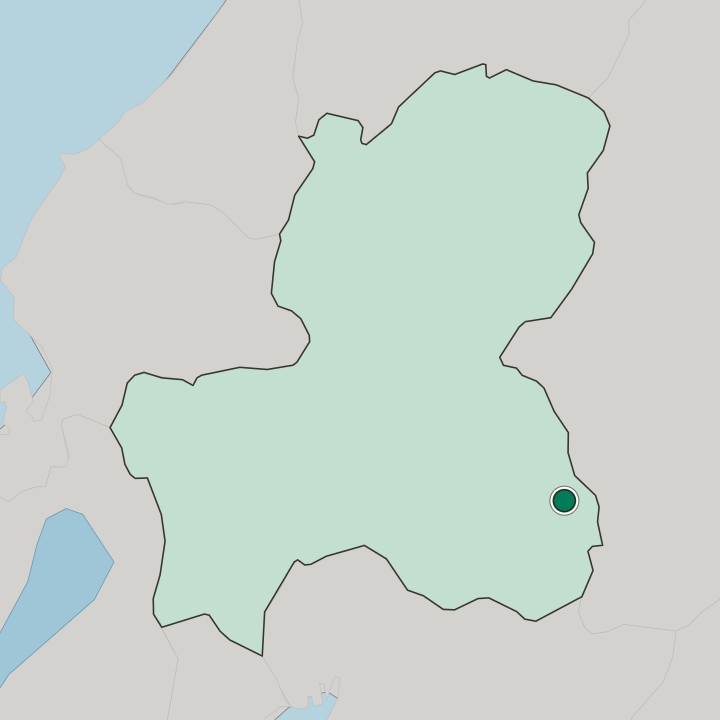
Nakatsugawa is large for its name, about 676 square kilometres of Gifu gathered under a single administration, and the practical consequence is that its parts feel like separate places rather than districts of one town. Tsukechi is a valley apart. Magome sits at another remove again, and Naegi Castle occupies high ground that made sense to defend, so the city's three best-known points look out on quite different country.
Travel between them takes real time.
What is the climate of Nakatsugawa?
Four seasons work this ground. Nakatsugawa falls in the temperate belt of the northern hemisphere, so its warmth arrives mid-year and its cold at the turn of it, and high ground such as the approach to Naegi Castle feels the cold end before the valley floors do. Walking weather matters most at Magome.
The Higashiyama Kaii Art Museum of Lithograph and the Nakatsugawa Children's Museum of Science are the obvious answer to a wet morning.
How do you get to Nakatsugawa?
Magome was built for arrivals on foot, which tells you most of what you need to know about how travel here used to work and why the post town still reads as a staging point rather than a suburb. Overland approaches remain the rule. Getting between the parts is the real problem, since Tsukechi, Naegi and the museums near the middle of Nakatsugawa are separated by valley roads rather than by streets.
A car pays for itself.
Common questions
What is the best area to stay in Nakatsugawa?
Magome: walking the Magome post town before the day-trippers reach it. Naegi: the climb to Naegi Castle with the Naegi Tōyama Historical Museum after it. Tsukechi: a painting day at the Kumagai Morikazu Tsukechi Museum of Art. Around the Shimizuya Museum: families splitting a day between the Nakatsugawa Children's Museum of Science and the lithograph collection.
Good for
More cities in Gifu
Updated September 2026