Japan
Gifu, Japan — Towns & Travel Guide
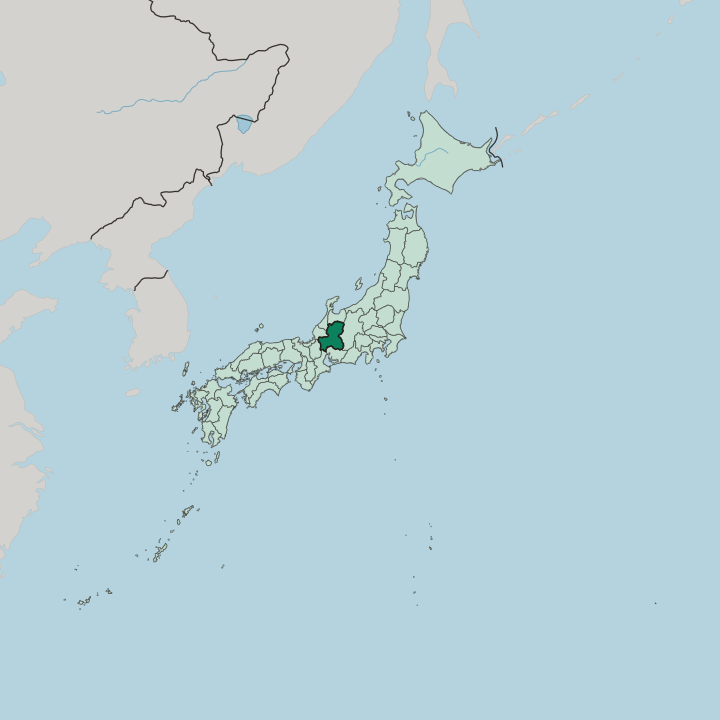
Gifu is a landlocked prefecture in the heart of Japan, split between the lowland Nōbi Plain and the high Hida mountains of the Japanese Alps.
Hotel links are affiliate links: booking through them may earn us a commission, at no extra cost to you. It never affects how places are ranked. How this works


Towns & cities in Gifu
Pick a town or city — each links to where to stay.

 Japan
Japan
Gifu
Gifu is a city of central Japan on the Nagara River, famous for cormorant fishing by torchlight below a castle on a wooded peak.Where to stay → Japan
Japan
Ōgaki
Ōgaki is the Gifu city where Matsuo Bashō closed the journey of Oku no Hosomichi, and where Ōgaki Castle still heads the landmark list.Where to stay →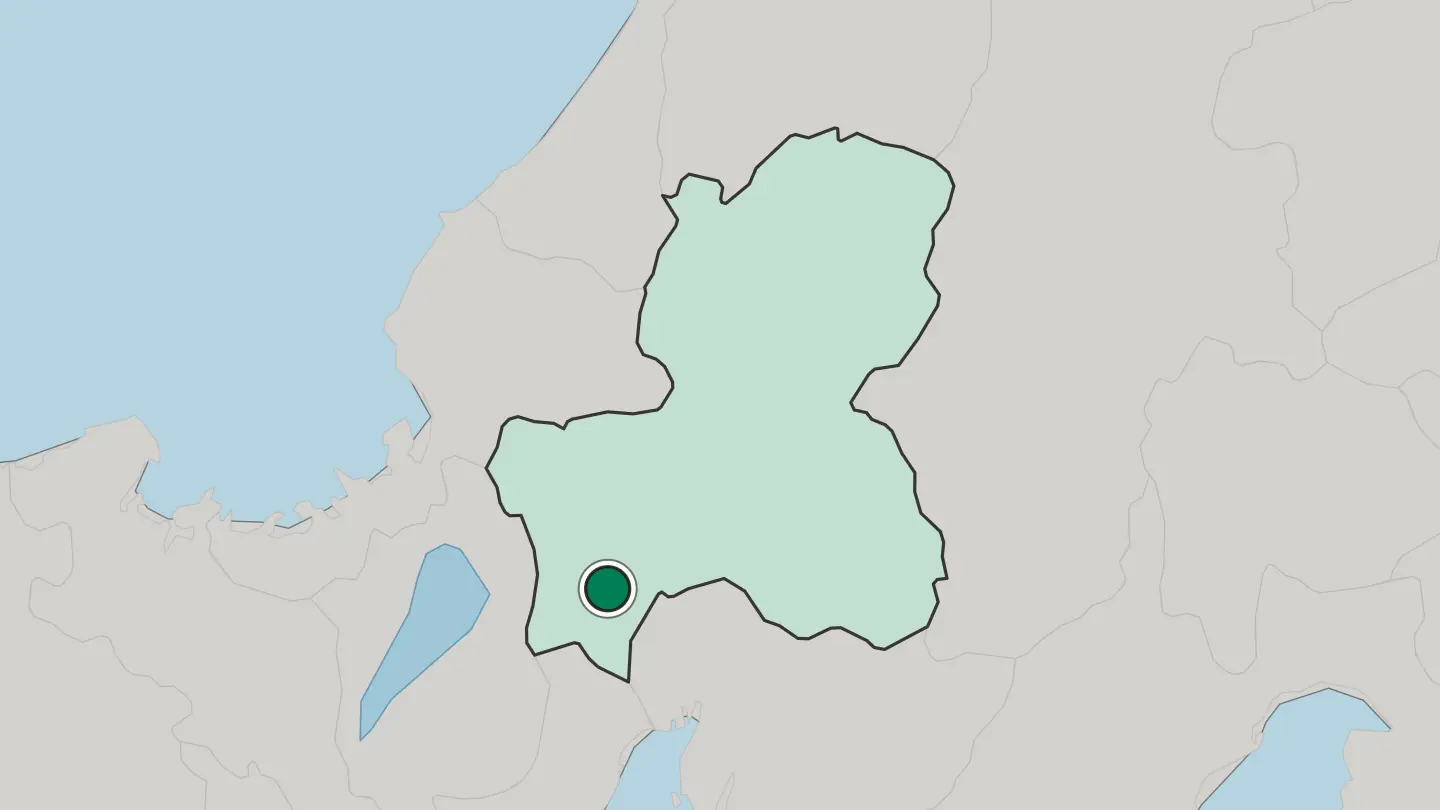
 Japan
Japan
Kakamigahara
Kakamigahara is a city of Gifu Prefecture holding the Gifu-Kakamigahara Air and Space Museum and the old Nakasendō post town of Unuma-juku.Where to stay →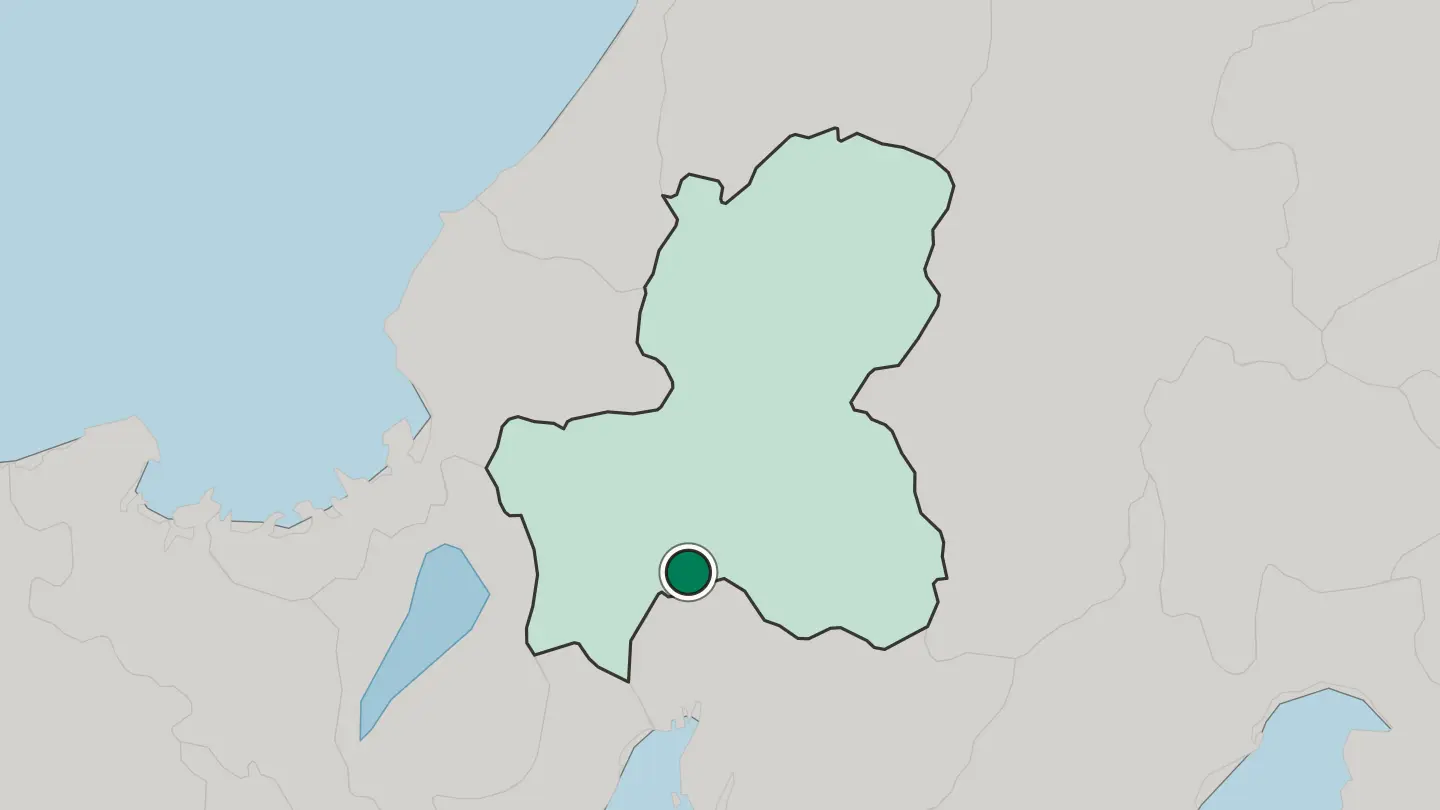
 Japan
Japan
Takayama
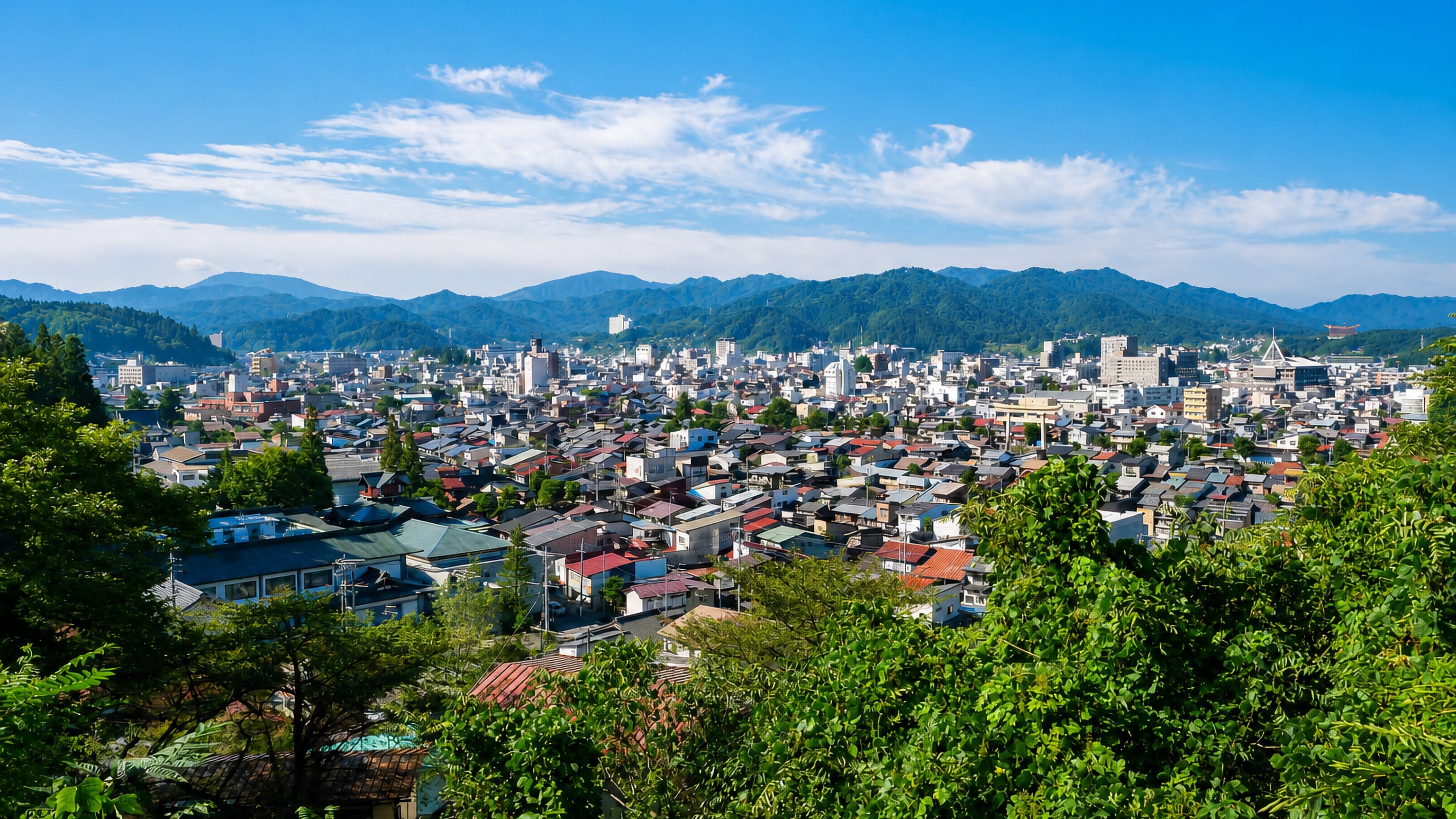
Takayama is a mountain town in the Hida region of Gifu, central Japan, famous for its beautifully preserved old streets.Where to stay →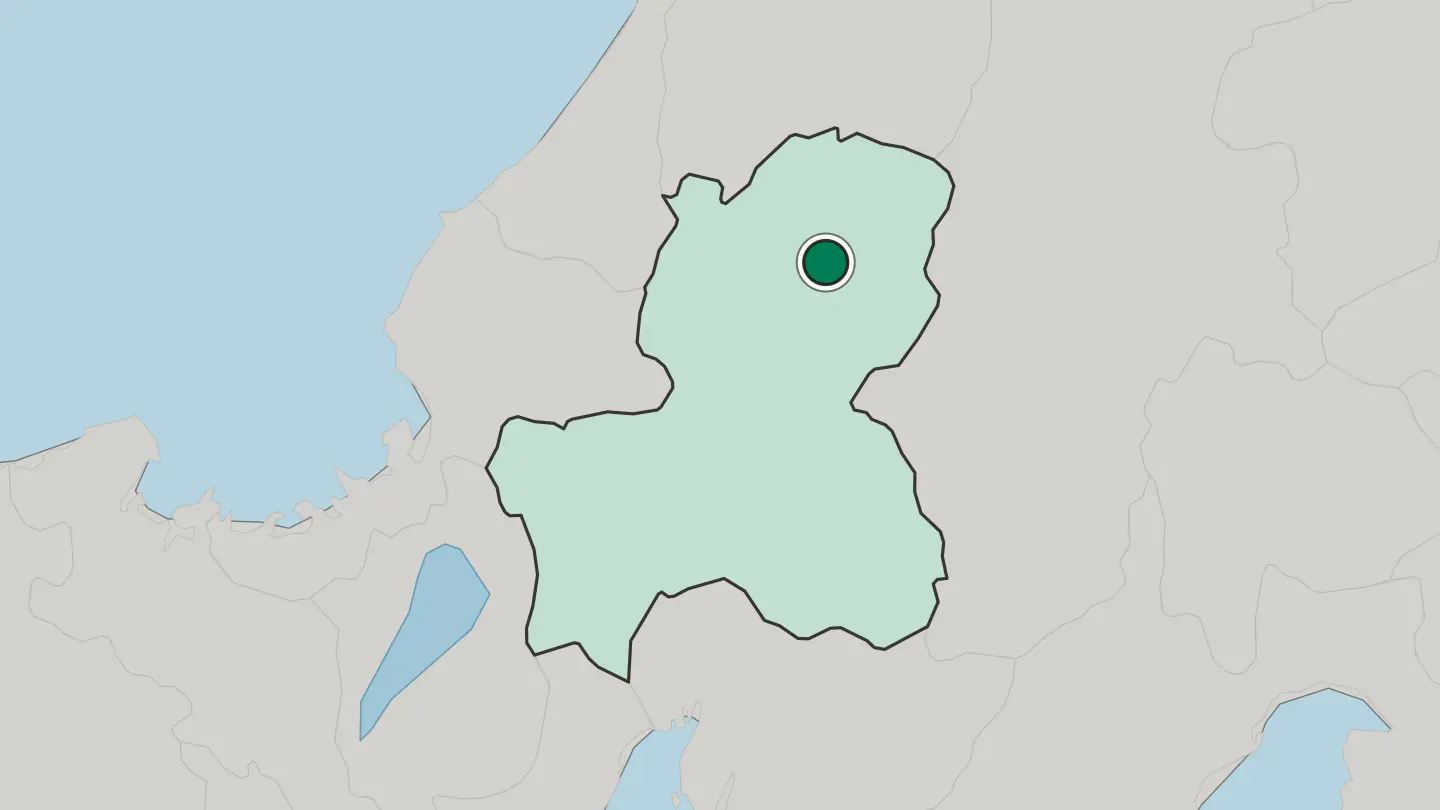 Japan
Japan
Sekimachi
Sekimachi, the Gifu city recorded as Seki, holds the Seki Sword Tradition Museum, the Knife Museum and the Gifu Seki Cutlery Hall.Where to stay →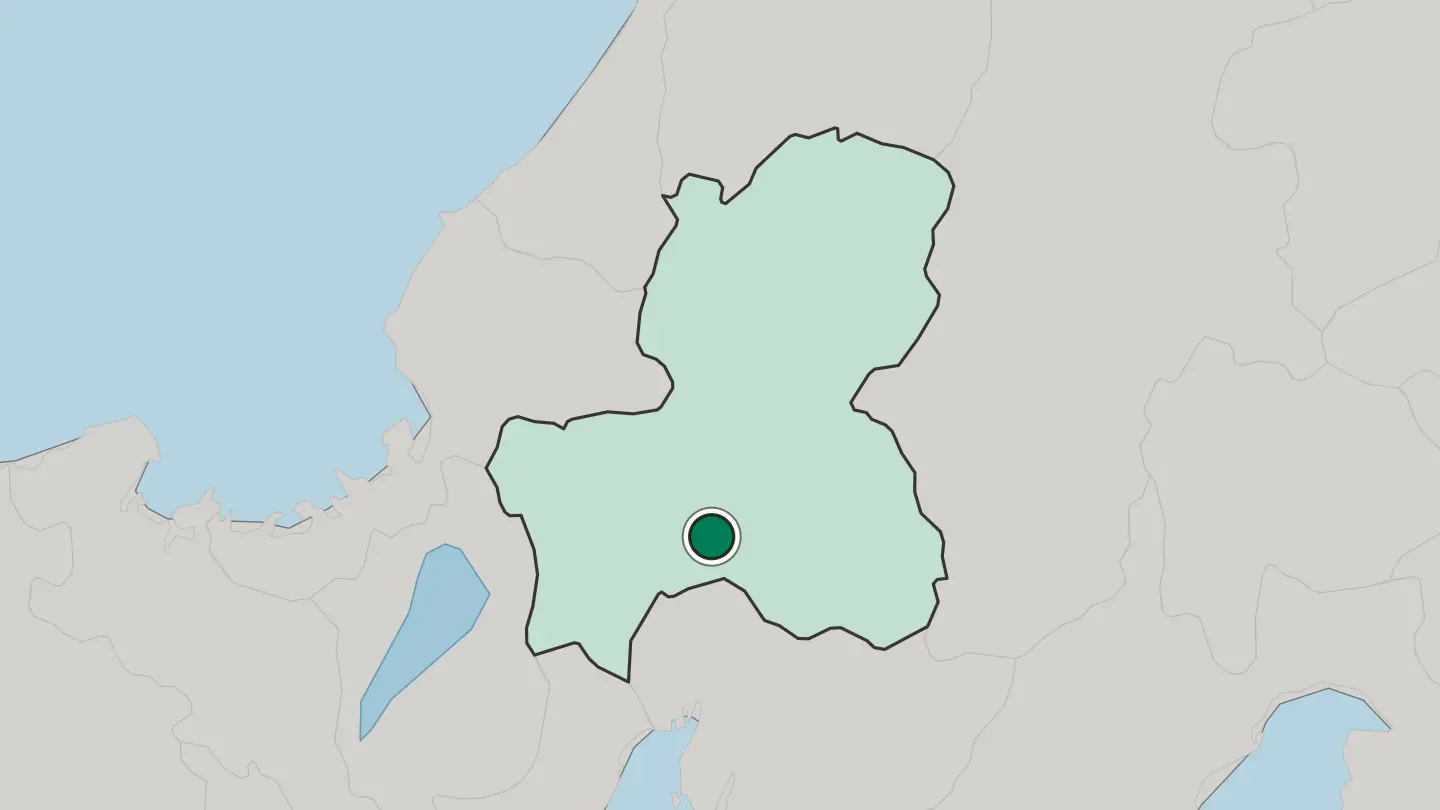 Japan
Japan
Nakatsugawa
Nakatsugawa is a city in Gifu that holds the post town of Magome, the site of Naegi Castle and a scattering of small art museums.Where to stay →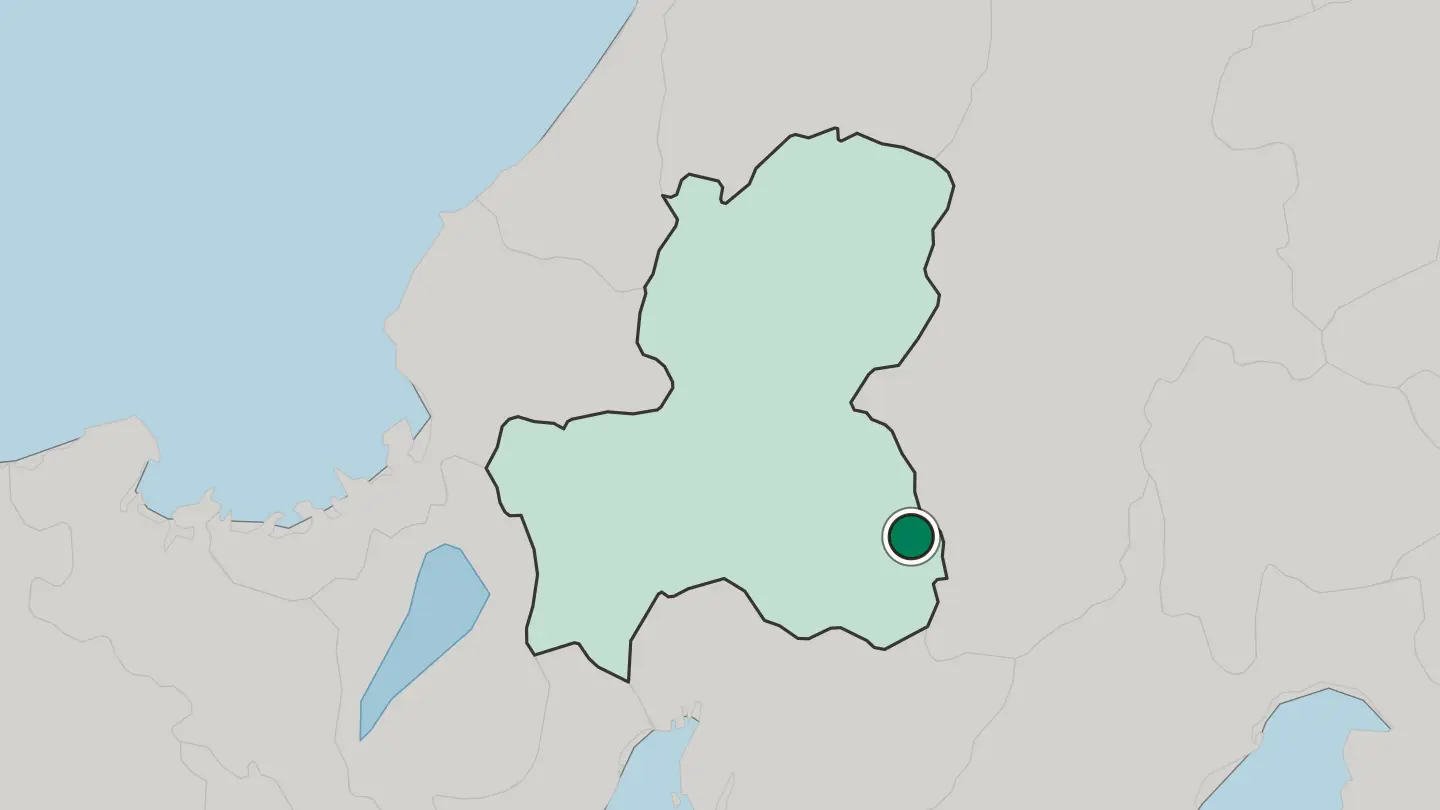
Hotel links are affiliate links: booking through them may earn us a commission, at no extra cost to you. It never affects how places are ranked. How this works
About Gifu
Two names carry the prefecture: Hida and Mino.
What is Gifu known for?
In the northern mountains, the old merchant town of Takayama keeps its Edo-era streets of dark timber, and the thatched gasshō-zukuri farmhouses of Shirakawa-gō sit through heavy winter snow as a World Heritage village. Gero draws bathers to its hot springs all year. Down on the plain, Gifu city climbs to Gifu Castle on Mount Kinka, where Oda Nobunaga once ruled, and cormorant fishermen still work the Nagara River by torchlight each summer.
The mountains hold the crowds.
Where is Gifu?
Gifu sits in the middle of Honshu, one of only eight Japanese prefectures with no coastline at all. It falls squarely in the Chūbu region, at the historic crossroads between the eastern and western halves of the country, which is why warlords fought so hard to hold it. Seven prefectures ring it. Aichi and Mie lie to the south, Shiga and Fukui to the west, Ishikawa and Toyama to the north, and Nagano to the east.
The land splits in two. The southern half, old Mino, spreads across the flat Nōbi Plain, drained by the three braided rivers known together as the Kiso Three Rivers: the Kiso, the Nagara and the Ibi. This is the prefecture's farmland and its cities.
Castle towns and highway posts grew up along these waters. The northern half, old Hida, rises sharply into the Hida Mountains, the range the Japanese call the Northern Alps, where several summits top three thousand metres. Snow buries the valleys for months.
Just beyond the southern border, across the plain in neighbouring Aichi, the city of Nagoya anchors the wider Chūkyō metropolitan area that pulls Gifu into its orbit.
What is Gifu like?
Culture here follows the rivers and the mountains. On summer nights along the Nagara River, fishermen in reed skirts guide trained cormorants to catch sweetfish under blazing baskets of fire, a practice held under imperial protection for well over a thousand years. It is theatre as much as fishing.
Takayama answers with its two festivals, spring and autumn, when tall wheeled floats hung with carvings and marionettes are hauled through the old streets. The old craft towns still work. Mino has made paper by hand for centuries, its thin, strong washi prized for lanterns and screens, while Seki forged blades for the samurai and still turns out cutlery.
In the Hida valleys, carpenters built a reputation that carried their joinery as far as the old capital. The table matches the workshop. Hida beef, grilled river ayu, miso seared on a magnolia leaf and sake brewed through the cold Hida winters fill the local menus.
Japanese is the everyday language across the prefecture, softened in the northern Hida valleys by an older mountain dialect.
What is the history of Gifu?
The prefecture takes its name from a warlord's ambition. In 1567, Oda Nobunaga seized Inabayama Castle above the plain, renamed it Gifu, and made it the base for his campaign to unite Japan. The country's middle made this a battleground.
In 1600, on the western edge of the prefecture, the Battle of Sekigahara settled who would rule Japan and cleared the way for two and a half centuries of Tokugawa peace. The modern prefecture came later. Mino became Gifu Prefecture in 1871, while mountainous Hida stayed apart as Chikuma Prefecture until the two were joined under the Gifu name in 1876.
What is the climate of Gifu?
Gifu keeps two climates, one for each half. The Nōbi Plain in the south is humid and subtropical, and Gifu city swelters through the sticky summer months. Winters there stay mild.
Climb north into the Hida mountains and the pattern flips: cold, continental air and snow that piles metres deep over Takayama and Shirakawa-gō, burying the farmhouse roofs. Autumn brings the maples before the first snows close in.
How do you get to Gifu?
Gifu has no airport of its own, so most travellers arrive through Nagoya just to the south. From there local trains reach Gifu city in about twenty minutes, and the Limited Express Hida climbs the Takayama Main Line up the valley through Gero to Takayama and on toward Toyama. The Tōkaidō Shinkansen skirts the southern plain, stopping at Gifu-Hashima.
Buses cover the last miles to Shirakawa-gō. It is the middle of the country, and easy to reach from either side.
Common questions
What is the best area to stay in Gifu?
Takayama: old-town nights below the Northern Alps. Gero: onsen ryokan on the Hida River. Shirakawa-gō: a night in a thatched farmhouse. Gifu city: the plain and the cormorant boats.
Good for
More regions in Japan
Updated October 2026