Japan · Gifu
Where to Stay in Takayama, Gifu
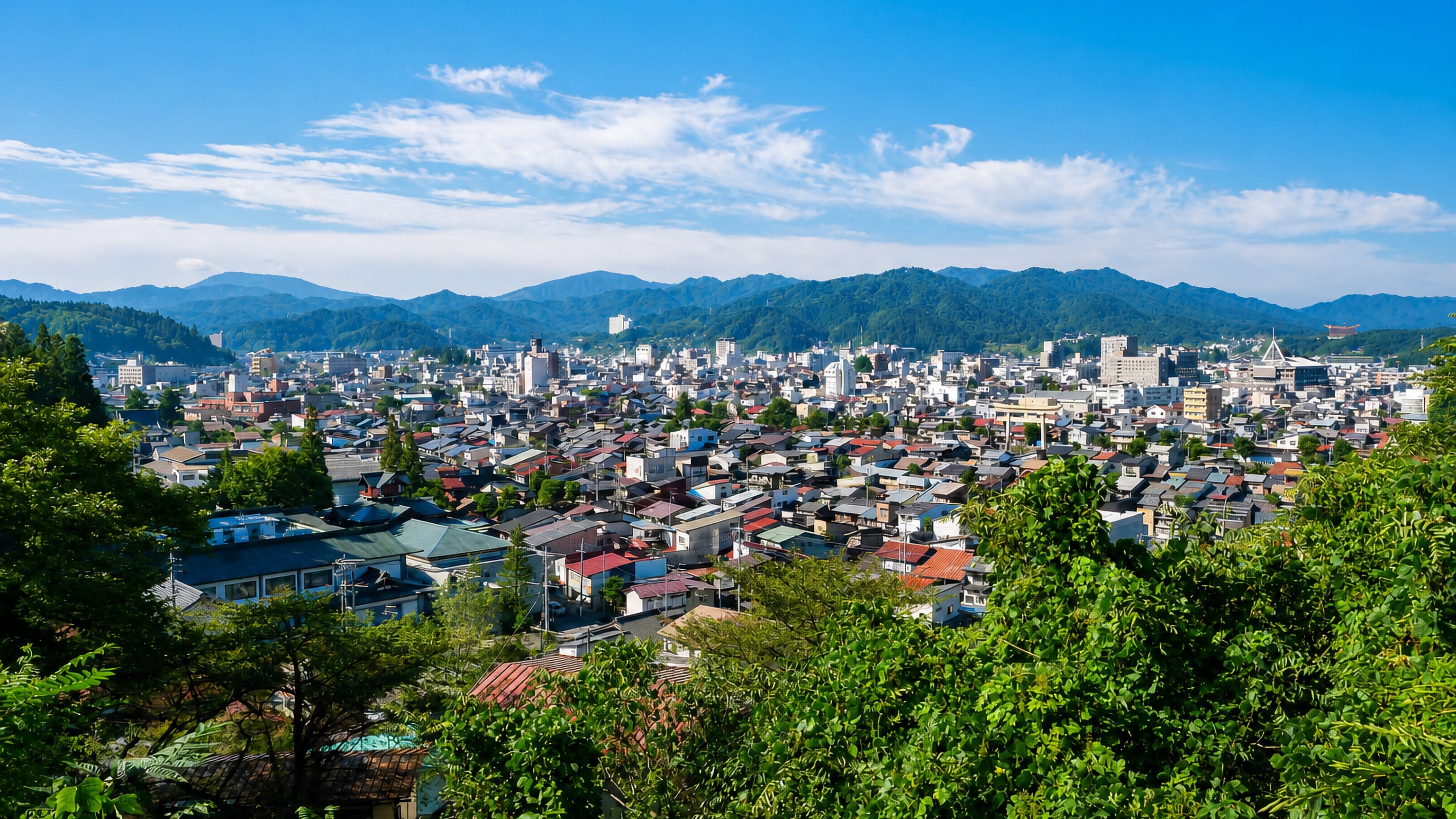
Takayama is a mountain town in the Hida region of Gifu, central Japan, famous for its beautifully preserved old streets.
Hotel links are affiliate links: booking through them may earn us a commission, at no extra cost to you. It never affects how places are ranked. How this works


Where to stay in Takayama
How the choice of base plays out on the ground.
Choosing a base in Takayama comes down to the old town. The wooden streets east of the river keep the sake breweries, the markets, and the merchant houses within a walk, and staying in the old quarter suits anyone here for the historic town. The lanes hush after the shops close.
Rooms fill the old inns and machiya houses. Out toward the station and the newer town, the streets run wider and plainer. A room near the station trades the old lanes for parking, hot springs, and an easy start into the mountains.
The peaks rise white past the town. If you want the old streets and the markets, stay in the old quarter; if you want the station and the springs, take a room nearby. Both choices leave the merchant lanes within easy reach.
Find hotels in Takayama
Direct booking searches for these neighbourhoods.
The old town
In the wooden Edo streets east of the river, within a walk of the merchant housesFind hotels in The old townStays wanting hot springs and a start into the mountainsNear the station
Toward the station and the newer town, near the road into the Japanese AlpsFind hotels in Near the stationHotel links are affiliate links: booking through them may earn us a commission, at no extra cost to you. It never affects how places are ranked. How this works
Things to do in Takayama
Ranked by global recognition; descriptions from Wikidata (CC0).
Museums & Galleries
3- Hikaru Museum
- Hida Takayama Museum of Art
- Takayama Museum of History and Art
Churches & Religious Sites
1- 高山祝福教会
Castles & Historic Sites
1- Akahogi Tile Kiln Site Heritage
worth knowingacross 3 categories in Takayama
About Takayama
Takayama is known for its old town.
What is Takayama known for?
Rows of dark wooden merchant houses and sake breweries line the Edo-era streets in the heart of the Japanese Alps, kept almost unchanged for centuries, and each spring and autumn the great Takayama Festival rolls its ornate floats through the town. Morning markets fill the riverside. Old Japan lives on in these streets.
What are the main landmarks in Takayama?
The old town is Takayama's treasure. Rows of dark wooden houses, sake breweries, and lattice shopfronts line the Edo-era streets, the great draw of the city, above the clear river. Floats and farmhouses fill the museums.
The Takayama Festival Float Exhibition Hall shows the ornate floats, while the Hida Folk Village gathers old thatched farmhouses and the Kusakabe Folk Museum keeps a fine merchant home.
What is the history of Takayama?
Takayama grew rich on timber and skill. Hidden deep in the mountains, the Hida country was too rugged for rice, but its forests gave fine wood, and its carpenters were so skilled that the emperors called them to build the temples of the old capitals. Fine craft built the town.
Wealthy merchants raised the dark wooden houses and sake breweries that still line the streets, and the town's carpenters carved the ornate floats of the Takayama Festival. The mountains kept the old town whole. Cut off by the peaks and spared the wars and fires that swept the lowlands, Takayama kept its Edo streets almost unchanged into the modern age.
Travellers came for the past. The preserved old town, the twice-yearly festival, and the thatched farmhouses gathered at the Hida Folk Village drew visitors from across Japan and the world. Museums fill the old merchant halls now.
Takayama guards its wooden streets beneath the snowy Alps.
Where is Takayama?
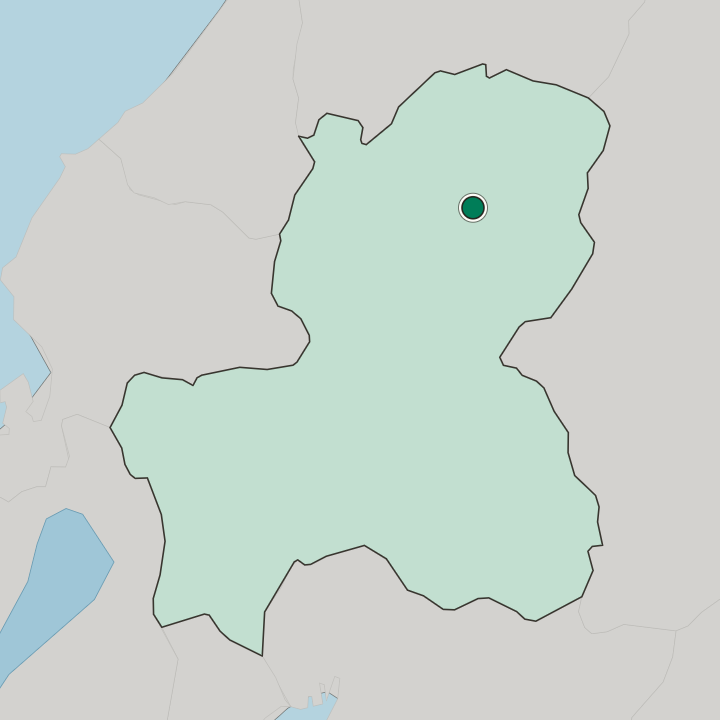
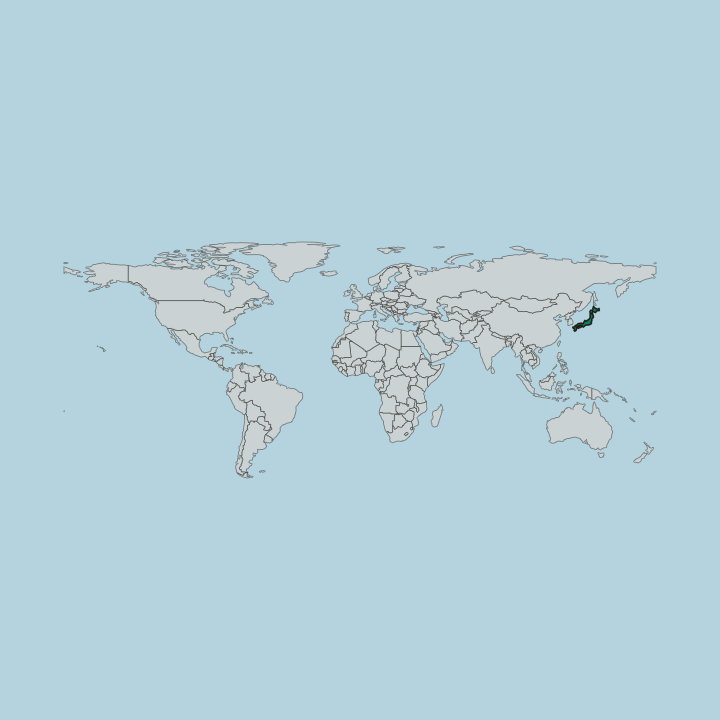
Takayama lies deep in the Hida mountains. The town sits in a high valley of Gifu, ringed by the forested peaks of the Japanese Alps that long cut it off from the rest of the country. Fast rivers run down through the streets.
Snowy mountains ring the valley on every side.
What is the climate of Takayama?
Takayama has a cold mountain climate. Deep snow buries the valley through long winters, and the summers stay cool and green in the high air, with the peaks holding snow late into the year. Mist fills the valley on autumn mornings.
The mountains keep the town cold and clear.
How do you get to Takayama?
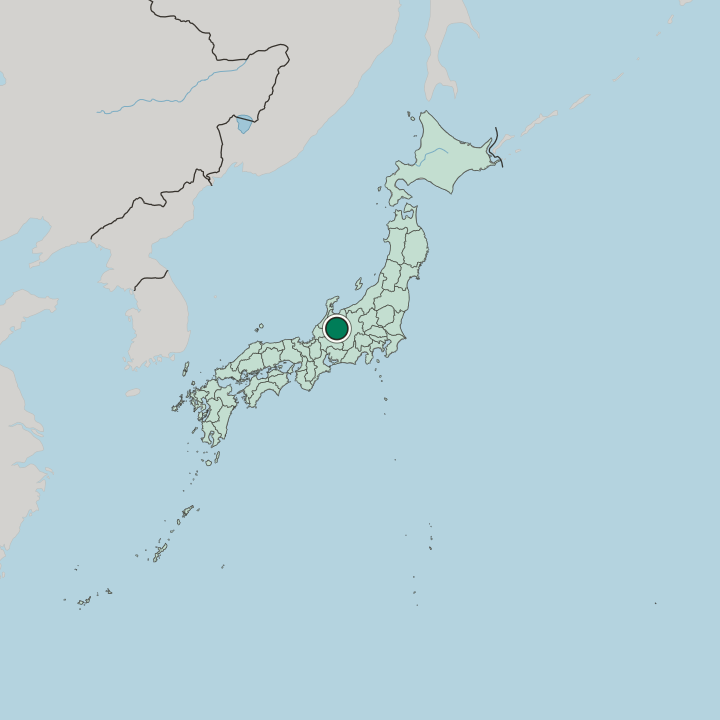
Takayama lies deep in the mountains of central Japan. Trains and buses wind to the town from Nagoya and Toyama through the ranges, and roads climb over the high passes to the valleys around. The old streets sit east of the station.
Most arrive by rail into the mountain town.
Common questions
What is the best area to stay in Takayama?
The old town: Visitors here for the old streets, breweries, and markets. Near the station: Stays wanting hot springs and a start into the mountains.
Good for
More cities in Gifu
Updated September 2026