Japan · Kanagawa
Where to Stay in Ayase, Kanagawa
Ayase is a city of Kanagawa in Japan, grown out of Ayase Village, with the Kanzaki Site and the Mekujiri river sundial on its ground.
Hotel links are affiliate links: booking through them may earn us a commission, at no extra cost to you. It never affects how places are ranked. How this works


Where to stay in Ayase
Where visitors usually base themselves, and why.
Ayase is not a base. Rooms are scarce for a city of this size, and a traveller who sleeps here is usually here for work, for family, or for a stop on the way through Kanagawa rather than for Ayase itself. Expectations should be modest.
Anyone choosing a bed here should expect a residential street rather than a hotel district, and should plan the day around what stands outside the city limits. Ebina answers most of that. The Romancecar Museum and Ebina City Onkokan give the neighbouring city a reason to be visited, and a room taken there puts both within an easy walk of one another. The Kanzaki Site pulls the other way.
Excavated ground on the Ayase side, read through the display hall at Kanzaki Site Museum, rewards a stay that starts early and works outward along the Mekujiri river toward the sundial set beside it. Arima Japanese Elm is the quiet stop. The tree stands apart from the museums, and a traveller who wants Ayase rather than its neighbours will find it a better use of an hour than anything indoors.
Find hotels in Ayase
Direct booking searches for these neighbourhoods.
Ayase
Residential streets on the Ayase side of the Mekujiri river, the nearest beds to Kanzaki Site Museum. Few places to stay nearby — book ahead.Find hotels in Ayasevisits built around the Romancecar MuseumEbina
The neighbouring city where the Romancecar Museum and Ebina City Onkokan sit close enough to pair in one afternoon.Find hotels in Ebinaslow mornings between Arima Japanese Elm and the Mekujiri river sundialAlong the Mekujiri river
The water that runs through Ayase, marked by the Mekujiri river sundial and the old tree at Arima Japanese Elm. Lodging is scarce in this area; reserve in advance.Find hotels in Along the Mekujiri riverHotel links are affiliate links: booking through them may earn us a commission, at no extra cost to you. It never affects how places are ranked. How this works
About Ayase
Ayase keeps a low profile.
What is Ayase known for?
The city has no headline monument, and what carries its name outside Kanagawa is a short list: the Kanzaki Site, the materials hall at Kanzaki Site Museum that explains it, and the Mekujiri river sundial set beside the water. Trains supply the rest. The Romancecar Museum and Ebina City Onkokan stand among the nearby names in Kanagawa, and both turn up on the same day out from Ayase.
What are the main landmarks in Ayase?
Ayase's landmark roll is brief and particular. The Kanzaki Site is the substantial entry, with Kanzaki Site Museum built to hold and explain what came out of the ground there, and the Mekujiri river sundial adds an unusually small monument beside the water. Ebina carries two more.
The Romancecar Museum and Ebina City Onkokan sit in the neighbouring city, while Arima Japanese Elm, a named tree, completes what Kanagawa records around Ayase.
What is the history of Ayase?
Ayase Village was set up in 1889. The village kept that standing for decades before the name passed to a city, and Ayase encloses much the same ground that the village register once described. Older ground lies beneath the paperwork.
The Kanzaki Site records settlement long predating any village register, and Kanzaki Site Museum was built beside it to hold and interpret what came out of the excavation trenches. Excavation carries the early record here, not chronicle. The railway rewrote the district.
The Romancecar Museum in neighbouring Ebina preserves rolling stock, and it is the largest of the institutions that Kanagawa records anywhere near Ayase, which says something about the scale of the rest. Ebina City Onkokan keeps the older thread. Its collections cover the settled history of the surrounding area, the part of the story that predates any timetable and any museum built to celebrate one.
Two smaller markers survive outdoors. Arima Japanese Elm still stands as a named tree, and the Mekujiri river sundial marks time by the sun beside the water, the two of them the oldest kind of monument a small city can keep. Neither needs a roof.
Where is Ayase?
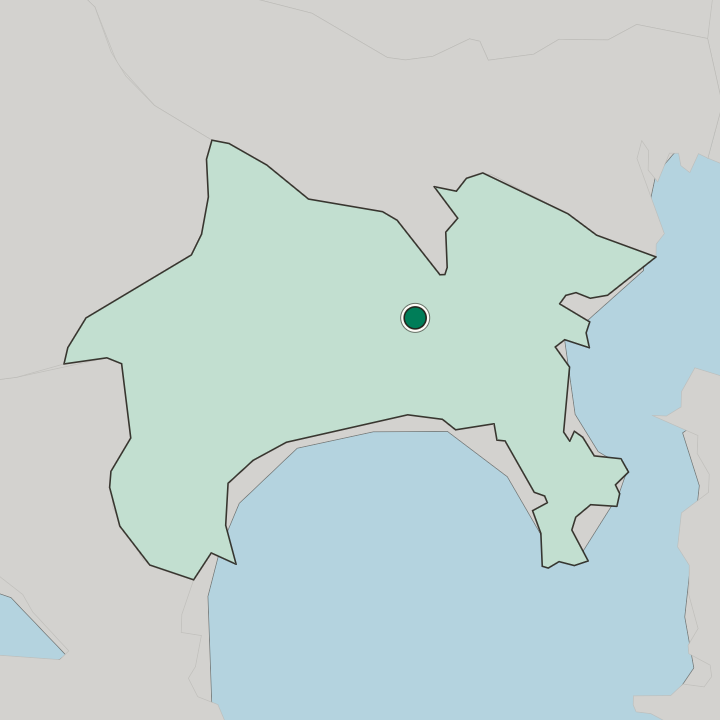
The Mekujiri river runs through it. Ayase covers a moderate stretch of Kanagawa, more ground than its low profile suggests, and the river gives the city the one continuous natural line on its map. Ebina lies alongside.
The Kanzaki Site, Arima Japanese Elm and the Mekujiri river sundial are spread across the municipality rather than gathered at a centre, which is why the city reads as a set of places rather than one.
What is the climate of Ayase?
Ayase sits in the temperate band of Kanagawa, which means four distinct seasons, summers that turn humid before they turn hot, and winters that stay cold without ever becoming severe. Expect damp stretches in any season. Wet spells suit the display rooms at Kanzaki Site Museum and the Romancecar Museum better than they suit the Kanzaki Site, which is open ground.
Arima Japanese Elm changes with the year.
How do you get to Ayase?
Ebina is the practical door. Ayase is rarely the name on the ticket, so arrivals tend to be made through the neighbouring city and finished by road, which is also how most people reach the Romancecar Museum on the same trip. From there it is all road.
Once inside the city limits, the Kanzaki Site, Kanzaki Site Museum and the Mekujiri river sundial are all short hops apart rather than a route in their own right.
Common questions
What is the best area to stay in Ayase?
Ayase: work trips and nights closest to the Kanzaki Site. Ebina: visits built around the Romancecar Museum. Along the Mekujiri river: slow mornings between Arima Japanese Elm and the Mekujiri river sundial.
Good for
More cities in Kanagawa
Updated September 2026