Japan · Kanagawa
Where to Stay in Miura, Kanagawa
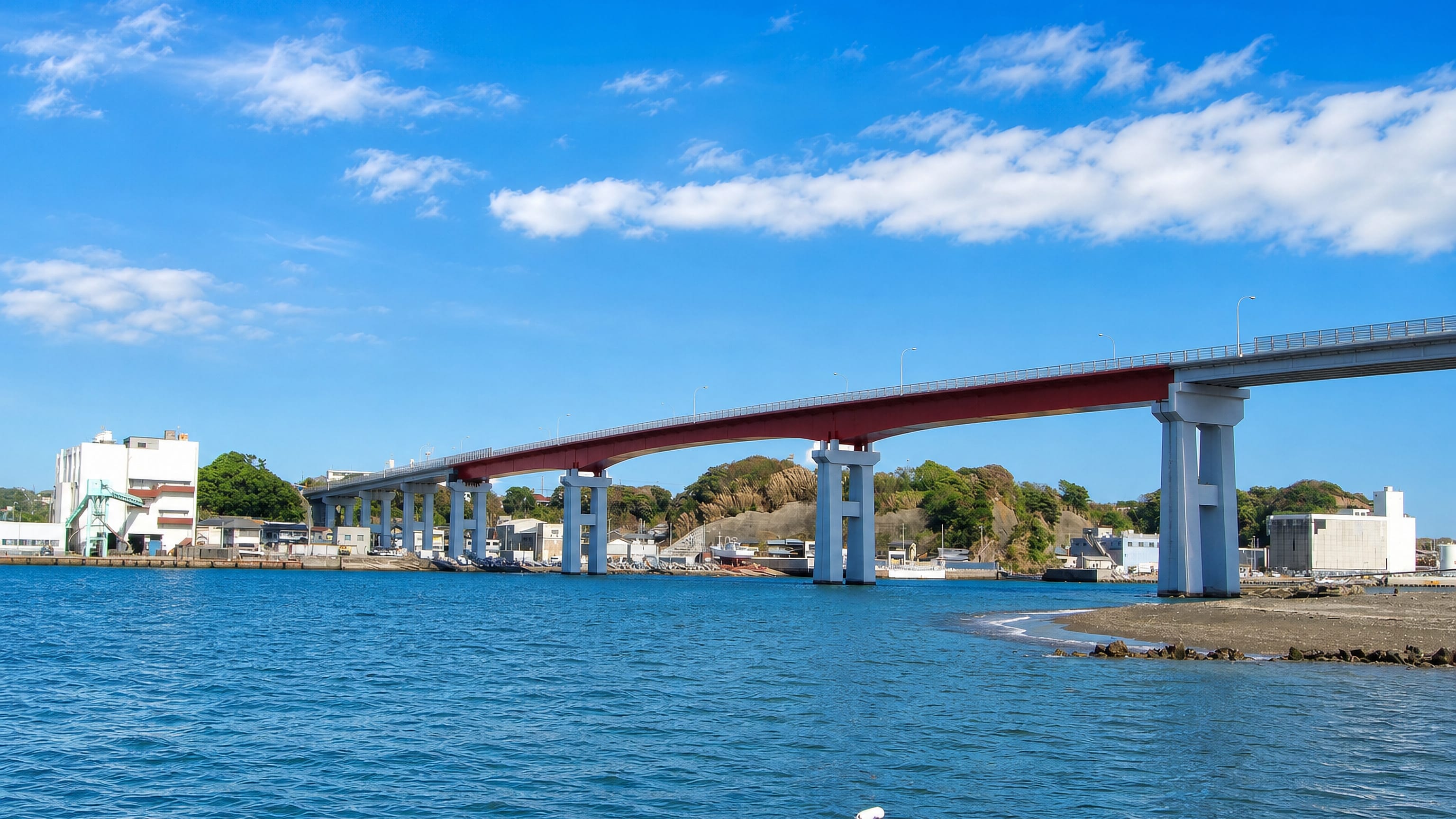
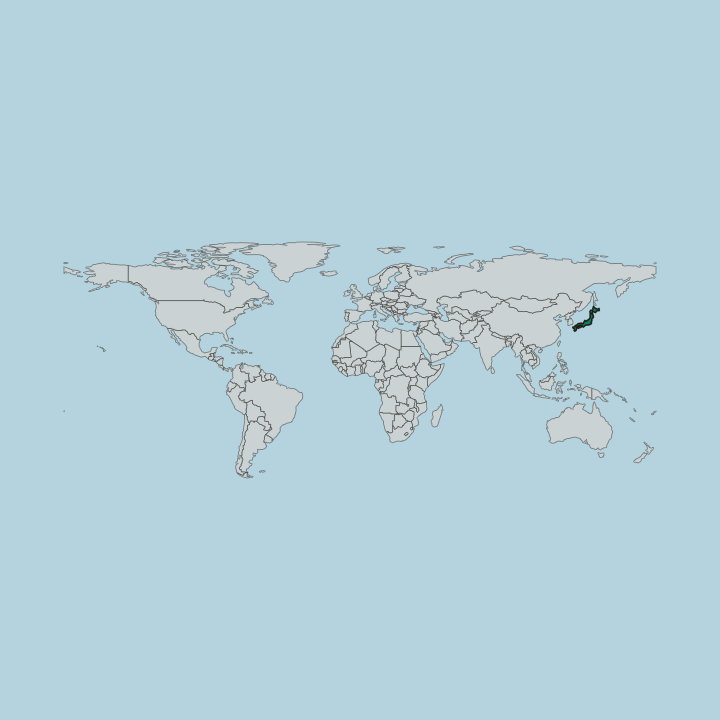
Miura is a city of Kanagawa in Japan on the southernmost part of the Miura Peninsula, known for the tuna landed at its port, Misaki.
Hotel links are affiliate links: booking through them may earn us a commission, at no extra cost to you. It never affects how places are ranked. How this works


Where to stay in Miura
Where the beds are, and what that means for the visit.
Misaki is where the beds make sense. Rooms near the fishery port put a visitor within reach of the morning's landings and the restaurants that work from them, which is the single strongest reason anyone books a night in Miura at all. The port is small.
Misaki does not run to a hotel district, so the choice is between a handful of places by the water and something plainer back along the peninsula. Inland Miura is quieter. The Akasaka Site and the Akasaka Yayoi Learning Room that interprets it sit away from the harbour, as does the Doctor Naotada Akahoshi Cultural Heritage Museum, and a room out that way trades the smell of the port for space.
Rock draws a few people. Nichoya preserves ripple marks in stone, a geological listing rather than a museum, and it suits a traveller who would rather walk the shore than eat at it. The peninsula ends here.
Staying in Miura rather than further up the Miura Peninsula means shorter mornings for the Misaki Marine Biological Station, the University of Tokyo and the harbour beside it, and longer evenings once the boats are in.
Find hotels in Miura
Direct booking searches for these neighbourhoods.
Misaki
The working harbour at Misaki, with the Misaki Marine Biological Station, the University of Tokyo on the same water. Beds are limited here, so book early.Find hotels in Misakiinland nights near the Akasaka SiteAkasaka
The quieter ground around the Akasaka Site, where Akasaka Yayoi Learning Room sets out what the trenches held. Few places to stay nearby — book ahead.Find hotels in Akasakashore walks out to NichoyaNichoyatsu
The stretch of Miura coast holding the ripple marks at Nichoya, a geological listing rather than a built one. Lodging is scarce in this area; reserve in advance.Find hotels in NichoyatsuHotel links are affiliate links: booking through them may earn us a commission, at no extra cost to you. It never affects how places are ranked. How this works
About Miura
Tuna made the name.
What is Miura known for?
Misaki is the fishery port at the end of the peninsula, and the fish landed there is what carries Miura beyond Kanagawa, ahead of anything the city has built or excavated. Science shares the harbour. The Misaki Marine Biological Station, the University of Tokyo works from the same water, which gives Misaki a second reputation among people who never buy fish.
What are the main landmarks in Miura?
Only a handful of names make the list. The Akasaka Site and Akasaka Yayoi Learning Room cover the excavated ground, the Doctor Naotada Akahoshi Cultural Heritage Museum keeps the cultural material, and the Misaki Marine Biological Station, the University of Tokyo works on the harbour at Misaki. One entry is not a building.
Nichoya is a fossil ripple surface in rock, listed for what the sea did to sand long before anyone fished at Misaki.
What is the history of Miura?
Miura became a city in 1955. That is a late date for a place whose harbour at Misaki had been working long before any charter, and the municipal record therefore starts well after the part of the story most visitors come for. The ground goes back further.
The Akasaka Site holds settlement from the Yayoi period, and Akasaka Yayoi Learning Room exists to set that material out for anyone who wants to see what came from the trenches. Older still is the rock. Nichoya records a seabed.
Ripple marks preserved in stone show sand moving under water on this coast in a period no human record touches, which makes it the oldest listed thing in Miura by a long way. Fishing shaped everything after. Misaki grew as a port at the end of the Miura Peninsula, and the tuna trade that followed gave the town a name recognised well outside Kanagawa.
Science arrived with the fish. The Misaki Marine Biological Station, the University of Tokyo works from the same harbour, and the Doctor Naotada Akahoshi Cultural Heritage Museum keeps the local record alongside it.
Where is Miura?
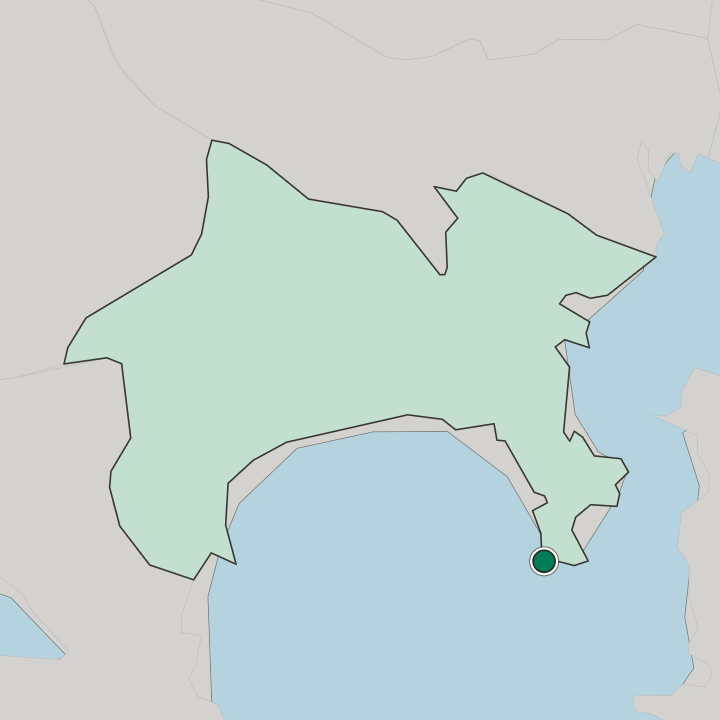
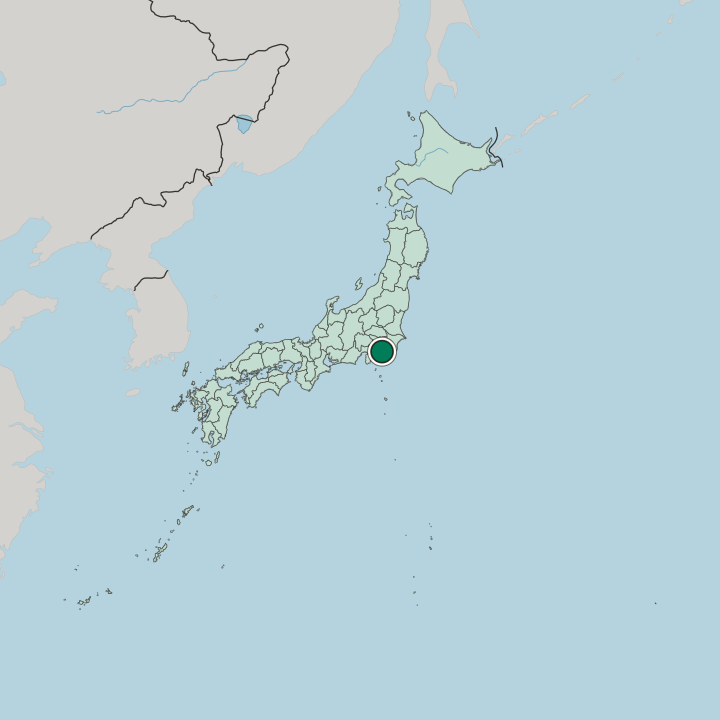
Miura covers the southernmost part of the Miura Peninsula. The city occupies a moderate area of Kanagawa with sea on more than one side, and Misaki sits at the end of it where the land runs out into the water. Sea borders most of the city.
Nichoya is exposed on that shoreline, while the Akasaka Site and the Doctor Naotada Akahoshi Cultural Heritage Museum lie back from it inland.
What is the climate of Miura?
The sea runs the thermostat here. Miura lies in the temperate band, but water on most sides of the peninsula flattens the extremes, so summers arrive damp rather than fierce and winters stay well short of hard. Wind is the real factor.
Anyone walking the shore toward Nichoya or waiting at the Misaki harbour will feel it before they feel the cold.
How do you get to Miura?
Everything comes down the peninsula. Miura sits at the far end of the Miura Peninsula, so arriving means running the length of it from the Kanagawa side, by road or rail, and then a short local leg to the port. Misaki is the terminus in practice.
From there the Misaki Marine Biological Station, the University of Tokyo, the harbour and the shore at Nichoya are all short moves apart, while the Akasaka Site needs a separate run inland.
Common questions
What is the best area to stay in Miura?
Misaki: mornings at the fishery port before the tuna moves. Akasaka: inland nights near the Akasaka Site. Nichoyatsu: shore walks out to Nichoya.
More cities in Kanagawa
Updated September 2026