Japan · Kanagawa
Where to Stay in Zushi, Kanagawa
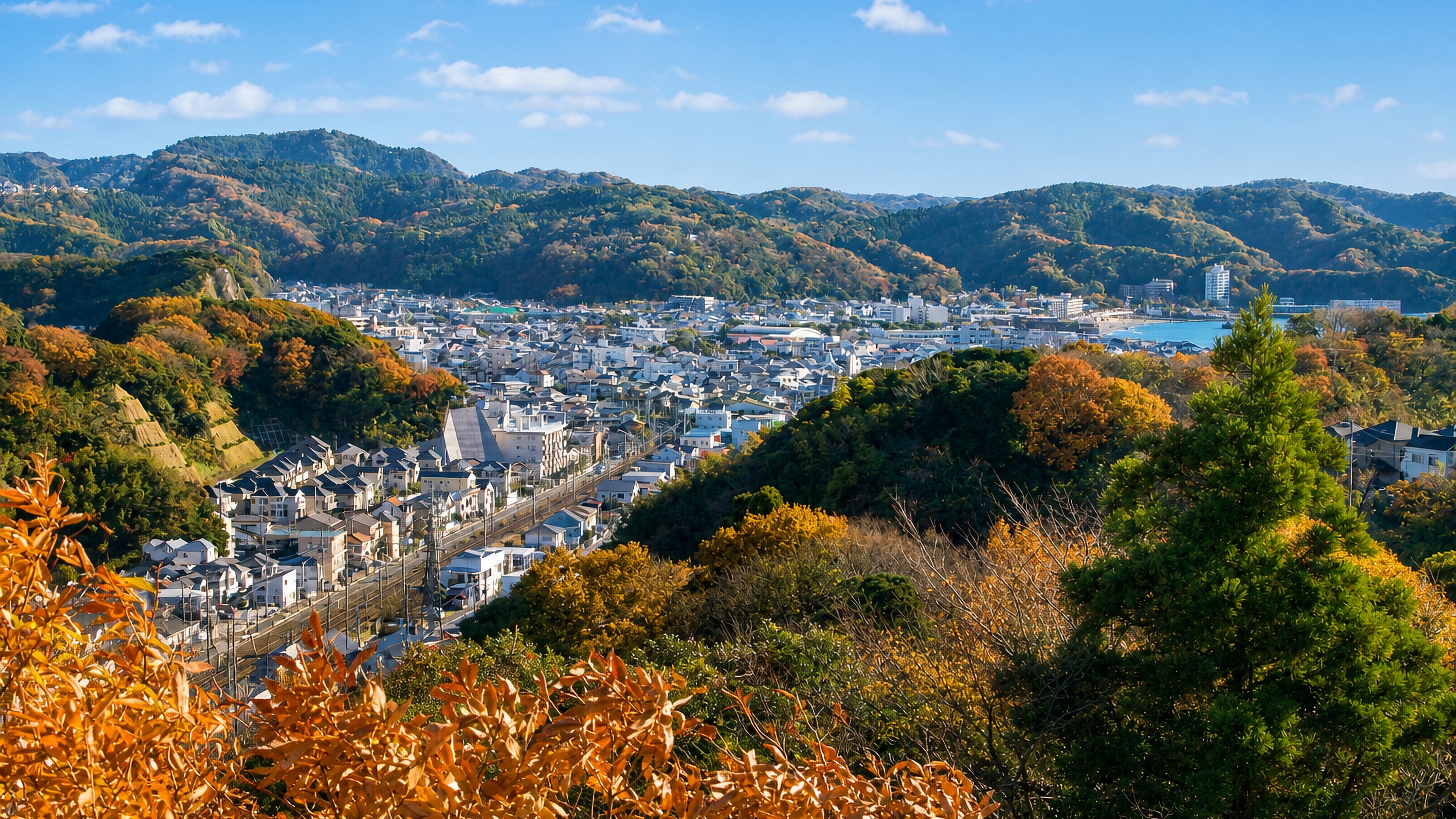
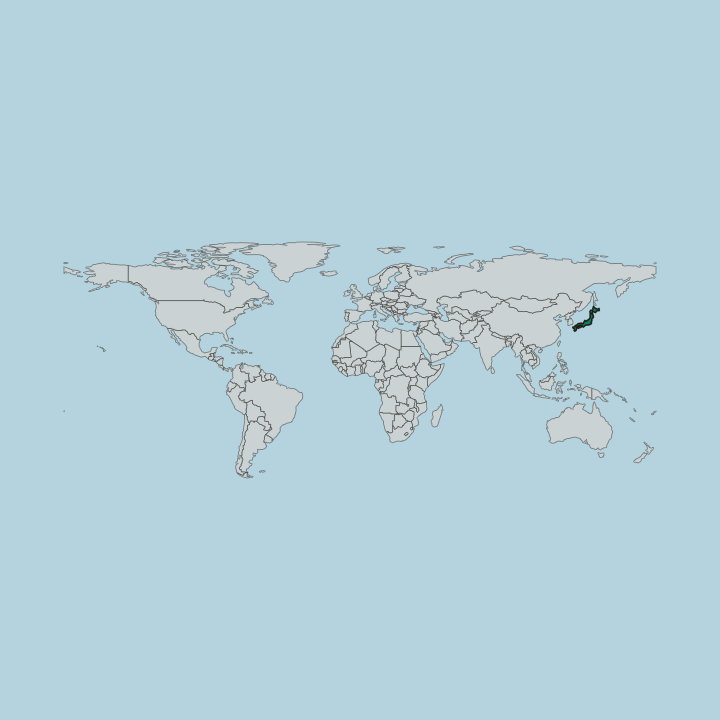
Zushi is a small coastal city in Kanagawa, an hour by rail south of Tokyo, with a beach, a marina and fewer visitors than neighbouring Kamakura.
Hotel links are affiliate links: booking through them may earn us a commission, at no extra cost to you. It never affects how places are ranked. How this works


Where to stay in Zushi
How the choice of base plays out on the ground.
The beach decides most stays. Zushi's shore and its marina carry the summer events, and a room within reach of both makes the most of the season the city is actually busy for. Out of season the calculation changes, since walking distance to the water matters less once the events have finished.
Kamakura is the other pull. Beds on that side put the Kamakura Museum of National Treasures and the Museum of Modern Art, Kamakura & Hayama within a short hop, which suits visitors treating the two cities as one trip. Quieter ground lies back from the water.
The Ikego Artifacts Museum, the Imakōji-nishi Site and the Ōmachi Shakadō Pass Site give the inland half its own reasons, and rooms there trade sea air for calm. Nothing in Zushi is far from anything else. Seventeen square kilometres does not leave room for a bad choice, and a bed anywhere in Zushi keeps the Suigeikan, the Lica House and the British Antique Museum Kamakura close.
Zushi carries fewer visitors than Kamakura, and that shows in how fast the streets settle once the beach empties. If you want sailing, aim for the marina.
Find hotels in Zushi
Direct booking searches for these neighbourhoods.
The shore and marina
The water end of the city, where the marina and the beach sit togetherFind hotels in The shore and marinaTrips pairing Zushi's temples with the Kamakura Museum of National TreasuresThe Kamakura side
Nearest edge to neighbouring Kamakura and the Museum of Modern Art, Kamakura & HayamaFind hotels in The Kamakura sideQuiet nights near the Ikego Artifacts Museum and the Imakōji-nishi SiteInland Zushi
Back from the shore, out of range of the beach season entirely. Beds are limited here, so book early.Find hotels in Inland ZushiHotel links are affiliate links: booking through them may earn us a commission, at no extra cost to you. It never affects how places are ranked. How this works
Things to do in Zushi
Ranked by global recognition; descriptions from Wikidata (CC0).
Museums & Galleries
3- Tsurugaoka Museum, Kamakura Heritage
- British Antique Museum Kamakura
- Suigeikan
Castles & Historic Sites
3- Ōmachi Shakadō Pass Site Heritage
- 和田塚
- 由比ヶ浜南遺跡
Landmarks & Notable Places
1- Former residence of Marquis Kacho Heritage
worth knowingacross 3 categories in Zushi
About Zushi
Kamakura takes the crowds.
What is Zushi known for?
Zushi keeps a beach, a marina and a run of summer events on one short stretch of the Kanagawa coast, and the traffic through it stays far thinner than the traffic next door. Sailing is part of the appeal. The Museum of Modern Art, Kamakura & Hayama and the Hoshun Yamaguchi Memorial Hall sit within reach, along with a handful of old temples that see almost no queue.
What are the main landmarks in Zushi?
Zushi's sights lean towards collections rather than monuments. The Museum of Modern Art, Kamakura & Hayama anchors the set, and the Kamakura Museum of National Treasures, the British Antique Museum Kamakura and the Tsurugaoka Museum, Kamakura fill out a circuit that can absorb a full day. Smaller doors matter too.
The Hoshun Yamaguchi Memorial Hall, the Suigeikan and the Lica House keep a domestic scale, while the Ikego Artifacts Museum handles what came out of the ground. Osarubatake no Ōkirigishi is the outlier.
What is the history of Zushi?
This coast was settled early. Excavated ground carries the proof: the Ōmachi Shakadō Pass Site, the Imakōji-nishi Site and the finds gathered at the Ikego Artifacts Museum record occupation long before any of the modern boundaries were drawn. Two further sites, Yuigahama-minami Site and Mukaihara Kofun Group, sit in the same archaeological record.
Temples came later, and a few historic ones still stand, drawing a fraction of what neighbouring Kamakura pulls in. The city is a modern arrival by comparison. Zushi took its city footing in 1950, and the compact stretch of Kanagawa coast it governs has held that shape ever since, small enough to walk from end to end.
Museums arrived later still. The Kamakura Museum of National Treasures and the Tsurugaoka Museum, Kamakura hold older material, while the Hoshun Yamaguchi Memorial Hall, the British Antique Museum Kamakura and the Museum of Modern Art, Kamakura & Hayama belong to a much later century of collecting. Named houses survive as well: the Former residence of Marquis Kacho, the Suigeikan and the Lica House.
The marina belongs to that later chapter too, and sailing remains one of the reasons people come down the coast from Tokyo.
Where is Zushi?
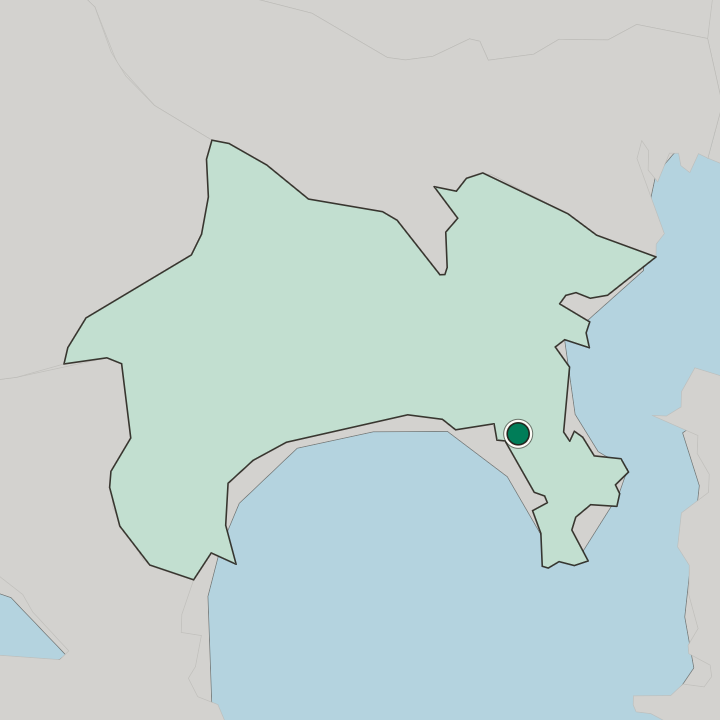
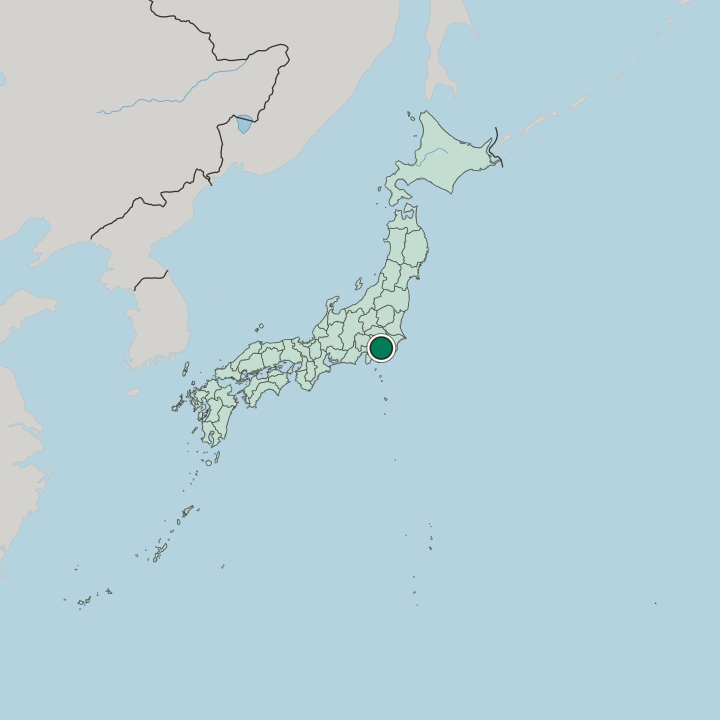
Zushi occupies a small wedge of the Kanagawa coast. Its seventeen square kilometres of Kanagawa run down to a beach and a marina, with neighbouring Kamakura holding the coast on one side and the rail line to Tokyo running an hour north. Archaeological ground survives nearby: the Ōmachi Shakadō Pass Site and the Imakōji-nishi Site.
Water dominates the rest.
What is the climate of Zushi?
The sea sets the rhythm. Zushi sits in the temperate band, and its year splits cleanly between a beach-and-marina summer that draws day trippers down from Tokyo and a cooler, emptier half when the events stop. Indoor days have answers.
The British Antique Museum Kamakura, the Kamakura Museum of National Treasures and the Hoshun Yamaguchi Memorial Hall all work in poor weather.
How do you get to Zushi?
One train, about an hour. Zushi lies roughly sixty minutes by rail south of Tokyo, which puts it inside day-trip range of the city and makes an overnight stay a choice rather than a necessity. Kamakura sits next door on the same Kanagawa coast, close enough that most visits take in both.
The marina handles the water side.
Common questions
What is the best area to stay in Zushi?
The shore and marina: Sailing and the summer events on Zushi's beach. The Kamakura side: Trips pairing Zushi's temples with the Kamakura Museum of National Treasures. Inland Zushi: Quiet nights near the Ikego Artifacts Museum and the Imakōji-nishi Site.
Good for
More cities in Kanagawa
Updated September 2026