Japan · Saitama-ken
Where to Stay in Chichibu, Saitama-ken
Chichibu is a city in Saitama Prefecture, Japan, holding the Wadō Site, the Tochimoto Barrier, and the Chichibu-Meisen Museum among its heritage.
Hotel links are affiliate links: booking through them may earn us a commission, at no extra cost to you. It never affects how places are ranked. How this works


Where to stay in Chichibu
How the choice of base plays out on the ground.
The choice in Chichibu starts at Ohanabatake Station. Rooms within walking reach of that platform put the Chichibu-Meisen Museum and the Chichibu Furusatokan on the same short circuit, which suits anyone who wants the museums and the trains without a car. Walk it in an afternoon.
The Yamatō Art Museum sits close enough to fold into the same day. Chichibu Furusatokan and the Chichibu-Meisen Museum anchor the walkable side of town, and a stay chosen around them keeps an evening simple, with dinner and a short walk back rather than a transfer. Plans stay loose.
Visitors set on the older heritage of the district can still base themselves near Ohanabatake Station and travel out to the Wadō Site or the Tochimoto Barrier for the day. Away from the station the municipality spreads wide, and a room out there trades the museum circuit for the ground around the Wadō Site, the Tochimoto Barrier, and the Urayama Folk Museum. Distances stretch.
A car earns its keep, since the outlying corners of Chichibu sit well beyond a comfortable walk from Ohanabatake Station and the museums clustered near it. Rooms are scarce that far out of Chichibu.
Find hotels in Chichibu
Direct booking searches for these neighbourhoods.
Around Ohanabatake Station
The Chichibu-Meisen Museum and Chichibu Furusatokan share one short circuit from the platformFind hotels in Around Ohanabatake StationDrivers aiming for the Wadō Site and the Tochimoto BarrierThe outer municipality
Open ground out by the Urayama Folk Museum, far past the Chichibu museum cluster. Beds are limited here, so book early.Find hotels in The outer municipalityHotel links are affiliate links: booking through them may earn us a commission, at no extra cost to you. It never affects how places are ranked. How this works
About Chichibu
Museums do much of the talking.
What is Chichibu known for?
The Chichibu-Meisen Museum, the Chichibu Furusatokan, the Yamatō Art Museum, and the Urayama Folk Museum give the city four separate rooms for its crafts, its artworks, and the ordinary business of the district. Older ground survives at the Wadō Site and the Tochimoto Barrier. Trains pull in at Ohanabatake Station.
What are the main landmarks in Chichibu?
Ohanabatake Station is where most arrivals begin. From there the Chichibu-Meisen Museum and the Chichibu Furusatokan sit within a short walk, and the Yamatō Art Museum adds a third indoor stop for anyone working through the city's collections in one go. Older ground lies further out: the Wadō Site, the Tochimoto Barrier, and the Urayama Folk Museum.
Three of them reward a car.
What is the history of Chichibu?
Municipal status dates from 1889. Records carry an older name for the same town, Ōmiya-machi, alongside the Chichibu that appears on station boards and museum signs across Saitama Prefecture. That date sets the city's administrative start; everything older belongs to the sites and the collections rather than to the municipality itself.
Older layers show on the ground. The Wadō Site marks one, the Tochimoto Barrier another, each surviving as a named point rather than a standing quarter. What survived, the city put indoors.
Chichibu Furusatokan gathers the local record, the Urayama Folk Museum keeps the working life of the surrounding countryside, and the Chichibu-Meisen Museum takes its subject from a name the city shares. Art has its own room. The Yamatō Art Museum stands alongside those three, so a visitor can work through craft, folk life, and painting inside one municipality of Saitama Prefecture without changing towns.
No single monument carries it all. The Wadō Site, the Tochimoto Barrier, Chichibu Furusatokan, and the Urayama Folk Museum divide the record between them, and Ohanabatake Station puts the walkable share of it within reach of one arrival. Japan frames the rest.
Where is Chichibu?
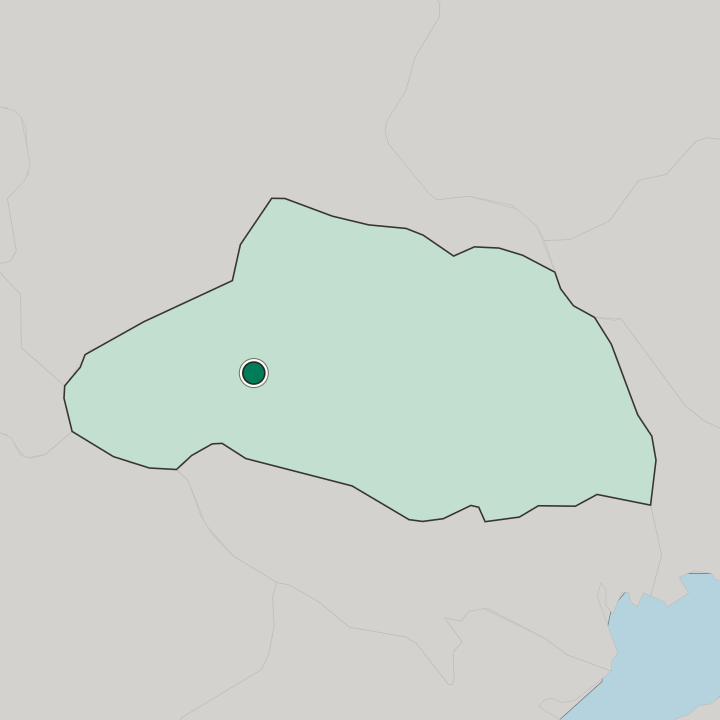
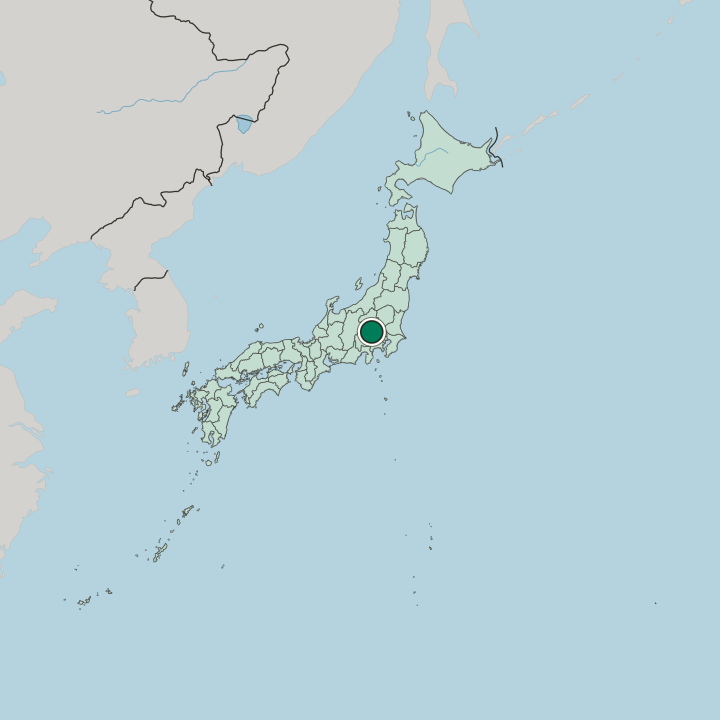
Chichibu takes in far more ground than its built centre. The distance from Ohanabatake Station out to the Tochimoto Barrier and the Wadō Site is the measure of it, and that gap explains how one municipality holds close-set museum streets and open country at once. Saitama Prefecture surrounds it.
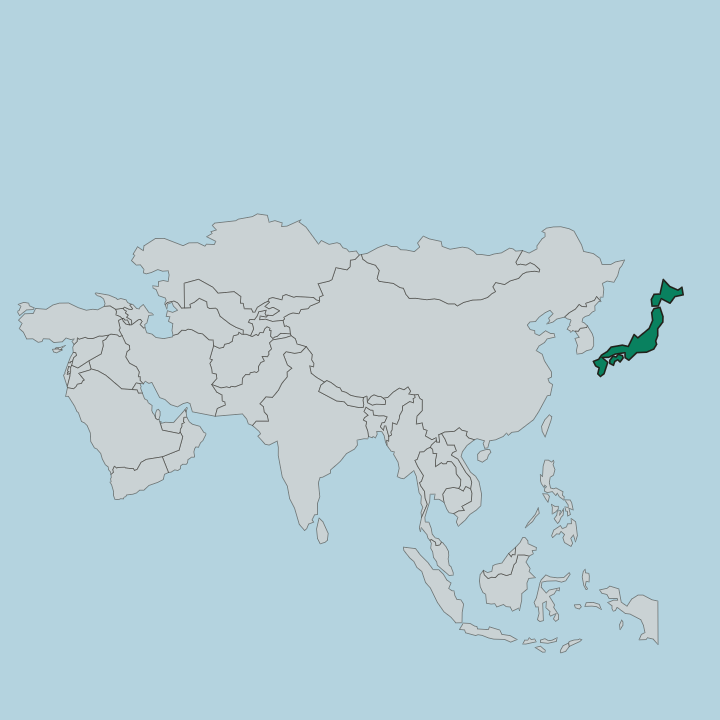
Japan's temperate belt sets the wider frame.
What is the climate of Chichibu?
Seasons do the work here. Chichibu sits in the temperate band of the northern hemisphere, and the year turns through four marked seasons rather than one steady state, which shapes when the open ground at the Wadō Site reads best. Winter shortens the daylight.
The indoor half of the city, from Chichibu Furusatokan to the Yamatō Art Museum and the Urayama Folk Museum, carries a wet or cold day without trouble.
How do you get to Chichibu?
Ohanabatake Station is the way in. Trains set down passengers there, and the walk from the platform reaches the Chichibu-Meisen Museum and Chichibu Furusatokan without a transfer, which is why most short visits begin on foot. Drivers have the wider municipality to cross.
The Wadō Site, the Tochimoto Barrier, and the Urayama Folk Museum lie out where roads matter more than timetables.
Common questions
What is the best area to stay in Chichibu?
Around Ohanabatake Station: Museum days walked out from Ohanabatake Station. The outer municipality: Drivers aiming for the Wadō Site and the Tochimoto Barrier.
Good for
More cities in Saitama-ken
Updated September 2026