Japan · Saitama-ken
Where to Stay in Fujimino, Saitama-ken
Fujimino is a compact Saitama Prefecture city formed in 2005, with municipal museums at Kamifukuoka and Ōi and the Railway Museum in reach.
Hotel links are affiliate links: booking through them may earn us a commission, at no extra cost to you. It never affects how places are ranked. How this works


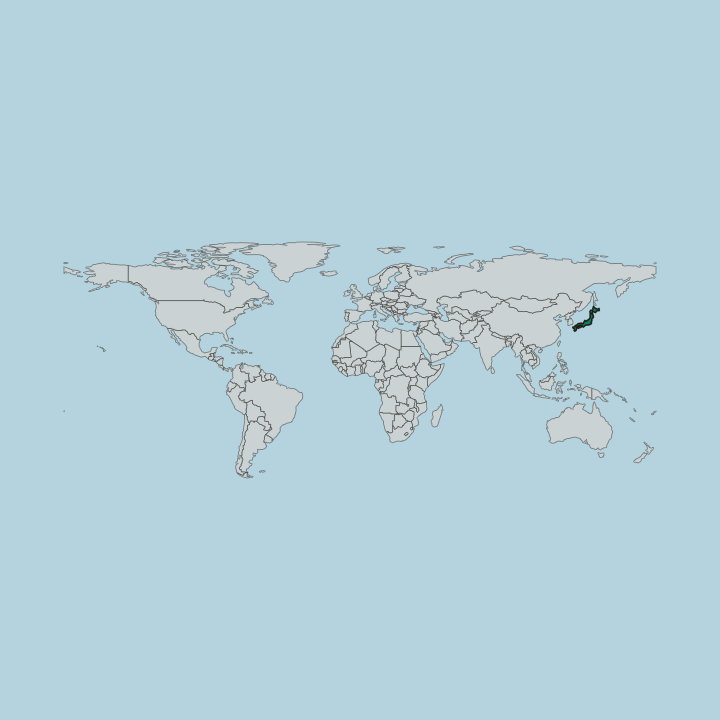
Where to stay in Fujimino
The practical side of choosing where to sleep.
Kamifukuoka and Ōi are the two halves of the choice. The Fujimino Municipal Kamifukuoka Historical and Folklore Museum sits on one side and the Fujimino Municipal Ōi Local Museum on the other, and the whole city covers under fifteen square kilometres, so neither base cuts a traveller off from the other. Density decides the rest of it.
Saitama Prefecture packs a great deal into a short radius, and a bed in Fujimino works as much for the Railway Museum and the Tokorozawa Aviation Museum as for anything inside the city limits. The Kadokawa Culture Museum and the Museum of Modern Art, Saitama, are the other two worth planning a day around. Kawagoe is the day out. The Kawagoe Festival Museum, the Museum of Kurazukuri, the Kawagoe City Museum, and the Kawagoe City Art Museum give that side of the map more sights than Fujimino holds itself.
Families have their own list. Ōmiya Park Zoo, the Omiya Bonsai Art Museum, Saitama, and Reds Land all pull in that direction, while the Ōsawa Residence and the Mizuko Kaizuka Museum suit a slower kind of visit. You want Kamifukuoka for the historical and folklore collection, Ōi for the local museum, and either for the run out to Kawagoe.
Find hotels in Fujimino
Direct booking searches for these neighbourhoods.
Kamifukuoka
Kamifukuoka was one of the two towns joined in 2005, and its historical and folklore museum still holds that half of the record.Find hotels in Kamifukuokaquieter nights beside the Fujimino Municipal Ōi Local MuseumŌi
Ōi carries the other name from the 2005 merger, and the local museum keeps what that side of the city brought with it. Lodging is scarce in this area; reserve in advance.Find hotels in Ōivisits pointed at the Kawagoe Festival Museum and the Museum of KurazukuriKawagoe day-trip side
Kawagoe puts a festival museum, an art museum, a city museum, and the Museum of Kurazukuri within one outing.Find hotels in Kawagoe day-trip sideHotel links are affiliate links: booking through them may earn us a commission, at no extra cost to you. It never affects how places are ranked. How this works
Things to do in Fujimino
Ranked by global recognition; descriptions from Wikidata (CC0).
Museums & Galleries
3- Museum of Modern Art, Saitama
- Omiya Bonsai Art Museum, Saitama
- Kawagoe City Art Museum
Churches & Religious Sites
1- St. Theresa of the Child Jesus Cathedral, Urawa
Stadiums & Sports
1- Reds Land
worth knowingacross 3 categories in Fujimino
About Fujimino
What is Fujimino known for?
Two municipal collections carry the city's own story: the Fujimino Municipal Kamifukuoka Historical and Folklore Museum and the Fujimino Municipal Ōi Local Museum. Everything else is regional. The Railway Museum, the Tokorozawa Aviation Museum, and the Kadokawa Culture Museum are the large draws within reach, and the Kawagoe Festival Museum and the Museum of Kurazukuri hold the older town-centre material of the ground nearby.
Art has its own share. The Museum of Modern Art, Saitama, the Kawagoe City Art Museum, and Marunuma Art Park take that side of the register.
What are the main landmarks in Fujimino?
The register runs to twenty-five entries. The Fujimino Municipal Kamifukuoka Historical and Folklore Museum and the Fujimino Municipal Ōi Local Museum are the city's own, and the Railway Museum, the Tokorozawa Aviation Museum, and the Kadokawa Culture Museum are the biggest names on the wider list. Kawagoe supplies four of them.
The Kawagoe Festival Museum, the Kawagoe City Museum, the Kawagoe City Art Museum, and the Museum of Kurazukuri sit together, and the Ōsawa Residence, Ōmiya Park Zoo, and Reds Land fill out the rest.
What is the history of Fujimino?
The city itself dates only from 2005. Kamifukuoka and Ōi are the names it was assembled from, and each keeps a municipal museum, the Fujimino Municipal Kamifukuoka Historical and Folklore Museum and the Fujimino Municipal Ōi Local Museum, holding what it brought in. The ground is older than the name.
The Mizuko Kaizuka Museum and the Kōnuma Folk Museum hold the older local material, and the Ōsawa Residence survives as a building from the period the collections describe. Saitama Prefecture keeps the wider account at the Saitama Prefectural Museum of History and Folklore and the Saitama Municipal Museum. Neighbouring towns wrote their own chapters.
The Museum of Kurazukuri and the Kawagoe City Museum record what Kawagoe built, and the Kawagoe Festival Museum keeps the festival that goes with it. The Asaka City Museum, the Sayama City Museum, and the Kiyose City Folk Museum sit on the same regional record. Industry and transport came last.
The Railway Museum and the Tokorozawa Aviation Museum cover the machinery of the modern age, and the Kadokawa Culture Museum belongs to a later generation of building altogether. The city name is the youngest thing on the list.
Where is Fujimino?
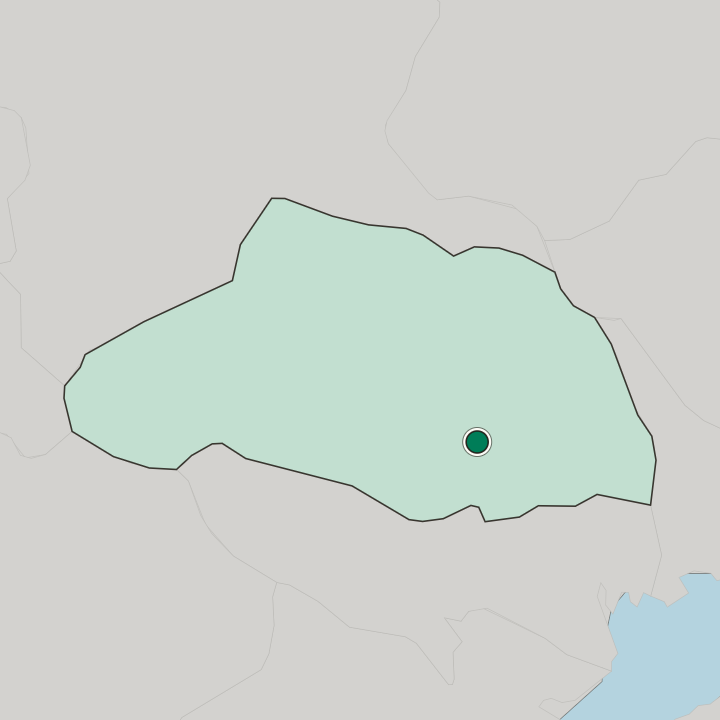
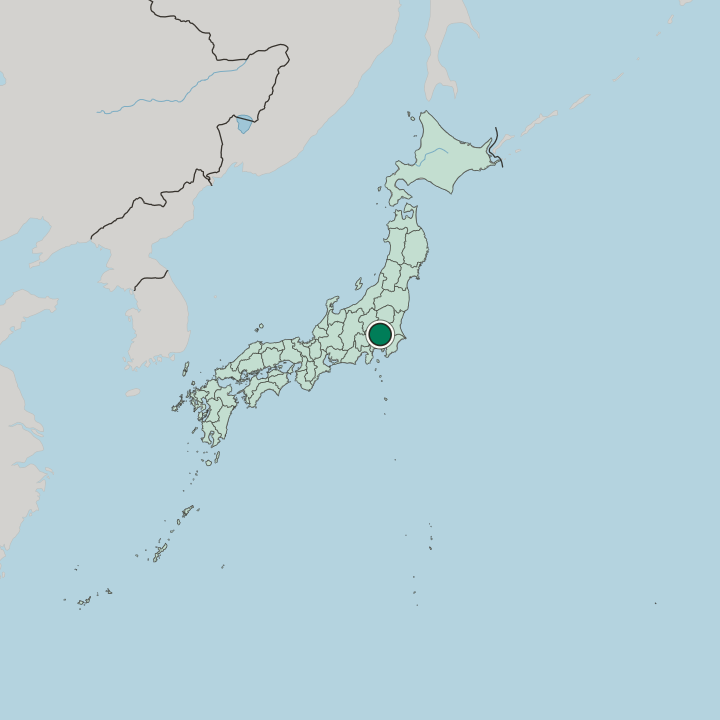
Fujimino covers hardly any ground. Under fifteen square kilometres of Saitama Prefecture hold the whole city, which is why the two municipal museums at Kamifukuoka and Ōi are never far apart. The temperate band of Japan covers it.
Everything else on the register, the Railway Museum, Ōmiya Park Zoo, Marunuma Art Park, and the Kawagoe collections, belongs to the ground around rather than to the city itself.
What is the climate of Fujimino?
Summer here is hot and humid, and winter is the colder, quieter half of the year, which Fujimino takes with the rest of Saitama Prefecture. Indoor options are the strength. The Railway Museum, the Tokorozawa Aviation Museum, the Kadokawa Culture Museum, and both municipal collections work in any weather. Ōmiya Park Zoo, Marunuma Art Park, and Reds Land want the dry months.
How do you get to Fujimino?
Saitama Prefecture is the approach. Fujimino sits inside a dense stretch of it, and the short distances mean the Railway Museum, the Tokorozawa Aviation Museum, and the Kawagoe museums are all day trips rather than separate journeys. The city is short across.
Under fifteen square kilometres separate the Fujimino Municipal Kamifukuoka Historical and Folklore Museum from the Fujimino Municipal Ōi Local Museum, so getting between the two halves of the city takes no planning.
Common questions
What is the best area to stay in Fujimino?
Kamifukuoka: stays anchored on the Fujimino Municipal Kamifukuoka Historical and Folklore Museum. Ōi: quieter nights beside the Fujimino Municipal Ōi Local Museum. Kawagoe day-trip side: visits pointed at the Kawagoe Festival Museum and the Museum of Kurazukuri.
Good for
More cities in Saitama-ken
Updated October 2026