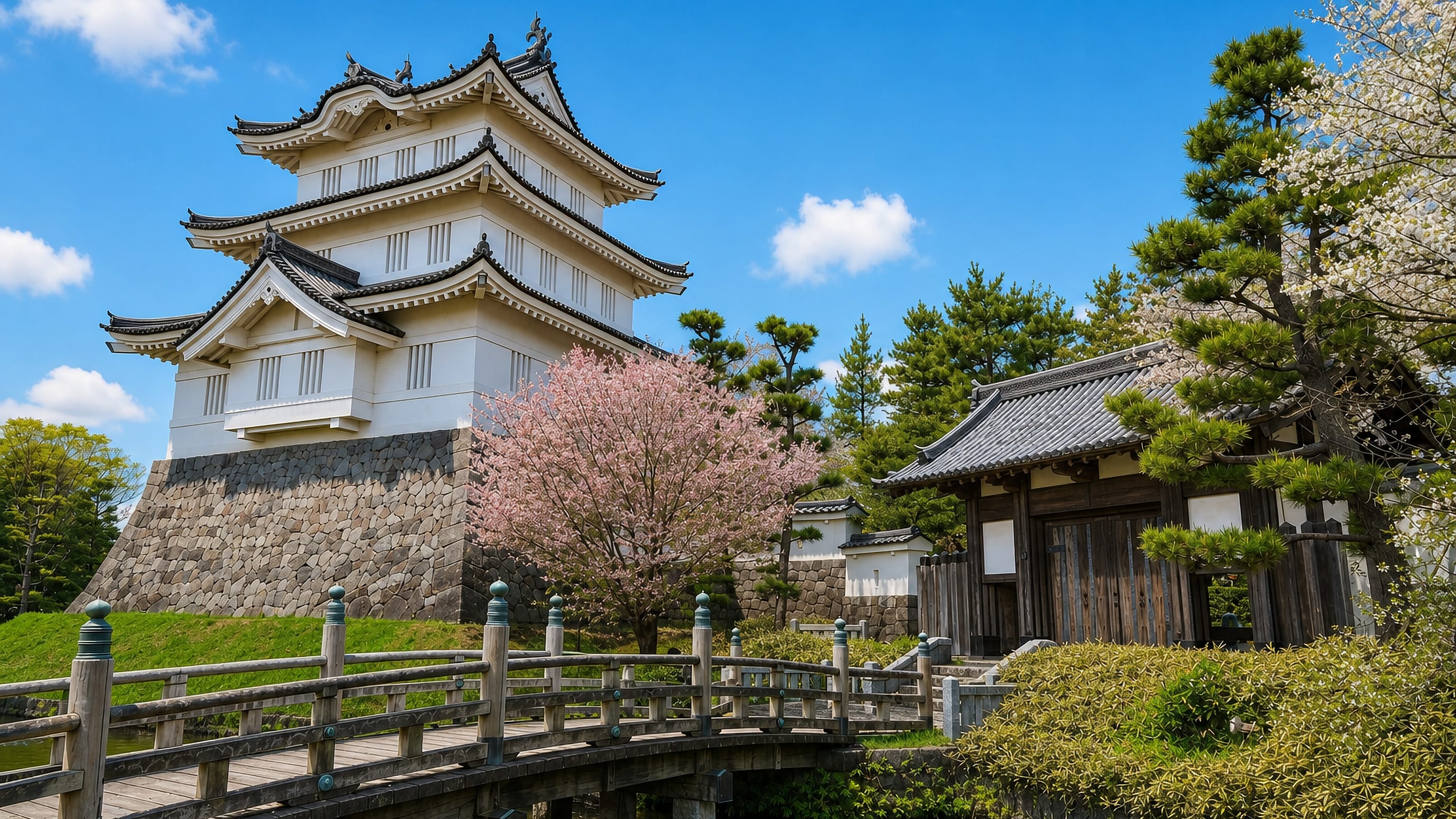
Japan · Saitama-ken
Where to Stay in Gyōda, Saitama-ken
Gyōda is a Saitama Prefecture city known for the Sakitama burial mounds, with Sakitama Kofun Park and the Gyōda City Museum on its ground.
Hotel links are affiliate links: booking through them may earn us a commission, at no extra cost to you. It never affects how places are ranked. How this works


Where to stay in Gyōda
How the choice of base plays out on the ground.
Sakitama sets the geography of a stay. Beds near Sakitama Kofun Park put the mounds and the Saitama Prefectural Museum of the Sakitama Ancient Burial Mounds within one walk, which is the whole reason most visitors give Gyōda a night rather than an afternoon. Sakitama Kofun Park is open ground, and a stay beside it trades town amenities for the quiet of a site that predates the city by a long way.
The town centre is the alternative. Oshimachi was the older name for that ground, and the Gyōda City Museum and the Tabi to Kurashi Museum belong to the town rather than to the park. Neither base is far from the other.
Gyōda covers sixty-seven square kilometres, so the Ikemori-Ikegami Site and the burial-mound ground sit inside the same city as the museums, and a car shortens the day rather than making it possible. Saitama Prefecture fills in around it. Anyone using Gyōda as a base for the wider prefecture will find the archaeology closer than anything else, since Sakitama is the name both the park and the prefectural museum carry.
You want the park side for the mounds themselves, the old Oshimachi ground for the two museums and an easier evening.
Find hotels in Gyōda
Direct booking searches for these neighbourhoods.
Sakitama Kofun Park
The park keeps the Sakitama burial mounds as open ground, with the prefectural museum of the mounds standing beside them. Beds are limited here, so book early.Find hotels in Sakitama Kofun Parkevenings on the ground once recorded as OshimachiOshimachi town centre
The Gyōda City Museum and the Tabi to Kurashi Museum both belong to the town rather than to the mound field.Find hotels in Oshimachi town centrearchaeology beyond the Sakitama moundsIkemori-Ikegami Site side
The Ikemori-Ikegami Site is the second excavation on Gyōda's register, out in the sixty-seven square kilometres the city covers. Rooms are few around here — worth securing early.Find hotels in Ikemori-Ikegami Site sideHotel links are affiliate links: booking through them may earn us a commission, at no extra cost to you. It never affects how places are ranked. How this works
About Gyōda
Burial mounds are the reason to come.
What is Gyōda known for?
Sakitama Kofun Park and the Saitama Prefectural Museum of the Sakitama Ancient Burial Mounds cover the same ground between them, one as open parkland and the other as the collection that explains it. Two smaller museums follow. The Gyōda City Museum keeps the town's record and the Tabi to Kurashi Museum works on a narrower subject, while the Ikemori-Ikegami Site adds another piece of archaeology to the list.
What are the main landmarks in Gyōda?
Five entries, and three of them are archaeology. Sakitama Kofun Park holds the mound field itself, the Saitama Prefectural Museum of the Sakitama Ancient Burial Mounds interprets it, and the Ikemori-Ikegami Site records a separate excavation. The Gyōda City Museum covers the town.
Tabi to Kurashi Museum closes the register on a subject of its own.
What is the history of Gyōda?
The mounds came first. Sakitama Kofun Park preserves burial mounds that were raised long before any town existed on this ground, and the Saitama Prefectural Museum of the Sakitama Ancient Burial Mounds holds what has been recovered from them. The Ikemori-Ikegami Site belongs to the same deep record.
The city covers sixty-seven square kilometres, and the mound field is only the best-known ground inside it. Excavation is how most of this period is known, since the written account of Gyōda begins far later than the ground does. Oshimachi is the name on the older paperwork. 1889 is the year the modern municipality dates from, and the Gyōda City Museum is where the town's own account of everything since is kept.
Saitama Prefecture took over the largest of the sites. The prefectural museum at the Sakitama mounds is a public institution rather than a local one, which is a measure of how much weight the burial ground carries beyond Gyōda itself. The Tabi to Kurashi Museum works on a subject the older collections leave alone.
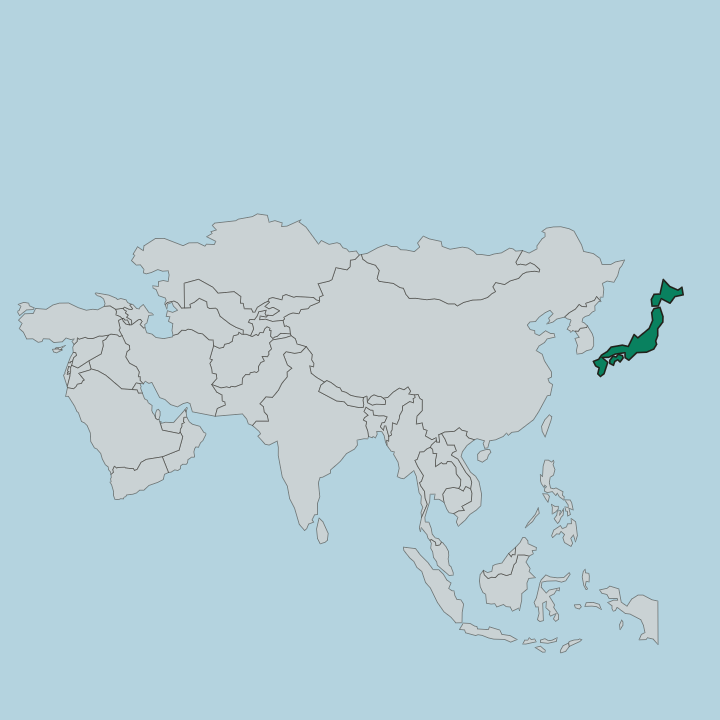
Saitama Prefecture, and Japan beyond it, frame a record that runs from prehistoric burial to a municipality of 1889.
Where is Gyōda?
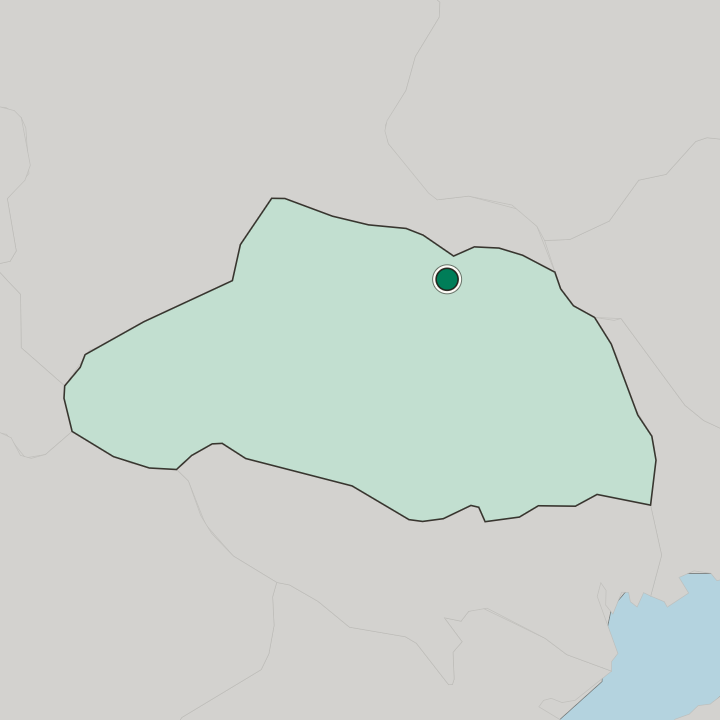
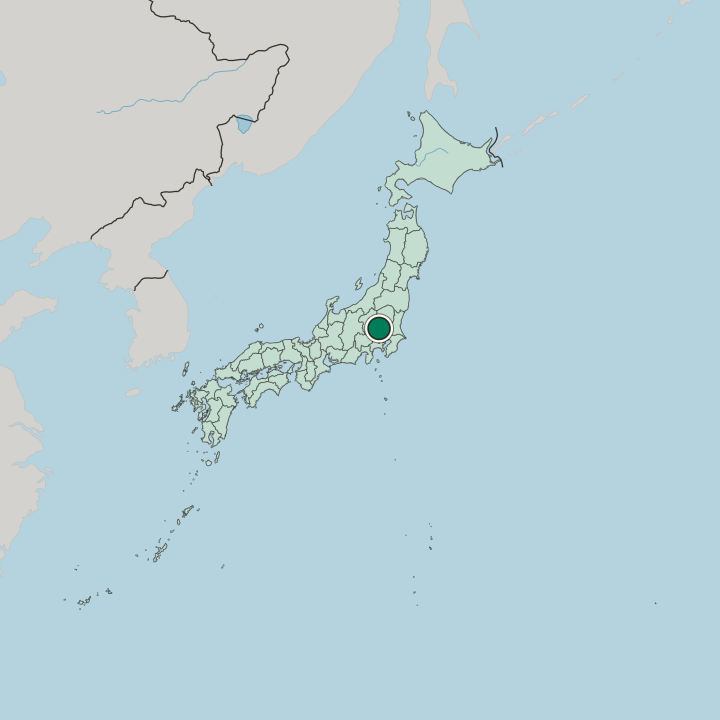
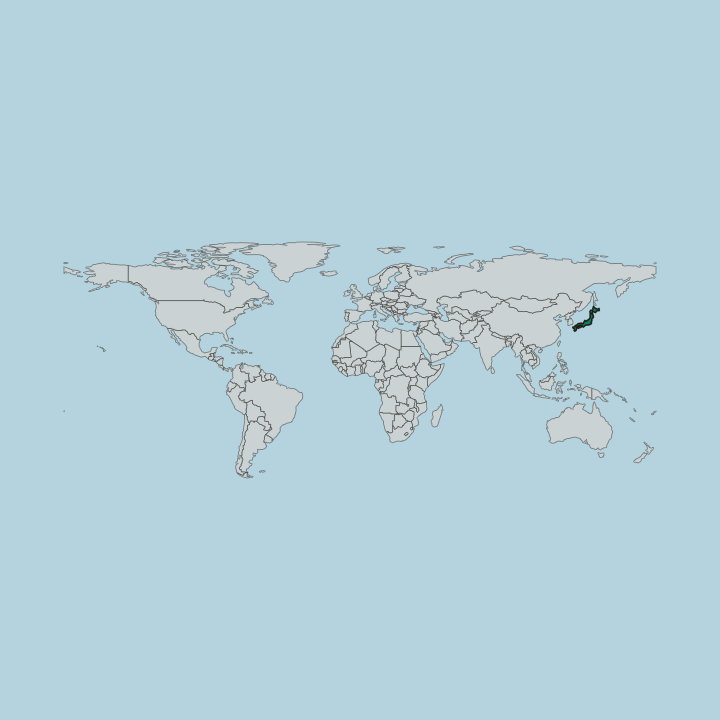
Gyōda covers sixty-seven square kilometres of Saitama Prefecture. The mound field at Sakitama Kofun Park takes up one part of that, and the Ikemori-Ikegami Site marks another point across the same city ground. Japan's temperate band runs through here.
Nothing on the register is far from anything else, though the burial ground and the two town museums sit at different ends of the same municipality.
What is the climate of Gyōda?
Summer runs hot and heavy with damp in this temperate part of Japan, and the open ground at Sakitama Kofun Park is where that is felt most. Winter is the colder half. The Gyōda City Museum, the Tabi to Kurashi Museum, and the Saitama Prefectural Museum of the Sakitama Ancient Burial Mounds carry a visit through weather that the open sites cannot.
Spring and autumn suit the walking.
How do you get to Gyōda?
Saitama Prefecture is the way in and out. Gyōda sits within it, and the archaeology is what brings people the distance rather than any through route the city happens to sit on. The sites are spread out.
Sakitama Kofun Park, the Ikemori-Ikegami Site, and the Gyōda City Museum lie across sixty-seven square kilometres, so a plan that starts at the mound field and works back toward the town saves the most walking.
Common questions
What is the best area to stay in Gyōda?
Sakitama Kofun Park: mornings on the mound field at Sakitama Kofun Park. Oshimachi town centre: evenings on the ground once recorded as Oshimachi. Ikemori-Ikegami Site side: archaeology beyond the Sakitama mounds.
More cities in Saitama-ken
Updated September 2026