Japan · Saitama-ken
Where to Stay in Hannō, Saitama-ken
Hannō is a wide Saitama Prefecture city holding Metsä, the Hannō Municipal Museum, and the Koma Village Stone Age Dwelling Site.
Hotel links are affiliate links: booking through them may earn us a commission, at no extra cost to you. It never affects how places are ranked. How this works


Where to stay in Hannō
Where the beds are, and what that means for the visit.
Metsä pulls one way and the old town another. A stay near Metsä suits a visit built around that site alone, while the ground nearer the Hannō Municipal Museum and Hyper Museum Hannō gives a base with the city's own collections on the doorstep. The city is large.
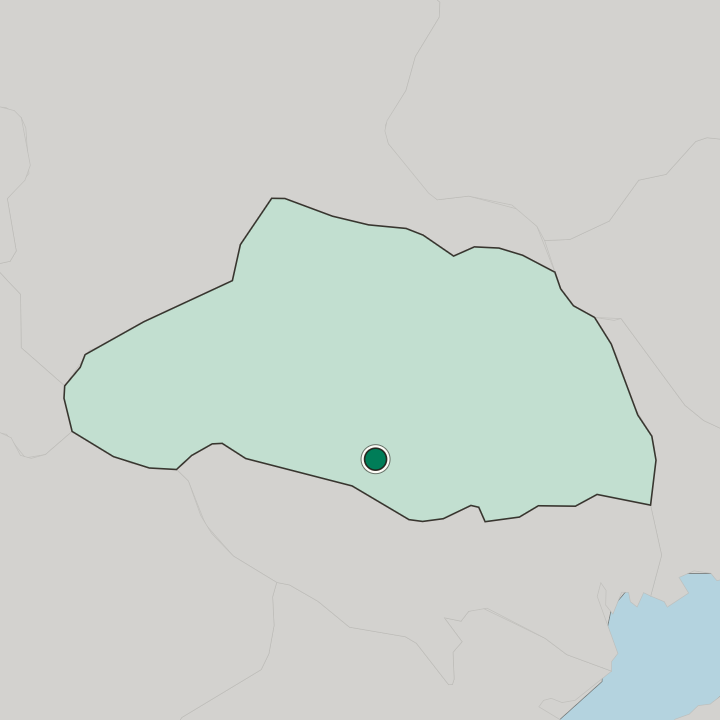
One hundred and ninety-three square kilometres of Saitama Prefecture carry the name, so the Koma Village Stone Age Dwelling Site and Saitama Midori-no-mori Nature Park can be a drive from the centre rather than a stroll. Ono Family Residence stands among the older buildings on the register. Neighbouring towns supply the rest of the list.
Ome Railway Park, the Ōme City Provincial History Museum, Hamura Zoo, and the Iruma City Museum all sit outside the city, and any of them makes a half-day from a Hannō base. Small museums fill the gaps. The Showa Retro Packaging Museum, Soy Sauce Kingdom, the Mizuho Museum of Local History and Culture, and the Mizuta Museum of Art, Josai University, are the ones that reward a second day.
You want Metsä if that is the trip; Hanno Town's old ground answers better for the museums and the excavated sites.
Find hotels in Hannō
Direct booking searches for these neighbourhoods.
Metsä
Metsä is the one name on Hannō's register that pulls visitors on its own, and a bed beside it removes the drive out. Few places to stay nearby — book ahead.Find hotels in Metsäbases beside the Hannō Municipal Museum and Hyper Museum HannōHanno Town old centre
Both collections carrying the Hannō name stand with the ground once recorded as Hanno Town.Find hotels in Hanno Town old centrewalkers combining the nature park with the Koma Village Stone Age Dwelling SiteSaitama Midori-no-mori Nature Park side
Saitama Midori-no-mori Nature Park and the Stone Age dwelling site lie out in the wider hundred and ninety-three square kilometres of the municipality. Lodging is scarce in this area; reserve in advance.Find hotels in Saitama Midori-no-mori Nature Park sideHotel links are affiliate links: booking through them may earn us a commission, at no extra cost to you. It never affects how places are ranked. How this works
Things to do in Hannō
Ranked by global recognition; descriptions from Wikidata (CC0).
Museums & Galleries
3- Showa Retro Packaging Museum Heritage
- Mizuta Museum of Art, Josai University
- Hannō Municipal Museum
Castles & Historic Sites
3- Koma Village Stone Age Dwelling Site Heritage
- Sunagawa site
- 箭ノ根ヶ原遺跡
Parks & Gardens
1- Metsä
Landmarks & Notable Places
1- 小野家住宅
worth knowingacross 4 categories in Hannō
About Hannō
What is Hannō known for?
Metsä heads the register, and the Hannō Municipal Museum and Hyper Museum Hannō are the two collections carrying the city's own name. Deep prehistory sits behind them. The Koma Village Stone Age Dwelling Site, the Sunagawa site, and Yanonegahara Site are excavated ground, and Saitama Midori-no-mori Nature Park gives the open-air counterpart to all of it.
Oddities round it out: the Showa Retro Packaging Museum and Soy Sauce Kingdom.
What are the main landmarks in Hannō?
Seventeen entries, and they scatter widely. Metsä, the Hannō Municipal Museum, and Hyper Museum Hannō carry the city's own name, while Ome Railway Park, the Ōme City Provincial History Museum, Hamura Zoo, the Iruma City Museum, and the Sayama City Museum belong to the towns around. Archaeology takes three.
The Koma Village Stone Age Dwelling Site, the Sunagawa site, and Yanonegahara Site are the dug ground, and Ono Family Residence, Soy Sauce Kingdom, and the Showa Retro Packaging Museum are as different from one another as a register this long allows.
What is the history of Hannō?
Hanno Town is the older entry on record. The municipality dates from 1889, and everything before that is known from excavation rather than from documents held in the city. The Koma Village Stone Age Dwelling Site is the deepest of those excavations, and the Sunagawa site and Yanonegahara Site record two more phases of settlement on the same wide stretch of Saitama Prefecture.
Ono Family Residence survives from later. Old houses like it are the physical record between the dug sites and the modern town. Museums belong to the modern chapter.
The Hannō Municipal Museum keeps the town's account, Hyper Museum Hannō carries the same name on a different footing, and the Mizuta Museum of Art, Josai University, brings a university collection into the picture. Industry left its own traces. Soy Sauce Kingdom and the Showa Retro Packaging Museum record making and selling rather than governing, and Ome Railway Park stands for the transport that reached this part of Saitama Prefecture.
Neighbouring collections keep their own versions, and the Iruma City Museum, the Sayama City Museum, and the Mizuho Museum of Local History and Culture each answer for a different patch of the same region. 1889 is where the modern name begins.
Where is Hannō?
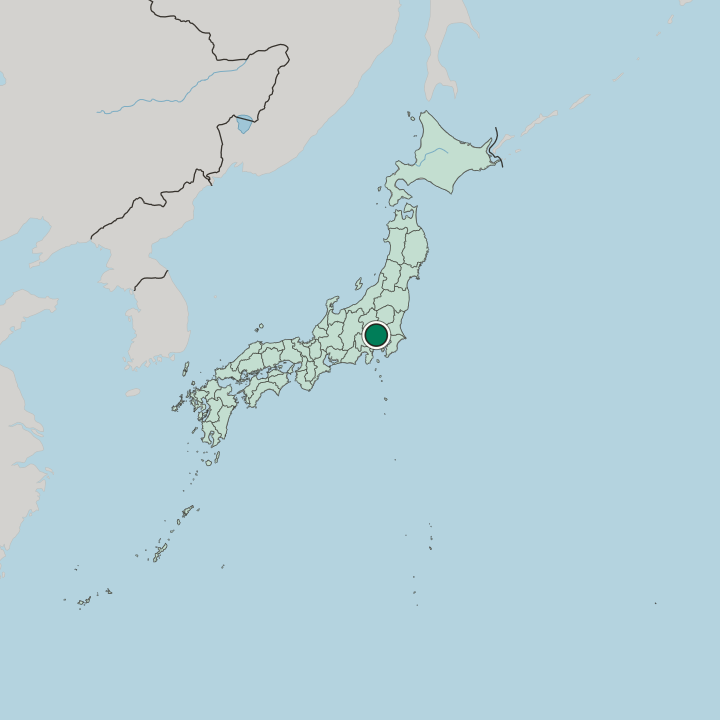
One hundred and ninety-three square kilometres give Hannō a great deal of ground for a city in Saitama Prefecture, Japan. That space shows. Saitama Midori-no-mori Nature Park occupies part of it, the Koma Village Stone Age Dwelling Site another, and Metsä a third, with distances between them that no single walk covers.
The Sunagawa site and Yanonegahara Site are scattered across the same wide municipality.
What is the climate of Hannō?
Metsä, Saitama Midori-no-mori Nature Park, and the Koma Village Stone Age Dwelling Site are all outdoor propositions, which makes the temperate calendar of this part of Japan matter more here than in a city of galleries. Summer is humid. Cold arrives properly in winter, and the Hannō Municipal Museum, Hyper Museum Hannō, and the Showa Retro Packaging Museum are the indoor fallback when it does.
Walking weather comes in between.
How do you get to Hannō?
Getting here means crossing a good deal of Saitama Prefecture. Once in Hannō the problem changes, because one hundred and ninety-three square kilometres separate Metsä, Saitama Midori-no-mori Nature Park, and the Koma Village Stone Age Dwelling Site from one another. A car earns its keep.
The neighbouring attractions, Ome Railway Park, Hamura Zoo, and the Iruma City Museum, sit further out again, and each is a trip of its own from a base in the city.
Common questions
What is the best area to stay in Hannō?
Metsä: trips whose single fixed point is Metsä. Hanno Town old centre: bases beside the Hannō Municipal Museum and Hyper Museum Hannō. Saitama Midori-no-mori Nature Park side: walkers combining the nature park with the Koma Village Stone Age Dwelling Site.
Good for
More cities in Saitama-ken
Updated September 2026