Japan · Saitama-ken
Where to Stay in Honjō, Saitama-ken
Honjō is a city of Saitama Prefecture, Japan, where haniwa kiln ruins and the Honjō-Waseda no Mori Museum share the same flat ground.
Hotel links are affiliate links: booking through them may earn us a commission, at no extra cost to you. It never affects how places are ranked. How this works


Where to stay in Honjō
Where the beds are, and what that means for the visit.
Beds gather where the city works, and the sights sit somewhere else. Honjō pulls in two directions, the Honjō-Waseda no Mori Museum at one pole, the Kodamamachi Water Tower at the other, with dig sites and worked land filling the ground between them. That shape decides the stay.
Anyone here for the Hongō Haniwa Kiln Site or the Jūsanpōzuka Site should expect to drive out to them in the morning rather than walk, because the municipal outline is wide and the sites were never laid out for a visitor's convenience. Let the museum list decide. Visitors working through the collections tend to keep one base and treat the Aikawa Archaeological Museum, the Nittanoshō History Museum and the Hanawa Hokiichi Memorial Museum as a single loop, which is the most efficient way to use a short stay in Saitama Prefecture.
A different plan applies if Gunma is on the list. The Gunma Prefectural Museum of History, The Museum of Modern Art, Gunma and the Tamamura History Museum all lie beyond the prefecture line, and they reward a room with the road out rather than a room in the middle of things. Neither pole is far from the other.
If you are attending something at the Honjō-Waseda no Mori Museum, a bed near it saves the return leg, while the Kodamamachi side puts the Enkiri-dera Mantoku-ji Shiryō-kan and the Shibusawa Eiichi Memorial Museum within a shorter drive.
Find hotels in Honjō
Direct booking searches for these neighbourhoods.
Honjō-Waseda no Mori
The wooded campus quarter built around the Honjō-Waseda no Mori Museum, the newest collection Honjō has opened.Find hotels in Honjō-Waseda no Morithe Kodamamachi Water Tower and the Hanawa Hokiichi Memorial MuseumKodamamachi
The far side of the municipality, picked out from across the fields by the Kodamamachi Water Tower.Find hotels in Kodamamachithe Hongō Haniwa Kiln Site and the Aikawa Archaeological MuseumThe dig-site belt
Open worked land threaded by the Hongō Haniwa Kiln Site, the Jūsanpōzuka Site and the Sai District Shōsō ruins.Find hotels in The dig-site beltHotel links are affiliate links: booking through them may earn us a commission, at no extra cost to you. It never affects how places are ranked. How this works
Things to do in Honjō
Ranked by global recognition; descriptions from Wikidata (CC0).
Museums & Galleries
1- Honjō-Waseda no Mori Museum
Castles & Historic Sites
3- Jūsanpōzuka Site
- Sai District Shōsō ruins
- 狢山遺跡
Landmarks & Notable Places
1- Tajima Yahei Sericulture Farm Heritage
worth knowingacross 3 categories in Honjō
About Honjō
Honjō keeps its past in museums.
What is Honjō known for?
Excavated ground does most of the talking: the Hongō Haniwa Kiln Site, the Jūsanpōzuka Site and the Sai District Shōsō ruins all lie inside the municipal boundary, and the Aikawa Archaeological Museum holds a good deal of what came out of them. The Honjō-Waseda no Mori Museum is the newest of the set. Older memory keeps its own buildings, among them the Hanawa Hokiichi Memorial Museum and the Nittanoshō History Museum.
What are the main landmarks in Honjō?
A water tower and a kiln field make an odd pair of markers. The Kodamamachi Water Tower stands over open ground at one end of the municipality, while the Hongō Haniwa Kiln Site, the Jūsanpōzuka Site and the Mujinayama Site record far older work in the same soil. Collections carry the rest.
The Honjō-Waseda no Mori Museum, the Aikawa Archaeological Museum and the Enkiri-dera Mantoku-ji Shiryō-kan each hold a different slice of it, and the Subaru 360 birthplace is signposted well apart from any of them.
What is the history of Honjō?
Fired clay is the oldest layer. Kilns at the Hongō Haniwa Kiln Site turned out haniwa, and the surrounding fields have since given up the Jūsanpōzuka Site and the Mujinayama Site, so that the earliest chapter of Honjō is written almost entirely in objects rather than in documents. Administration left its own trace.
The Sai District Shōsō ruins mark where an early provincial store once stood, and what the excavators recovered across all these grounds went into the Aikawa Archaeological Museum and the Nittanoshō History Museum. Silk arrived far later. The Tajima Yahei Sericulture Farm preserves the working buildings of that trade, while the Shibusawa Eiichi Memorial Museum and the Hanawa Hokiichi Memorial Museum keep the names of two figures this corner of Saitama Prefecture commemorates in its own right.
Honjō as a municipality is a twentieth-century thing, taking city status in 1954, long after the kilns and the shōsō had gone out of use and well into the era that the Saitama Prefectural Fukaya Commercial High School Memorial Hall and the Enkiri-dera Mantoku-ji Shiryō-kan belong to. The Honjō-Waseda no Mori Museum is newer still. Across the prefecture line the Gunma Prefectural Museum of History tells a parallel version of the same centuries, and the Tamamura History Museum adds a local footnote to it.
Documents outlast the mounds.
Where is Honjō?
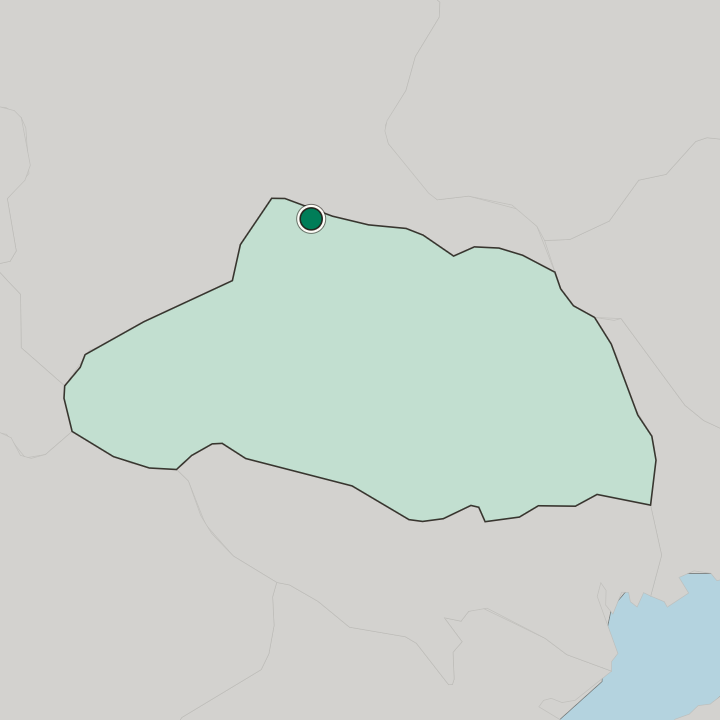
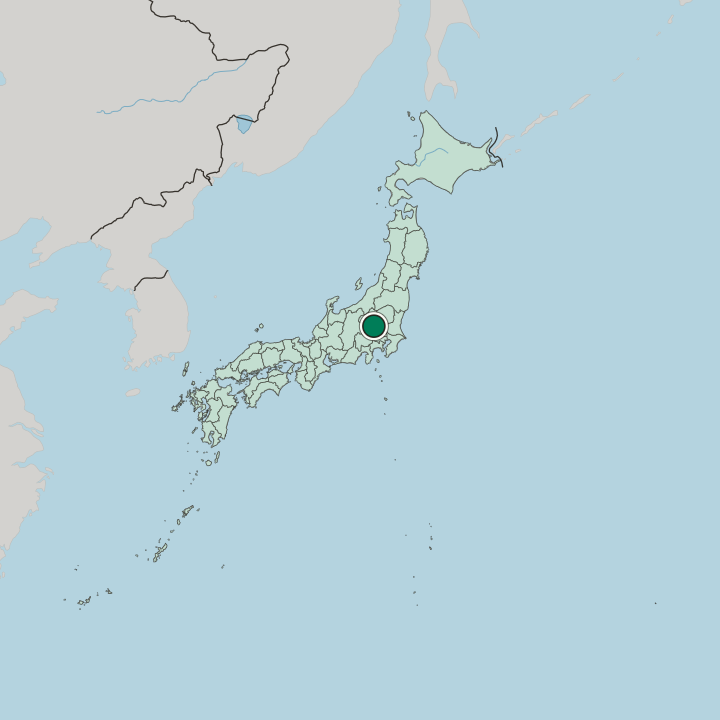
Honjō covers just under ninety square kilometres of Saitama Prefecture. Its interest is horizontal. The Kodamamachi Water Tower reads as a landmark precisely because the ground around it offers nothing else to look up at, and the excavated sites, the Hongō Haniwa Kiln Site, the Jūsanpōzuka Site, the Sai District Shōsō ruins, lie spread flat across the same open surface.
Gunma is the near neighbour, close enough that the Gunma Prefectural Museum of History and the Tamamura History Museum belong to Honjō's practical map.
What is the climate of Honjō?
Four seasons split the year here. Honjō falls within the temperate band of the northern hemisphere, which fixes the hottest weeks in high summer and the coldest in the depth of winter, the same calendar the rest of Saitama Prefecture keeps. Spring and autumn are the comfortable stretches.
Those are the months in which a day spent moving between the Hongō Haniwa Kiln Site, the Kodamamachi Water Tower and the Aikawa Archaeological Museum costs the least effort.
How do you get to Honjō?
Everything here joins up by road. The sites are strung far enough apart that the Hongō Haniwa Kiln Site, the Kodamamachi Water Tower and the Enkiri-dera Mantoku-ji Shiryō-kan cannot sensibly be linked on foot, and most arrivals move between them by car. Saitama Prefecture supplies the approach.
Crossing the line into Gunma adds the Gunma Prefectural Museum of History, The Museum of Modern Art, Gunma and the Tamamura History Museum to the same day out.
Common questions
What is the best area to stay in Honjō?
Honjō-Waseda no Mori: events at the Honjō-Waseda no Mori Museum. Kodamamachi: the Kodamamachi Water Tower and the Hanawa Hokiichi Memorial Museum. The dig-site belt: the Hongō Haniwa Kiln Site and the Aikawa Archaeological Museum.
Good for
More cities in Saitama-ken
Updated October 2026