Japan · Saitama-ken
Where to Stay in Kazo, Saitama-ken
Kazo is a city in Saitama Prefecture, Japan, whose workshops send koinobori and Kazo-udon noodles out across the country.
Hotel links are affiliate links: booking through them may earn us a commission, at no extra cost to you. It never affects how places are ranked. How this works


Where to stay in Kazo
How the choice of base plays out on the ground.
Kazo spreads out, so a stay here is a matter of which end. The middle keeps the workshops and the trade that produced koinobori and Kazo-udon noodles, and a room there puts the everyday city at the door rather than the attractions. Even at its widest, Kazo is a short drive across.
Musashinomura and the Saitama Aquarium sit within a straightforward run of it. Watarase Nature Center pulls the other way. A bed toward that open water suits birdwatchers and walkers, because the good light falls at either end of the day and a long journey out eats it.
Beds are thin there. The Saitama Prefectural Museum of the Sakitama Ancient Burial Mounds and Sakitama Kofun Park lie in the same open country, which makes a single day of the two. Collections sit off to one side.
The Koga Museum of Literature, the Koga History Museum, and the Koga Machikado Art Museum cluster together beyond the city proper, with the Wakui Museum and the Hokusai Art Museum adding two more reasons to travel that far. A car simplifies all of it. The Engravings Museum, the Satoe Memorial Art Museum of 21st Century, and the Kuki City Community Museum each want their own leg of a trip.
Find hotels in Kazo
Direct booking searches for these neighbourhoods.
The making quarter
Ordinary streets where the workshops are, a short run from MusashinomuraFind hotels in The making quarterBirdwatchers heading for the Watarase Nature CenterToward Watarase
Open water and early light, with the Saitama Aquarium on the way back. Rooms are few around here — worth securing early.Find hotels in Toward WataraseSlow mornings among the Sakitama mounds and the Kōrinji SiteOut by the old sites
Fields and marked ground well away from the Kazo workshops. Few places to stay nearby — book ahead.Find hotels in Out by the old sitesHotel links are affiliate links: booking through them may earn us a commission, at no extra cost to you. It never affects how places are ranked. How this works
Things to do in Kazo
Ranked by global recognition; descriptions from Wikidata (CC0).
Museums & Galleries
2- Satoe Memorial Art Museum of 21st Century
- Hokusai Art Museum
Castles & Historic Sites
3- 寺西貝塚
- 権現沼貝塚群
- Kōrinji Site
Parks & Gardens
1- Musashinomura
worth knowingacross 3 categories in Kazo
About Kazo
Kazo makes things.
What is Kazo known for?
Koinobori, baseballs, kendo equipment, and Kazo-udon noodles all carry the city's name across Japan, and the four together make a manufacturing record rather than a single specialism. Water is the other draw. The Saitama Aquarium and the Watarase Nature Center hold that side, and Musashinomura takes the family day.
What are the main landmarks in Kazo?
Koinobori are the export, but the visits go elsewhere. The Saitama Aquarium and Musashinomura take the family end, the Watarase Nature Center takes the quiet one, and Sakitama Kofun Park sets both against ground that predates the city by a long way. Art is scattered.
The Hokusai Art Museum, the Wakui Museum, and the Engravings Museum each hold a corner of it.
What is the history of Kazo?
The mounds at Sakitama predate everything else. Sakitama Kofun Park and the Saitama Prefectural Museum of the Sakitama Ancient Burial Mounds cover the burial ground that gives this stretch of Saitama Prefecture its deepest date, and the Kōrinji Site adds a later marker. Shell mounds survive as well.
They sit on ground worked long before Kazo took a municipal name. City status followed in 1954. That date gathered the settlements of the district into one municipality, and the four trades the city is known for, koinobori and baseballs, kendo equipment and Kazo-udon noodles, all answer to that name.
Craft outlived administration. Each of the four still ties the city to a national market rather than a local one. Museums came last and came from outside.
The Koga Museum of Literature, the Koga History Museum, and the Koga Machikado Art Museum belong to a neighbouring record rather than to Kazo's own, while the Kuki City Community Museum does the same from another quarter. Borders blur out here. The Satoe Memorial Art Museum of 21st Century and the Hokusai Art Museum sit in that same loose orbit, and the Saitama Aquarium and the Watarase Nature Center complete a circuit no single town could hold alone.
Where is Kazo?
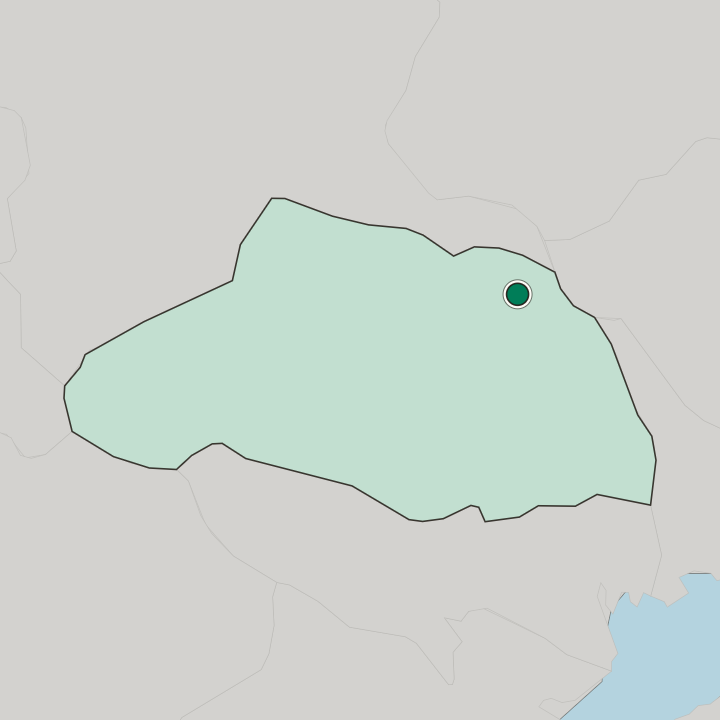
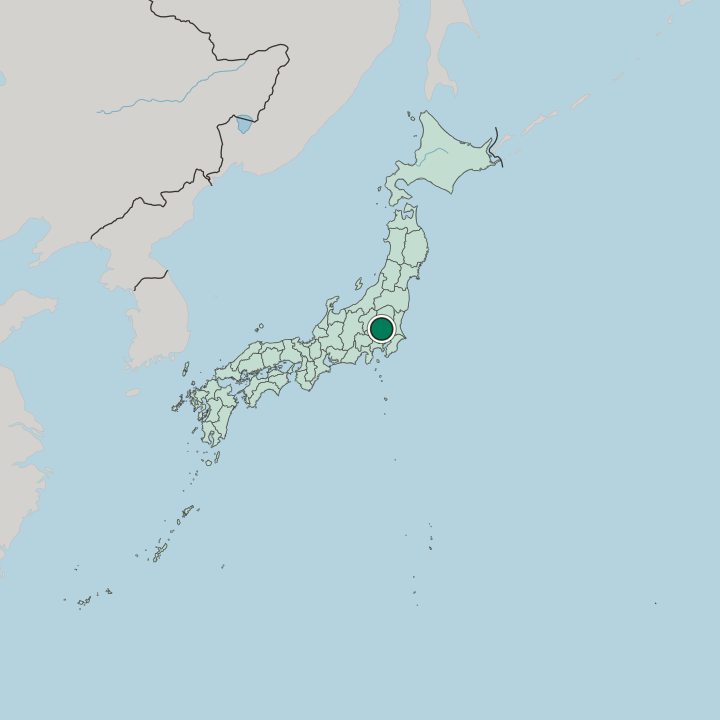
Kazo covers a broad spread of Saitama Prefecture. Its ground carries burial mounds at one end and open water at the other, with Sakitama Kofun Park, the Watarase Nature Center, and the Saitama Aquarium marking points far enough apart to shape a whole itinerary. The middle is streets and workshops.
Musashinomura fills the space between the two ends.
What is the climate of Kazo?
Koinobori belong to the open air. The temperate year of the northern hemisphere gives Kazo a warm stretch when the open ground and the water at the Watarase Nature Center are at their best, and a cold one when they are not. Quiet takes over in the cold months.
The Saitama Aquarium and the Hokusai Art Museum carry those weeks instead.
How do you get to Kazo?
Kazo asks for wheels. The municipality spreads wide enough that the Watarase Nature Center, Sakitama Kofun Park, and the Koga History Museum sit on genuinely different errands, and joining them in a day without a car is optimistic. Musashinomura is the easy one.
The Saitama Aquarium and the Engravings Museum come next in order of trouble.
Common questions
What is the best area to stay in Kazo?
The making quarter: Stays close to the koinobori and Kazo-udon trade. Toward Watarase: Birdwatchers heading for the Watarase Nature Center. Out by the old sites: Slow mornings among the Sakitama mounds and the Kōrinji Site.
Good for
More cities in Saitama-ken
Updated October 2026