Japan · Saitama-ken
Where to Stay in Satte, Saitama-ken
Satte, a city of Saitama Prefecture in Japan, sits within easy reach of Tobu Zoo, the Giant Kite Hall and the Wisteria in Ushijima.
Hotel links are affiliate links: booking through them may earn us a commission, at no extra cost to you. It never affects how places are ranked. How this works


Where to stay in Satte
How the choice of base plays out on the ground.
A stay in Satte is usually a stay near something else. Tobu Zoo, the Tobu Super Pool, Kawasemi and Regina II sit close enough together that a family can spend a whole day inside one gate and still see nothing of the district, which is exactly why beds on that side go first. Quieter plans point elsewhere.
The Giant Kite Hall, the Wisteria in Ushijima and the Kasukabe History Museum belong to a different sort of afternoon, and none of them competes for the same visitor. Satte's stops sit close together. Anyone treating Satte as a base can take in the Kuki City Community Museum, the Satoe Memorial Art Museum of 21st Century and the Museum of Industrial Technology, Nippon Institute of Technology within a single day, and the Chiba Prefectural Sekiyado-jō Museum adds a fourth stop across the prefecture line without much extra effort.
If you want a room on the old highway line rather than beside the parks, look toward the Nikko Kaido guidepost and the Kōrinji Site, where the ground is residential and the traffic is local. The Minomushi Museum and the Wakui Museum fill a wet afternoon. Book by interest, not by address.
Find hotels in Satte
Direct booking searches for these neighbourhoods.
Near Tobu Zoo
The amusement side of the district, where Tobu Zoo, the Tobu Super Pool, Kawasemi and Regina II fill a day behind one gate.Find hotels in Near Tobu Zoothe Giant Kite Hall and the Wisteria in UshijimaThe Kasukabe side
The run that reaches the Giant Kite Hall, the Wisteria in Ushijima and the Kasukabe History Museum in one unhurried afternoon.Find hotels in The Kasukabe sidethe Kuki City Community Museum and the Nippon Institute of Technology collectionsThe Kuki side
Ground pointed at the Kuki City Community Museum and the Museum of Industrial Technology, Nippon Institute of Technology.Find hotels in The Kuki sidethe Nikko Kaido guidepost and the Kōrinji SiteAlong the Nikko Kaido guidepost
The old overland line through Satte, still marked by the Nikko Kaido guidepost and trailing past the Kōrinji Site.Find hotels in Along the Nikko Kaido guidepostHotel links are affiliate links: booking through them may earn us a commission, at no extra cost to you. It never affects how places are ranked. How this works
About Satte
Families come for the amusements.
What is Satte known for?
Tobu Zoo anchors that side of the district, the Tobu Super Pool, Kawasemi and Regina II attach to the same outing, and the Satoe Memorial Art Museum of 21st Century waits a short way off as the quieter alternative. Older Satte shows elsewhere. The Nikko Kaido guidepost, the Kōrinji Site and the Kawadodai Site mark ground that was travelled and settled long before any of it.
What are the main landmarks in Satte?
Satte's landmark list is borrowed as much as owned. Tobu Zoo and the Tobu Super Pool head it, Kawasemi and Regina II are listed alongside them, and the Giant Kite Hall and the Wisteria in Ushijima follow close behind. Art holds the middle.
The Satoe Memorial Art Museum of 21st Century, the Hokusai Art Museum and the Wakui Museum each keep collections within reach, while the Nikko Kaido guidepost and the Minomushi Museum are the small, odd entries that give the roster its character.
What is the history of Satte?
Excavation puts the first mark on this ground. The Kōrinji Site and the Kawadodai Site record occupation well before any administrative name attached to it, and neither has left anything monumental standing above the surface for a visitor to walk around. Overland traffic reshaped it.
The Nikko Kaido guidepost survives from the era when road traffic rather than rail decided which villages grew, and Sakai and Kasukabe kept parallel records of the same centuries, held now in the Sakai Historical Folklore Museum and the Kasukabe History Museum. The modern municipality dates from 1889. What the century after that added was institutions rather than a new settlement pattern, and the list reads accordingly: the Suzuki Kantarō Museum keeps one man's name in local memory, the Chiba Prefectural Sekiyado-jō Museum stands across the prefecture line, and the Wakui Museum and the Hokusai Art Museum hold collections assembled centuries later than the ground they sit on.
Industry got its own record at the Museum of Industrial Technology, Nippon Institute of Technology. The Kuki City Community Museum covers a neighbouring municipality's version of the same story, and the Minomushi Museum belongs to no version of it at all.
Where is Satte?
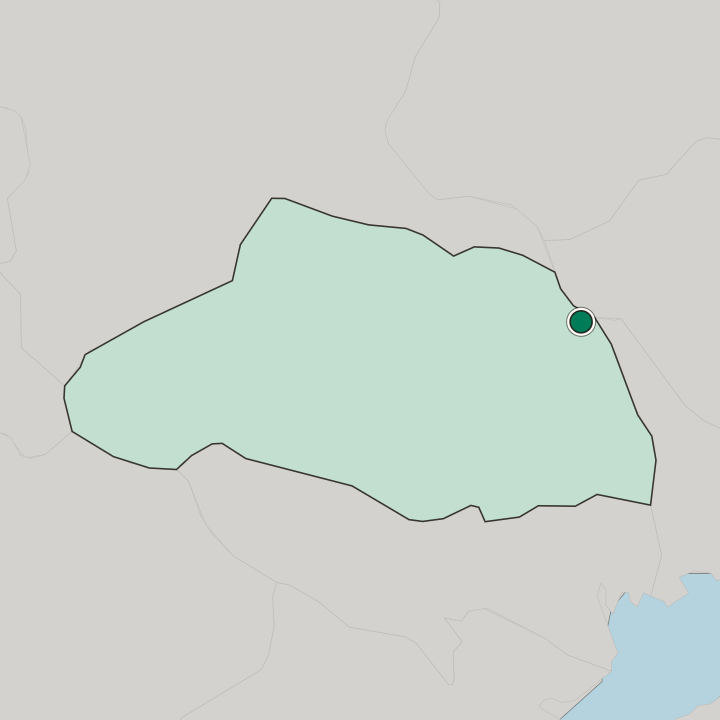
Just under thirty-four square kilometres make up Satte. No relief is recorded inside that outline, and the named ground within it, the Kōrinji Site, the Kawadodai Site, the line still marked by the Nikko Kaido guidepost, reads as points on an even surface rather than as anything shaped by hills. The border matters more.
Chiba Prefecture lies near enough that the Chiba Prefectural Sekiyado-jō Museum and the Sakai Historical Folklore Museum count among Satte's working surroundings, and Kuki City holds its own community museum on another side.
What is the climate of Satte?
Satte's seasons follow the ordinary temperate rhythm of the northern hemisphere, which puts the warmth in the middle of the year and the cold at both ends, leaving the mild margins to spring and autumn. Outdoor plans track that. The Tobu Super Pool belongs to the warm half, the Wisteria in Ushijima to the mild one, and the museum list carries whatever weather is left over.
How do you get to Satte?
Traffic passed through here long before Tobu Zoo. The Nikko Kaido guidepost still stands as a waymarker on the old line, and the modern approach into Satte follows much the same corridor across the level ground of Saitama Prefecture. Chiba Prefecture is next door.
The Chiba Prefectural Sekiyado-jō Museum and the Sakai Historical Folklore Museum sit close enough to fold into an arriving or a departing day.
Common questions
What is the best area to stay in Satte?
Near Tobu Zoo: Tobu Zoo and the Tobu Super Pool. The Kasukabe side: the Giant Kite Hall and the Wisteria in Ushijima. The Kuki side: the Kuki City Community Museum and the Nippon Institute of Technology collections. Along the Nikko Kaido guidepost: the Nikko Kaido guidepost and the Kōrinji Site.
Good for
More cities in Saitama-ken
Updated October 2026