Japan · Saitama-ken
Where to Stay in Yoshikawa, Saitama-ken
Yoshikawa is a small city in Saitama Prefecture, Japan, given municipal form in 1889 and ringed by museums and waterside parks.
Hotel links are affiliate links: booking through them may earn us a commission, at no extra cost to you. It never affects how places are ranked. How this works


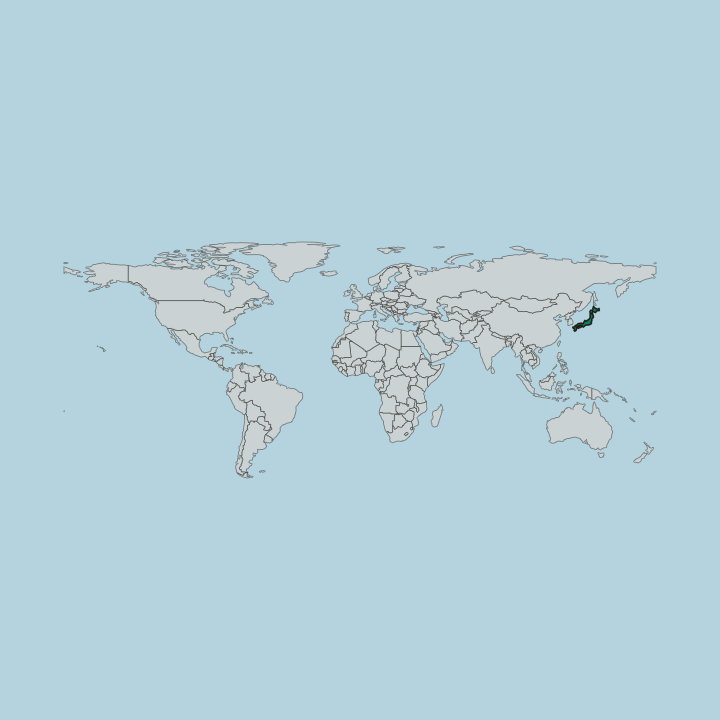
Where to stay in Yoshikawa
How the choice of base plays out on the ground.
Yoshikawa spreads thin. Nothing in the city rises to the scale of a resort quarter, so the sensible way to pick a bed is to name the attraction first and work outward from it, be that a pool, a bird reserve or an excavation. Shirakobato Aquatic Park is the readiest anchor.
A room within reach of it turns the water complex into a morning rather than an expedition, and the Campbelltown Forest of Wild Birds adds a second reason to favour that green edge. Archaeology pulls the other way. The Ikō Archaeological Site Park and the Ikō Archeological Park Exhibition Hall belong together, and a base near them suits a visit built on excavated ground rather than on open water.
The Mitakata Site adds a third such stop. Museums take the traveller past the city limits: the Nagareyama City Museum, the Nagareyama City Shiro Mirin Museum, the Noda City Museum and the Yashio City Museum and Archives all lie in the ring of towns Yoshikawa sits among, with the Mogi-Honke Museum of Art on the same circuit. The Toneunga Koryuukan and the Kamihanawa Institute round out that list.
Mori no Museum sits among them too.
Find hotels in Yoshikawa
Direct booking searches for these neighbourhoods.
Shirakobato Aquatic Park side
Shirakobato Aquatic Park is the one attraction near Yoshikawa that can hold a whole day by itself.Find hotels in Shirakobato Aquatic Park sideBirdwatching stops at the Campbelltown Forest of Wild BirdsCampbelltown Forest of Wild Birds edge
The Campbelltown Forest of Wild Birds keeps its interest through the cool months that empty the Shirakobato Aquatic Park. Few places to stay nearby — book ahead.Find hotels in Campbelltown Forest of Wild Birds edgeTrips pinned to the excavated ground at the Ikō Archaeological Site ParkIkō Archaeological Site Park
The Ikō Archeological Park Exhibition Hall presents what came out of the site park it is named for. Beds are limited here, so book early.Find hotels in Ikō Archaeological Site ParkMuseum circuits taking in the Nagareyama City Museum and the Mogi-Honke Museum of ArtThe Yoshikawa museum ring
The Noda City Museum, the Yashio City Museum and Archives and the Nagareyama City Shiro Mirin Museum ring Yoshikawa rather than sit inside it.Find hotels in The Yoshikawa museum ringHotel links are affiliate links: booking through them may earn us a commission, at no extra cost to you. It never affects how places are ranked. How this works
Things to do in Yoshikawa
Ranked by global recognition; descriptions from Wikidata (CC0).
Museums & Galleries
2- Toneunga Koryuukan
- Ikō Archeological Park Exhibition Hall
Churches & Religious Sites
1- AG Soka Shinsho Church
Castles & Historic Sites
2- Mitakata Site
- 貝の花貝塚
worth knowingacross 3 categories in Yoshikawa
About Yoshikawa
Water and archaeology carry the name.
What is Yoshikawa known for?
Shirakobato Aquatic Park heads the short list of attractions gathered around Yoshikawa, and the Campbelltown Forest of Wild Birds gives the district its other outdoor stop, a woodland reserve rather than a groomed civic garden. Digging supplies the rest. The Ikō Archaeological Site Park preserves excavated ground, and the Ikō Archeological Park Exhibition Hall displays what came out of it.
What are the main landmarks in Yoshikawa?
The recorded sites split three ways. Excavation gives the Ikō Archaeological Site Park, the Mitakata Site and the Ikō Archeological Park Exhibition Hall built to show them; open space gives Shirakobato Aquatic Park and the Campbelltown Forest of Wild Birds. Museums make the third group.
The Mogi-Honke Museum of Art, the Nagareyama City Shiro Mirin Museum and the Kamihanawa Institute stand among the collections gathered in the towns around Yoshikawa, with Mori no Museum and the Toneunga Koryuukan on the same list.
What is the history of Yoshikawa?
Settlement here long predates the city. The Mitakata Site and the Ikō Archaeological Site Park both record occupation on this ground well before any modern boundary was drawn, and Kainohana Shell Mound preserves a shell mound of the same deep order. Municipal Yoshikawa dates from 1889.
Everything the record fixes after that date belongs to a municipality inside Saitama Prefecture, and the older ground survives only as excavated sites rather than as any continuous town history. Museums carry the later story. The Nagareyama City Museum, the Noda City Museum and the Yashio City Museum and Archives each keep the record of a neighbouring municipality, and the Nagareyama City Shiro Mirin Museum narrows that record to a single local product.
Mogi-Honke Museum of Art reads differently. Its name is a family name rather than a municipal one, and the Kamihanawa Institute sits in the same private register within this belt of towns. The mix is unusually museum-heavy.
Yoshikawa keeps its own past outdoors. The Ikō Archeological Park Exhibition Hall holds what the excavations produced, and the Toneunga Koryuukan and Mori no Museum stand with it as small halls through which the surrounding district explains itself.
Where is Yoshikawa?
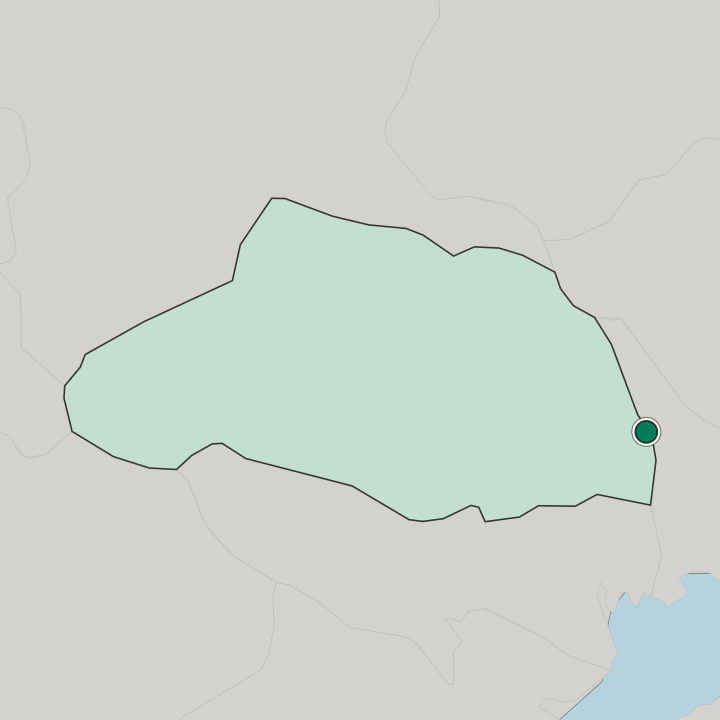
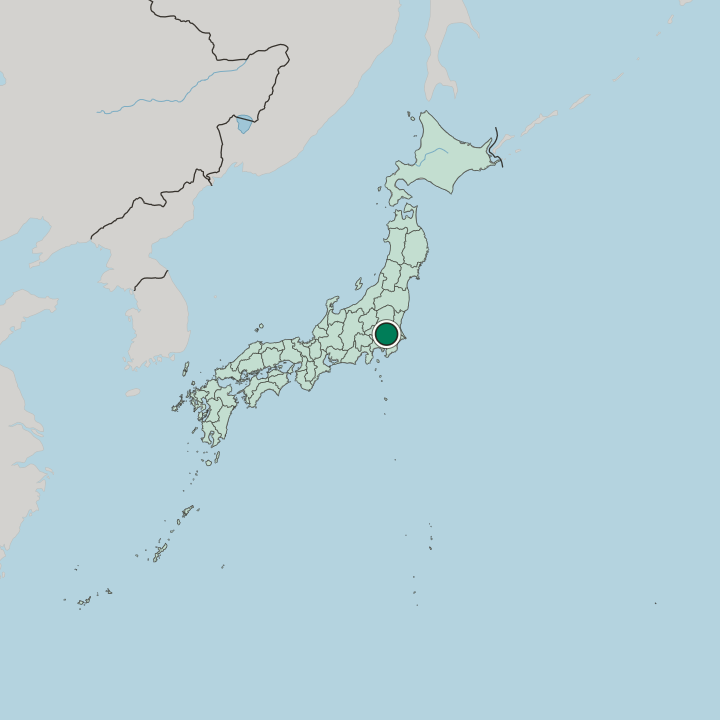
There is not much of Yoshikawa to cover. Just under thirty-two square kilometres make up the whole municipality, which puts every part of it within a short run of every other and leaves no room for a second centre to form. Saitama Prefecture surrounds it.
The Nagareyama City Museum, the Noda City Museum and the Yashio City Museum and Archives all lie close enough to appear on the same list of sites gathered around Yoshikawa, and the temperate band this part of Japan falls in rules out both tropical heat and hard polar cold.
What is the climate of Yoshikawa?
Seasons govern what is open. Shirakobato Aquatic Park is water in the open air, so its useful season follows the warm half of the temperate year that this part of Japan keeps, and the cold half closes it off. The Campbelltown Forest of Wild Birds turns the other way.
Its appeal is the birds rather than the heat, which makes it a cool-season option in a way the pool cannot be, while the museums around Yoshikawa keep the same hours whatever the sky does.
How do you get to Yoshikawa?
Everything here arrives overland. Yoshikawa holds a compact patch of Saitama Prefecture, close enough to its neighbours that the Nagareyama City Museum, the Noda City Museum and the Yashio City Museum and Archives all sit within an ordinary day of travel. Nothing sits far from anything else.
Shirakobato Aquatic Park, the Campbelltown Forest of Wild Birds and the Ikō Archaeological Site Park can be strung together without leaving the district, and the Mogi-Honke Museum of Art extends the same loop by a little.
Common questions
What is the best area to stay in Yoshikawa?
Shirakobato Aquatic Park side: Days built around the open-air water at Shirakobato Aquatic Park. Campbelltown Forest of Wild Birds edge: Birdwatching stops at the Campbelltown Forest of Wild Birds. Ikō Archaeological Site Park: Trips pinned to the excavated ground at the Ikō Archaeological Site Park. The Yoshikawa museum ring: Museum circuits taking in the Nagareyama City Museum and the Mogi-Honke Museum of Art.
Good for
More cities in Saitama-ken
Updated October 2026