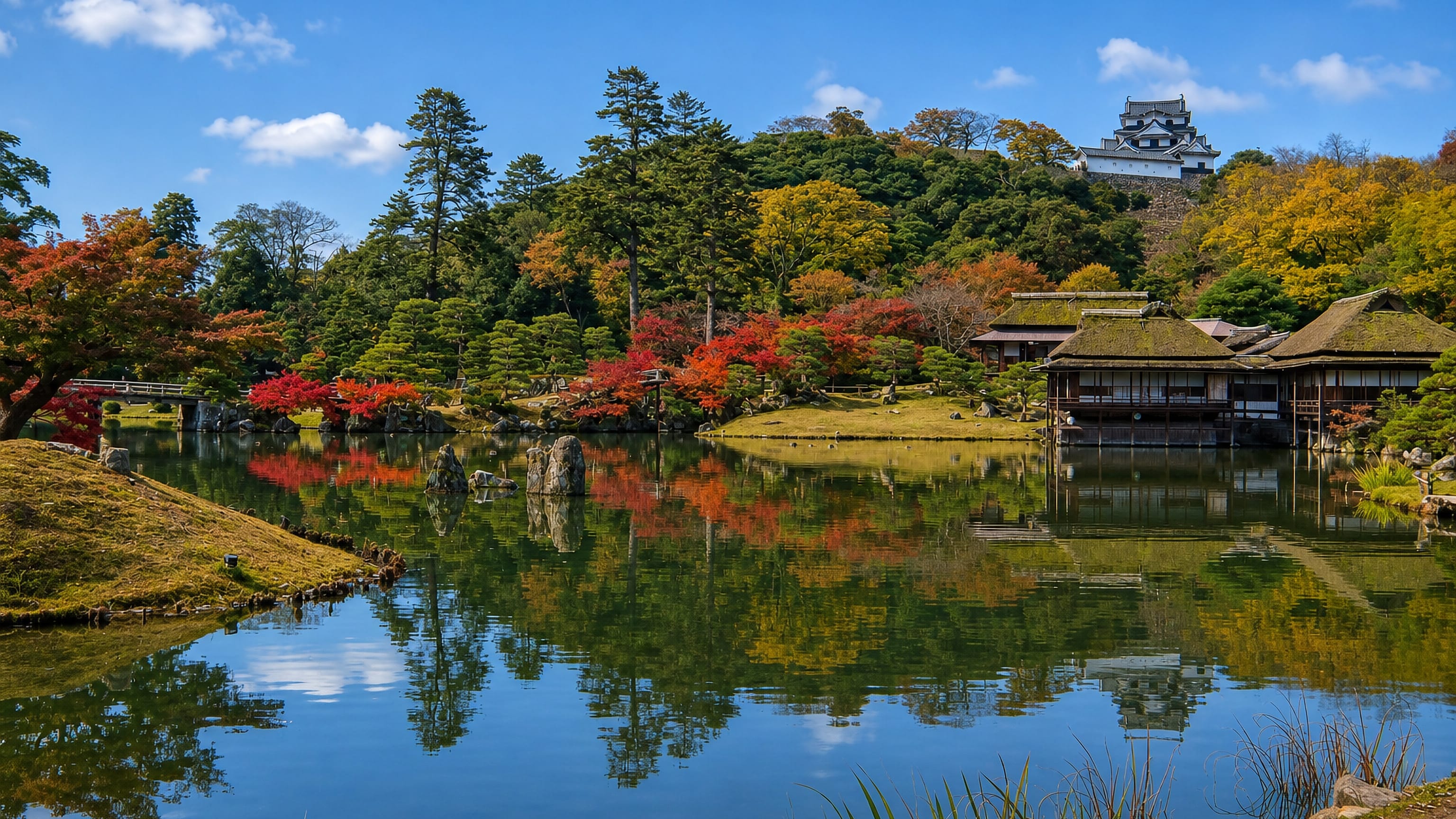
Japan · Shiga
Where to Stay in Hikone, Shiga
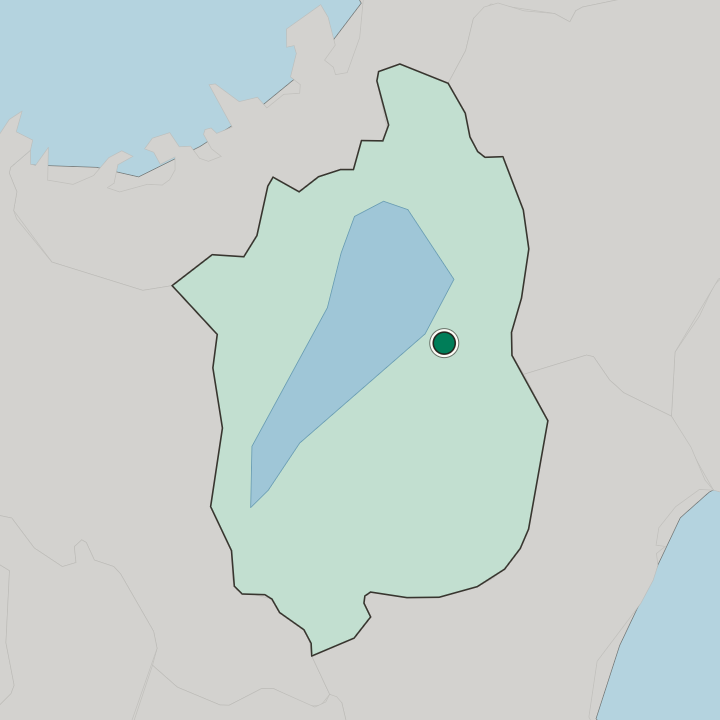
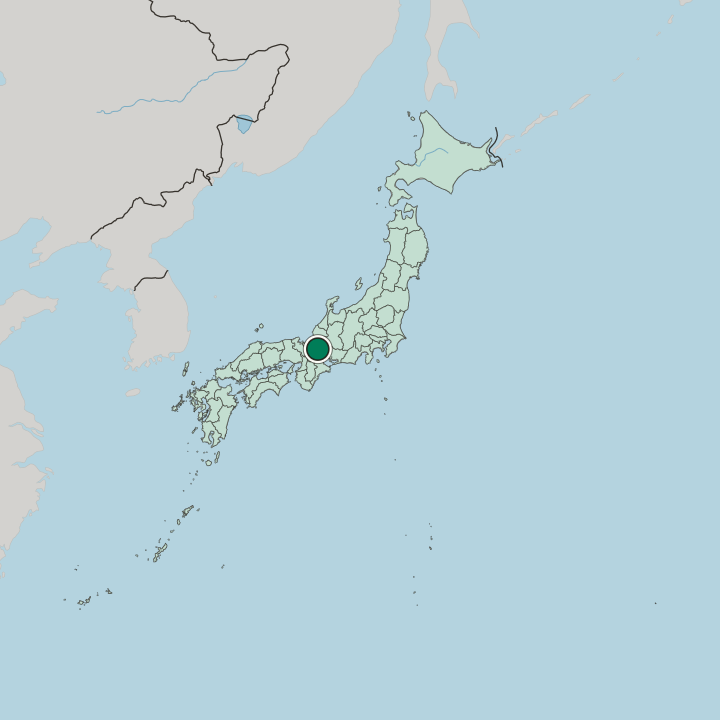
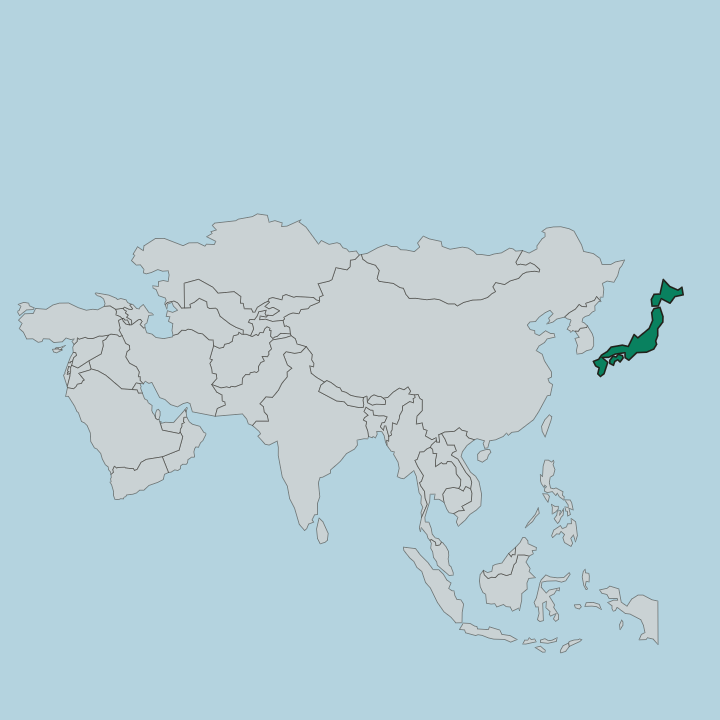
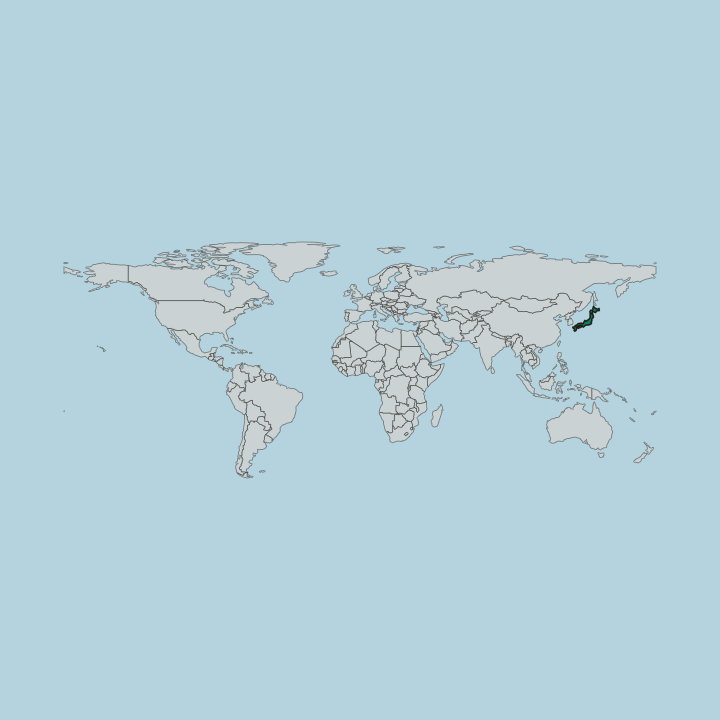
Hikone stands at the eastern edge of Lake Biwa in Shiga Prefecture, central Japan, with the Hikone Castle Museum and Umoreginoya at its centre.
Hotel links are affiliate links: booking through them may earn us a commission, at no extra cost to you. It never affects how places are ranked. How this works


Where to stay in Hikone
Where visitors usually base themselves, and why.
Lake Biwa fixes the better address. A room on the lake side gives the water at both ends of the day, and in a city this size that is a genuinely different stay from one three streets back. The castle side is the other candidate.
Hikone Castle Museum, Umoreginoya and the church at Hikone Church of the United Church of Christ in Japan fall on the town's heritage circuit, and a base among them shortens every walk a first visit involves. Both options keep the walking short. Sawayama Yuen and the Archival Museum, Faculty of Economics, Shiga University belong to the second day rather than the first.
A traveller with only one night should let the lake and the castle museum have it, because those two carry the reason Hikone appears on an itinerary at all. The Hikone Castle Museum and the lakeshore sit close enough that one bed serves both, which keeps the choice simpler than it first appears. Distance is the quiet trap.
The municipality runs to nearly two hundred square kilometres, so an address chosen on cost alone can put Lake Biwa a good deal further away than the city's name suggests. Hikone rewards a slow second morning.
Find hotels in Hikone
Direct booking searches for these neighbourhoods.
The Lake Biwa shore
Hikone's lakeshore is the one address where the lake is the view rather than a detourFind hotels in The Lake Biwa shoreFirst visits walking the castle museum, Umoreginoya and Hikone Church of the United Church of Christ in JapanThe Hikone Castle Museum quarter
Hikone's heritage circuit tightens around the castle museum, which shortens every walk of a short stayFind hotels in The Hikone Castle Museum quarterSecond days reaching Sawayama Yuen and the Shiga University archival museumOut towards Sawayama Yuen
Both sit off the lakeshore-and-castle line, which suits a stay with a spare morning in itFind hotels in Out towards Sawayama YuenHotel links are affiliate links: booking through them may earn us a commission, at no extra cost to you. It never affects how places are ranked. How this works
About Hikone
Lake Biwa does half the work.
What is Hikone known for?
Hikone sits at its eastern edge, and that single fact explains the shape of the city, the direction of its views and the reason travellers stop here rather than further inland. The castle does the rest. Hikone Castle Museum holds the record of the castle the city is built around, while Umoreginoya and Sawayama Yuen give an afternoon two more places to go.
What are the main landmarks in Hikone?
Five entries carry the list, and none of them is the lake. Hikone Castle Museum comes first. Umoreginoya and Sawayama Yuen follow as the two names a visitor is least likely to recognise, and Hikone Church of the United Church of Christ in Japan puts a church on a roster otherwise made of secular rooms.
The university supplies the fifth. Archival Museum, Faculty of Economics, Shiga University is exactly what its name says, and a visitor drawn to paper rather than architecture will find it the most rewarding stop of the five.
What is the history of Hikone?
The castle came before the city. Hikone Castle Museum exists because there is a castle to document, and a fortress at the eastern edge of Lake Biwa is the kind of asset a town organises itself around for centuries afterwards. Umoreginoya belongs to the older town.
A house kept under its own name rather than absorbed into a museum tells a visitor that the people who lived in it are still part of how the town explains itself. Modern Hikone is younger than it looks. City status arrived in 1937, which is late for a place with a castle museum and a house kept under its own name, and the gap between those dates is the most interesting thing the record contains.
Newer institutions followed. Hikone Church of the United Church of Christ in Japan and the Archival Museum, Faculty of Economics, Shiga University belong to the civic layer rather than the feudal one, which gives the city's heritage list two clearly separate halves. Sawayama Yuen sits apart from all of it.
Whatever Hikone was before the castle, the surviving list begins with the fortification and never quite escapes it, which is as much as the record will honestly support.
Where is Hikone?
The lake is the fixed point. Hikone occupies the eastern edge of Lake Biwa in Shiga Prefecture, which puts open water along one side of the city and ordinary country along the other. Nearly two hundred square kilometres make up the municipality.
That is enough to place Sawayama Yuen and the lakeshore in different halves of a day, and enough that a visitor without transport should think about where a bed actually sits.
What is the climate of Hikone?
Lake Biwa moderates the year. A body of water that size holds its temperature against the land beside it, so the eastern edge of the lake feels a temperate year less sharply than ground further inland in central Japan. Rain is the real variable.
Hikone Castle Museum and the Archival Museum, Faculty of Economics, Shiga University take a wet afternoon, and Sawayama Yuen is the one entry that genuinely wants a dry sky.
How do you get to Hikone?
Hikone lies at the eastern edge of Lake Biwa, so the water is part of the approach as well as the stay. The lakeside core is tightly drawn. Hikone Castle Museum, Umoreginoya and Hikone Church of the United Church of Christ in Japan fall within walking range of one another, which means a visitor without a car loses very little of the city.
Sawayama Yuen and the Archival Museum, Faculty of Economics, Shiga University sit further out, and reaching them across nearly two hundred square kilometres of municipality is where transport starts to matter.
Common questions
What is the best area to stay in Hikone?
The Lake Biwa shore: Water at both ends of the day on the eastern edge of Lake Biwa. The Hikone Castle Museum quarter: First visits walking the castle museum, Umoreginoya and Hikone Church of the United Church of Christ in Japan. Out towards Sawayama Yuen: Second days reaching Sawayama Yuen and the Shiga University archival museum.
Good for
More cities in Shiga
Updated September 2026