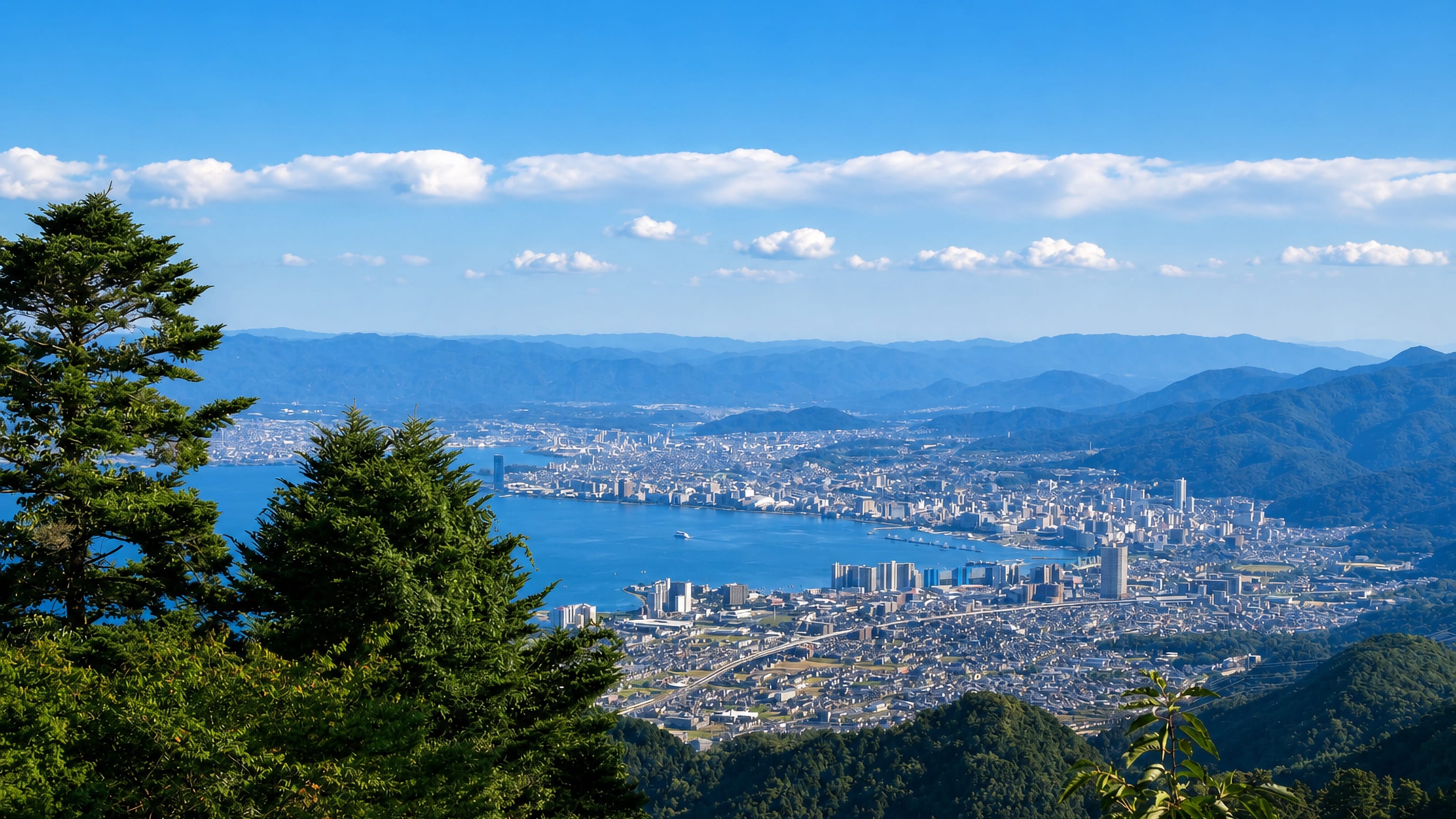
Japan · Shiga
Where to Stay in Ōtsu, Shiga
Ōtsu is the capital of Shiga Prefecture in Japan, keeping Ōmi Jingū, the Ōtsu-e Art Museum and the Otsu City Museum of History.
Hotel links are affiliate links: booking through them may earn us a commission, at no extra cost to you. It never affects how places are ranked. How this works


Where to stay in Ōtsu
Where visitors usually base themselves, and why.
Otsu Station is the default. A monument stands on its platform, and a room taken near the station puts a traveller inside the prefectural capital with the rail question settled before anything else has to be decided. Ōmi Jingū is the alternative. The Clock Museum and Treasure House belongs to the shrine, and a base out that way swaps station convenience for a religious site at the door.
Museums settle the rest. The Otsu City Museum of History, the Kinoshita Museum of Art and the Museum of Shiga Prefecture Biwako-Bunkakan differ enough in subject that a stay is best planned around whichever of them prompted the trip. Ōtsu covers a great deal of ground. The municipality has held city rank since 1889 and takes in a wide stretch of Shiga Prefecture, so an address picked at random can leave a visitor commuting within the city instead of walking it.
Two nights work well here. One belongs to the Ōtsu-e Art Museum and the Setsuko Mitsuhashi Memorial Museum, the other to Ōmi Jingū and whatever the day outdoors allows.
Find hotels in Ōtsu
Direct booking searches for these neighbourhoods.
By Otsu Station
The station end settles transport first and leaves the museums for the daytimeFind hotels in By Otsu StationGuests pairing the shrine with its Clock Museum and Treasure HouseToward Ōmi Jingū
Sleeping near Ōmi Jingū makes an early hour at the shrine possible before the day fills. Few places to stay nearby — book ahead.Find hotels in Toward Ōmi JingūTrips built on the Ōtsu-e Art Museum and the Kinoshita Museum of ArtThe museum side
Ōtsu's collections, prefectural and private alike, are what fills more than one day hereFind hotels in The museum sideHotel links are affiliate links: booking through them may earn us a commission, at no extra cost to you. It never affects how places are ranked. How this works
About Ōtsu
What is Ōtsu known for?
A prefectural capital sets the tone. Ōtsu carries the administrative weight of Shiga Prefecture together with the museum list that comes with it, running from the Museum of Shiga Prefecture Biwako-Bunkakan to the Otsu City Museum of History. One name is purely local. The Ōtsu-e Art Museum takes up a tradition named after the city itself, and the Clock Museum and Treasure House at Ōmi Jingū pairs a shrine with a collection few visitors expect.
What are the main landmarks in Ōtsu?
Seven entries make the list, and six are museums. The Museum of Shiga Prefecture Biwako-Bunkakan, the Otsu City Museum of History and the Kinoshita Museum of Art take the broad subjects, while the Ōtsu-e Art Museum and the Setsuko Mitsuhashi Memorial Museum narrow to one tradition and one person. The last is tiny.
A monument stands on a platform at Otsu Station, which is an odd thing to find listed beside the Clock Museum and Treasure House at Ōmi Jingū.
What is the history of Ōtsu?
The city dates from 1889. That is the municipal frame rather than the history inside it, and the Otsu City Museum of History exists precisely because the second reaches a great deal further back than the first. Ōmi Jingū holds the older register. Its treasure house keeps what a shrine gathers over generations, and the clock collection standing alongside it is an addition of an entirely different order.
An art form carries the city's name. The Ōtsu-e Art Museum is where that tradition is set out, and a style attaching itself to a place rather than to a workshop or a master is unusual enough to justify the stop by itself. Private collections fill in the gaps.
The Setsuko Mitsuhashi Memorial Museum and the Kinoshita Museum of Art turn personal attachments into public rooms, while the Museum of Shiga Prefecture Biwako-Bunkakan answers to a prefectural remit instead of a municipal one. Ōtsu is the capital of Shiga Prefecture. That rank explains why institutions on the prefectural scale sit inside a city that would not otherwise hold them, and why the record kept here reads as considerably more than local. Even the platform at Otsu Station has its monument.
Where is Ōtsu?
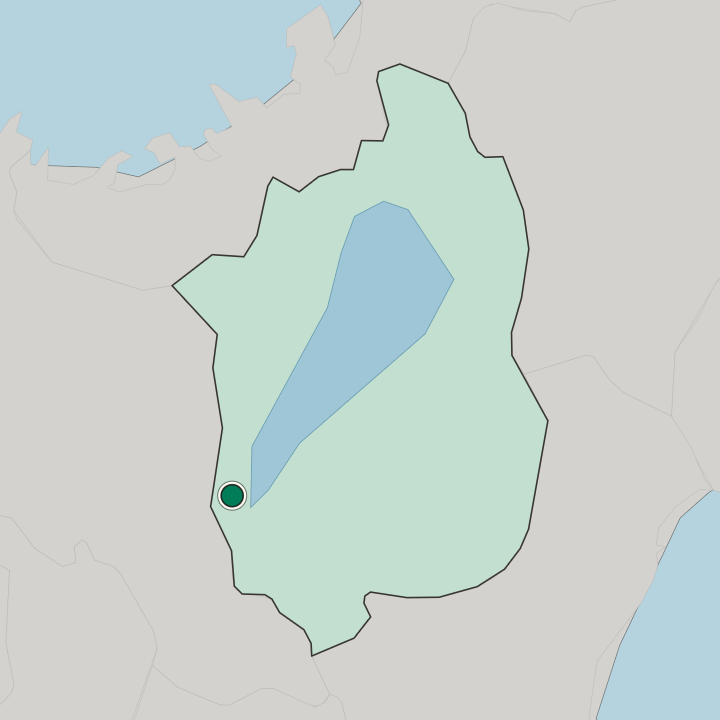
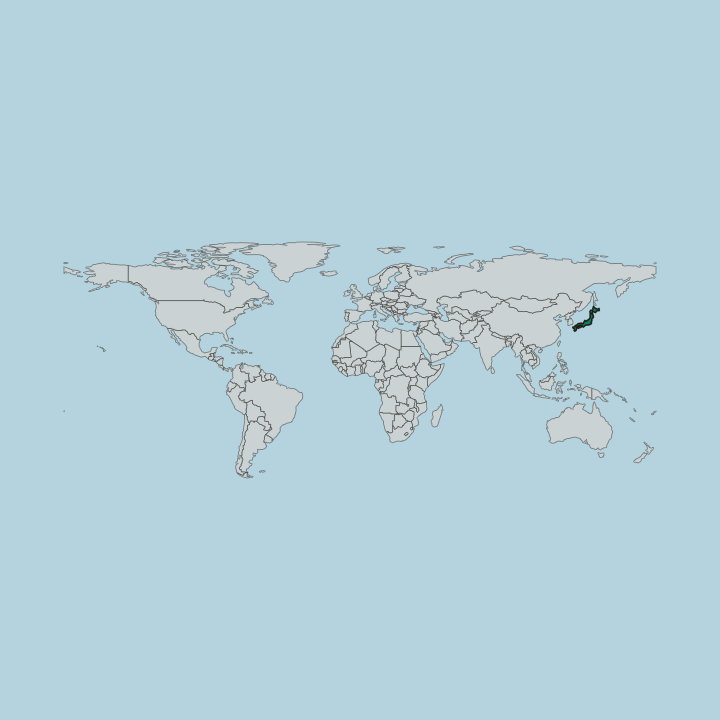
Ōtsu runs a long way. The municipality takes in a wide stretch of Shiga Prefecture, so a visitor can fill an entire day without once leaving the built-up ground around Otsu Station. Its rank is administrative.
As prefectural capital it carries institutions like the Museum of Shiga Prefecture Biwako-Bunkakan, which a city of this footprint would not otherwise hold. The temperate band gives the year its shape.
What is the climate of Ōtsu?
Four seasons come through clearly. A temperate band delivers all of them to Ōtsu, which makes the approach to Ōmi Jingū a different proposition in deep summer heat from what it becomes under winter cloud. Museums cover the gaps.
The Kinoshita Museum of Art, the Ōtsu-e Art Museum and the Otsu City Museum of History take a wet day off a visitor's hands completely.
How do you get to Ōtsu?
Otsu Station is the arrival point. A monument on the platform marks the spot, and anyone stepping off a train there stands inside the capital of Shiga Prefecture rather than at some outlying edge of it. The city extends well past it. Ōmi Jingū and the Museum of Shiga Prefecture Biwako-Bunkakan are not station errands, so covering both makes internal transport part of the plan rather than an afterthought.
Common questions
What is the best area to stay in Ōtsu?
By Otsu Station: Arrivals who want the platform monument and the trains at the door. Toward Ōmi Jingū: Guests pairing the shrine with its Clock Museum and Treasure House. The museum side: Trips built on the Ōtsu-e Art Museum and the Kinoshita Museum of Art.
Good for
More cities in Shiga
Updated September 2026