Japan · Shiga
Where to Stay in Rittō, Shiga
Rittō is a Shiga Prefecture city known to Japanese horse racing for a Japan Racing Association training centre and the jockey Yutaka Take.
Hotel links are affiliate links: booking through them may earn us a commission, at no extra cost to you. It never affects how places are ranked. How this works


Where to stay in Rittō
How the choice of base plays out on the ground.
The training centre fixes one end of Rittō. A stay near the Japan Racing Association ground suits anyone whose trip is built on the horses, and the Rittō History Museum is the nearest thing to a sight on that same side of the city. Shiga Prefecture supplies the rest. The Miho Museum, the Sagawa Art Museum, and the Shiga Museum of Art are the collections a visitor crosses the prefecture for, and none of them asks for a base in the city itself.
Lake Biwa pulls the other way, and the Lake Biwa Museum and the Museum of Shiga Prefecture Biwako-Bunkakan both take the water as their subject. Old road stops make a third option. Ishibe-shukuba-no-sato, the Kusatsu-Juku Honjin, and the Kusatsu-juku Kaidō Kōryūkan all carry the names of old post stations on the highway that ran through this part of Shiga Prefecture.
Archaeology sits further out. The Awazu Shell Mound and the Akanoiwan Site belong to the oldest layer on the register, while the Ise Site and Ōmi Kokuchō carry the Ōmi name from long before Ritto Town existed. You want the training-centre side if the horses are the point; the museum runs and the old post stations suit anyone else.
Find hotels in Rittō
Direct booking searches for these neighbourhoods.
Japan Racing Association training centre side
The training centre is the working half of the city, and the Rittō History Museum is the only collection standing on that side of it.Find hotels in Japan Racing Association training centre sidewalkers linking the Kusatsu-Juku Honjin with Ishibe-shukuba-no-satoKusatsu-juku post stations
The Kusatsu-juku Kaidō Kōryūkan sets out the highway these preserved post-station buildings once served. Lodging is scarce in this area; reserve in advance.Find hotels in Kusatsu-juku post stationsruns taking in the Lake Biwa Museum and the Sagawa Art MuseumLake Biwa museums
The Lake Biwa Museum and the Museum of Shiga Prefecture Biwako-Bunkakan both work on the lake rather than on Ritto Town itself.Find hotels in Lake Biwa museumsHotel links are affiliate links: booking through them may earn us a commission, at no extra cost to you. It never affects how places are ranked. How this works
Things to do in Rittō
Ranked by global recognition; descriptions from Wikidata (CC0).
Museums & Galleries
2- Sagawa Art Museum
- Ishibe Historical Museum
Castles & Historic Sites
3- Ise Site Heritage
- Awazu Shell Mound
- Akanoiwan Site
Parks & Gardens
1- Ishibe-shukuba-no-sato
worth knowingacross 3 categories in Rittō
About Rittō
Horse racing puts Rittō on the map.
What is Rittō known for?
One of the two Japan Racing Association training centres stands here, and the jockey brothers Yutaka Take and Koshiro Take were born in the city, which is what racing followers know it for. Museums cover the rest. The Rittō History Museum handles the local record, while the Miho Museum, the Sagawa Art Museum, and the Shiga Museum of Art sit on the wider register gathered around the city. Ōmi Kokuchō and the Ise Site are the older entries.
What are the main landmarks in Rittō?
Nineteen sites make the register. The Miho Museum, the Sagawa Art Museum, and the Shiga Museum of Art carry the art side, while the Lake Biwa Museum and the Ōtsu City Science Museum take the natural and scientific end. Local history has its own set: the Rittō History Museum, the Ishibe Historical Museum, the Yasu City History and Folk Museum, and the Moriyama City Archaeological Culture Center.
Older ground follows. The Awazu Shell Mound, the Akanoiwan Site, the Ise Site, and Ōmi Kokuchō are the archaeological entries, and the Zeze-yaki Museum and Zeze Domain Museum close the list.
What is the history of Rittō?
Ritto Town is the older name on record. The city dates from 1954, and everything before it belongs to Ōmi, the older name that Ōmi Kokuchō still carries. Settlement here is much older than either name, and the Awazu Shell Mound and the Akanoiwan Site are the evidence the register keeps of the people who worked the ground around Lake Biwa.
The Ise Site adds to it. Highway traffic shaped the later centuries, and Ishibe-shukuba-no-sato, the Kusatsu-Juku Honjin, and the Kusatsu-juku Kaidō Kōryūkan all preserve or explain the post stations that served it. Racing is the modern chapter.
One of the two Japan Racing Association training centres works here, and the jockeys Yutaka Take and Koshiro Take were born in the city, which is the reason its name travels beyond Shiga Prefecture. Museums came later still. The Rittō History Museum keeps the town's own account, and the Miho Museum, the Sagawa Art Museum, and the Lake Biwa Museum belong to a much wider Shiga Prefecture register that grew up around it.
The Ishibe Historical Museum and the Yasu City History and Folk Museum do the same work for neighbouring ground.
Where is Rittō?
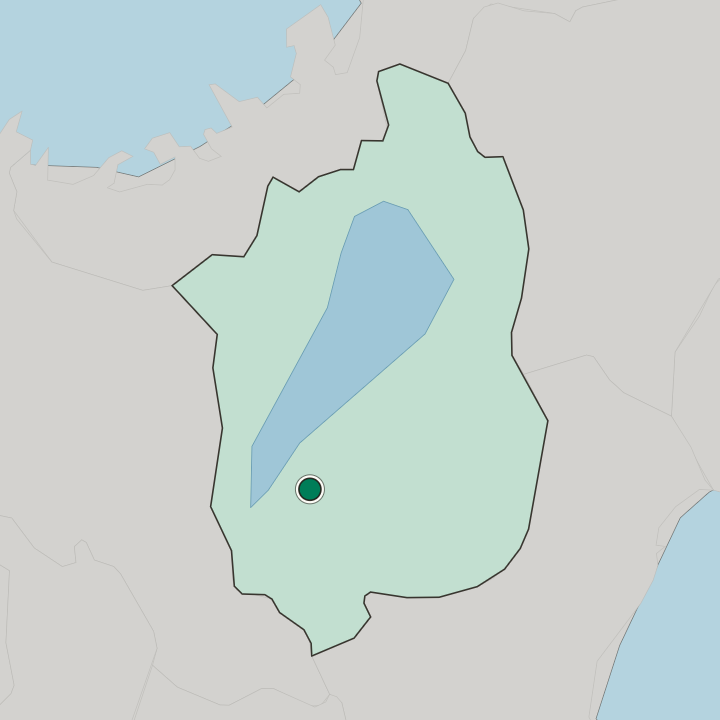
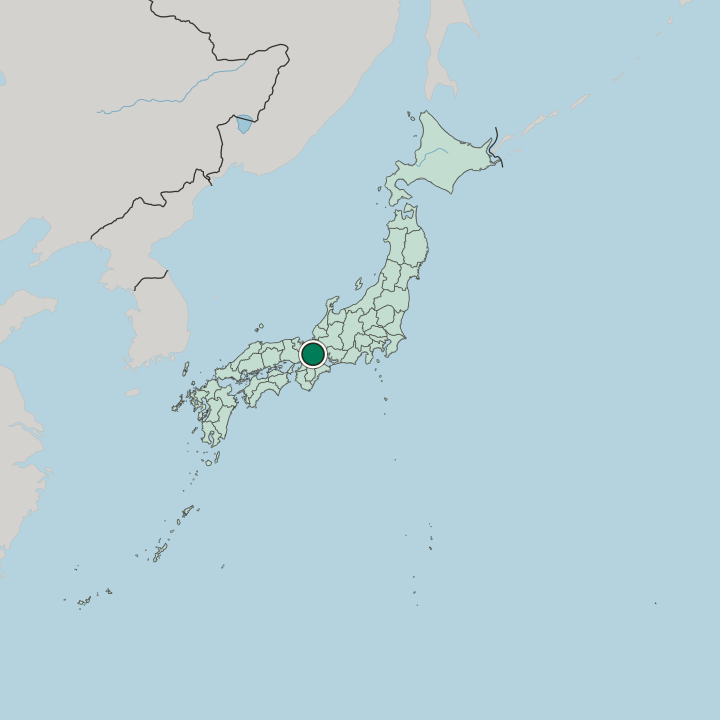
Shiga Prefecture is the setting. Rittō covers a compact fifty-odd square kilometres, small enough that the Japan Racing Association centre and the Rittō History Museum sit within the same short compass of streets. Lake Biwa gives the wider region its subject, and the Lake Biwa Museum and the Museum of Shiga Prefecture Biwako-Bunkakan both work on the lake.
The temperate band of Japan runs through. Around the city, the ground carries the Awazu Shell Mound, the Ise Site, and Ōmi Kokuchō at points that predate any modern boundary.
What is the climate of Rittō?
Four seasons divide the year in this temperate part of Japan, and Rittō takes hot, humid summers and a genuine cold season along with the rest of Shiga Prefecture. Open-air ground feels it most. The Awazu Shell Mound, the Ise Site, and Ishibe-shukuba-no-sato are outdoor visits, and the season decides how comfortable a walk between them is.
The Miho Museum and the Sagawa Art Museum answer for the rest of the calendar.
How do you get to Rittō?
The old post road is the historic answer. Ishibe-shukuba-no-sato and the Kusatsu-Juku Honjin mark stops on the highway that carried travellers across this part of Shiga Prefecture, and the Kusatsu-juku Kaidō Kōryūkan explains how the traffic worked. Modern arrivals come through Shiga Prefecture.
Rittō is small enough to cross quickly once a traveller is inside it, though the Miho Museum and the Lake Biwa Museum both sit out in the wider prefecture and need transport of their own.
Common questions
What is the best area to stay in Rittō?
Japan Racing Association training centre side: visitors whose reason for Rittō is the Japan Racing Association centre. Kusatsu-juku post stations: walkers linking the Kusatsu-Juku Honjin with Ishibe-shukuba-no-sato. Lake Biwa museums: runs taking in the Lake Biwa Museum and the Sagawa Art Museum.
Good for
More cities in Shiga
Updated October 2026