Japan · Shiga
Where to Stay in Kusatsu, Shiga
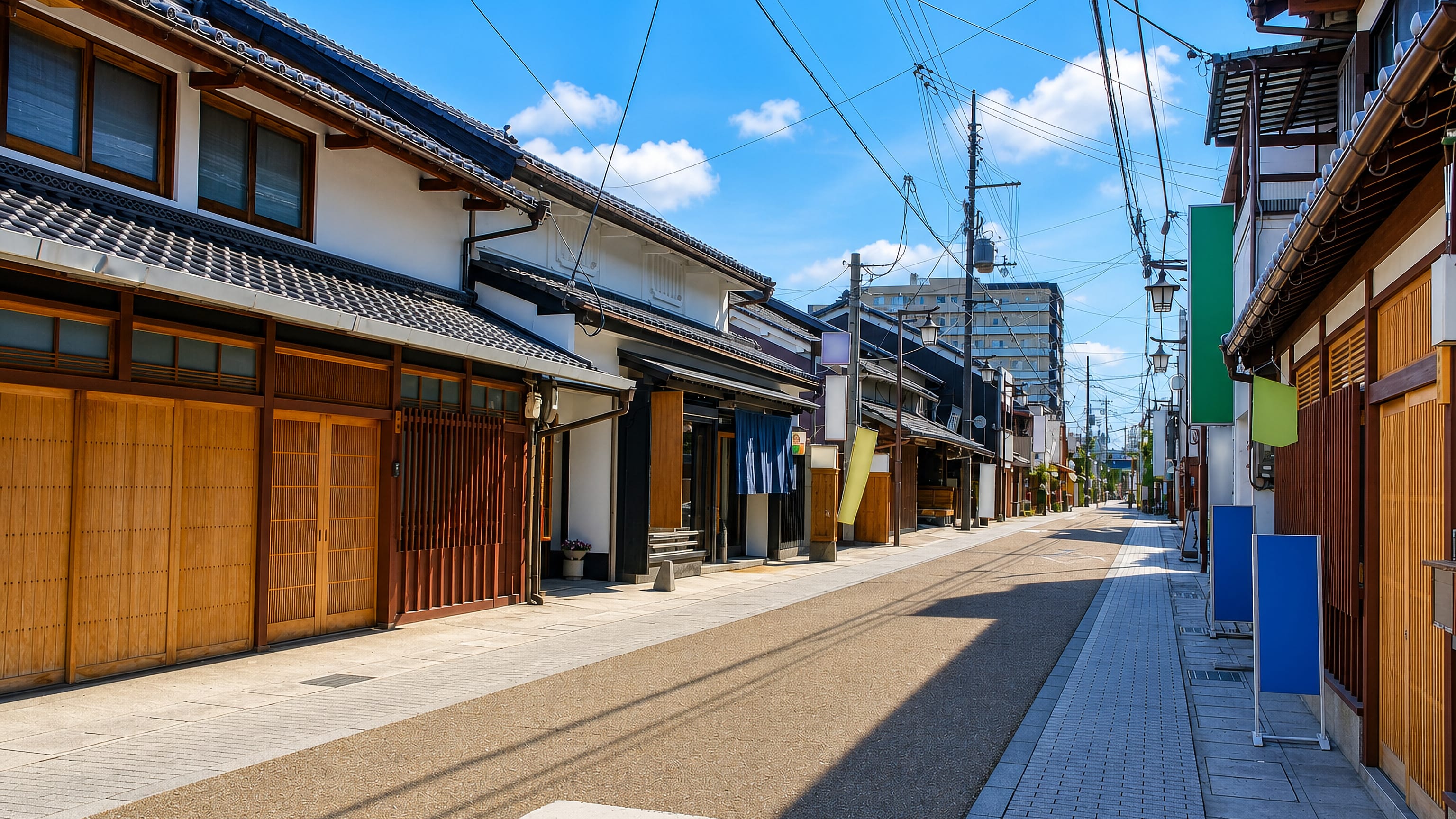
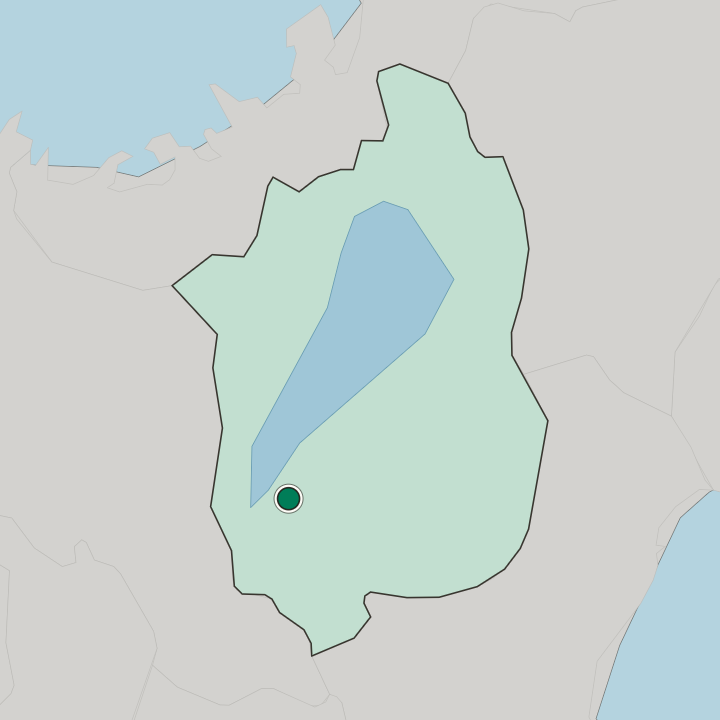
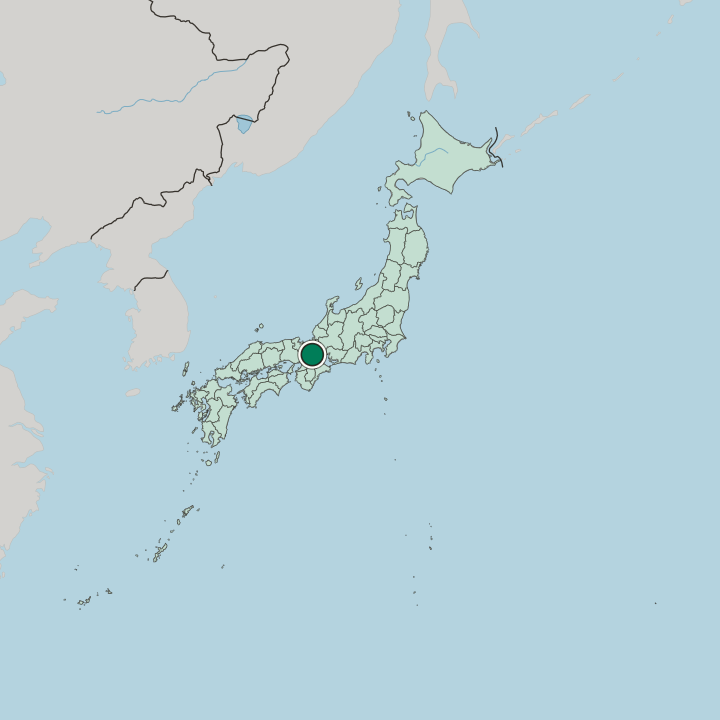
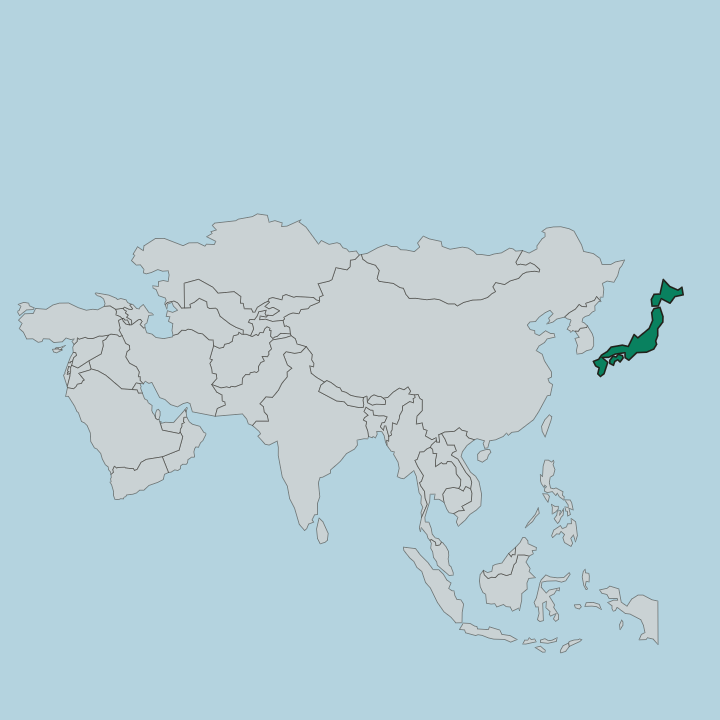
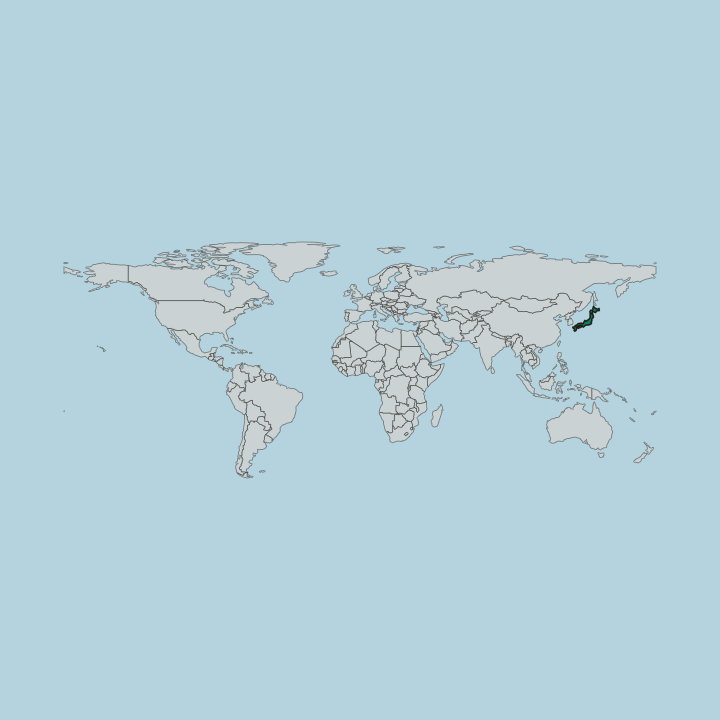
Kusatsu lies on Lake Biwa in Shiga Prefecture, Japan, keeping the Kusatsu-Juku Honjin of its post-town past and the Lake Biwa Museum nearby.
Hotel links are affiliate links: booking through them may earn us a commission, at no extra cost to you. It never affects how places are ranked. How this works


Where to stay in Kusatsu
Where the beds are, and what that means for the visit.
Kusatsu-Juku Honjin marks the old centre. A bed near it puts the Kusatsu-juku Kaidō Kōryūkan and the surviving post-town fabric within a few minutes on foot, which is the whole of what the city itself asks a visitor to see. The lake is the other pole.
Lake Biwa runs along the city, and a room facing the water suits anyone treating Kusatsu as a base for the Lake Biwa Museum and the museum belt beyond it rather than as a destination in its own right. Sixty-eight square kilometres is not much ground. Neighbouring towns hold most of the art.
Sagawa Art Museum, the Shiga Museum of Art, the Miho Museum and the Ōtsu-e Art Museum are spread across Shiga Prefecture rather than gathered in one street, so a stay here works as a hub for day trips instead of a walking holiday. Ōtsu is the obvious partner. Otsu City Museum of History and the Ōtsu City Science Museum fill a full day between them, and Yasu, Moriyama, Rittō and Ishibe each add one more. Ōmi Kokuchō and the Awazu Shell Mound reward a driver. Nothing about this needs a lakeside room.
Find hotels in Kusatsu
Direct booking searches for these neighbourhoods.
Beside Kusatsu-Juku Honjin
The Honjin and the Kusatsu-juku Kaidō Kōryūkan are the two things this city keeps for itselfFind hotels in Beside Kusatsu-Juku HonjinLake mornings ahead of a day inside the Lake Biwa MuseumThe Lake Biwa frontage
Lake Biwa runs along Kusatsu, and only this side turns that into a view rather than a factFind hotels in The Lake Biwa frontageDay trips out to the Miho Museum, Sagawa Art Museum and ŌtsuCentral rooms for the Shiga museum circuit
Kusatsu's compact ground makes it a workable hub for collections scattered across Shiga PrefectureFind hotels in Central rooms for the Shiga museum circuitHotel links are affiliate links: booking through them may earn us a commission, at no extra cost to you. It never affects how places are ranked. How this works
Things to do in Kusatsu
Ranked by global recognition; descriptions from Wikidata (CC0).
Museums & Galleries
3- Kusatsu-Juku Honjin Heritage
- Sagawa Art Museum
- Kinoshita Museum of Art
Churches & Religious Sites
1- 日本基督教団堅田教会
Castles & Historic Sites
3- Ise Site Heritage
- Awazu Shell Mound
- Akanoiwan Site
Parks & Gardens
1- Ishibe-shukuba-no-sato
worth knowingacross 4 categories in Kusatsu
About Kusatsu
Two cities share the name.
What is Kusatsu known for?
This one lies on Lake Biwa in Shiga Prefecture and is regularly confused with the Kusatsu in Gunma Prefecture, which is a hot spring resort and an entirely different proposition. The road made this one. Kusatsu-Juku Honjin and the Kusatsu-juku Kaidō Kōryūkan preserve the machinery of a post town, and the Lake Biwa Museum takes on the lake itself.
What are the main landmarks in Kusatsu?
Twenty-five entries crowd the list, and most of them are museums. Kusatsu-Juku Honjin is the exception that matters. It and the Kusatsu-juku Kaidō Kōryūkan record the post town, while Ishibe-shukuba-no-sato does the same job for another stop on the list.
Older ground appears further down. Awazu Shell Mound, the Ise Site, the Akanoiwan Site and Ōmi Kokuchō carry the archaeology, while the Lake Biwa Museum and the Miho Museum show how wide the rest of the roster spreads. The Clock Museum and Treasure House, Ōmi Jingū is the oddest name on it.
What is the history of Kusatsu?
The shell mound comes first in the record. Awazu Shell Mound, the Ise Site and the Akanoiwan Site put people beside Lake Biwa long before any of the names on a modern map existed, which is the deepest layer anything in Shiga Prefecture can offer. Administration followed much later. Ōmi Kokuchō marks a provincial administrative seat, and an office of that kind is the point at which a district stops being simply inhabited and starts being governed.
The post town made the modern place. Kusatsu-Juku Honjin is the surviving core of that trade, and the Kusatsu-juku Kaidō Kōryūkan exists to explain a highway economy that shaped the town. City status is recent by comparison with all of that.
Kusatsu City took its municipal form in 1954, long after the road business that gave it a reason to exist and long after the shell mound too. Confusion is part of the record as well. The Kusatsu in Gunma Prefecture, a hot spring resort, has taken most of the name's fame with it, and a traveller booking without checking the prefecture can end up in the wrong one entirely.
Where is Kusatsu?
Lake Biwa gives the city its one large fact. Japan's largest freshwater lake runs along Kusatsu, and a municipality of sixty-eight square kilometres beside water on that scale is bound to face it. The rest is ordinary ground.
Awazu Shell Mound and the Ise Site sit out in it, and the temperate band delivers the four seasons a visitor would expect anywhere in Shiga Prefecture.
What is the climate of Kusatsu?
Rain barely dents a stay here. A temperate year on the shore of Japan's largest freshwater lake brings four seasons and a fair share of grey days, and the museum-heavy roster around Kusatsu turns each of those into an easy choice rather than a problem. The Lake Biwa Museum, the Sagawa Art Museum and the Ōtsu City Science Museum are all weatherproof.
Only the sites want sun. Ōmi Kokuchō, the Akanoiwan Site and the Awazu Shell Mound are open ground, and reading them off a plan in the wet is a poor way to spend an afternoon.
How do you get to Kusatsu?
The road habit never went away. Kusatsu-juku existed because travellers passed through, and a city built on that premise stays easy to reach and easy to leave from anywhere in Shiga Prefecture. Ōtsu, Moriyama and Rittō lie close. Day trips to the Miho Museum, the Shiga Museum of Art and the Yasu City History and Folk Museum all start from here, which is the practical argument for basing a Lake Biwa trip in Kusatsu rather than in the towns that hold the collections.
Common questions
What is the best area to stay in Kusatsu?
Beside Kusatsu-Juku Honjin: Walkers who want the post-town fabric of Kusatsu-juku on the doorstep. The Lake Biwa frontage: Lake mornings ahead of a day inside the Lake Biwa Museum. Central rooms for the Shiga museum circuit: Day trips out to the Miho Museum, Sagawa Art Museum and Ōtsu.
Good for
More cities in Shiga
Updated October 2026