Japan · Shiga
Where to Stay in Kōka, Shiga
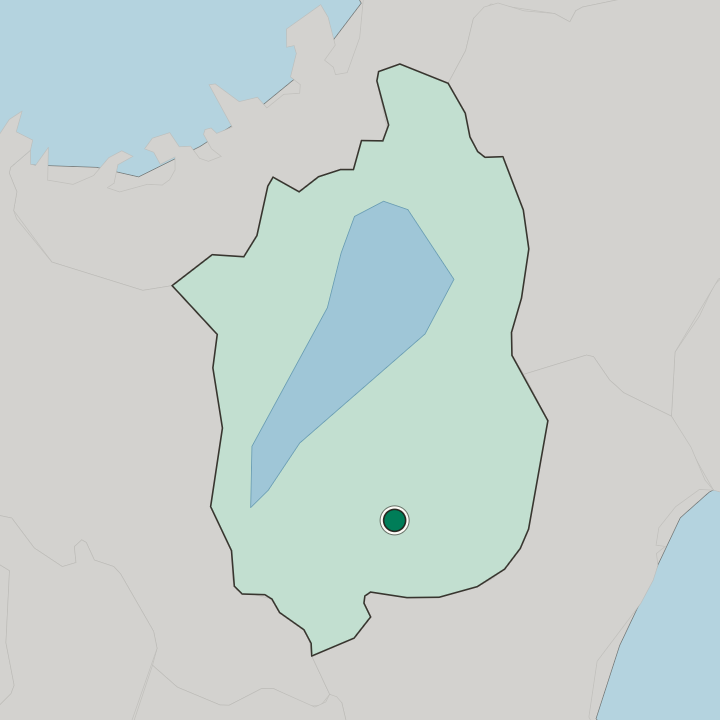
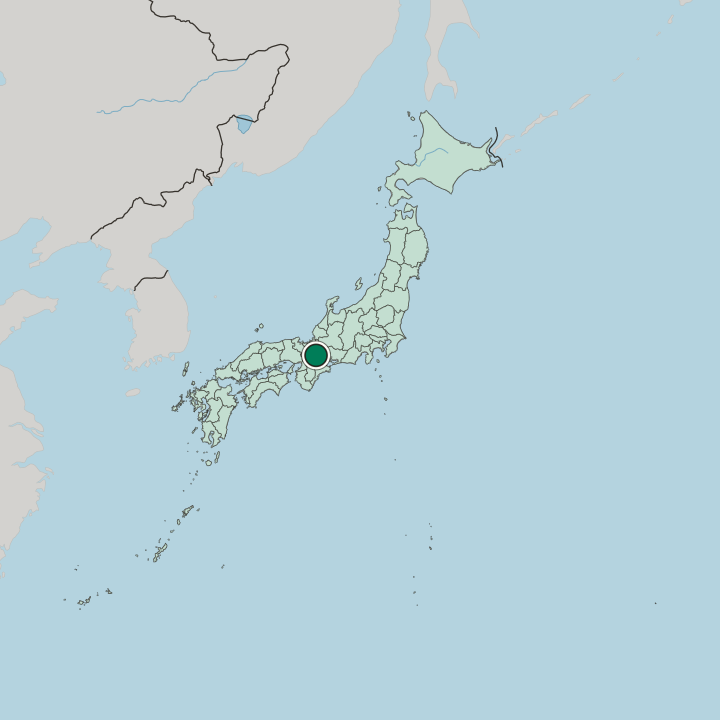
Kōka is a city in Shiga prefecture, Japan, where the Miho Museum, the Kōka Ninja Village and the Shigaraki Palace Sites share one wide municipality.
Hotel links are affiliate links: booking through them may earn us a commission, at no extra cost to you. It never affects how places are ranked. How this works


Where to stay in Kōka
Where the beds are, and what that means for the visit.
Minakuchi is the practical base. The Former Minakuchi Library, Minakuchi church and the Minakuchi Children's Forest Nature Park and Museum sit under one district name, which gives a stay on that side more than one thing to fill an afternoon with. Shigaraki is the other case.
A bed there puts the Shigaraki Palace Sites within a short run, and it suits a visitor who came for excavated ground rather than for galleries. Kōnan and Tsuchiyama are quieter propositions. The Former Shiga bank Kōnan branch and the Koukashi Kounan Fureainoyakata anchor the first of them, the Koukashi Tsuchiyama Rekishiminzokushiryoukan anchors the second, and both reward a traveller after the city's own record instead of its headline stops.
Rooms thin out fast. Kōka became one municipality in 2004 and its parts still behave like separate towns, so a booking here assumes a car and a fixed plan rather than a walk-in room found late in the evening. The Miho Museum decides some itineraries by itself.
Anyone building a trip around it should pick the base that shortens the run out there, then treat Ōtori Shrine, Handō Shrine and the Kōka Ninja Village as the fill around it. Shingū Shrine Site and Kajiyashiki Site suit an unhurried second day.
Find hotels in Kōka
Direct booking searches for these neighbourhoods.
Minakuchi
Three of the city's listed buildings, plus the Children's Forest Nature Park and Museum, carry the Minakuchi nameFind hotels in MinakuchiVisitors whose reason for coming is the Shigaraki Palace SitesShigaraki
The excavated palace ground is the whole argument for sleeping on this side. Rooms are few around here — worth securing early.Find hotels in ShigarakiTravellers using the Koukashi Tsuchiyama Rekishiminzokushiryoukan and the Kōnan bank buildingKōnan and Tsuchiyama
The two quietest districts keep the civic halls that hold Kōka's local record. Few places to stay nearby — book ahead.Find hotels in Kōnan and TsuchiyamaHotel links are affiliate links: booking through them may earn us a commission, at no extra cost to you. It never affects how places are ranked. How this works
Things to do in Kōka
Ranked by global recognition; descriptions from Wikidata (CC0).
Museums & Galleries
3- Miho Museum
- Koukashi Kounan Fureainoyakata
- Koukashi Tsuchiyama Rekishiminzokushiryoukan
Churches & Religious Sites
1- Minakuchi church
Castles & Historic Sites
3- Shigaraki Palace Sites Heritage
- Miyamachi Site
- Dairino Site
Nature & Outdoors
1- Minakuchi Children's Forest Nature Park and Museum
Parks & Gardens
1- Kōka Ninja Village
Landmarks & Notable Places
2- Daiichi Daido-gawa Bridge Heritage
- Former Shiga bank Kōnan branch Heritage
worth knowingacross 6 categories in Kōka
About Kōka
Two draws sit far apart here.
What is Kōka known for?
The Miho Museum and the Kōka Ninja Village pull very different visitors, one arriving for a gallery and the other for the ninja theme that the village carries in its own name. Older ground fills the gap. The Shigaraki Palace Sites, the Miyamachi Site and the Dairino Site are recorded as sites rather than standing buildings, and Ōtori Shrine keeps a separately listed tower gate for anyone who prefers a monument still upright.
What are the main landmarks in Kōka?
Seventeen entries make the city's list. The Miho Museum stands at one end of it and the Kōka Ninja Village at the other, while Ōtori Shrine, Handō Shrine and the dug ground of the Miyamachi Site and the Kajiyashiki Site fill the space between them. Much of it is modest.
The Former Shiga bank Kōnan branch, Minakuchi church and the Daiichi Daido-gawa Bridge are on the list because the city keeps them, not because a visitor would cross a prefecture for them.
What is the history of Kōka?
Sites outnumber buildings here. The Shigaraki Palace Sites record a palace that no longer stands, and the Miyamachi Site, the Dairino Site, the Kajiyashiki Site and the Shingū Shrine Site put most of the early record underground rather than on display. Shrines held on. Ōtori Shrine survives with a tower gate listed under an entry of its own, and Handō Shrine carries a second strand of the same religious inheritance forward.
The later record turns architectural. The Former Minakuchi Library, the Former Shiga bank Kōnan branch and Minakuchi church are the kind of buildings a town keeps once it has stopped using them for the purpose they were built for, and the Daiichi Daido-gawa Bridge belongs to that same run of civic work. Kōka as one name is recent.
The municipality dates from 2004, and the older district names, Minakuchi, Kōnan, Tsuchiyama, Shigaraki, still do most of the work of saying where a thing actually is. Two halls hold the local record between them. The Koukashi Tsuchiyama Rekishiminzokushiryoukan and the Koukashi Kounan Fureainoyakata keep it in their respective districts, and neither is the reason most travellers come.
That reason is the Kōka Ninja Village, which packages the tradition attached to this name for visitors, while the Miho Museum answers to something else entirely and draws a separate audience out to its own corner of the city.
Where is Kōka?
Kōka covers ground, not a single centre. Shiga prefecture holds it, and the names that recur through the city's register, Minakuchi, Shigaraki, Tsuchiyama and Kōnan, mark distinct parts of a municipality dated to 2004. Water crosses it.
The Daiichi Daido-gawa Bridge is listed among the built structures, and the Minakuchi Children's Forest Nature Park and Museum stands for the forest ground its own name records.
What is the climate of Kōka?
Summer arrives heavy. The subtropical band that Kōka falls inside delivers warm and humid months rather than a dry season, so a walk over the open ground of the Shigaraki Palace Sites is best taken early in the day. Rain has an answer.
The Miho Museum, the Former Minakuchi Library and the Koukashi Tsuchiyama Rekishiminzokushiryoukan absorb a wet afternoon without any planning at all.
How do you get to Kōka?
Kōka spreads too far to walk. Minakuchi, Kōnan, Tsuchiyama and Shigaraki each carry their own landmarks, so the useful question is how a visitor moves between them rather than how they cross the city line. The two headline stops differ sharply.
Pairing the Miho Museum with the Kōka Ninja Village inside one day means arranging transport in advance, because a municipality drawn this wide across Shiga prefecture does not put its attractions on a single street.
Common questions
What is the best area to stay in Kōka?
Minakuchi: Stays that want the Former Minakuchi Library and the church on one district's streets. Shigaraki: Visitors whose reason for coming is the Shigaraki Palace Sites. Kōnan and Tsuchiyama: Travellers using the Koukashi Tsuchiyama Rekishiminzokushiryoukan and the Kōnan bank building.
Good for
More cities in Shiga
Updated October 2026