South Korea · Gyeongsangbuk-do
Where to Stay in Andong, Gyeongsangbuk-do
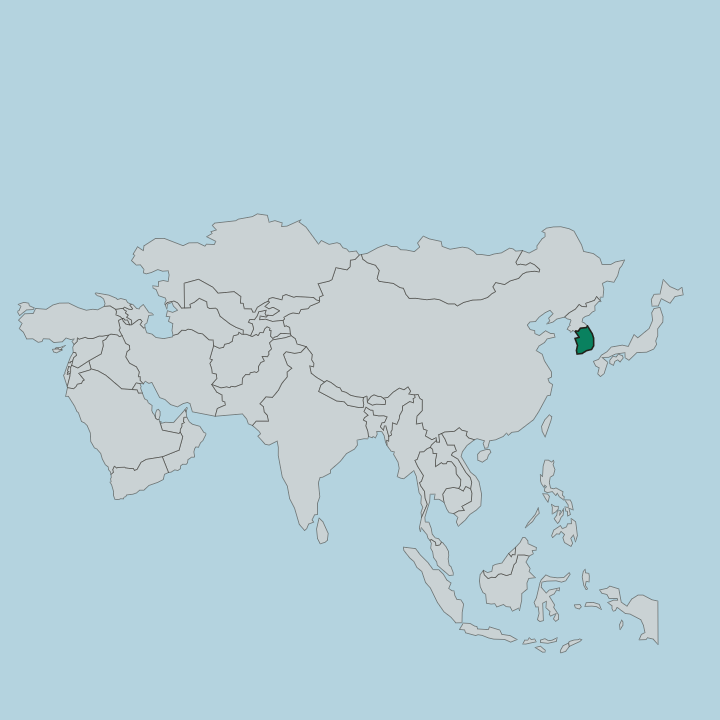
Andong is a city in North Gyeongsang, southeastern South Korea, the old heartland of Korean Confucian tradition.
Hotel links are affiliate links: booking through them may earn us a commission, at no extra cost to you. It never affects how places are ranked. How this works


Where to stay in Andong
How the choice of base plays out on the ground.
Where you stay in Andong turns on the city or the old village. The centre by the Nakdong River keeps the markets, the museums, and the soju houses within a walk, and staying downtown suits anyone here for the city itself. The riverside is quiet in the evening.
Rooms sit near the river and the station. Out at the Hahoe Folk Village and the hills, the stays turn traditional and calm. A room in an old hanok trades the city for wooden houses, courtyards, and the rites of the old village.
The green hills close in around. If you want the markets and the museums, stay in the centre; if you want the old houses, take a room at the village. Either way, old Andong is close at hand.
Find hotels in Andong
Direct booking searches for these neighbourhoods.
The city centre
By the Nakdong River in the centre, within a walk of the station and marketsFind hotels in The city centreStays wanting the old wooden houses and ritesHahoe and the hills
At the Hahoe Folk Village among the hills, in the traditional hanok housesFind hotels in Hahoe and the hillsHotel links are affiliate links: booking through them may earn us a commission, at no extra cost to you. It never affects how places are ranked. How this works
About Andong
Andong is the home of old Korean tradition.
What is Andong known for?
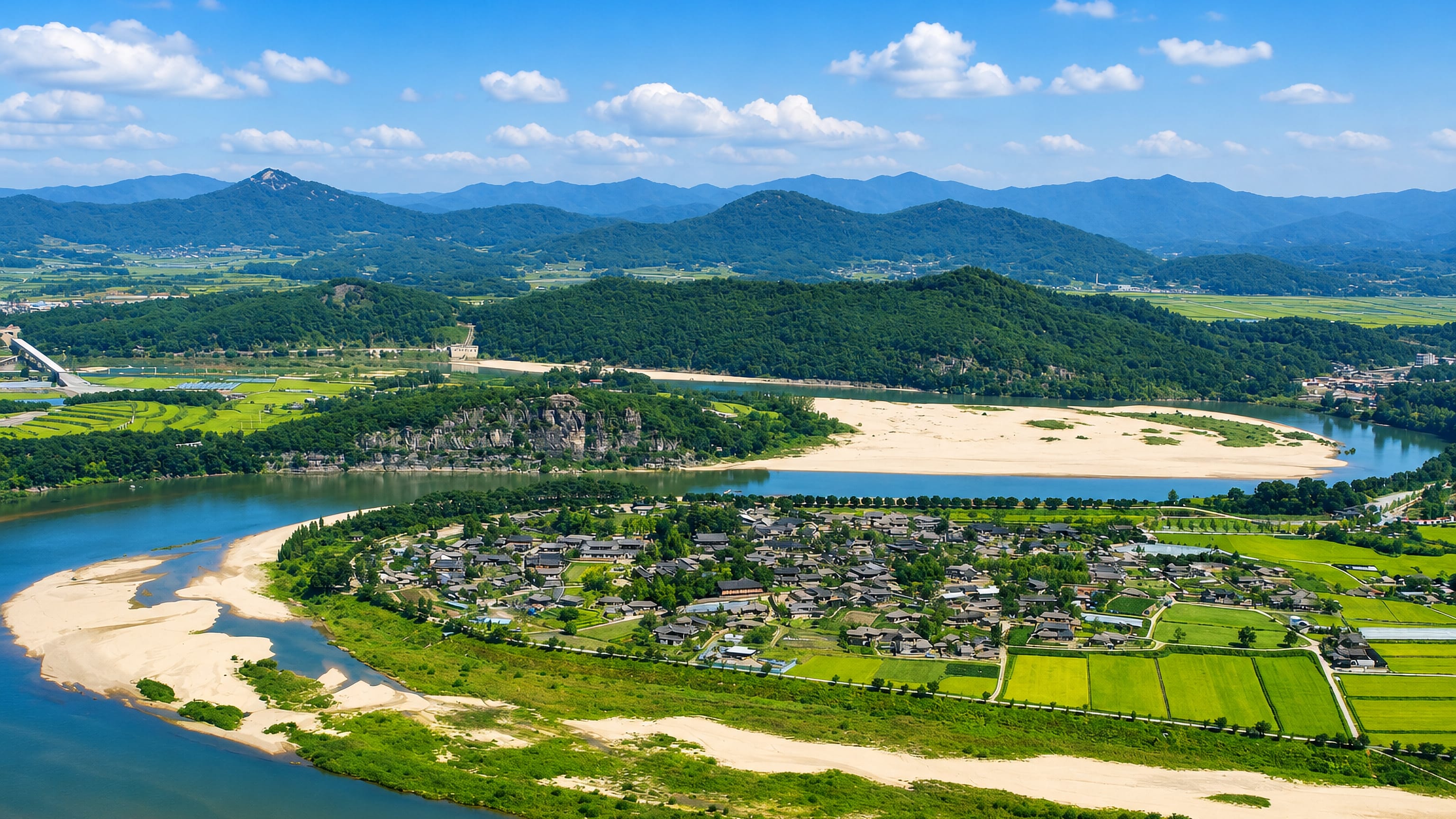
The preserved Hahoe Folk Village sits in a bend of the Nakdong River, famous for its carved masks and its mask dance, and around the city stand the great Confucian academies where Korea's scholars once taught. Bongjeongsa keeps the oldest wooden hall in the land. Ritual and heritage mark the town.
What are the main landmarks in Andong?
The Hahoe Folk Village is Andong's treasure. Its old wooden houses stand in a bend of the Nakdong River, the great sight of the region, kept alive with rites and the famous mask dance. Academies and temples fill the hills.
Dosan Seowon and Byeongsan Seowon keep the old Confucian learning, while Bongjeongsa holds the oldest wooden hall in Korea among the pines.
What is the history of Andong?
Andong was the seat of Korea's Confucian scholars. In the days of the old kingdoms it became a stronghold of the great clans and the Confucian learning they prized, and its academies, or seowon, trained the officials who ran the country. Toegye taught here.
The greatest of Korea's Confucian sages founded the academy of Dosan Seowon by the river, and his followers filled the region with schools and shrines. The old clans kept their villages whole. Families like the Ryu held their ancestral homes for centuries, above all at the Hahoe Folk Village in its river bend, where wooden houses, rites, and the famous mask dance survived unbroken.
Faith stood beside learning. The ancient temple of Bongjeongsa held the oldest wooden hall in Korea among the hills, and Buddhism kept its place beside the Confucian schools. The old village was later named a treasure of the world.
Andong still guards the customs of old Korea.
Where is Andong?
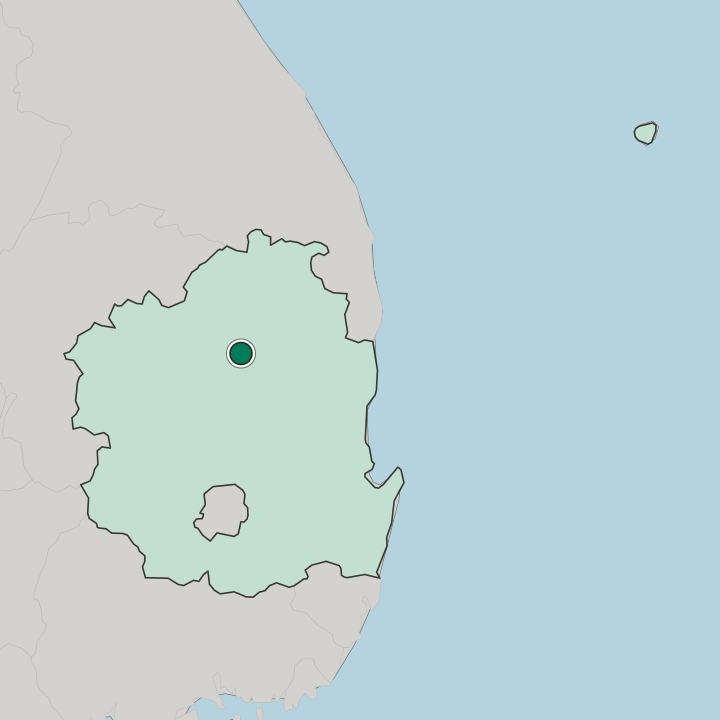
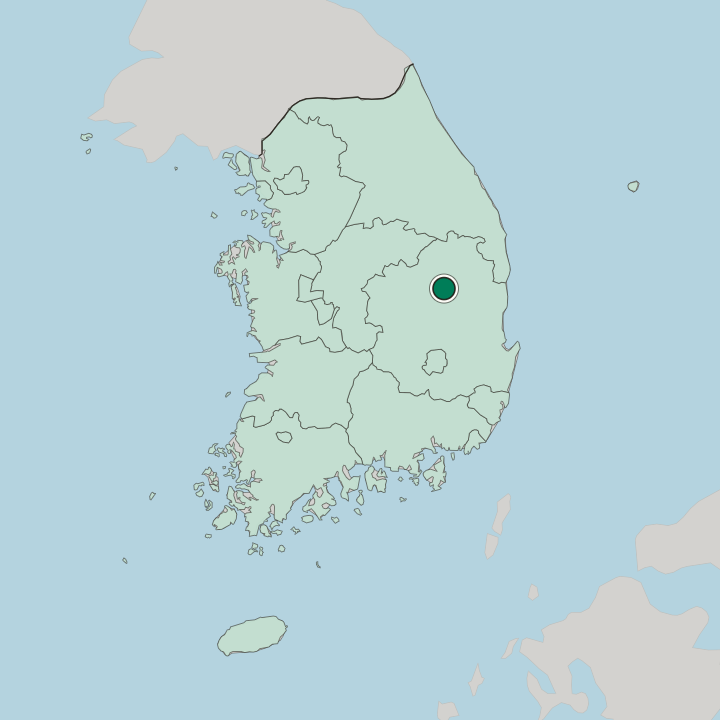
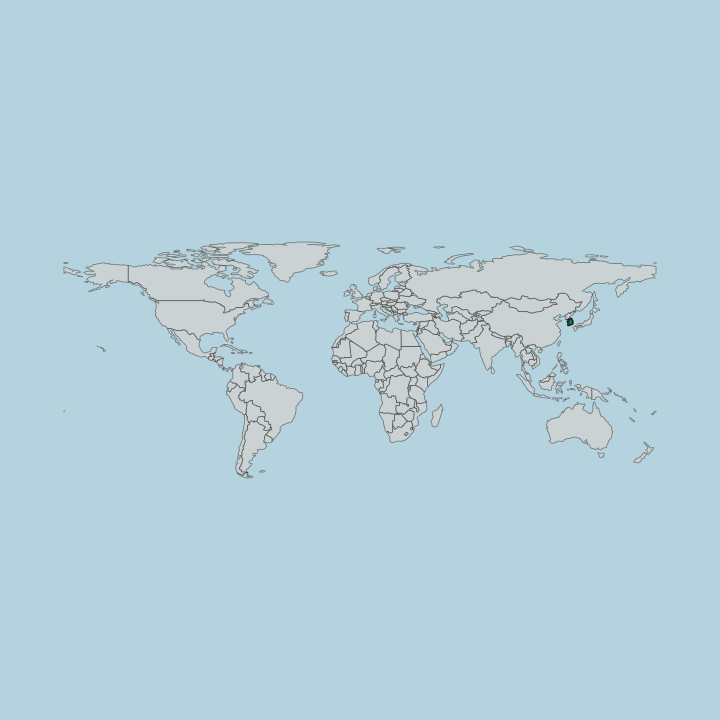
Andong lies in the mountains of southeastern Korea. The city spreads along the Nakdong River in the hills of North Gyeongsang, where the river winds through wooded ranges and a great reservoir lies to the east. Green hills roll on every side.
The river curves slow through the valleys.
What is the climate of Andong?
Andong has Korea's four sharp seasons. Cold, dry winters give way to hot, wet summers, when the monsoon rains sweep up over the peninsula. Autumn turns the hills to red and gold.
The river valleys fill with mist in the cool months.
How do you get to Andong?
Andong lies inland in southeastern Korea. Fast trains and the expressway run to the city from Seoul and the coast, and roads cross the hills to the temples and the old villages. Buses reach Hahoe and the academies around.
Most arrive by rail from Seoul.
Common questions
What is the best area to stay in Andong?
The city centre: Visitors here for the markets, museums, and soju houses. Hahoe and the hills: Stays wanting the old wooden houses and rites.
Good for
More cities in Gyeongsangbuk-do
Updated September 2026