South Korea · Gyeongsangbuk-do
Where to Stay in Gumi, Gyeongsangbuk-do
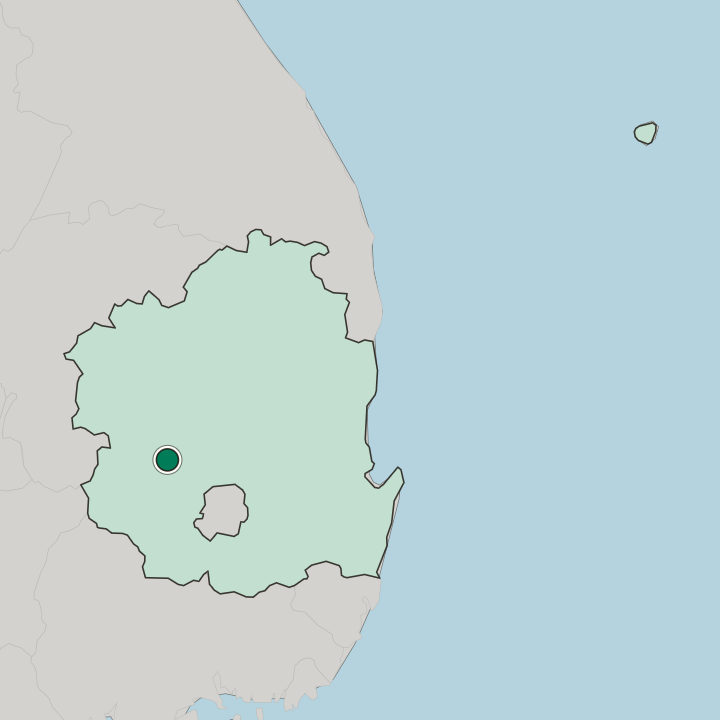
Gumi is an industrial city of North Gyeongsang on the Nakdong River, halfway between Daegu and Gimcheon beneath the ridges of Geumosan.
Hotel links are affiliate links: booking through them may earn us a commission, at no extra cost to you. It never affects how places are ranked. How this works


Where to stay in Gumi
The practical side of choosing where to sleep.
Rooms cluster where the trains stop. The streets around the Gyeongbu Line approach are the practical base for a short stay, because they put onward departures toward Daegu or Gimcheon within reach without a taxi and keep the Nakdong River bridges close enough to walk before breakfast. Business travel fills most of those beds.
Anyone arriving on the Gyeongbu Expressway with a factory appointment will find the same quarter the obvious one, and the choice barely needs thinking about. The mountain side is a different proposition. Streets running toward Geumosan trade convenience for an early start on the climb, with the Gumi Geumosan Maeyeoraeipsang recorded on the slopes above and quieter ground at night.
Riverside stays make a third option. Along the Nakdong the Gumi Nakdonggang Sports Park spreads out on the flats, and a bed near it suits anyone who wants running water and open playing fields rather than a view of the works, which is a real distinction in a city of some 617 square kilometres. Distances stay manageable throughout.
North Gyeongsang traffic runs through Gumi rather than around it, so none of the three bases cuts a visitor off from the others.
Find hotels in Gumi
Direct booking searches for these neighbourhoods.
The Gyeongbu Line approach
Gumi's rail approach, with the Nakdong River bridges a walk awayFind hotels in The Gyeongbu Line approachEarly climbs onto Geumosan above GumiThe Geumosan streets
The Gumi Geumosan Maeyeoraeipsang is recorded on the slopes directly above. Beds are limited here, so book early.Find hotels in The Geumosan streetsRiverside stays using the Gumi Nakdonggang Sports ParkThe Nakdong flats
Gumi Nakdonggang Sports Park spreads along the Nakdong River hereFind hotels in The Nakdong flatsHotel links are affiliate links: booking through them may earn us a commission, at no extra cost to you. It never affects how places are ranked. How this works
About Gumi
Factories and footpaths share the same valley.
What is Gumi known for?
Gumi counts as an industrial hub and as the second largest city of North Gyeongsang Province, sitting on the Gyeongbu Expressway and the Gyeongbu Line, which between them carry the principal traffic of South Korea. Geumosan closes the view. Walking routes climb from the edge of the built-up ground into mountains that ring the city, and the Nakdong River supplies the flat land everything else is arranged on.
Korean is spoken here.
What are the main landmarks in Gumi?
Old stone marks the district. The Tumulus in Naksan, Gumi is the oldest listed site, and the carved stone monuments known as the Gumi Naksanri Samcheungsoektap and the Jukjangri Ocheungseoktap stand among the heritage entries alongside the Gumi Geumgangsa Geumran Gasa. Geumosan carries its own.
The Gumi Geumosan Maeyeoraeipsang is recorded on the mountain, while the Gumi Nakdonggang Sports Park, the Gupo Sports Park and the Gumi Civic Stadium Auxiliary Stadium account for the modern side of the list.
What is the history of Gumi?
A burial mound is the earliest thing on the register. The Tumulus in Naksan, Gumi records occupation of this stretch of the Nakdong River valley long before any of the industry that defines the modern city, and the carved stone of the Gumi Naksanri Samcheungsoektap belongs to the same older layer of the district. Religious building followed.
The Gumi Geumgangsa Geumran Gasa and the Gumi Geumosan Maeyeoraeipsang, the latter recorded on Geumosan itself, show that the mountain mattered to the settlements below it well before the factories arrived. Routes made the difference later. Sitting halfway between Daegu and Gimcheon, on the Gyeongbu Expressway and the Gyeongbu Line that carry the principal traffic of South Korea, gave the city an advantage no amount of heritage would have supplied on its own, and manufacturing concentrated here as a result.
It became an industrial hub. No founding year is recorded, so the sequence has to be read from the sites themselves: tumulus, stone monuments, mountain carving, then plant and expressway. The Jukjangri Ocheungseoktap is part of that record.
Gumi ranks as the second largest city of North Gyeongsang Province, and the old and the industrial share ground with no clear line between them.
Where is Gumi?
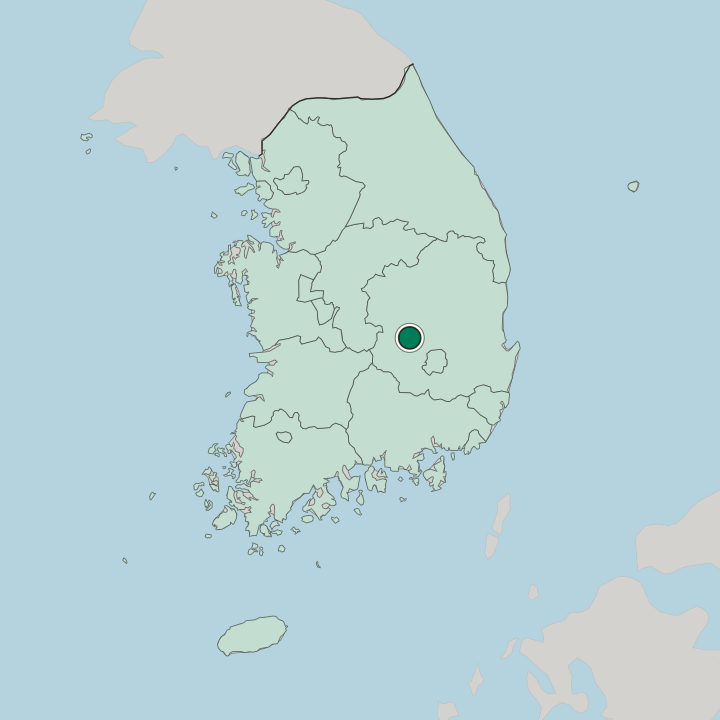
Mountains enclose the valley floor. Gumi holds some 617 square kilometres along the Nakdong River, with Geumosan and its neighbouring ridges standing around the flat ground where the city and its works have spread, and North Gyeongsang Province continuing beyond them. Daegu lies one way, Gimcheon the other.
The river gives the district its axis, the hills give it its edges, and the Gumi Nakdonggang Sports Park occupies part of the open bank between the two.
What is the climate of Gumi?
The ring of mountains around Gumi shuts the valley in, so the temperate northern year is felt with an inland weighting: warmth pools on the Nakdong River flats through midsummer and drains away again at either end of the calendar. Geumosan holds the cold longer. Hikers plan accordingly.
Conditions on the ridge and conditions in the streets below are not the same thing on the same morning.
How do you get to Gumi?
Two named routes do the work. The Gyeongbu Line railway and the Gyeongbu Expressway both run through Gumi, and since they are the principal traffic routes of South Korea, arriving from either Daegu or Gimcheon is a matter of minutes on a timetable rather than a day's planning. Both neighbours are close.
Departures inland toward Geumosan and the North Gyeongsang hills start from the same city streets.
Common questions
What is the best area to stay in Gumi?
The Gyeongbu Line approach: Short stops timed to Gyeongbu Line departures for Daegu or Gimcheon. The Geumosan streets: Early climbs onto Geumosan above Gumi. The Nakdong flats: Riverside stays using the Gumi Nakdonggang Sports Park.
Good for
More cities in Gyeongsangbuk-do
Updated September 2026